The Historica Nigeria

2026

National, News, Politics

NDC Fixes Presidential Form at N60m Ahead of 2027 Elections

The Nigeria Democratic Congress (NDC) has released its timetable for the sale of nomination forms, screening of aspirants and conduct of primary elections ahead of the 2027 general elections. The party announced that its presidential nomination form will cost N60 million, comprising N20 million for the Expression of Interest form and N40 million for the nomination form. According to a statement jointly signed by the party’s National Chairman, Sen. Moses Cleopas Zuwoghe, and National Secretary, Barr. Ikenna Morgan Enekweizu, governorship aspirants will pay N30 million, including N10 million for the Expression of Interest form and N20 million for the nomination form. The statement further disclosed that senatorial aspirants would pay N8 million, while forms for the House of Representatives and State House of Assembly would cost N6 million and N2.5 million respectively. The party stated that the sale of forms will commence on Wednesday, May 13, 2026, and end on Monday, May 18, 2026. Read Also: Why Kiru/Bebeji ‘Consensus’ May End in Court INEC Attendance at NDC Convention Ends Registration Speculation Abuja Screening Exposes Cracks in Kano APC Consensus Plans According to the timetable released by the party, screening and interview of aspirants will hold between May 19 and May 21, 2026, to determine the eligibility of contestants for the party primaries. The NDC advised all aspirants to appear before the screening panel with their relevant credentials and supporting documents. It added that appeals arising from the screening exercise would be entertained on May 25 and 26, while primary elections for various elective positions are scheduled for May 27 and 28, 2026. The party also fixed its presidential primary election for May 29, 2026, in Abuja, noting that governorship primaries would be conducted at the local government level. According to the statement, all aspirants will be required to sign an undertaking in line with the party’s guidelines and code of conduct. The NDC assured members and aspirants of a transparent, inclusive and democratic process throughout the exercise. The party further disclosed that it would adopt the “open secret ballot” system during its primaries to ensure credibility, fairness and internal democracy in the selection of candidates ahead of the 2027 polls.

Kano, News, Religious

2026 Hajj: Kano Govt Names Emir of Gaya, Karaye to Lead Pilgrims

The Kano State Government has approved the appointment of the Emir of Gaya, His Royal Highness Alhaji Dr. Aliyu Ibrahim Abdulkadir, as the Amirul Hajj for the 2026 Hajj exercise. The appointment was announced in a statement issued on Tuesday by the Director General, Media and Publicity at the Government House, Sunusi Bature Dawakin Tofa. According to the statement, Governor Abba Kabir Yusuf also approved the Emir of Karaye, His Royal Highness Alhaji Muhammad Muhammad Maharaz, as Deputy Amirul Hajj for the 2026 pilgrimage. Read Also: Why Kiru/Bebeji ‘Consensus’ May End in Court Abuja Screening Exposes Cracks in Kano APC Consensus Plans 2027: Tinubu Support Group Appoints Ganduje As Grand Patron, Holds Consultation With VP Shettima The statement explained that the Kano State Pilgrims Welfare Board has been directed to provide full support to both the Amirul Hajj and his deputy to ensure a smooth, coordinated and successful Hajj operation. The government further extended its best wishes to the appointed leaders, the management and staff of the Pilgrims Welfare Board, as well as intending pilgrims, praying for a successful exercise and safe return of all pilgrims.

National, News

Why Tinubu Created New Homeland Security Office Amid Rising Security Concerns

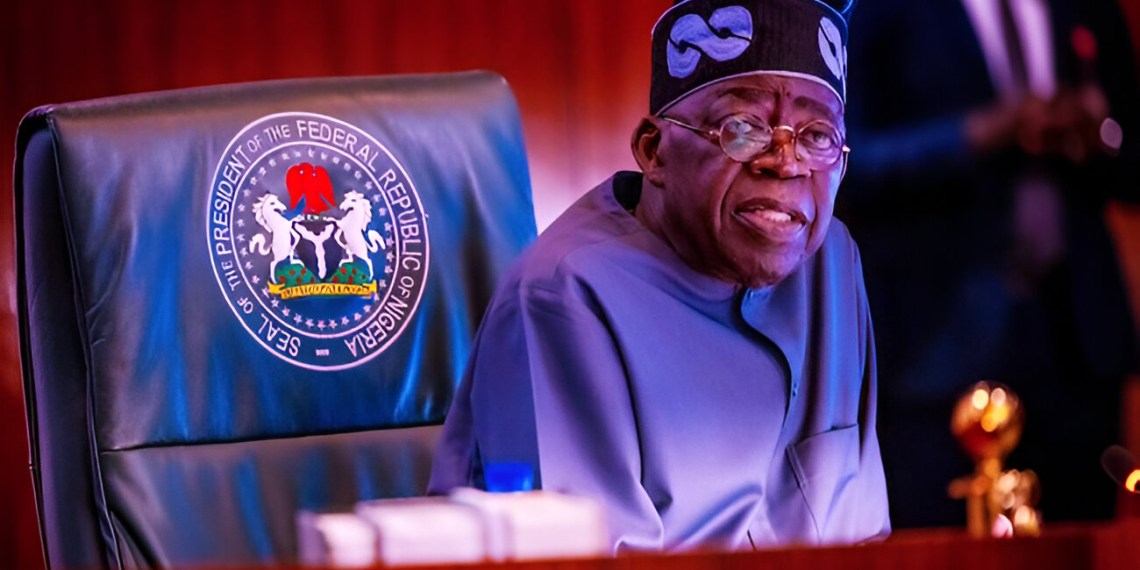
President Bola Ahmed Tinubu has established a new Office of the Special Adviser on Homeland Security as part of efforts to strengthen Nigeria’s internal security architecture amid growing insecurity and evolving security threats across the country. The development, announced yesterday, has generated widespread discussions among Nigerians, legal experts and security analysts over the role and possible impact of the new office on the nation’s security framework. The Presidency appointed retired Major General Adeyinka Famadewa as Special Adviser on Homeland Security to oversee the coordination of the new structure. According to the Presidency, the office is designed to complement existing security institutions by improving intelligence coordination, strengthening internal security response mechanisms and enhancing collaboration among security agencies. The new arrangement is also expected to function within the broader national security framework already supervised by the Office of the National Security Adviser. Read Also: 2027: Tinubu Support Group Appoints Ganduje As Grand Patron, Holds Consultation With VP Shettima Insecurity: Benue Spent Only N111m from N41bn Security Budget in Q1 — Report What to Know About Kano’s Deputy Governor, Murtala Sule Garo Officials say the creation of the office became necessary due to the complexity of Nigeria’s security challenges, which include terrorism, banditry, kidnapping, communal clashes and other forms of internal violence. The move is aimed at providing a more focused and coordinated approach to homeland security management, especially in response to rising public concern over security effectiveness across different parts of the country. However, the development has also triggered debate among some Nigerians who question whether establishing an additional security office will translate into measurable improvements on the ground. Security analysts argue that the effectiveness of the new office will depend largely on clear operational mandates, strong inter-agency coordination and avoidance of overlap with existing security structures. The initiative comes as the Tinubu administration continues to roll out reforms targeted at improving national security and strengthening institutional capacity in response to emerging threats.

Abuja, National, News

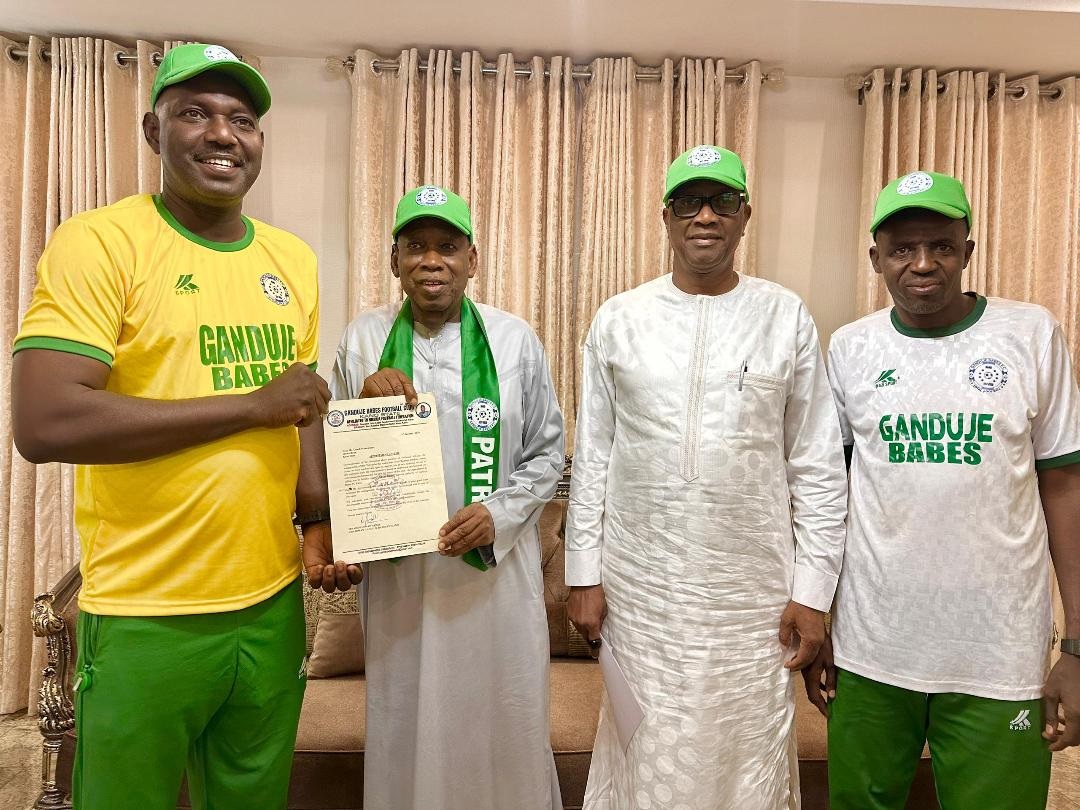
2027: Tinubu Support Group Appoints Ganduje As Grand Patron, Holds Consultation With VP Shettima

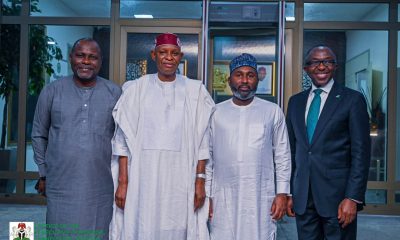
By Umar Idris Shuaibu The immediate past National Chairman of the All Progressives Congress (APC) and Chairperson of the Board of the Federal Airports Authority of Nigeria (FAAN), Abdullahi Umar Ganduje, has received a courtesy visit from members of Matasan Arewa for Tinubu (MAT) 2027 as part of the group’s mobilisation efforts ahead of the 2027 general elections. The delegation, led by the Director General of MAT 2027, Hon. Mahmud Babaliya Aftaka, reaffirmed the group’s support for President Bola Ahmed Tinubu and commended Ganduje for his leadership role in strengthening the APC across the country. During the visit, the group described Ganduje as a strong pillar of the ruling party whose political experience and guidance continue to inspire Northern youths toward active participation in democratic processes. MAT 2027 also announced the appointment of Ganduje as its Grand Patron in recognition of his contributions to party development and youth mobilisation. Speaking during the meeting, Ganduje stressed the critical role of youths in sustaining democracy and shaping the political future of Northern Nigeria and the country at large. Read Also: What to Know About Kano’s Deputy Governor, Murtala Sule Garo Why Kiru/Bebeji ‘Consensus’ May End in Court Abuja Screening Exposes Cracks in Kano APC Consensus Plans “The youth are the foundation of this very important organisation, especially considering the political situation in the country and particularly in the northern part of Nigeria today,” he said. “There is no doubt that the youth are the alpha and omega of democracy, especially as we are approaching another election period.” The former Kano State governor cautioned against divisive politics rooted in religion, ethnicity and regional sentiments, noting that such narratives do not support national growth and unity. “The misconception many people have about politics in Nigeria is becoming a very dangerous trend. An association like this, made up of young men and women, is in a strong position to change the narrative,” he stated. “When one section of the country keeps blaming another section, it does not contribute to national development.” Ganduje further emphasised the need for Northern Nigeria to develop a clear socio-economic blueprint capable of addressing the region’s pressing developmental challenges. “What is most important for Northern Nigeria today is to have a clear development agenda and blueprint. Instead of blaming others based on religion, ethnicity, tribe or geographical location, we should focus on development,” he added. He identified youth unemployment as one of the major challenges confronting the region and advocated practical solutions through skills acquisition, entrepreneurship and educational reforms. According to him, education should go beyond certificate acquisition and focus more on practical and professional skills capable of making young people self-reliant and employable. Ganduje also called for free and compulsory education at both primary and secondary school levels to ensure equal access to quality education for all children regardless of financial background. In a related development, Ganduje also held a meeting with Vice President Kashim Shettima alongside Hon. Abdullahi Mahmud Gaya, who currently serves as an Independent Non-Executive Director at the Nigeria Sovereign Investment Authority (NSIA), Chairman of the House Committee on Appropriation, Engr. Abba Kabir Bichi, and former Minister as well as former Kano State Deputy Governor, Engr. Abdullahi Tijjani Muhammad Gwarzo, at his residence in Abuja as part of ongoing political consultations ahead of the 2027 general elections.

Education, National, News

JAMB Sets 150 Cut-Off Mark For Universities, Nursing Colleges, 100 For Polytechnics

The Joint Admissions and Matriculation Board (JAMB) has announced new minimum admissible scores for candidates seeking admission into tertiary institutions across Nigeria. The decision was reached during the annual admission policy meeting held in Abuja on Monday, involving heads of tertiary institutions nationwide. According to JAMB, university vice-chancellors, rectors and other institutional heads unanimously agreed that the minimum admissible score for admission into universities and colleges of nursing sciences would be 150, while polytechnics would admit candidates with a minimum score of 100. Read Also: KSP Partners JOSTUM to Offer PGD Courses in Management, Social Sciences “The Heads of Tertiary Institutions in Nigeria had unanimously agreed that the Minimum Admissible Scores for admissions into Universities should be 150, Colleges of Nursing, 150, and Polytechnics, 100,” the examination body stated after the meeting. The development forms part of ongoing reforms in Nigeria’s tertiary education admission system aimed at streamlining admission processes and broadening access to higher education. Meanwhile, the Federal Government had earlier announced that candidates seeking admission into colleges of education would no longer be required to sit for the Unified Tertiary Matriculation Examination (UTME).

Uncategorized

Insecurity: Benue Spent Only N111m from N41bn Security Budget in Q1 — Report

The Benue State Government reportedly spent only N111.06 million on security operations in the first quarter of 2026, despite allocating over N41 billion for security-related activities in the state’s annual budget. According to a review of the state’s Q1 2026 budget performance report by Premium Times, the administration of Governor Hyacinth Alia utilised just 0.3 per cent of the N41.85 billion earmarked for security between January and March 2026, amid rising attacks across several communities. The 2026 budget reportedly allocated N40 billion for security votes and operations, alongside N1.85 billion for security services, bringing the total security allocation to N41.85 billion. However, the report indicated that the amount released and spent on security during the period was significantly lower than the N3.35 billion reportedly expended on the running costs of Government House and the Benue State House of Assembly within the same quarter. Read Also: What to Know About Kano’s Deputy Governor, Murtala Sule Garo The development came as several communities in Kwande, Gwer West, Ohimini, Agatu and other parts of the state experienced recurring deadly attacks by armed groups. Among the incidents recorded during the period were the killing of two farmers in Kwande on January 14 and the murder of five persons in Gwer West two days later. Armed attackers also reportedly invaded Tse-Amuneke village on January 22, killing two residents, while multiple communities in Agatu came under attack on January 23, leaving several persons dead and others injured. On February 3, at least 17 people, including a police officer, were reportedly killed during attacks on Abande and Anwase communities, while another 16 residents were said to have been killed on March 5 in Mbaav and Mbachoon communities. Despite the worsening insecurity, the Benue State Bureau of Homeland Security, established by Governor Alia in 2024 to coordinate security operations, reportedly recorded no expenditure in the first quarter of 2026, despite having a budget allocation of N2.15 billion for the year. The report further revealed that the state generated and received N127.18 billion within the first quarter of 2026, including N57.68 billion from FAAC allocations, N11.33 billion from internally generated revenue, N14.42 billion from grants and aid, as well as N43.75 billion carried over from 2025. Total government expenditure during the period reportedly stood at N82.28 billion, with N34.48 billion spent on salaries, N22.38 billion on recurrent expenditure and N25.42 billion on capital projects. Security analysts have continued to warn that persistent attacks across Benue communities could further threaten farming activities, food security and livelihoods in the state, widely regarded as Nigeria’s food basket.

Kano, News

Third Phase of Voter Registration Begins in Kano Next Week

The Kano State Government has announced the resumption of the third phase of voter registration exercise across the 44 Local Government Areas of the state. According to a public notice issued by the Commissioner for Information and Internal Affairs, Ibrahim Abdullahi Waiya, the exercise will commence on Monday, May 11, 2026, and end on Friday, June 10, 2026, running daily from 9:00 a.m. to 3:00 p.m. The government explained that the registration exercise is targeted at citizens who have attained 18 years of age, those who have not previously registered for a voter’s card, individuals with damaged voter cards, as well as persons seeking transfer or change of polling units. Read Also: What to Know About Kano’s Deputy Governor, Murtala Sule Garo Residents across the state have been urged to take advantage of the opportunity to complete their registration before the deadline, in order to ensure wider participation in the electoral process. The statement further reaffirmed the government’s commitment to strengthening democratic participation through inclusive voter registration and sustained electoral awareness campaigns. Citizens have been advised to visit designated registration centres within their respective local government areas to participate in the exercise.

Feature, Kano, Profile

What to Know About Kano’s Deputy Governor, Murtala Sule Garo

By Umar Idris Shuaibu, Kano In Kano’s shifting corridors of power, where political tides change swiftly and alliances often define survival, the rise of Murtala Sule Garo to the office of Deputy Governor has reintroduced a familiar figure whose influence has long been anchored in grassroots politics, institutional experience, and steady relevance within the state’s complex political structure. His nomination and assumption of office under the administration of Governor Abba Kabir Yusuf have sparked renewed political interest, not only for its immediate administrative implications but also for what it signals about alliance-building and governance direction in one of Nigeria’s most politically significant states. Garo is widely recognised in Kano political circles for his earlier service as Commissioner for Local Government and Chieftaincy Affairs. In that role, he positioned himself as a key link between formal government structures and traditional institutions, engaging emirs, district heads, and local council administrators in a bid to strengthen grassroots governance. Born and raised in Kano State, his formative years were shaped by the socio-cultural fabric of northern Nigeria, where community leadership, religious values, and respect for tradition remain central to public life. Those early influences, helped shape his political identity, one anchored on accessibility, negotiation, and local engagement. Read Also: Why Kiru/Bebeji ‘Consensus’ May End in Court Abuja Screening Exposes Cracks in Kano APC Consensus Plans Ganduje Clarifies Position on Sanusi, Says Apex Court Will Determine Emirship He was educated within Kano’s schooling system before advancing into higher learning, where he acquired training that supported his entry into public administration and governance. His professional trajectory reflects a consistent progression through local government structures and state-level administration. Garo’s political journey began at the grassroots, where he built a base through close engagement with ward leaders, community stakeholders, and party structures. His tenure as Chairman of Kabo Local Government Area marked a defining phase in his career, giving him firsthand experience in managing public resources, local disputes, and community development priorities. His elevation to the position of Commissioner under the administration of Dr. Abdullahi Umar Ganduje, who is the immediate past National Chairman of the All Progressives Congress (APC) and Chairperson of the Board of the Federal Airports Authority of Nigeria (FAAN), further expanded his political footprint. In that capacity, he supervised local government administration and deepened engagement with traditional institutions across Kano State. During that period, Garo became known for sustained interaction with traditional rulers and local council officials, a style that helped improve coordination between state authority and grassroots governance structures. His approach earned him recognition as a bridge-builder in a system often defined by political and institutional complexity. Within the All Progressives Congress (APC), Garo has maintained relevance as a loyal stakeholder and mobiliser. His ability to navigate shifting political dynamics in Kano has been attributed to a pragmatic style combining loyalty with strategic adaptability. His emergence as Deputy Governor is widely viewed as a strategic political recalibration with implications that extend beyond a routine appointment. Kano people believed his deep-rooted grassroots network and long-standing experience within local government administration could prove pivotal in strengthening coordination between state institutions and communities, especially in a political environment where local dynamics often shape broader governance outcomes. In many ways, Murtala Sule Garo’s journey reflects a recurring pattern in Kano politics where influence is cultivated quietly at the grassroots, sustained through relationships, and eventually elevated at moments of political transition, reshaping the balance of power once again.

Kano, Politics

Abuja Screening Exposes Cracks in Kano APC Consensus Plans

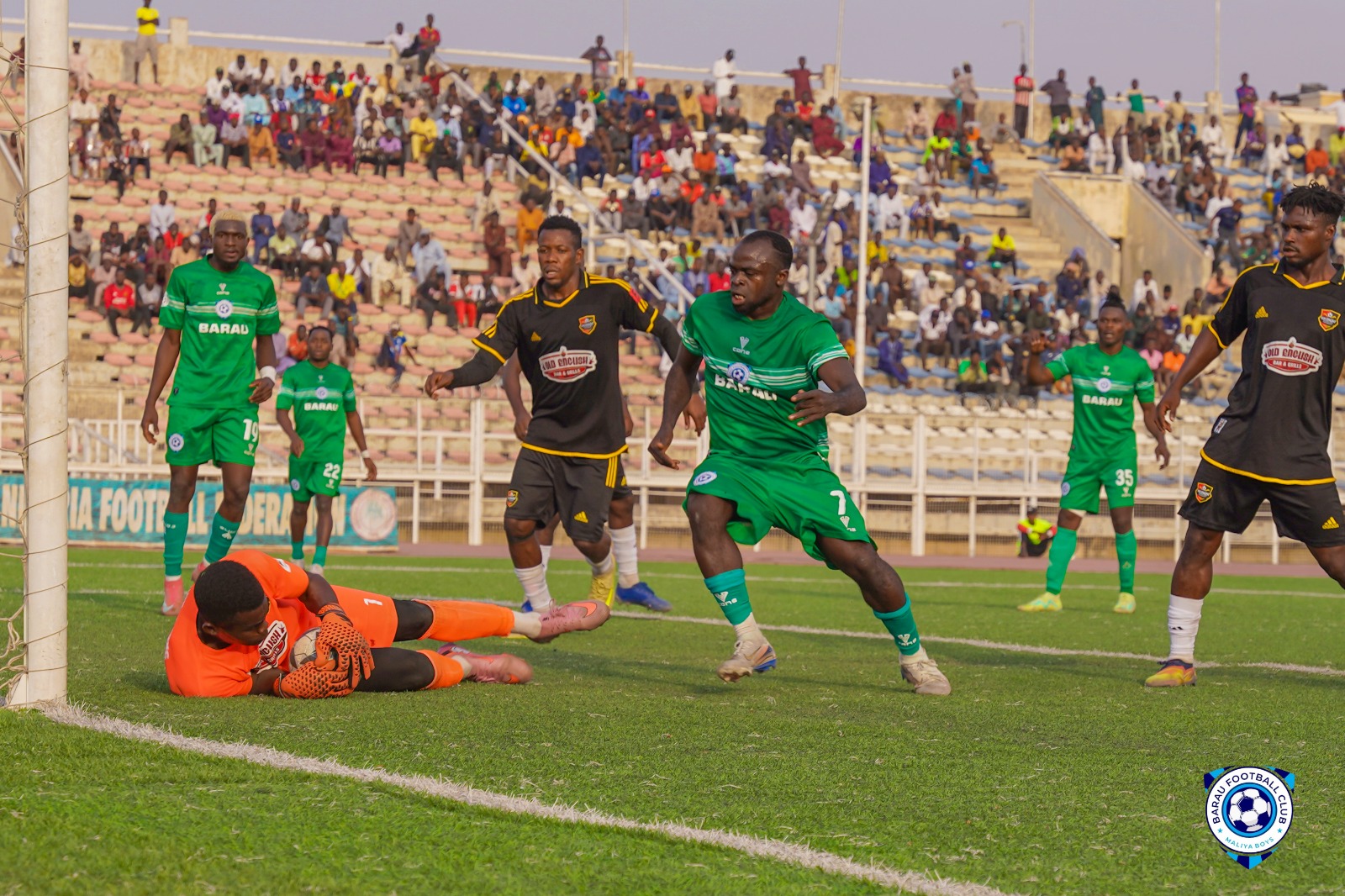
Fresh concerns have reportedly emerged within the All Progressives Congress following the screening of aspirants for National Assembly seats in Abuja, as several politicians allegedly rejected earlier consensus arrangements linked to Kano State political stakeholders. Sources within the party disclosed that many aspirants who were expected to step down after internal consultations eventually purchased nomination forms and appeared before the party’s screening committee in Abuja, a development said to have generated reactions among some national leaders of the APC. According to party insiders, the situation has raised concerns over the effectiveness of the consensus arrangements earlier facilitated among aspirants ahead of the 2027 general elections. A source familiar with developments within the party structure in Kano described the situation as politically sensitive, especially considering Kano’s strategic importance in Nigeria’s electoral landscape. The development was said to be more visible in constituencies where multiple aspirants appeared for screening despite earlier reports of reconciliation and consensus efforts. Political observers believe the trend may signal growing internal contestation within sections of the Kano APC ahead of the party primaries. Read Also: Why Kiru/Bebeji ‘Consensus’ May End in Court Ganduje Clarifies Position on Sanusi, Says Apex Court Will Determine Emirship Abba Yusuf Opens DSS Conference, Warns Against Rising Security Threats Particular attention has reportedly focused on the Kano North Senatorial contest involving Deputy Senate President Barau Jibrin and former Deputy Governor Abdullahi Tijjani Gwarzo, both of whom were said to have participated in the screening process despite reconciliation efforts. Attention has also been drawn to the case involving Sanusi Sa’id Kiru, a former Kano State Commissioner for Education and currently Director of Training and Programmes at The Progressive Institute, who is aspiring to represent Kiru/Bebeji Federal Constituency. Party sources claimed that several stakeholders and aspirants had reportedly aligned behind Sanusi Kiru after withdrawing their interests in the race, a development that was said to have shifted political momentum within the constituency. However, the emergence of the name of the serving House of Representatives member, Abdulmumin Jibrin Kofa, as the alleged consensus candidate reportedly generated fresh controversy within political circles in the constituency. The situation has since fueled intense political discussions, with indications that the matter could eventually end up in court over alleged non-compliance with provisions guiding consensus arrangements under the Electoral Act. Party sources claimed that some national stakeholders expected certain high-profile office holders and lawmakers to emerge unopposed through consensus arrangements. However, the appearance of multiple aspirants at the screening exercise reportedly altered earlier expectations. There were also indications that some stakeholders expressed reservations over how the consensus process was handled, particularly regarding inclusiveness and consultations among different political blocs within the Kano APC structure. Sources further alleged that complaints had reached the national leadership of the party concerning the emergence of some aspirants, with aggrieved politicians reportedly encouraged to participate in the primary elections if dissatisfied with the consensus arrangements. The situation has continued to generate political discussions within APC circles, with analysts warning that unresolved internal disagreements could affect party cohesion ahead of the 2027 elections. When contacted for reaction, the Chief Press Secretary to the Kano State Governor, Mustapha Muhammad, said he was not in a position to comment on the developments, explaining that he did not attend the screening venue in Abuja as he was occupied with official engagements in Kano. He, however, advised to seek clarification from Sanusi Bature Dawakin Tofa, whose telephone line could not be reached as of the time of filing this report.

Feature, Kano, Politics

Why Kiru/Bebeji ‘Consensus’ May End in Court

By Abdulmalik Dansoshiya, Kano The political contest for the Kiru/Bebeji Federal Constituency has continued to generate intense debate within the All Progressives Congress, following the controversial endorsement of Abdulmumin Jibrin Kofa as a purported consensus candidate ahead of the 2027 elections. What initially appeared to be an internal political arrangement aimed at unifying party stakeholders is now steadily evolving into a legal and procedural controversy capable of reshaping political alignments within the constituency. At the center of the debate are growing questions surrounding the legitimacy of the endorsement process and whether it conforms with provisions of the Electoral Act 2022 governing consensus candidacies in political parties. Political observers and legal analysts argue that while consensus arrangements remain a recognised feature of Nigerian politics, the law places strict conditions on how such agreements must emerge. Under Section 84(9) of the Electoral Act, all aspirants who purchased nomination forms are expected to voluntarily withdraw in writing before any candidate can validly emerge through consensus. Read Also: All You Need to Know About Kiru Local Government Area Consensus Deal Emerges in Kano Central as Aspirants Rally Behind Shekarau Ganduje Clarifies Position on Sanusi, Says Apex Court Will Determine Emirship In the Kiru/Bebeji situation, however, indications suggest that not all aspirants are aligned with the arrangement. Reports emerging from the constituency indicate that several cleared aspirants have openly identified with Muhammad Sanusi Majidadi Kiru, thereby raising concerns over whether the required legal conditions for consensus have truly been met. The controversy deepened further following reports surrounding a political meeting held at Babale Suite, where selected stakeholders reportedly endorsed Hon. Kofa in the absence of other aspirants contesting the seat. While supporters of the arrangement described the meeting as part of efforts to strengthen party unity, critics insist the process lacked inclusiveness and transparency. Allegations that financial inducements may have influenced the endorsement process have also surfaced in political discussions surrounding the matter, although no official investigation or independent verification has been made public. The unfolding situation has equally exposed widening political divisions within sections of the APC structure in the constituency, especially amid reports of strained relationships between supporters of Hon. Kofa and key political figures believed to be sympathetic to rival interests. Analysts note that the emergence of sharp public exchanges and political hostilities could further complicate efforts toward reconciliation, particularly in a contest where consensus legally depends on voluntary cooperation among aspirants. Beyond the immediate political calculations, the development is also drawing attention to the increasing role of legal interpretation in Nigeria’s internal party politics. Observers believe the Kiru/Bebeji situation may eventually test the limits of consensus arrangements under the Electoral Act if disagreements persist. There are also growing calls from stakeholders for intervention by senior political leaders within Kano State to prevent the situation from degenerating into prolonged intra-party litigation capable of weakening the APC’s chances in the constituency ahead of the 2027 elections. For now, uncertainty continues to surround the fate of the alleged consensus arrangement, with political watchers insisting that any unresolved dispute may ultimately be decided, not at political meetings, but in the courtroom.

Scroll to Top