The Historica Nigeria

Health

Health, Humanitarian, News

BOOST Partners Seek Policy Backing, Sustainable Financing for Vaccination Drive

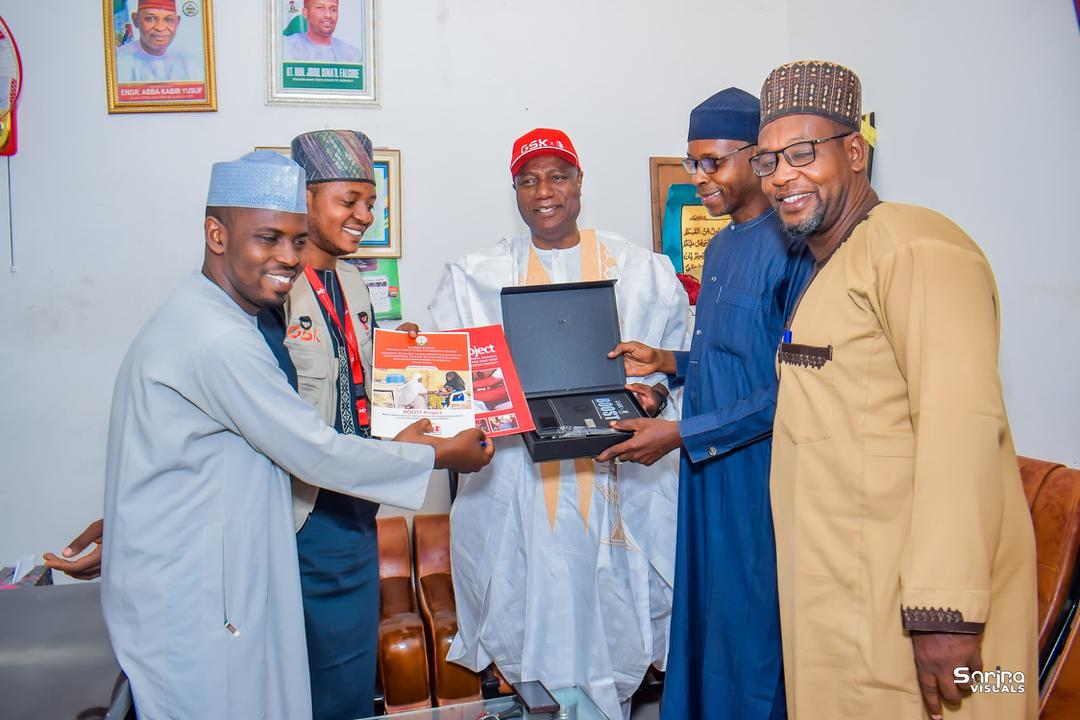
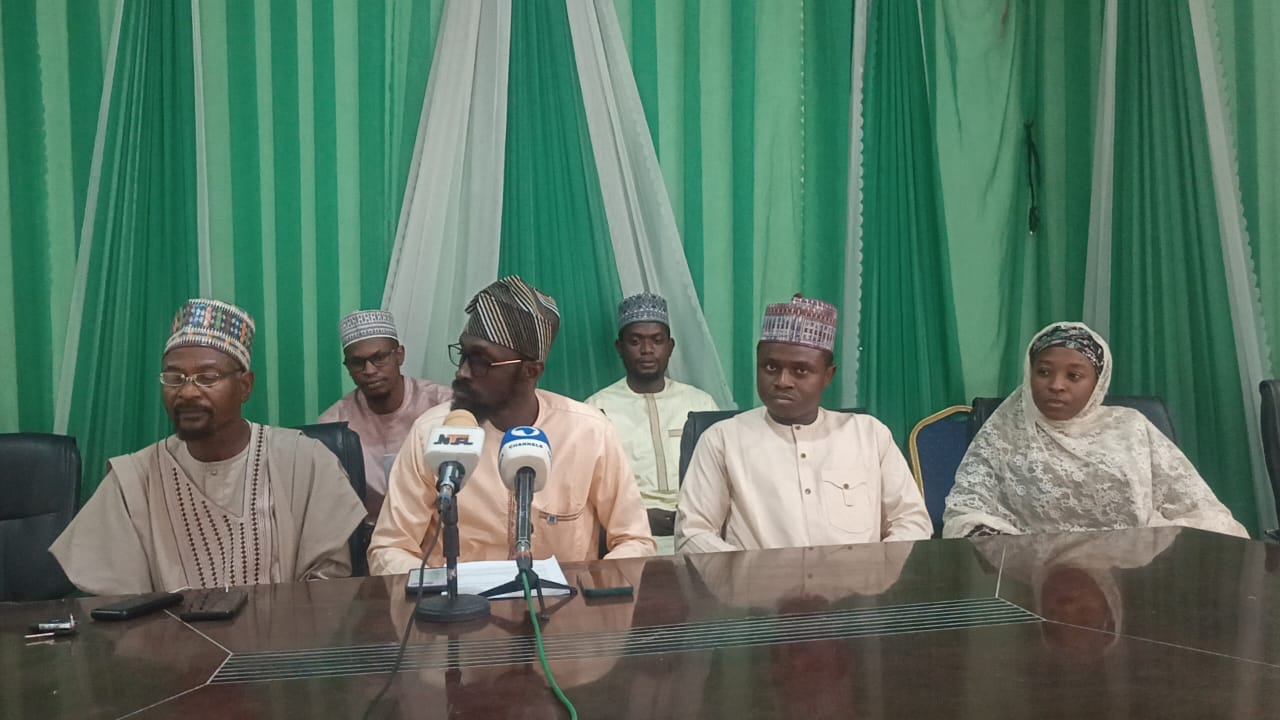
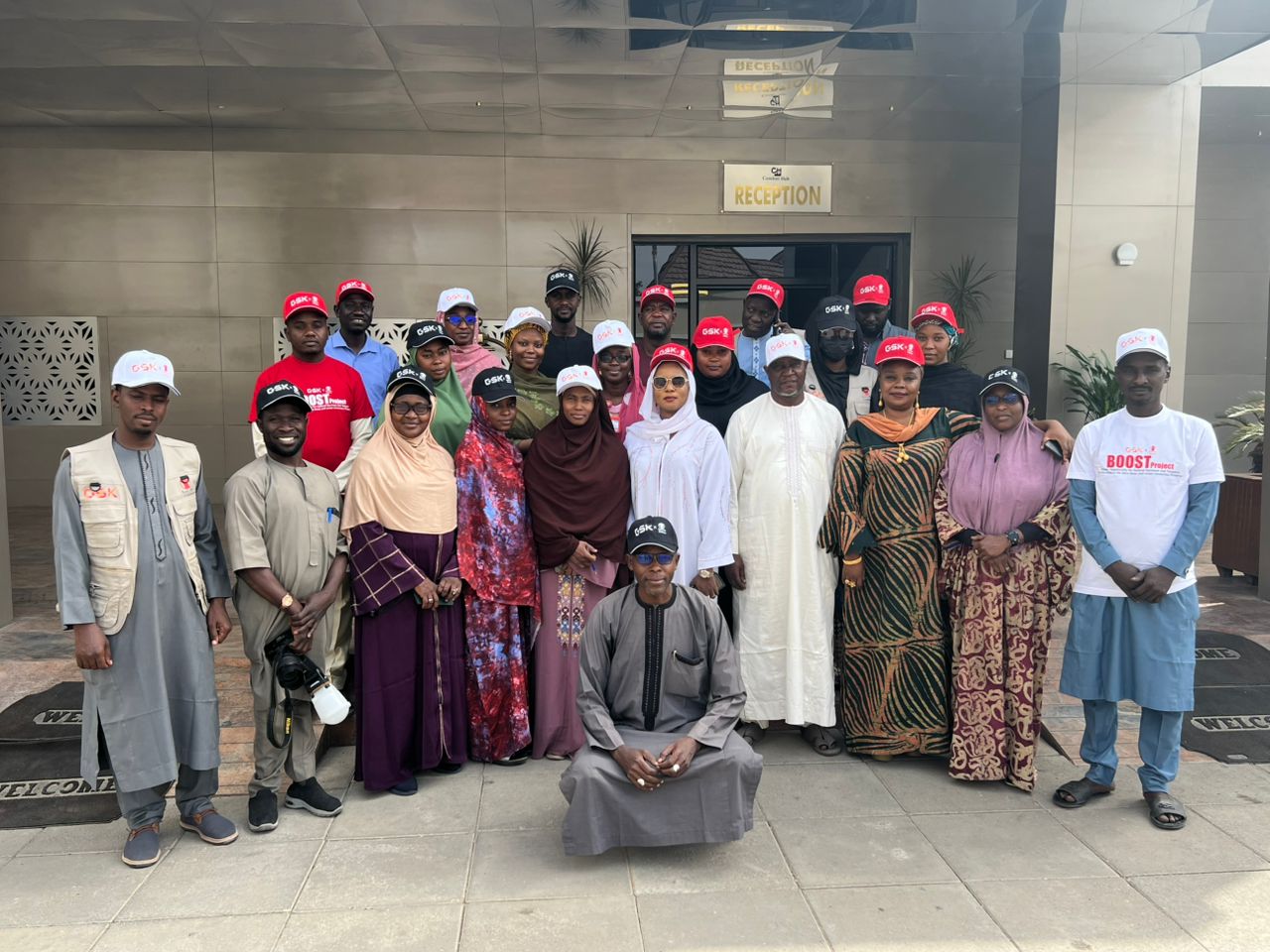
Health stakeholders have called on the Kano State Government to increase funding, strengthen policy frameworks and deepen community engagement to curb vaccine hesitancy and reduce the number of zero-dose children across the state. The call was made at a meeting convened under the Better Opportunities for Optimal Services and Targeted Immunization for Zero-Dose and Under-Immunized Children (BOOST) project. The engagement brought together professional health associations, government officials and development partners to chart practical steps for improving service delivery and rebuilding public trust in routine immunisation. The BOOST project, implemented by Save the Children International with support from GlaxoSmithKline (GSK), is designed to demonstrate effective and scalable strategies for reducing zero-dose and missed vaccinations among children. Full implementation began in January 2024 and will run until December 2027, covering Gezawa and Ungogo Local Government Areas of Kano State. Speaking at the meeting, the BOOST Project Manager and Kano Field Manager for Save the Children, Malam Abdullahi Magama, identified vaccine hesitancy fueled by misconceptions and inadequate information as a major factor responsible for missed routine immunisation. Read Also: VaxSocial Launches Digital Immunization Campaign in Kano ICRC Raises Alarm Over Attacks on Healthcare in Northwest Nigeria Kano Stakeholders Push for Stronger Financing to Tackle Zero-Dose Children He said some parents rely on misleading narratives from uninformed sources, resulting in resistance to vaccination. According to him, the project has intensified community sensitisation and evidence-based advocacy to counter such perceptions. Magama explained that findings from a recent assessment helped identify key drivers of vaccine hesitancy, enabling targeted interventions that have begun to yield measurable results. He added that media organisations, traditional rulers and religious leaders were deliberately engaged due to their strong influence at the grassroots level. While acknowledging progress, he urged the government to be more proactive in funding immunisation programmes, especially amid dwindling donor support. He emphasised the need for clear policies and legal frameworks to strengthen routine immunisation systems and discourage vaccine refusal. Also speaking, the Community of Practice (CoP) Co-Chair, Comrade Salisu Yusuf, gave an update on the 2025 immunisation budget tracking baseline data collection process, which involved planning sessions, stakeholder engagement, data sourcing, analysis, monitoring and feedback. He disclosed that 15 zero-dose Local Government Areas in Kano were identified through a national survey and are currently receiving focused attention. Yusuf noted improvements in fund utilisation compared to previous years but stressed that accountability challenges persist. According to him, accessing reliable data often requires visits to multiple institutions, including the Primary Healthcare Management Board, the Accountant General’s Office, the Ministry of Finance and the Treasury Department, making the tracking process cumbersome. He called on the state government to adhere strictly to established micro-plans developed at facility, local government and zonal levels to ensure effective implementation of annual immunisation work plans. He also advocated expanded outreach services and targeted interventions to bridge existing coverage gaps. In his remarks, the Project Advocacy Officer, Umar Ibrahim, said the programme has recorded significant gains in immunisation coverage and urged the government and partners to sustain the momentum. He stressed the importance of institutionalising mechanisms that will preserve the project’s achievements beyond the lifespan of external funding. Participants reaffirmed their commitment to strengthening transparency, accountability and community engagement to ensure that every eligible child in Kano receives life-saving vaccines. Photo News:

Health, National, News

How JOHESU Suspended Its 84-Day Nationwide Strike After FG Conciliation Talks

Health workers under the Joint Health Sector Unions have suspended their nationwide strike, bringing an end to an industrial action that lasted 84 days and severely disrupted healthcare services across Nigeria. The decision was reached at the end of an expanded emergency meeting of the union’s National Executive Council held in Abuja on Friday, following a conciliation meeting with the Federal Government at the headquarters of the Federal Ministry of Labour and Employment. In a communiqué issued after the meeting, the union said the strike was suspended to allow for the implementation of the agreed terms of settlement reached with the Federal Government. The strike, which began on November 15, 2025, paralysed activities in government-owned hospitals nationwide, leaving patients stranded and forcing many Nigerians to seek medical care from private facilities or alternative sources. The Joint Health Sector Unions represent health professionals working in pharmacies, medical laboratories, and other allied and support departments within public health institutions. According to the union, discussions at the conciliation meeting focused on long-standing grievances, particularly the delayed adjustment of the Consolidated Health Salary Structure, based on the report of a Technical Committee submitted in 2021. Read Also: KASPA Implements Free Healthcare Programme for Vulnerable Kano Residents Arewa Health Promotion Initiative Enrolls 300 Children Back to School, Distributes Learning Materials in Kano Pharmacist Sule Lauds Governor Yusuf Amid DMCSA Achievements As part of the resolutions, it was agreed that ongoing collective bargaining agreement negotiations would comprehensively address identified defects, gaps, and implementation failures between 2009 and 2026. The union added that unresolved issues relating to salary adjustments would form the foundation of the negotiations and would be handled exclusively by its members without delay. The union also disclosed that budgetary provisions for the salary adjustment must be included in the 2026 Appropriation Act, using the existing template provided by the Federal Government’s Technical Committee established by the Ministry of Health in 2021. Other agreements reached include the immediate withdrawal of the “no work, no pay” directive issued during the strike, as well as the prompt payment of January 2026 salaries to affected members. The union further insisted that no member who participated in the strike should face victimisation, sanctions, or intimidation. Following deliberations, the expanded National Executive Council unanimously voted to suspend the indefinite strike to enable the full implementation of the settlement terms. In its conclusion, the union expressed appreciation to prominent Nigerians, labour organisations, professional bodies, and traditional rulers who intervened to help resolve the dispute in the national interest. It also thanked Nigerians for their patience and understanding throughout the period of the strike. The union noted that recurring injustice and a widening trust deficit between health workers and authorities contributed to the prolonged industrial action, expressing hope that governments at both federal and state levels would act responsibly to prevent a recurrence of such disruption in the future.

Health, Kano, News

Pharmacist Sule Lauds Governor Yusuf Amid DMCSA Achievements

Sadiya Abdullahi Yusuf, Kano The Kano State Drugs and Medical Consumable Supply Agency (DMCSA) has recorded significant progress in its operations over the last three months, the agency’s Director-General, Pharmacist Gali Sule, announced. Speaking during a review of the agency’s performance from September to December 2025, Sule said almost all outstanding debts inherited from the previous administration have been settled. “Looking at our records, this is a huge advancement since we came on board. Our current capital now stands at N532 million,” he said. The DG highlighted that the supply of medicines to hospitals across the state has reached 97 percent. “Although the records fluctuate depending on capital availability, our target is to reach 99 percent supply in the near future,” Sule added, noting that the agency aims to ensure medicines remain affordable and accessible to all residents. Sule also disclosed that a state-of-the-art Pharma-Grade Warehouse will soon be commissioned following approval by the Kano State Governor. The facility is expected to boost internal medicine production, with all products fully registered with the Pharmaceutical Council of Nigeria (PCN) and NAFDAC to guarantee safety and authenticity. Read Also: Governor Yusuf Prioritizes Kano, Dismisses 2027 Politics DMCSA Marks Governor Yusuf’s Birthday With Medical Donation to Schools Arewa Health Promotion Initiative Sensitises Kura Communities on Clean Water and Sanitation On funding, Sule expressed hope that the state government would provide additional capital to further strengthen the agency’s activities, promising repayment within a year. Currently, DMCSA supplies medicines and consumables to more than 1,200 primary healthcare centres, 46 secondary hospitals, and several tertiary hospitals at regulated and affordable prices. “Drug access has increased significantly due to the strengthened Drug Revolving Fund system,” he added. Plans are also underway to launch a Public-Private Partnership (PPP) initiative, which will allow private investors to contribute to the agency’s operations. Sule said the PPP aligns with the Federal Government’s agenda to reduce drug imports and boost local medicine production. In addition, a Quality Control Laboratory is under construction and expected to be commissioned in 2026. The laboratory will test all medicines supplied in the state, ensuring substandard products are eliminated. “This will benefit Dangwauro Pharmaceutical Market, removing the need to send medicines to Kaduna for testing,” Sule said. The DMCSA DG concluded by reiterating his full support for His Excellency, Alhaji Abba Kabir Yusuf, praising the governor for his dedication to transforming healthcare in Kano State. “I am fully in support of his vision to ensure Kano prospers,” he stated.

Health, Kano

Kano Govt Probes Woman’s Death Over Alleged Scissors Left After Surgery

  The Kano State Government has ordered an investigation into the death of Aishatu Umar following allegations of medical negligence at the Abubakar Imam Urology Centre in Kano State. The Kano State Hospitals Management Board, in line with the directive, has commenced an immediate and thorough probe into the circumstances surrounding her death, assuring the public that the investigation will be conducted with professionalism and transparency. This was disclosed in a statement signed by the Board’s Public Relations Officer, Samira Suleiman, on behalf of the management under the authority of the Executive Secretary, Dr. Mansur Mudi Nagoda. According to the statement, the Board said it had taken note of the distressing report concerning the late Aishatu Umar and extended its deepest condolences to her family and loved ones. It added that the Executive Secretary had directed an immediate and comprehensive investigation into the alleged incident at the Abubakar Imam Urology Centre to ascertain the facts and circumstances surrounding the matter. Read Also: Kano Family Cries Out After Woman Allegedly Dies with Scissors Left in Her Body Police Nab 25-Year-Old Drug Suspect, Five Others in Kano Kano Power Struggle Heats Up as Yusuf Reappears Without Kwankwaso Allies The Board assured members of the public that the investigation would be conducted with professionalism, transparency and impartiality. “The Board assures the public that the investigation will be transparent, impartial and professional, and appropriate actions will be taken in line with established regulations should any negligence be established,” the statement said. It further emphasised that patient safety remains its utmost priority, noting that the Board is committed to upholding the highest standards of healthcare delivery in Kano State. ‘The Historica Nigeria‘ had earlier reported that a family member of the deceased, Abubakar Mohammed, disclosed the incident in a social media post, alleging that Umar died at about 1 a.m. on Monday after suffering persistent abdominal pain since undergoing surgery at the facility in September 2025. Mohammed, who said the deceased was his sister-in-law, explained that Umar fell ill while living in Kano and was taken to the urology centre for surgical treatment. According to him, shortly after the operation, Umar began to complain of severe abdominal pain, which persisted for several months. “She suffered this pain for four months,” Mohammed said. He alleged that despite repeated visits to the hospital, medical personnel only administered pain relief medication and discharged her without conducting comprehensive medical investigations. Mohammed further claimed that it was only two days before her death that detailed tests and scans were carried out, which allegedly revealed that a pair of scissors had been left inside her body during the September surgery. “Efforts were being made to perform a corrective surgery, but her time had run out,” he said. Describing the incident as gross professional negligence, the family questioned how a surgical instrument could allegedly be left inside a patient’s body. “Is this not pure negligence? How can trained doctors forget scissors inside a patient?” Mohammed asked. He said Umar was survived by her husband and five children, adding that the incident had raised serious concerns about healthcare standards in the state. The family called on the Kano State Government and relevant health regulatory bodies to thoroughly investigate the matter and ensure accountability, insisting that justice must be served.

Health, News

Kano Family Cries Out After Woman Allegedly Dies with Scissors Left in Her Body

A Kano-based family has alleged medical negligence following the death of a woman, Aishatu Umar, who reportedly died after enduring months of severe pain allegedly caused by a pair of scissors left in her body during a surgical procedure at the Abubakar Imam Urology Centre in Kano State. A family member, Abubakar Mohammed, who disclosed the incident in a social media post, said Umar died at about 1 a.m. on Monday after suffering persistent abdominal pain since undergoing surgery at the facility in September 2025. Mohammed, who identified the deceased as his sister-in-law, explained that Umar fell ill while residing in Kano and was taken to the urology centre for surgical treatment. He said shortly after the operation, she began to complain of severe abdominal pain, which persisted for several months. According to him, despite repeated visits to the hospital, medical personnel allegedly administered pain relief drugs and discharged her without conducting comprehensive medical investigations. “She suffered this pain for four months,” Mohammed said. He further alleged that it was only two days before her death that detailed medical tests and scans were carried out, which reportedly revealed that a pair of scissors had been left inside her body during the September surgery. Read Also: Kano Power Struggle Heats Up as Yusuf Reappears Without Kwankwaso Allies NARD Suspends Planned January 12 Strike Arewa Health Promotion Initiative Enrolls 300 Children Back to School, Distributes Learning Materials in Kano Mohammed said arrangements were being made for a corrective surgery to remove the foreign object, but Umar died before the procedure could be carried out. “Efforts were being made to perform a corrective surgery, but her time had run out,” he said. The family described the incident as gross professional negligence, questioning how a surgical instrument could allegedly be left inside a patient’s body. Mohammed said the deceased is survived by her husband and five children, adding that the incident has raised serious concerns about healthcare standards in the state. The family called on the Kano State Government and relevant health regulatory authorities to investigate the matter and ensure accountability. As of the time of filing this report, the management of the Abubakar Imam Urology Centre and Kano State health authorities had yet to issue an official response to the allegation.

Health, National, News

NARD Suspends Planned January 12 Strike

The Nigerian Association of Resident Doctors (NARD) has suspended its plan to commence a nationwide strike earlier scheduled for January 12. The suspension was announced in a statement issued on Sunday by the Secretary-General of the association, Shuaibu Ibrahim. NARD had earlier declared the strike following an update issued after its Emergency National Executive Council (E-NEC) meeting held on January 2, citing unresolved demands with the Federal Government. Read Also: APC Eyes Control of 30 States as Governor Yusuf’s Possible Defection Redraws Kano Politics Former APC National Chairman Ganduje Back in Nigeria After Dubai Vacation Wike to Critics: Only Tinubu Can Sack Me According to the association, the planned industrial action was intended to press home its demands and draw the government’s attention to issues affecting the welfare and working conditions of resident doctors.

Health, Humanitarian, National, News

National Industrial Court Stops Doctors’ Strike Scheduled for January 12

The National Industrial Court in Abuja has temporarily stopped medical doctors across Nigeria from proceeding with their planned nationwide strike, originally scheduled to commence on January 12, 2026. Justice E.D. Subilim delivered the ruling yesterday in an ex parte application brought by the Federal Government of Nigeria. The suit, filed under case number NICN/ABJ/06/2026, lists the Federal Government and the Attorney-General of the Federation as the applicants, while the National Association of Resident Doctors (NARD), NARD President Mohammed Suleiman, and Dr. Shuaibu Ibrahim are the respondents. The planned industrial action by NARD had been threatened last week, citing worsening welfare conditions and systemic neglect that, according to the association, have negatively affected morale and healthcare delivery nationwide. In granting the interim injunction, Justice Subilim restrained the respondents from calling, directing, organizing, participating in, or embarking upon any form of industrial action including strikes, work stoppages, go-slows, picketing, or any other form of protest or disruption. The order also prevents respondents from taking steps preparatory to any form of industrial action from January 12, 2026. Read Also: Abba Yusuf’s Calculated Defection Leaves Old Loyalists Politically Exposed Islamic Month of Rajab Holds Spiritual Significance but No Exclusive Worship, Says Kano Cleric APC Eyes Control of 30 States as Governor Yusuf’s Possible Defection Redraws Kano Politics The court specified that the order will remain in force pending the hearing and determination of the motion on notice, fixed for January 21, 2026. Justice Subilim also directed that the interim order be served on the respondents within seven days and that they are at liberty to apply to the court to discharge or vary the order within the same period. Prior to the court’s ruling, the Association of Resident Doctors at the Federal Medical Centre (FMC), Abuja, had publicly expressed support for the planned nationwide strike. In a statement issued by the FMC executive committee, led by Dr. Awuzie Chinemezu Donald, the doctors cited breaches of agreements, persistent neglect, and poor welfare conditions as reasons necessitating the industrial action, which they tagged TICS 2.0 (Total Indefinite Comprehensive Strike). The statement highlighted key demands, including the reinstatement of five doctors dismissed from the Federal Teaching Hospital, Lokoja, the implementation of outstanding promotions and salary arrears, and the payment of professional allowances with arrears included in the 2026 national budget. It also called for clarification by the Federal Ministry of Health and the Office of the Head of Service on skipping and entry-level issues, the reintroduction of specialist allowances, and the resolution of house officers’ salary delays. The FMC doctors emphasized that the strike was a last resort following the federal government’s failure to honor the Memorandum of Understanding (MoU) previously signed with NARD. They reiterated their commitment to professional dignity and fair labor practices, urging authorities to address the pending issues immediately. The committee stressed that the healthcare system cannot function optimally when its workforce is consistently disrespected, overworked, and subjected to broken agreements.

Health, News

Cervical Cancer Claims One Life Every Two Minutes, UN Says

The United Nations has reiterated that cervical cancer is both preventable and curable if women have proper access to screening, vaccination and timely treatment. In a statement issued on Friday, the UN noted that cervical cancer is the fourth most common cancer among women globally, adding that January is observed annually as Cancer Awareness Month to draw attention to prevention and early detection. Cervical cancer is a reproductive cancer that develops in a woman’s cervix and can spread to other parts of the body if not detected and treated early. According to the World Health Organisation (WHO), an estimated 660,000 women were diagnosed with cervical cancer worldwide in 2022, while about 350,000 died from the disease. UNICEF, the UN children’s agency, warned that the illness claims the life of a woman every two minutes. The UN explained that nearly all cases of cervical cancer are linked to infection with the human papillomavirus (HPV), a highly common virus transmitted through sexual contact. While most HPV infections clear naturally, persistent infection with certain high-risk types can lead to abnormal cell growth and eventually cancer. Read Also: Arewa Health Promotion Initiative Sensitises Kura Communities on Clean Water and Sanitation UN Slashes 2025 Humanitarian Aid Appeal Amid Deepest Funding Cuts on Record 18,000 benefit from Mangal’s free Eye care in Katsina The WHO stressed that cervical cancer remains one of the most successfully treatable forms of cancer when detected early and managed effectively. However, unequal access to prevention, screening and treatment continues to drive higher rates of infection and death in regions such as sub-Saharan Africa, Central America and Southeast Asia. To address the challenge, 194 countries in 2020 launched a global strategy aimed at eliminating cervical cancer. November 17 now marks World Cervical Cancer Elimination Day. The WHO said the strategy outlines three key targets to be achieved by 2030: vaccinating 90 per cent of girls against HPV by age 15; screening 70 per cent of women with high-performance tests by ages 35 and 45; and ensuring that 70 per cent of women diagnosed with cervical disease receive appropriate treatment. The organisation estimated that achieving these targets could prevent 74 million new cases of cervical cancer and avert 62 million deaths globally by the year 2120.

Health, Kano, News

Kano Health Ministry Commences 3-Day Workshop on Review of Essential Medicine List

The Kano State Ministry of Health, through the State Sustainable Health Commodity Supply System Committee (SHCSS-C), has on Saturday commenced a three-day workshop to review Kano State Essential Medicine List (EML) Review. The event, which was organized with support from the Foreign, Commonwealth & Development Office (FCDO) Lafiya Programme, brings together key stakeholders from across the health sector, including, clinicians, pharmacists, public health experts, regulatory agencies, development partners, and civil society organizations. The objective of the meeting, which is taking place at the Pyramid Hotel, Kaduna, is to review and update the Kano State Essential Medicine List to ensure it aligns with current disease burden, treatment guidelines, and global best practices, while responding to the specific health needs of the people of the state. Speaking at the opening ceremony, the Honourable Commissioner for Health Dr. Abubakar Labaran Yusuf highlighted that access to safe, effective, quality, and affordable medicines remains a cornerstone of the state’s healthcare delivery system. He noted that the review of the Essential Medicine List is critical to strengthening rational medicine use, improving procurement efficiency, and enhancing service delivery across all levels of care. “The review process will ensure that Kano State’s Essential Medicine List remains evidence-based, cost-effective, and responsive to emerging health challenges, including non-communicable diseases and public health emergencies,” the Commissioner stated. Dr. Labaran urged the participants to carefully review the essential medicine list with a view to contribute their quota in transforming the health sector in the state. He further expressed appreciation to the FCDO Lafiya Programme and all stakeholders for their collaboration and commitment to improving healthcare outcomes for the people of Kano State. Read Also: DMCSA Reforms Deliver Strong Results as Agency Clears Debts, Boosts Operations In his submission, the Permanent Secretary of the ministry Pharm. Aminu Bashir, who spoke extensively on resilience of supply chain management in Kano State, noted the review of essential medicine list is a first step in the supply chain journey. The Permanent Secretary also spoke in details on how the Kano State Drugs and Medical Consumables Supply Agency (DMCSA) was revived form an inherited moribund status and huge indebtedness, and how the leadership of the Agency, headed by the Director General Pharm. Gali Sule, recorded tremendous achievements. In his welcome address, the Director Pharmaceutical Services at the State Ministry of Health Pharm. Kamilu Mudi Salisu said the meeting is a concerted effort by the ministry to review the essential medicine list. Describing the Kano State Government, under the leadership of Governor Abba Kabir Yusuf, as a proactive, Pharm. Salisu, who is also the Chairman of SSHCSS-C, disclosed that it is mandatory for all states of the federation to review their EML whenever the Federal Ministry of Health did so, hence the reason why the Kano State organized the meeting. He expressed optimism that the EML will be thoroughly evaluated and reviewed due to the composition and expertise of the participants. In their separate goodwill messages, the State Team Leads of UK-FCDO Lafiya Programme Abdulkadir Salisu Kabara and his counterpart of Capacity for Sustainable Development (C4SD) Pharm. Amos Gwazalyen, as well as representatives of the Federal Ministry of Health and the Pharmacy Council of Nigeria have reaffirmed their commitment to supporting Kano State in strengthening health systems, particularly in areas of governance, financing, and access to essential health commodities. They emphasized that an updated Essential Medicine List will support improved planning, budgeting, and availability of life-saving medicines in public health facilities. Over the three days, participants will review existing medicines, assess new therapeutic options, consider national and World Health Organization (WHO) guidelines, and agree on priority medicines for inclusion. The outcomes of the workshop are expected to guide procurement, distribution, and rational use of medicines across Kano State health facilities. Signed: Farouk Isa Musa, PRO, DMCSA

Health, Kano, News

DMCSA Reforms Deliver Strong Results as Agency Clears Debts, Boosts Operations

The Kano State Drugs and Medical Consumables Supply Agency (DMCSA) has increased its working capital to ₦377,033,845 after clearing an inherited debt of ₦102,238,600 between 2023 and 2025. The Director-General of the agency, Pharmacist Gali Sule, disclosed this in an interview with ‘The Historica Nigeria’ as part of the agency’s end-of-year review for 2025. According to him, the debt clearance marks a major milestone, restoring the agency’s credibility and operational efficiency since December 2023. He explained that the DMCSA has almost completed the settlement of outstanding liabilities owed to pharmaceutical companies responsible for supplying essential drugs to Kano State hospitals. “This debt clearance was achieved through the monthly Drug Revolving Fund accountability sessions introduced by the current leadership. These meetings help identify challenges, review progress, and strengthen transparency,” he said. Read Also: Kano Govt Approves N233 Million for Procurement of Laboratory Equipment for DMCSA Nigerian Army Suspends Retirements Amid Nationwide Security Emergency Governor Yusuf Nominated for National Award on Visionary Leadership Pharmacist Sule noted that the strengthened reform process has improved the agency’s reputation among development partners and suppliers. “You see, the negative debt we inherited from the past administration weakened our operations. But through close supervision and collaboration among all key units — including the Drugs Management System, Procurement, and Financial Operations — we were able to recover and settle over ₦1 billion in old debts,” he added. He commended Governor Abba Kabir Yusuf’s administration for its tireless support, revealing that the state government now releases ₦40 million daily to support hospitals across Kano, compared to ₦10 million previously. “This increase covers the free Maternal, Newborn and Child Health (MNCH) programme as well as drug supplies to correctional centres in the state,” he stated. The DG further announced that the agency has expanded its logistics capacity with new vehicles to enhance drug distribution across zonal stores and health facilities. “Before now, we relied on commercial logistics, which sometimes diverted drugs to locations outside our knowledge,” he revealed. He explained that the agency currently supplies medicines and consumables to more than 1,200 primary healthcare centres, 46 secondary hospitals, and several tertiary hospitals in Kano State — all at affordable and regulated prices. “Drug access in these facilities is now assured and has increased significantly due to the strengthened Drug Revolving Fund system,” he added. Pharmacist Sule also disclosed that the state-of-the-art Pharma Grade Warehouse will be commissioned in January 2026 as part of the agency’s achievements from 2023 to date. He confirmed that medicines produced internally by the agency are fully registered by the Pharmaceutical Council of Nigeria (PCN) and NAFDAC, ensuring their safety and authenticity. “These products are genuine, certified, and we will soon begin supplying them to private health centres across the state,” he said. He assured agency staff that their welfare remains a top priority, describing them as the backbone of DMCSA’s operations. “We will continue ensuring that affordable, genuine medicines remain available in all public health centres without interruption,” he affirmed. Established in 2009 through an act of the Kano State House of Assembly, the DMCSA supervises the procurement and distribution of drugs and medical consumables to government-owned health facilities across the state. Pharmacist Gali Sule, who has led the agency since 2023, attributed the agency’s successes to the consistent support of Governor Abba Kabir Yusuf’s administration.

Scroll to Top