Feature
2027: Ganduje and APC heavyweights prepare for a defining political contest

By Umar Idris Shuaibu, Kano
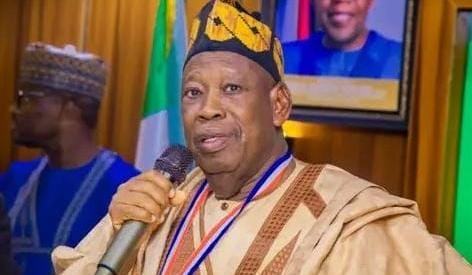
Kano politics is entering another defining phase, with the All Progressives Congress (APC) assembling influential political figures, experienced administrators and grassroots mobilisers ahead of the 2027 general election. At the centre of this evolving political equation stands Dr Abdullahi Umar Ganduje, a former two-term governor whose political journey has extended from Kano’s Government House to the national leadership of the ruling party.
The emerging alignment brings together President Bola Ahmed Tinubu, Kano State Governor Abba Kabir Yusuf, Deputy Governor Murtala Sule Garo, former governors Ganduje and Ibrahim Shekarau, Deputy Senate President Barau Jibrin, Senators Kawu Sumaila and Rufa’i Hanga, alongside other prominent political stakeholders.
The significance of this gathering of political experience extends beyond individual personalities. It raises important questions about how the APC intends to coordinate its structures, manage competing interests and consolidate its position in Kano ahead of a potentially consequential electoral contest.
For Ganduje, the moment provides another opportunity to draw on decades of political experience, established relationships and knowledge of Kano’s complex political landscape.
Ganduje: From Kano’s political centre to national leadership
Ganduje’s political career has been defined by years of participation in public administration, party organisation and electoral politics.
His two terms as governor of Kano State, from 2015 to 2023, placed him at the centre of governance in one of Northern Nigeria’s most politically significant states. His subsequent emergence as APC National Chairman elevated him to a position from which he engaged with political leaders and party structures across the federation.
Read Also:
PDP defunct: Ganduje revisits Nigeria’s political history
Ganduje bags excellence award, warns Nigerians against turning diversity into liability
Ganduje’s aviation vision: Turning global lessons into modern Nigerian airports
That experience gives Ganduje a distinctive place in the party’s political calculations. He understands the demands of governing Kano, the complexities of managing political relationships and the importance of maintaining communication between national leaders and grassroots structures.
Although he left the national chairmanship in 2025, his political experience remains relevant to discussions about the APC’s future in Kano.
His continuing participation in party affairs demonstrates how former officeholders can remain involved in political organisation and consultation after leaving formal positions of authority.
However, the value of that experience will depend on how effectively it can be applied to the party’s current challenges.
An assembly of political heavyweights
The emerging APC alignment in Kano brings together figures with different political backgrounds, constituencies and experiences.
President Tinubu represents the party’s national leadership and its presidential ambitions. Ganduje brings the experience of former state leadership and national party administration, while Deputy Governor Murtala Sule Garo occupies an important position within Kano’s current political structure.
Former governor Ibrahim Shekarau adds another dimension through his own political experience and established relationships. Deputy Senate President Barau Jibrin and Senators Kawu Sumaila and Rufa’i Hanga also bring legislative experience and connections to different political constituencies.
The presence of these figures creates opportunities for broader consultation and coordination within the APC.
Yet, assembling influential politicians is only the beginning. Sustaining cooperation among leaders with different interests requires negotiation, discipline and a shared understanding of the party’s objectives.
The real challenge is to transform individual influence into an organised political structure capable of maintaining cohesion across the state’s 44 local government areas.
Why Ganduje’s experience matters
Ganduje’s relevance to Kano’s political future lies not merely in the offices he has held but also in his familiarity with the relationships that shape the state’s political environment.
As a former governor, he has experience dealing with the competing demands of government, party structures and political stakeholders. As a former national chairman, he operated within a wider network of political interests extending beyond Kano.
These experiences can contribute to consultations, conflict management and coordination among party leaders.
In a political environment where alliances can change and competing interests can create internal tensions, experienced figures can help maintain communication and facilitate negotiations.
Nevertheless, political experience should not be confused with guaranteed influence over voters. Kano’s electorate comprises diverse communities and interests, and electoral outcomes depend on multiple factors, including candidates, public confidence, governance and the issues affecting citizens.
Ganduje’s contribution will therefore be measured by the extent to which his experience helps strengthen party organisation, encourage cooperation and support meaningful engagement with the electorate.
Grassroots organisation: Where political strength is tested
Kano’s political landscape cannot be understood through prominent personalities alone. Ward structures, local government networks, community associations, youth groups, professional organisations and other grassroots formations remain important components of political mobilisation.
For the APC, the task is to ensure that its established political leadership is supported by an effective organisational structure across the state.
This requires regular engagement with party members, clear communication, coordination among local leaders and mechanisms for addressing grievances before they develop into wider divisions.
Ganduje’s experience in Kano politics may provide useful insight into these processes. However, effective mobilisation also requires the active participation of younger political actors and community organisers who understand local concerns and changing public expectations.
A campaign structure that relies exclusively on prominent names risks overlooking the everyday issues that shape political attitudes at the grassroots.
The party’s challenge is to connect its leadership network with a practical, accessible and responsive structure that reaches communities throughout Kano.
Tinubu, Abba and Garo: The wider political equation
The relationship between national political ambitions and Kano’s evolving political dynamics adds another dimension to the 2027 calculations.
Tinubu’s re-election bid gives the APC a national objective around which its supporters can organise. In Kano, the positions of Governor Abba Kabir Yusuf and Deputy Governor Murtala Sule Garo form part of a broader political landscape involving established leaders, party loyalists and competing interests.
Ganduje’s place in this equation is particularly significant because of his experience at both state and national levels.
His political journey connects Kano’s local calculations with the wider organisation of the APC, creating opportunities for dialogue between different levels of party leadership.
However, the effectiveness of such relationships depends on the extent to which political actors can reconcile their interests and agree on common priorities.
The 2027 contest will require more than the appearance of unity at public gatherings. It will demand sustained coordination, credible candidates, effective communication and a clear understanding of the issues that matter to Kano residents.
Governance and public expectations
Political alliances can strengthen party organisation, but they cannot substitute for the responsibilities of governance.
Security, employment, education, healthcare, infrastructure and the cost of living remain important considerations for citizens across Kano State.
The APC’s political prospects will therefore be influenced not only by the strength of its leadership network but also by public assessments of government performance at state and federal levels.
For Tinubu, the challenge includes demonstrating progress on national economic and development priorities. For political stakeholders in Kano, it also involves engaging communities on local concerns and communicating how government policies affect their livelihoods.
Ganduje and other experienced party figures can contribute to these conversations by drawing on their knowledge of the state’s political and administrative environment.
Their credibility, however, will depend partly on the substance of their engagement and their responsiveness to the concerns of citizens.
2027
As preparations for the 2027 general election gather momentum, Kano is becoming an increasingly important arena for political organisation and alliance-building.
The APC’s emerging alignment brings together former governors, serving officials, legislators and party stakeholders whose combined experience offers opportunities for coordination.
Ganduje remains one of the prominent figures within this network, having occupied influential positions in Kano’s government and the party’s national leadership.
His experience provides institutional knowledge and political connections that may prove useful as the APC navigates the challenges ahead.
Yet, the ultimate test will be whether the party can translate those advantages into internal cohesion, sustained grassroots engagement and a credible response to public expectations.
Kano’s political contest will not be determined by the number of prominent names assembled under one platform alone. It will also reflect the quality of party organisation, the strength of candidates, the performance of government and the choices made by voters.
For Ganduje, the coming period offers an opportunity to demonstrate the continuing relevance of his political experience. For the APC, it presents a challenge to turn its network of influential figures into a coherent and responsive political organisation.
Also, Ganduje’s role in Kano’s political calculations will remain an important part of the wider contest over the state’s political future as the general elections is coming nearer.

Kano Civil Service: Govt moves to address manpower gaps through recruitment
2027: Ganduje and APC heavyweights prepare for a defining political contest

Insecurity: Gunmen kill Islamic cleric, visitor in Dutsin-Ma

Every Kano State Lawmaker Should Support Governor Abba Kabir Yusuf, Regardless of Party Affiliation – Dr. Baffa Babba Dan’agundi

Nigeria records no cases after patient’s evacuation to Switzerland – WHO
ABCOAD Unveils Journal, Bids Farewell to Provost

Nigerian Army Begins DSSC 29/2026 Recruitment, Outlines Eligibility Criteria
2027: NDC Releases Full List of Consensus Candidates in Kano

Gaya Polytechnic Opens Recruitment, Advertises 46 Academic, Non-Academic Positions