
Health
Nigeria records no cases after patient’s evacuation to Switzerland – WHO

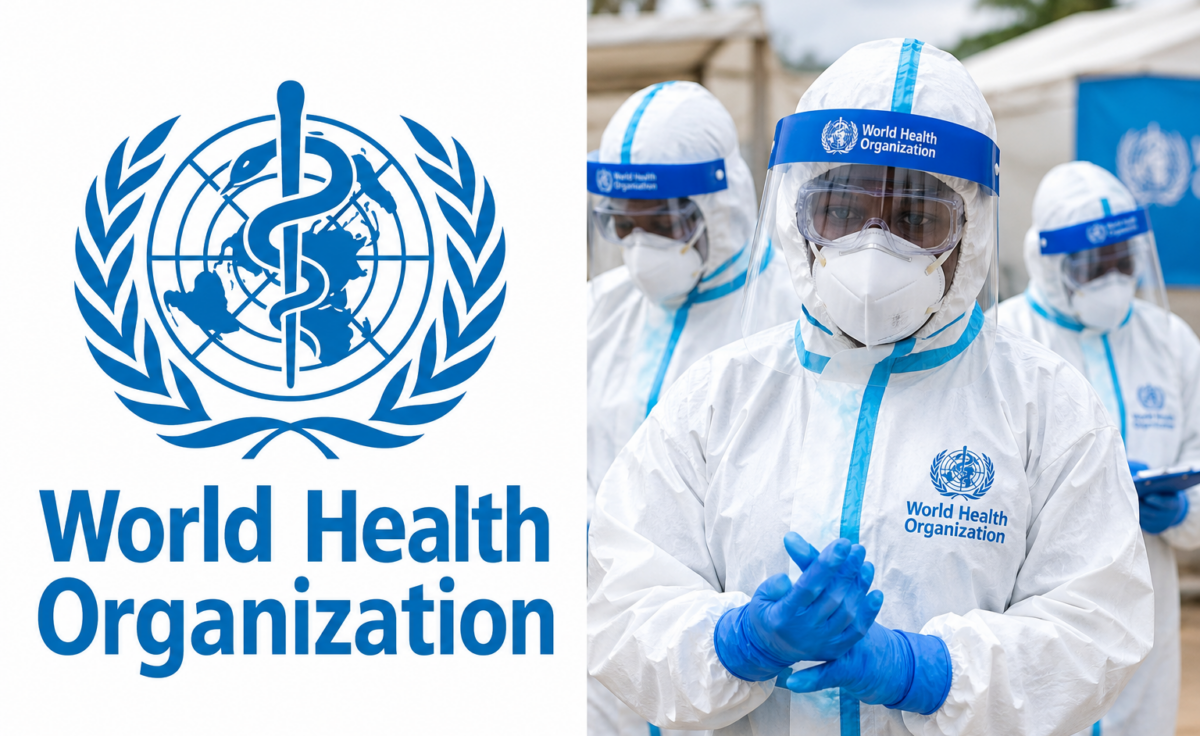
The World Health Organisation (WHO) has confirmed that Nigeria currently has no Ebola cases following the evacuation of the index patient and her husband, both Swiss citizens, to Switzerland for further medical care and follow-up.
Mohamed Janabi, WHO Regional Director for Africa, disclosed this on Monday in a post on his X handle, noting that the patient was clinically stable after Nigerian medical personnel successfully managed her through the acute phase of the illness.
“The patient is clinically stable. The Nigerian medical team successfully managed her through the acute phase of the illness and stabilised her condition,” Janabi said.
He explained that Nigeria would continue monitoring 52 contacts, while Switzerland would assume responsibility for the patient’s continued medical management and the follow-up of her husband, identified as contact number 53.
Read Also:
Kano Poly MFB: A bank closed, an investigation launched, but where are the answers?
Janabi, however, stressed the importance of maintaining vigilance despite the absence of cases in Nigeria.
He commended the Nigerian government, health workers, clinicians and emergency responders involved in managing the case.
Earlier on Monday, the index patient, a 42-year-old woman diagnosed with the Bundibugyo strain of Ebola virus disease, was evacuated to Switzerland for further treatment.
The woman was airlifted aboard a medical aircraft at about 6 a.m. from the Nnamdi Azikiwe International Airport in Abuja.
The Coordinating Minister of Health and Social Welfare, Ali Pate, confirmed the evacuation in a post on his X handle, saying he had approved the patient’s departure.
“I confirm that, with my approval, earlier this morning, the index case for Nigeria’s first imported Ebola virus disease departed Abuja for Switzerland,” Pate said.
He also disclosed that the patient’s husband remained asymptomatic.
The continued monitoring of contacts is part of efforts to prevent further transmission and maintain surveillance following the imported case.
(The Cable)

Nigeria records no cases after patient’s evacuation to Switzerland – WHO

Kano Assembly Clears Six Commissioner Nominees for Executive Council

Kogi Police investigate as two officers die in fatal shooting at Ajaokuta

EFCC opens recruitment for graduates, ND holders, SSCE candidates

Kano Poly MFB: A bank closed, an investigation launched, but where are the answers?
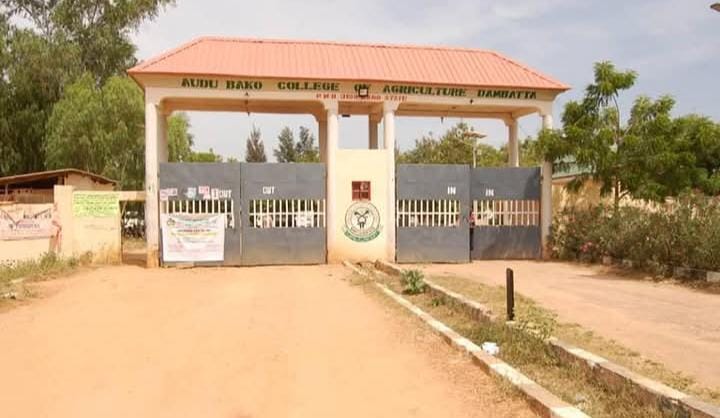
ABCOAD Unveils Journal, Bids Farewell to Provost

Nigerian Army Begins DSSC 29/2026 Recruitment, Outlines Eligibility Criteria

2027: NDC Releases Full List of Consensus Candidates in Kano

Gaya Polytechnic Opens Recruitment, Advertises 46 Academic, Non-Academic Positions