Humanitarian
MHWUN backs efforts to reduce zero-dose children in Kano

The Medical and Health Workers Union of Nigeria (MHWUN), Kano State Council, has reaffirmed its commitment to supporting efforts to reduce the number of zero-dose and under-immunised children across the state.
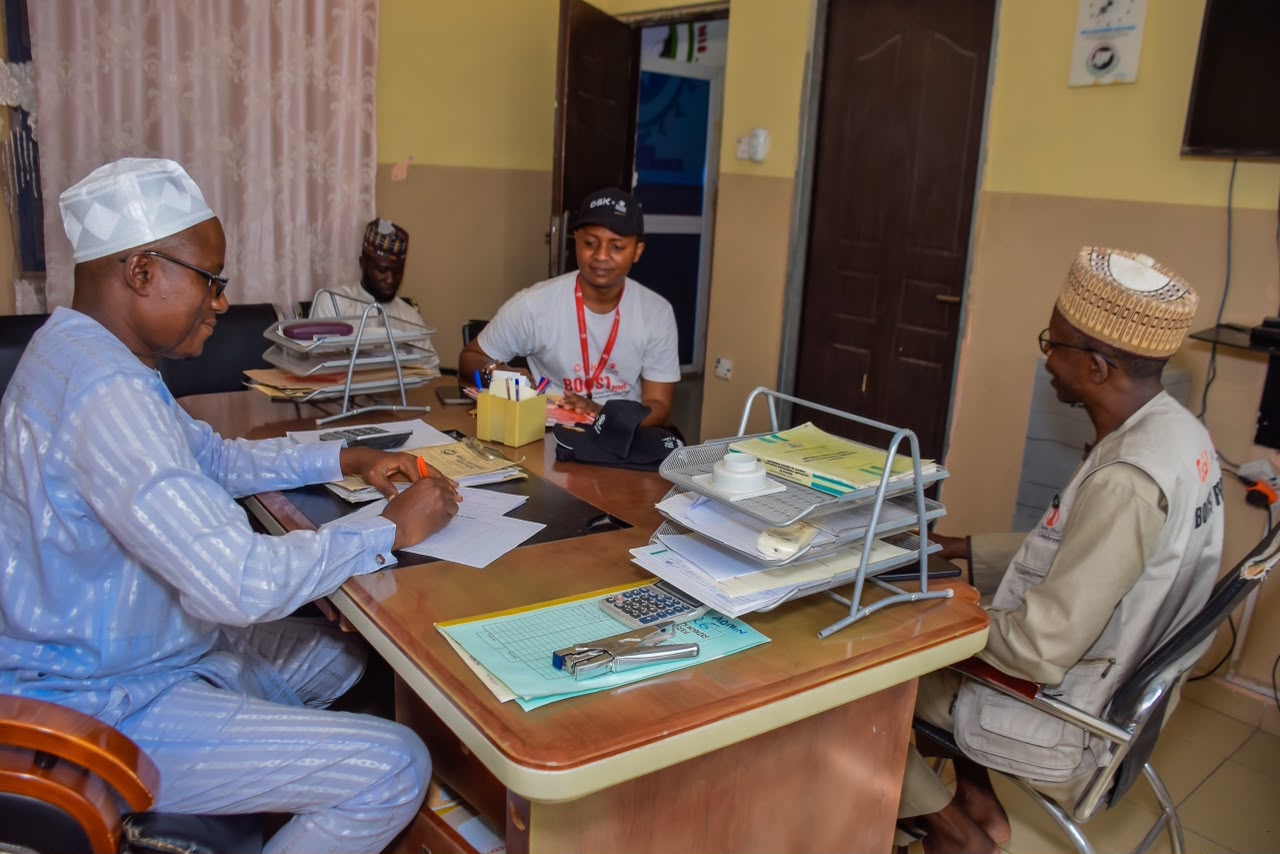
The union made the commitment during a follow-up advocacy visit by the BOOST Project and the Kano State Community of Practice on Immunisation, Budget Tracking, Advocacy and Accountability (KN-CoP) on Tuesday.
The engagement, organised by the BOOST Project, implemented by Save the Children International with funding from GSK, in collaboration with KN-CoP, was aimed at reviewing commitments made by the union during the 2026 World Immunisation Day commemoration and strengthening collaboration on routine immunisation and child health.
The delegation was led by the BOOST Project Policy and Advocacy Officer alongside the Chairman of KN-CoP, while the MHWUN team was led by its Kano State Secretary, Comrade J. A. Umar.
Read Also:
‘Leadership must touch lives’: Kano Imam tasks leaders, lawmakers on campaign promises
Kano raises concern over delayed release of approved funds as 2026 nears end
Mariya Bunkure calls for greater investment in women’s economic empowerment
During the meeting, stakeholders reviewed progress on the union’s earlier commitment to sensitise health workers on the importance of maintaining positive relationships with caregivers and clients at health facilities.
The commitment is aimed at building trust in healthcare services, encouraging caregivers to access routine immunisation for their children and improving health outcomes across communities.
Speaking during the engagement, the union leadership highlighted continuous sensitisation and training of health workers on professionalism, patient relations and quality healthcare delivery as measures to improve service delivery.
The union also disclosed that it had been advocating increased deployment of newly recruited health workers to Primary Healthcare (PHC) facilities, where staffing shortages remain a major challenge.
According to the union, strengthening staffing levels at PHCs would help reduce excessive workloads and overcrowding while improving service quality and interactions between health workers and patients.
It also called for improved working conditions, facility upgrades and enhanced welfare packages, including hazard allowances for health personnel.
Umar commended the Kano State Government for the recent recruitment of more than 2,000 health workers and ongoing investments in health facility renovations and workforce welfare.
He said the interventions would strengthen primary healthcare services and contribute to reducing the number of zero-dose and under-immunised children across the state.
He further reiterated the need for increased staffing at PHC facilities, describing them as the first point of contact for many residents seeking healthcare.
According to him, adequate staffing at the grassroots level would help ease pressure on secondary healthcare facilities and improve access to quality healthcare services.
The engagement also addressed inclusivity in healthcare delivery, with a member of KN-CoP, Dahiru Aftahana, calling for greater attention to the needs of people living with disabilities.
Aftahana highlighted challenges faced by people with hearing impairments and urged health facilities and relevant institutions to adopt measures that would make healthcare services more accessible to people with disabilities.
The BOOST Project team commended MHWUN for its continued advocacy and support for health sector improvements, noting the critical role of health workers in delivering lifesaving services to children, women and vulnerable populations.
The team also presented advocacy briefs highlighting key findings and recommendations for addressing the persistent challenge of zero-dose and under-immunised children in Kano and sought the union’s support in advancing the proposed solutions.
The meeting ended with both parties renewing their commitment to sustained collaboration towards improving routine immunisation, promoting equitable access to quality healthcare and ensuring that children across Kano State have access to lifesaving vaccines and essential health services.

FG Announces 30-day petrol discount, gives priority to public transporters

MHWUN backs efforts to reduce zero-dose children in Kano

Kano emirate dispute: Abba, Bayero’s senior counsellor meet in Abuja

Gaya Poly gets permanent site C of O, moves closer to full take-off

Horse ride: Kano CP commends emir Bayero for respecting security directives
ABCOAD Unveils Journal, Bids Farewell to Provost

Nigerian Army Begins DSSC 29/2026 Recruitment, Outlines Eligibility Criteria

2027: NDC Releases Full List of Consensus Candidates in Kano

Gaya Polytechnic Opens Recruitment, Advertises 46 Academic, Non-Academic Positions