
Humanitarian
BOOST Project Backs Mentorship, Data Review to Improve Immunisation Coverage

By Umar Idris Shuaibu
Health officials and immunisation stakeholders in Kano State have called for stronger facility-level mentorship, better data management and sustained collaboration to reach more zero-dose and under-immunised children through routine vaccination.
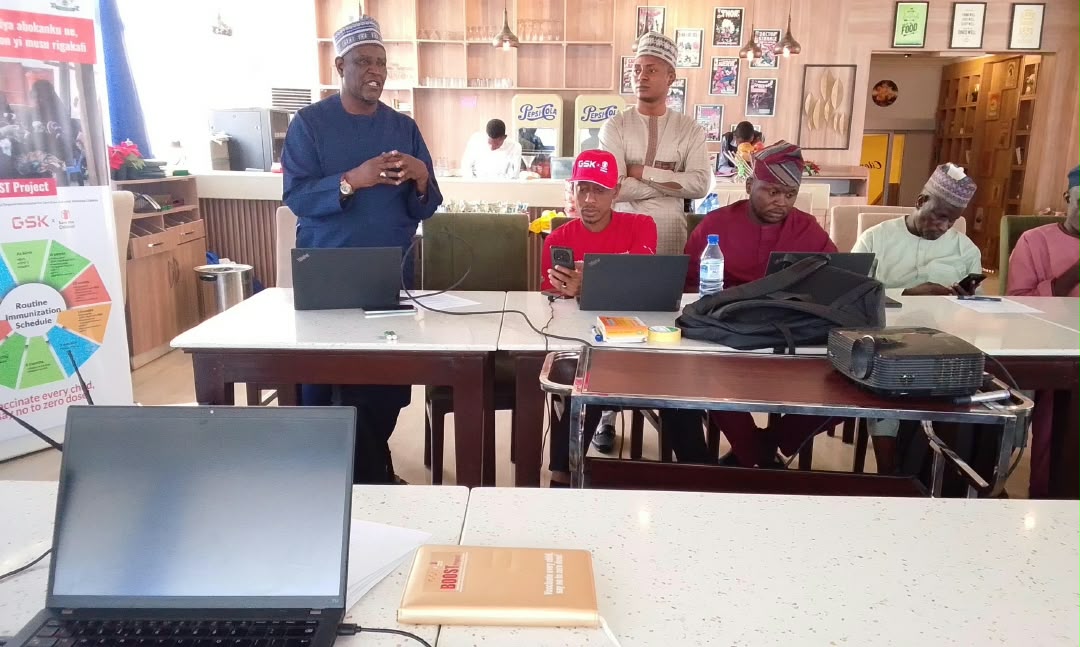
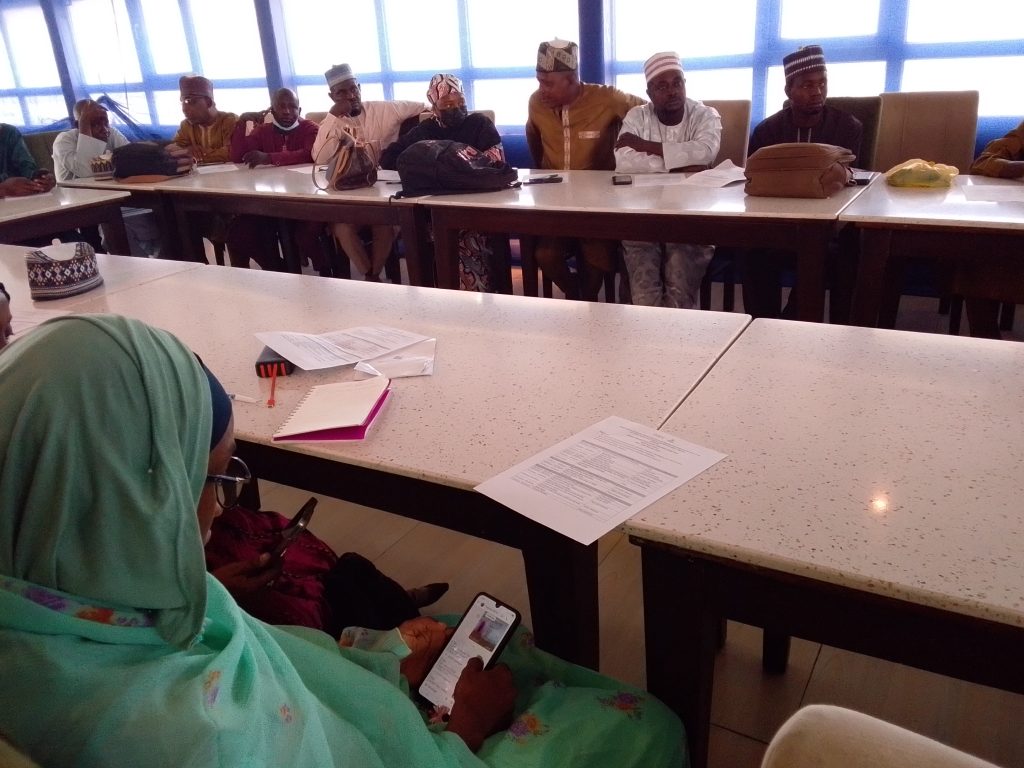
The call was made during a feedback meeting with immunisation officers and other stakeholders from Ungoggo Local Government Area, where participants reviewed the BOOST Project’s progress, examined implementation challenges and discussed measures to strengthen service delivery.
Implemented by Save the Children International with funding support from GSK, the Better Opportunities for Optimal Services and Targeted Immunisation for Zero-Dose and Under-Immunised Children (BOOST) Project operates in Gezawa and Ungoggo local government areas, supporting existing government health structures to reduce the number of zero-dose and under-immunised children.
Speaking at the meeting, Dr Bukar Abubakar, Child Health and Immunisation Specialist for the BOOST Project in Kano, said a comparison with the baseline assessment conducted at the start of the intervention showed progress across the project’s thematic areas.
He explained that the feedback meeting was organised to assess performance, recognise the efforts of health workers and implementers, and identify challenges requiring collective solutions.
Read Also:
Zero-Dose Children: BOOST Project, Gezawa Stakeholders Move to Close Immunisation Gaps
Arewa Health Promotion Initiative, Kano WASH Forum Move to Establish School Health Clubs
KANOPOLY’s Leadership Puzzle: New Registrar Appointed, Former One Returns
Abubakar said the project provides technical support to government health structures rather than operating a parallel system, stressing that its interventions are designed to strengthen routine immunisation services.
He urged immunisation officers and other stakeholders to remain committed to their responsibilities, while appreciating the Kano State Government for providing an enabling environment for the project’s implementation.
Also speaking, Lawan Jafar, Head of Routine Immunisation in Kano State and PM SERICC, described the meeting as timely and informative, noting that it provided an opportunity for stakeholders to review performance data from Gezawa and Ungoggo over the preceding three months.
He said the review highlighted areas where the project’s interventions were yielding results, alongside outstanding challenges for which participants had proposed solutions. He expressed optimism that the efforts would lead to better coverage and help health workers reach more children, particularly those who have not received any routine vaccine.
Jafar identified the project’s mentorship approach as one of the interventions supporting service delivery. He explained that experienced mentors visit health facilities to provide practical guidance to service providers instead of relying solely on repeated classroom training.
According to him, the approach strengthens the relationship between mentors and mentees while equipping health workers with practical skills to perform their duties effectively.
He urged immunisation officers to make effective use of the technical and financial support available through the project, describing the intervention as a valuable contribution to the state’s child health efforts.
In his remarks, the Chairman of the Kano Community of Practice on Immunisation and Accountability (KN-CoP), Salisu Yusuf, called for sustained efforts to protect the gains recorded through immunisation interventions.
Yusuf said feedback meetings were essential for reviewing achievements, identifying unresolved challenges and determining successful approaches that could be expanded to other communities.
He warned against losing the benefits of development interventions after partners conclude their programmes, stressing the need for government and other stakeholders to sustain effective initiatives.
Yusuf also called for the expansion of successful approaches to other parts of Kano, noting that 15 local government areas in the state had been identified as facing zero-dose challenges.
He urged development partners and health organisations to coordinate their activities to avoid duplication and ensure that interventions reach more underserved communities.
The meeting underscored the importance of effective data management, facility-level mentorship, community engagement and sustained collaboration between government health authorities and development partners in ensuring that more children receive essential immunization.

BOOST Project Backs Mentorship, Data Review to Improve Immunisation Coverage

INEC clears Pantami, Gwarzo but leaves final verdict to courts

Arewa Health Promotion Initiative, Kano WASH Forum Move to Establish School Health Clubs

FG approves N45bn biosecurity system for five international airports

KANOPOLY’s Leadership Puzzle: New Registrar Appointed, Former One Returns
ABCOAD Unveils Journal, Bids Farewell to Provost

Nigerian Army Begins DSSC 29/2026 Recruitment, Outlines Eligibility Criteria

2027: NDC Releases Full List of Consensus Candidates in Kano

Gaya Polytechnic Opens Recruitment, Advertises 46 Academic, Non-Academic Positions

Gaya Polytechnic to Begin with Four Courses as Committee Eyes Year-End Take-Off
-
 Feature2 days ago
KANOPOLY: How a medically incapacitated Rector heads a Polytechnic with over 45 PhD holders
-

 Feature5 days ago
Kano Poly MFB: A bank closed, an investigation launched, but where are the answers?
-

 Education3 days ago
Mass Education: Kano expands learning centres to over 300, introduces new skills