Education
Mass Education: Kano expands learning centres to over 300, introduces new skills

The Kano State Agency for Mass Education has highlighted its expansion of learning centres to more than 300, the equipping of 360 centres through a partnership with UNICEF, and the introduction of vocational training programmes as evidence of its efforts to widen access to education and skills acquisition across the state.
The interventions provide a picture of ongoing activities within the agency, following a statement by the Kwankwasiyya Movement questioning the implementation of its capital budget and demanding explanations from Governor Abba Kabir Yusuf over reported zero capital expenditure between January and June 2026.
In a press release dated 26 October 2026, the movement cited an investigative report by an online newspaper, which reported that the agency had a capital allocation of ₦1.4 billion for 2026 but recorded no capital expenditure during the first half of the year.
The movement also questioned the reported release of only ₦37 million from the agency’s ₦716 million capital allocation in 2025, demanding a detailed account of government spending and the achievements recorded since the declaration of a state of emergency in education in June 2024.
Read Also:
Gaya Polytechnic: Kurawa leads push to meet 2026 take-off target
Kano Mass Education Agency Trains 44 LGA Coordinators To Transform Adult Learning
CITAD Distributes School Materials to Nomadic Pupils in Kano, Urges Increased Govt Intervention
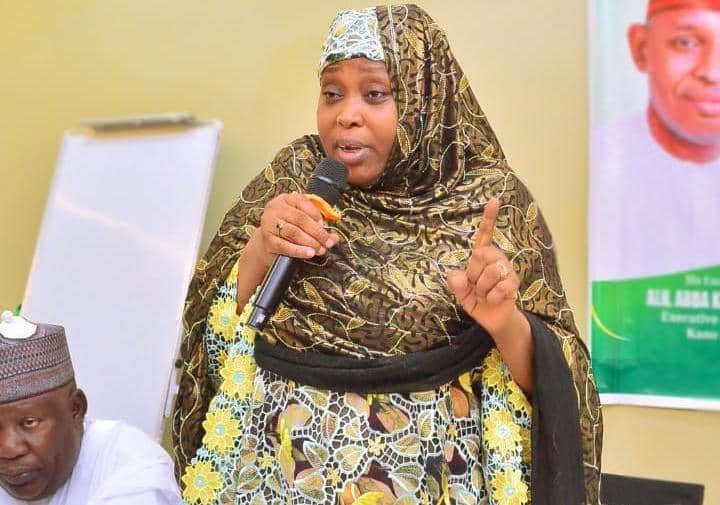
However, the Executive Secretary of the Agency for Mass Education, Dr. Binta, has outlined a range of programmes involving vocational training, the provision of learning materials, the expansion of educational facilities and the integration of information and communication technology into mass education.
Her account highlights activities that are relevant to assessing the agency’s performance, although the specific budget-execution figures cited by the movement require a separate, documented response from the government.
Over 300 Centers: Major expansion of mass education
According to Dr. Binta, the agency has expanded its functional learning and vocational training centres from approximately 63 to more than 300 across Kano State.
She also disclosed that 360 learning centres had been launched and equipped through a partnership with the United Nations Children’s Fund (UNICEF), with a state government-approved intervention fund of ₦95 million used to procure equipment, tools and other learning materials.
The figures, if independently verified, indicate a substantial expansion of facilities intended to provide educational opportunities to people who may otherwise be excluded from the formal school system.
The development offers an important dimension to the debate over mass education, which extends beyond conventional classrooms to include adult literacy, vocational skills and alternative learning opportunities for out-of-school children and other vulnerable groups.
While the Kwankwasiyya Movement has called for evidence of measurable achievements, the agency’s reported expansion of learning facilities and vocational programmes provides specific areas against which its performance can be assessed.
₦90m tailoring initiative, solar training
Dr. Binta said the agency had introduced large-scale thread production and distribution, alongside the provision of tailoring materials and other essential supplies to support vocational training.
She disclosed that approximately ₦90 million had been invested in tailoring materials, thread supplies and CCTV installations at learning centres.
According to her, the initiative has enabled centres to distribute materials and train young people in tailoring and related skills.
The agency has also introduced solar installation training in response to growing demand for renewable energy skills among households, businesses and institutions.
Other programmes include cosmetology and makeup production, with starter kits provided to support women in communities such as Tudun Wada area.
The agency has equally equipped culinary and baking training centres with modern tools, including industrial ovens, mixers, refrigerators and gas cookers.
These programmes are intended to equip beneficiaries with practical skills that can support self-employment and economic participation.
The reported interventions therefore present a broader picture of the agency’s activities than one based solely on the figures cited in the movement’s statement. Nevertheless, the funding sources, procurement records and dates of implementation would be needed to establish how the individual programmes relate to the agency’s 2025 and 2026 capital budgets.
Out-of-school learners as the main target of the intervention
The Executive Secretary also highlighted initiatives targeting out-of-school children and other residents who require alternative educational opportunities.
She recalled that earlier assessments had placed the number of out-of-school children and other excluded learners in Kano at between one million and two million.
She said subsequent targeted household assessments had recorded substantially lower figures in some intervention areas.
However, the exact geographical coverage, assessment methodology and comparable baseline figures were not provided in the interview transcript, making it necessary to obtain the underlying data before determining the scale of the reported reduction.
Dr. Binta further disclosed that more than ₦80 million had been secured through ESSPIN/Intellect support to establish and operate learning centres targeting out-of-school populations.
The interventions underscore the role of mass education in reaching people who may not have access to conventional schooling, particularly through literacy programmes and flexible learning arrangements.
ICT centers and digital examinations
The agency has also prioritised digital literacy, with Dr. Binta reporting that ICT facilities had been introduced in nearly all major learning centres.
She said plans were underway to transition towards computer-based testing, paperless learning and digital examinations.
The initiative is intended to modernise educational delivery and improve learners’ access to digital skills.
The agency also conducts regular capacity-building workshops for Area Education Officers, directors and instructors across the state’s 44 local government areas.
According to the Executive Secretary, government support has extended to staff welfare, monitoring allowances and operational funding to facilitate programme implementation.

Mass Education: Kano expands learning centres to over 300, introduces new skills

Kano Civil Service: Govt moves to address manpower gaps through recruitment
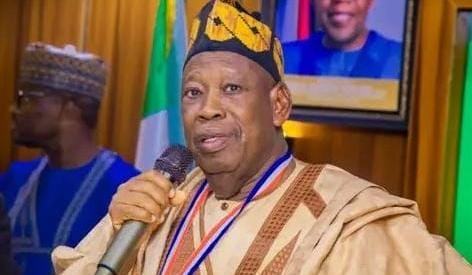
2027: Ganduje and APC heavyweights prepare for a defining political contest

Insecurity: Gunmen kill Islamic cleric, visitor in Dutsin-Ma

Every Kano State Lawmaker Should Support Governor Abba Kabir Yusuf, Regardless of Party Affiliation – Dr. Baffa Babba Dan’agundi
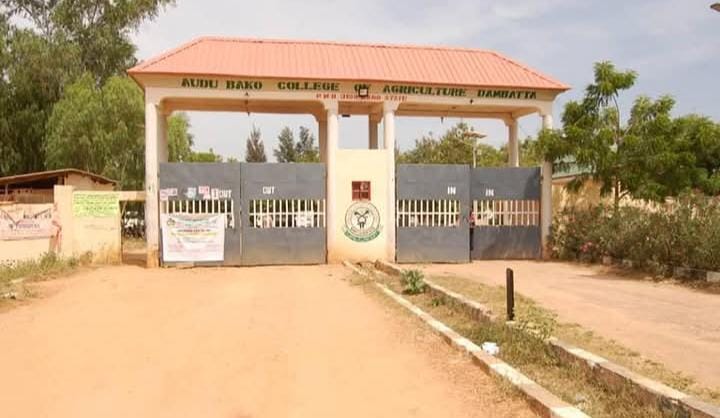
ABCOAD Unveils Journal, Bids Farewell to Provost

Nigerian Army Begins DSSC 29/2026 Recruitment, Outlines Eligibility Criteria
2027: NDC Releases Full List of Consensus Candidates in Kano

Gaya Polytechnic Opens Recruitment, Advertises 46 Academic, Non-Academic Positions