The Historica Nigeria

Education

Education, Kano, News

CITAD Distributes School Materials to Nomadic Pupils in Kano, Urges Increased Govt Intervention

By Umar Idris Shuaibu The Centre for Information Technology and Development (CITAD), has distributed school uniforms and writing materials to pupils of Kamanda Ruga Settlement Nomadic Primary School in Dansoshiya, Kiru Local Government Area of Kano State. The Executive Director of CITAD, Yunusa Zakari Ya’u, described the intervention as timely, noting that nomadic schools particularly those serving Fulani communities have suffered prolonged neglect from policymakers and government authorities. He stressed the urgent need to prioritise education in such communities, pointing out that many children are being denied their fundamental right to access quality education. “It is imperative to address the neglect faced by nomadic schools, as many children within these communities deserve equal access to education,” he said. Read Also: Beyond the Headlines: The Untold Truth behind Nigeria’s Herders-Farmers Clashes Lere: A Historic Fulani Settlement and Cultural Crossroads in Kaduna Why Gobirawa’s Centuries-Old Agrarian Life is at Risk in Kano Earlier, a Fulani leader from the Nomadic Jowrows Association, Malam Idris Shuaibu, commended CITAD for the gesture, describing it as impactful and encouraging for pupils in the community. He noted that the support would boost school attendance and inspire children to pursue education, adding that they represent the future of the community. Malam Idris also called on government at all levels to give greater attention to education, emphasising its importance in harnessing human resources and driving national development. The Headmaster of Kamanda Nomadic Primary School, Nasiru Ibrahim Dangora, expressed appreciation to CITAD for the intervention, while drawing attention to the numerous challenges facing the school. He identified inadequate classrooms, a shortage of teachers for over 300 pupils, lack of toilet facilities, and the absence of basic learning aids such as educational toys needed to motivate the children. Also speaking, the Deputy Director of Nomadic Education at the Kano State Universal Basic Education Board, Ghali Sulaiman, commended CITAD for the initiative, describing it as a rare and impactful intervention. He noted that the school had not benefitted from similar support since its establishment, and praised the organisation for advancing inclusive education in hard-to-reach communities. Sulaiman further highlighted the Kano State Government’s commitment to improving access to education through the construction of nomadic schools across the state. He also urged parents to prioritise formal education for their children, stressing that modern nomadic livelihoods, including cattle rearing and trade, increasingly require basic education and knowledge to remain sustainable. The distribution exercise was supported by teachers of the school, local government officials, traditional authorities, including the Dagacin Dangora, Yusuf Harisu, who represented the District Head of Kiru, as well as other Fulani leaders within the community. The nomadic school was established in 2020 following the implementation of the Ruga settlement initiative by the Kano State Government, under a policy introduced during the administration of former President Muhammadu Buhari. The project, executed during the tenure of former Kano State Governor, Dr. Abdullahi Umar Ganduje, was designed to settle nomadic Fulani communities and reduce constant migration by providing basic social amenities, including 25 units of two-bedroom houses, a police outpost, a milk collection centre, and veterinary services, with plans for expansion to accommodate more herders. The initiative was also aimed at addressing recurring clashes between farmers and pastoralists, largely linked to the absence and encroachment of designated grazing reserves and cattle routes.

Education, National, Plateau

UNIJOS Orders Students to Vacate Hostels Amid Rising Tension in Jos

The University of Jos has directed all students to immediately vacate its hostels following heightened security tensions in Jos, the Plateau State capital. The directive, issued on Wednesday, follows fresh violence reported in parts of the city earlier in the day, during which several people were allegedly attacked and killed. The institution said the decision was taken after a careful assessment of the prevailing security situation, prioritising the safety of students and staff. In a circular signed by the Deputy Registrar (Information and Public Relations), Emmanuel Madugu, on behalf of the Registrar, the university disclosed that the evacuation exercise would be carried out in two phases. Read Also: 2027: INEC de-lists David Mark-led ADC NWC Radiographers Oppose Health Bills, Warn of Threat to Professional Autonomy Jos Boils Again: Fresh Attacks Reported After Curfew Lift According to the circular, Plateau State Governor, Barr. Caleb Mutfwang, has provided transportation to facilitate the evacuation process, with the vehicles authorised to operate beyond the curfew hours. “Students whose parents or guardians reside within Jos and its environs will be evacuated on Wednesday from 3:00 p.m., while those whose parents or guardians live outside Jos and its environs will be evacuated on Thursday,” the statement read. The university management assured that adequate security measures have been put in place to safeguard hostels and other campus facilities during the evacuation period. The Vice-Chancellor also reassured stakeholders that efforts are ongoing to explore all available options to ensure the safety and stability of the institution. The development comes days after a deadly attack in the Anguwan Rukuba community, which resulted in multiple fatalities and heightened tension across the state. The incident had earlier prompted authorities to impose a curfew in Jos North Local Government Area and led to the postponement of examinations at the university.

Education, Jigawa, News

Eid-el-Fitr: FCA Kirikasamma Provost Praises Gov. Namadi’s Vision, Integrity

The Provost of the Federal College of Agriculture, Kirikasamma, Jigawa State, Muhammad Yusha’u Gwaram, has congratulated Governor Umar Namadi on the occasion of Eid-el-Fitr, describing him as a role model and mentor whose leadership continues to inspire many. In a statement issued to mark the 1447AH Eid-el-Fitr celebration, Gwaram said the governor’s life reflects wisdom, vision, and exemplary leadership, noting that his integrity, intelligence, and steadfastness have guided his service to the people. The Provost, speaking on behalf of the governing board, management, and staff of the institution, stated that Governor Namadi embodies values such as truth, sincerity, humility, and integrity, which have contributed to shaping leadership not only in Jigawa State but across the Northeast and beyond. He urged the people of Jigawa State to continue supporting the administration of Governor Namadi, noting that the governor remains committed to improving the lives of citizens through purposeful governance. Read Also: Eid-el-Fitr: The Historica Nigeria Reaffirms Commitment to Ethical Journalism, Unity Eid-el-Fitr: Hon. Muhammad Sanusi S. Kiru, FCIA, Felicitates Muslim Ummah, Urges Unity and Sustained Values Governor Namadi Commends Dr. Gwaram’s Appointment, Reaffirms Commitment to Kirikasamma College Takeoff “Your mentorship has guided us through challenges and inspired us to strive for excellence. Your humility remains a hallmark of true leadership, while your intellectual capacity has consistently informed sound policies and strengthened public service,” he said. Gwaram further described the governor as a promise keeper dedicated to the welfare of the people, adding that his approach to governance is rooted in selfless service and clear priorities. According to him, the governor’s track record demonstrates unwavering commitment to unity, development, and service, earning him the admiration of the people of Jigawa State and Nigerians at large. He prayed for continued good health, wisdom, peace of mind, and abundant blessings for the governor as he continues to serve the state and the nation.

Education, National, News

New VC Unveils Plan to Modernise Curriculum, Introduce Tech-Driven Degrees

The new Vice-Chancellor of Federal University Dutse (FUD), Prof. Ahmad Muhammed Gumel, has unveiled plans to introduce a range of modern, technology-driven degree programmes aimed at repositioning the institution for global competitiveness. Speaking during an interactive session with university staff, Prof. Gumel said the initiative forms part of efforts to resuscitate and modernise the university’s curriculum in line with evolving global academic and industry demands. He explained that the proposed programmes will include Artificial Intelligence, Machine Learning, Data Science and Analytics, Networking, and Cloud Computing, among other emerging fields. According to him, the move is designed to align the university’s academic offerings with the standards of the National Universities Commission and global best practices in digital education. “In order to achieve academic excellence in the 21st century, there is a need to revise and modernise our curricula to meet regulatory benchmarks and global standards in digital pedagogy,” he said. Read Also: Kano State Polytechnic Takes Step Toward University-Affiliated PGD Programmes ASUP NILEST Celebrates Retiring Unionist, Demands Settlement of Entitlements Sule Unveils World’s First University of Public Relations in Nasarawa The Vice-Chancellor further disclosed that the expansion will also cover programmes such as Project Management, Procurement, Logistics and Supply Chain Management, Geology, Climate-Smart Agriculture, Optometry, Physiotherapy, Community Health, Science Education, and Business Education. Prof. Gumel noted that the reforms are anchored on his administration’s “Vision 2030,” which seeks to position the university as a nationally and globally competitive institution. “Our goal is to offer market-driven and cutting-edge academic programmes that will make our graduates not only employable but also job creators,” he stated. He urged academic staff to embrace the planned reforms, describing them as necessary steps toward achieving long-term institutional growth and relevance. Expressing confidence in the university’s capacity, the Vice-Chancellor said Federal University Dutse possesses the human resources and institutional commitment required to implement the transformation agenda. “With competitive academic programmes, cutting-edge research, and productive global partnerships, the university can strengthen its place among top-ranking institutions,” he reiterated.

Education, Kano

Kano Announces Eid Break, Releases School Resumption Plan

The Kano State Government has announced Sunday, March 1, 2026, as the commencement date for the Eid al-Fitr holiday for all public and private primary and post-primary schools across the state. The announcement was contained in a statement issued on Wednesday by the Director of Public Enlightenment, Kano State Ministry of Education, Musbahu Aminu Yakasai. According to the statement, the holiday aligns with the approved 2025/2026 academic calendar, which indicates that the second term will end on Saturday, February 28, 2026. “All day and boarding schools across Kano State will commence their Sallah break from March 1. Parents and guardians are advised to ensure that pupils in boarding schools are conveyed home by the early hours of Friday, February 27, to facilitate a smooth transition into the holiday,” the statement read. Read Also: ASUP NILEST Celebrates Retiring Unionist, Demands Settlement of Entitlements The government further stated that boarding school pupils and students are expected to resume on Sunday, March 22, while day students will resume on Monday, March 23, 2026. It added that the new academic term will run from March 22 and end on Saturday, April 18, 2026. Schools have been directed to comply strictly with the approved resumption schedule, warning that any deviation would be considered a breach of the state government’s directive. The State Commissioner for Education, Ali Makoda, called on parents, guardians, and school authorities to adhere fully to the outlined schedule to ensure a seamless academic calendar. Makoda appreciated the continued support of parents and residents, while wishing pupils and students a successful Ramadan period and a peaceful Eid celebration.

Education, Kano, News

Kano Polytechnic Gets New Chairman as Yusuf Removes Galadima

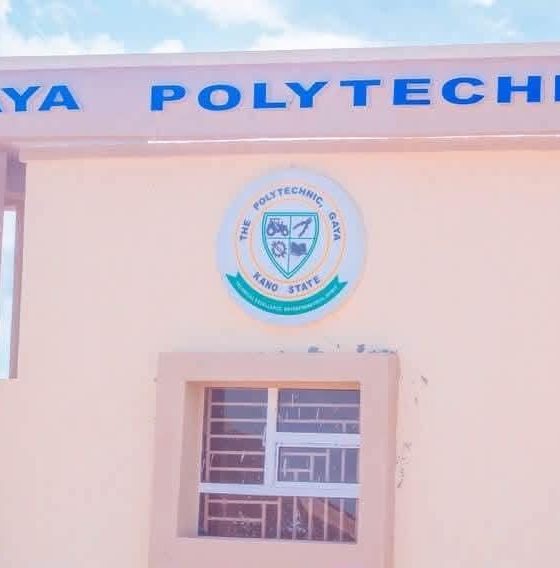
Governor Abba Kabir Yusuf has relieved Engr. Buba Galadima of his position as Chairman of the Governing Council of Kano State Polytechnic. This was conveyed in a statement signed by the governor’s spokesperson, Sunusi Bature Dawakin Tofa, Director General, Media and Publicity, Government House Kano, on Saturday. The governor subsequently approved the appointment of the Emir of Gaya, Alhaji Dr. Aliyu Ibrahim Abdulkadir, as the new Chairman of the Governing Council of the institution. Read Also: Tinubu Hails Argungu Festival, Promises Support For Agriculture Kano State Polytechnic Takes Step Toward University-Affiliated PGD Programmes FG Set to End HND–Degree Divide, Empowers Polytechnics to Award Degrees The decision to relieve Galadima, according to the statement, is part of ongoing restructuring efforts aimed at aligning the institution with the administration’s Kano First Agenda. Although the Governing Council’s tenure is officially three years, the chairman’s appointment was terminated before expiration to facilitate reforms targeted at optimal performance of the Polytechnic. Governor Yusuf expressed appreciation to Galadima for his services to the institution during his tenure. He urged the newly appointed chairman to deploy his experience, leadership, and commitment in repositioning Kano State Polytechnic for greater academic and administrative excellence.

Education, Feature

Transit school initiative, an alternative that guarantees equitable access to education for all

By Adamu Ahmad Ibrahim Celebrating 2026 Global Education Day The Transit School Initiative is a community-driven program designed to reintegrate out-of-school children into formal education by identifying them, providing basic literacy/numeracy skills via volunteers, and securing sponsorship for school fees and uniforms. The Initiative differs from our regular traditional schools in terms of school timing, materials needed and duration. However, it still aims for achieving a quality education for all, it’s the most suitable system that will ensure every child goes to school. Despite more than two decades of attention, funding and activities, through the country’s legal and institutional framework, disbursement of funds, loans and educational policies, Nigeria continues to be home to the highest number of out-of-school children (OOSC) in the world according to UNICEF, 2022. Read Also: The fight against drug abuse, a failed strategies or a war we cannot win Why Tarauni Remains a Pillar of Kano’s Metropolitan Development Kano State Polytechnic Takes Step Toward University-Affiliated PGD Programmes Based on the needs findings we conducted last year at Brigade Community area of Nasarawa Local government, Kano state. We learned that some parents have a morning tasks for their children, for example there was one Musa who was 13 years old when we interviewed him, he mentioned that “every morning he had to fetch water from a nearby neighbourhood for his mother to be able to cook for them and bath before they could be able to do anything else that day, by the time they finished their morning tasks it will be late for them to go to school. When I was a teacher I asked one of my students why is he not attending school every day, and most of the times he attended he came at late hour’s, he explained to me that, there are days which he’d go to market do hard labour, get paid and bring the money to his mother for their daily meals. Many parents mentioned they don’t send their children to school simply because they can’t afford a uniform, writing and reading materials. The transit school Initiative will be a better option for children like musa, because it will enable him to attend school at his convenient time, not necessarily 7:00 or 8:00am. The initiative will Also benefits parents who can’t afford school uniform, writing and reading materials for their children, as the Initiative requires little of that, compared to our regular schools. Now in Northern Nigeria, people from low income settings don’t have access to the social basic needs. I believe, if we don’t have equal access to basic human rights such as clean water and food, then we should have an equitable access to Education. Just because Musa needs 2 hours every morning to fetch water for his family to use, that shouldn’t deprived Musa from attending school and miss the opportunity to become the Doctor, Lawyer or an Engineer that he dreamed to be. As a project manager of Arewa Health Promotion Initiative, I led a group of young people across Kano state and Jigawa state to find out the main reason behind the increase number of out-of-school children, poverty has always been the top ranking factor that have influenced the menace of out of school children roaming around the streets of Kano and Lagos. No government can make everybody rich, but I believe with the right policy the government can provide equitable access to education for everyone. I also want to join Mr. Tijjani Mukaddas PhD, pro-education activist and founder transit school Initiative, to call on Nigerian government most especially the Northern States to please consider integrating the Initiative into a National/State Education framework. The Transit School Initiative is already tested and proven to be effective. Tijjani Mukaddas PhD, one of the top 50 global teachers as well as Humphrey Fellow, resides in Abuja, he developed, initiated and executed the transit school Initiative in one of the Abuja communities. The community was one of the first communities to achieve zero out of school children community in Nigeria. If we can do it in one particular area, why can’t we do it in all over our communities. Going to school for children is not always about learning ABCD or 1234, rather its more of engaging them with one another, to develop a bonding sprit, learn about team work, be able to understand ethical morality and improve their patriotism. We have suffered enough from the consequences of denying those children their rights to education. If we don’t engage them in schools, the streets will engage them into something we don’t like. Directly or indirectly we have been a victims of the consequences either banditry, kidnapping or phone snatching which leads to the dead of so many good and best people among us. I call the attention of our development organisation’s to consider investing more into the transit school Initiative. Adamu Ahmad Ibrahim Executive Director, Arewa Health Promotion Initiative. 08089403454.

Education, Kano, News

Barau Awards Scholarships to Over 4,000 Kano Students

The Deputy President of the Senate, Senator Barau Jibrin, has disbursed scholarships to 4,183 students from Kano North Senatorial District studying at the Federal College of Education (Technical), Bichi, Kano State. The beneficiaries, made up of male and female students enrolled in Nigeria Certificate in Education (NCE) and Degree programmes, received financial support of N20,000 and N50,000 respectively. The scholarship disbursement exercise was conducted on Wednesday at the college’s theatre hall by a delegation led by the Chief of Staff to the Deputy Senate President, Prof. Muhammad Abdallah. A statement issued by the Special Adviser to Senator Barau on Media and Publicity, Ismail Mudashir, said the delegation was received by the Provost of the institution, Dr Kabiru Bichi, who was represented by the Deputy Provost, Dr Bashir Abubakar, alongside members of the management team. Speaking during the event, Prof. Abdallah said the intervention was part of Senator Barau’s sustained investment in education across Kano North Senatorial District and beyond. Read Also: FG Set to End HND–Degree Divide, Empowers Polytechnics to Award Degrees Barau Jibrin Reaffirms Tinubu’s Commitment to Quality Healthcare, Inspects Seven Projects at AKTH Emir Sanusi II Resumes Studies, Attends First Law Lecture in Kano According to him, the scholarship scheme covers both NCE and Degree students, with N20,000 allocated to NCE beneficiaries and N50,000 to Degree students. He noted that similar interventions have been extended to other tertiary institutions, including Bayero University Kano, Northwest University, and several Colleges of Education within the state. Prof. Abdallah further disclosed that Senator Barau has executed a number of projects at the Federal College of Education (Technical), Bichi, such as the construction of academic blocks, provision of solar-powered streetlights, reading halls, and other critical infrastructure. In his remarks, the Deputy Provost, Dr Bashir Abubakar, described the scholarship intervention as life-changing, noting that the institution has consistently benefited from the scheme over the past three years. He said the increasing number of beneficiaries each year reflects the Deputy Senate President’s commitment to prioritising education, adding that Senator Barau is currently constructing an administrative block at the college’s permanent site and has installed solar streetlights at both the temporary and permanent campuses to enhance security. Dr Abubakar urged the students to utilise the funds judiciously, particularly for registration and academic needs, while conveying the appreciation of the institution’s management and students to Senator Barau. Also speaking, the Special Adviser on Women Affairs to the Deputy Senate President, Hajiya Yardada Bichi, revealed that about 60 per cent of the beneficiaries were women, stressing that educating a woman translates to educating an entire society. Some of the beneficiaries also expressed gratitude to Senator Barau for the timely support, describing the gesture as impactful and helpful to their academic pursuits.

Education, National, News

FG Set to End HND–Degree Divide, Empowers Polytechnics to Award Degrees

The Federal Government has announced plans to abolish the long-standing dichotomy between Higher National Diploma (HND) and university degree holders by empowering polytechnics to award degrees. Minister of Education, Dr. Tunji Alausa, disclosed this on Wednesday in Abuja at a high-level retreat attended by chairmen of governing councils, commissioners of education, rectors, registrars, and bursars of tertiary institutions. Dr. Alausa described the proposed reform as historic, noting that it would bring an end to years of discrimination against polytechnic graduates and reposition polytechnics as centres of excellence within Nigeria’s higher education system. He explained that the initiative is designed to strengthen technical and vocational education as a critical driver of national development, while retaining the practical, industry-focused orientation of polytechnic training. According to the minister, the policy aligns with President Bola Ahmed Tinubu’s Renewed Hope Agenda, which prioritises job creation, industrial growth, and human capital development. He said granting degree-awarding status to polytechnics would enhance industry collaboration, improve funding opportunities, and boost public confidence in the institutions. Read Also: Kano State Polytechnic Takes Step Toward University-Affiliated PGD Programmes Emir Sanusi II Resumes Studies, Attends First Law Lecture in Kano Between Discipline and Dissent: Musa Bamaiyi and the Burden of Command Dr. Alausa assured stakeholders that the transition would be guided by clearly defined standards, effective regulation, and robust quality assurance mechanisms to ensure global competitiveness. Speaking on the theme, “Transforming Polytechnic Education in Nigeria: Innovation, Good Governance and Sustainability for National Development,” the minister emphasised the importance of Technical and Vocational Education and Training (TVET) in building a skills-based economy. He urged polytechnic administrators to promote innovation through entrepreneurship hubs, research centres, and stronger industry linkages. He identified renewable energy, agri-technology, digital manufacturing, and climate-resilient solutions as priority areas for institutional focus. He also stressed the need for sustainability, calling on institutions to boost internally generated revenue, adopt environmentally friendly practices, and invest in resilient infrastructure. While acknowledging challenges such as funding constraints, outdated facilities, and societal preference for university education, Dr. Alausa maintained that the benefits of the reform far outweigh the difficulties. He reaffirmed the Federal Government’s commitment to supporting polytechnics through policy reforms, infrastructure development, and strategic partnerships. The minister also announced a special intervention by the Tertiary Education Trust Fund (TETFund) this year to equip polytechnic engineering schools with modern facilities, following a similar upgrade of medical colleges in the previous year. Dr. Alausa urged participants at the retreat to return to their institutions as agents of reform, stressing that Nigeria’s future workforce and economic growth depend largely on the successful transformation of polytechnic education.

Education, Kano, News

Emir Sanusi II Resumes Studies, Attends First Law Lecture in Kano

The Emir of Kano, Dr. Muhammadu Sanusi II, on Tuesday returned to the classroom as he commenced his undergraduate studies at Northwest University, Kano. The monarch began his first day as a student of the Bachelor of Laws (LL.B) Common Law and Sharia programme in the university’s Faculty of Law. It would be recalled that the Emir secured admission into the LL.B Common Law and Sharia degree programme at Level 200, with effect from the 2024/2025 academic session. Read Also: Kano State Polytechnic Takes Step Toward University-Affiliated PGD Programmes Prof. Amina Bayero Appointed First Female VC of Northwest University Kano Emir of Lafia, Justice Sidi Bage Appointed Chancellor of Northwest University, Kano Sanusi’s return to academic life has attracted widespread public attention, with many observers describing the development as a strong demonstration of his commitment to lifelong learning, intellectual growth, and scholarship, despite his royal responsibilities. The move has also been hailed as inspirational, particularly to young people, underscoring the value of education at all stages of life.  

Scroll to Top