
Humanitarian
World Children’s Day: UNICEF urges governments to translate children’s demands into action

By Umar Idris Shuaibu
The United Nations Children’s Fund (UNICEF) has urged governments in Kano, Jigawa and Katsina States to translate children’s demands and recommendations into concrete policies, budgetary commitments and practical interventions to safeguard their rights and improve their future.
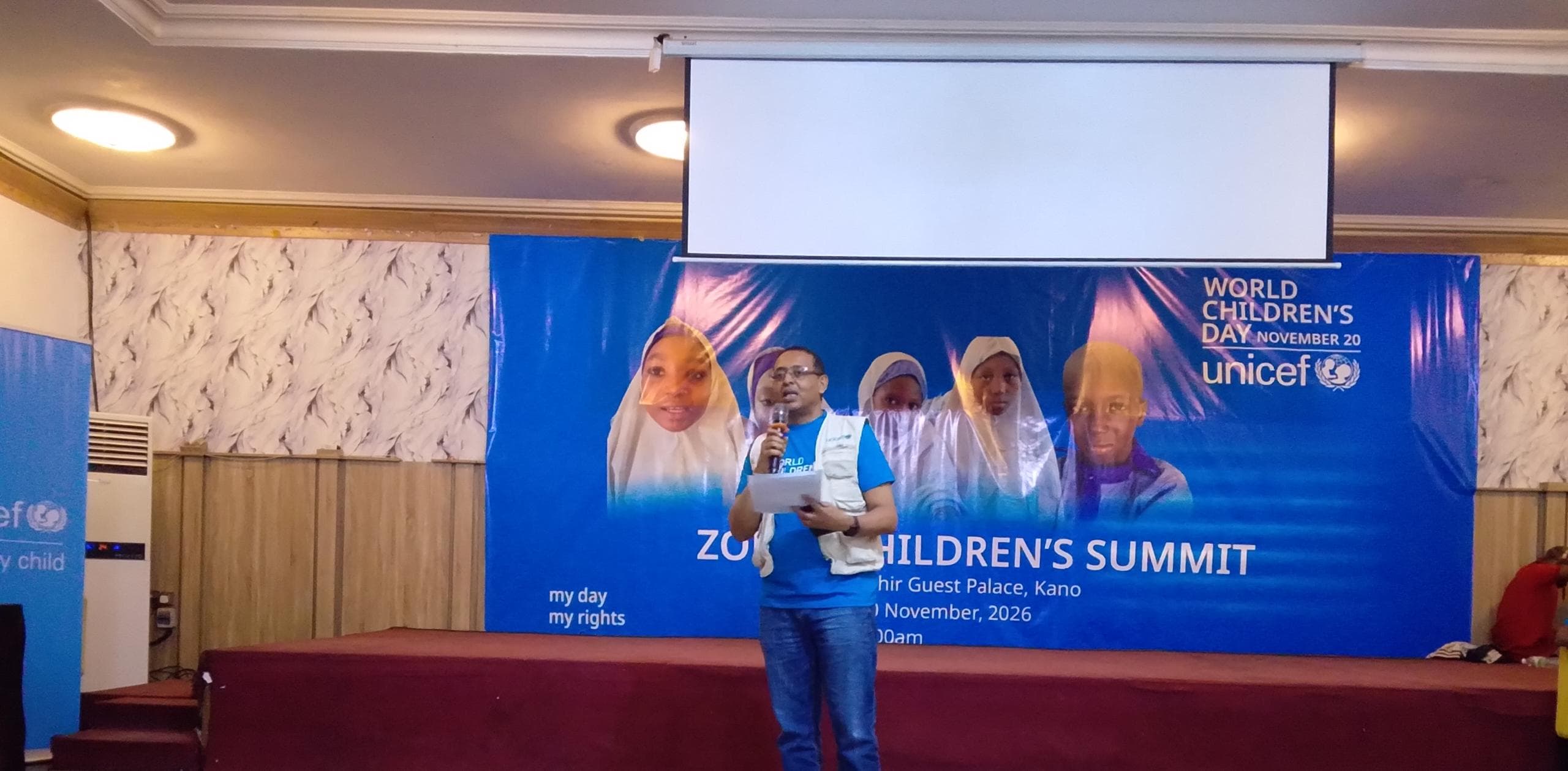
The Chief of UNICEF Kano Field Office, Shafeeq Ur-Rehman, represented by the Officer-in-Charge, Dr Serekeberehan Seyoum Deres, made the call on Friday at the 2026 Zonal Children’s Summit organised to commemorate World Children’s Day on Friday in Kano.
Speaking under the theme, “My Day, My Rights, My Future,” Deres said the summit provided an opportunity for children to express their experiences, concerns and aspirations directly to decision-makers, stressing that their voices must influence decisions affecting their lives.
He said the occasion was not for adults to speak on behalf of children but to listen to them and understand the future they wanted.
Read Also:
Gaya Polytechnic: Kurawa briefs higher education commissioner on take-off, development plans
Nigeria Records Over 2 Million Zero-Dose Children, Ranks Among Highest Globally — Save the Children
CSADI Combats Child, Maternal Malnutrition With Local Food Support
Deres urged commissioners and senior government officials from the three states to take the children’s recommendations back to their respective ministries and agencies and ensure they informed government budgets, policies and programmes.
He noted that children from Kano, Jigawa and Katsina had used drawings and short videos to communicate their experiences, identify challenges and present their expectations ahead of the summit.
He added that their contributions would be consolidated into a communiqué containing clear recommendations and calls to action for government officials and development partners.
The UNICEF official emphasised that every child had the right to survive and thrive, access education, enjoy protection and have their views heard, irrespective of gender, disability or social circumstances.
He also called on the media, parents, teachers, communities and development partners to share children’s stories responsibly and support their demands with meaningful action.
Deres reaffirmed UNICEF’s commitment to working with governments and communities to reach every child, particularly girls, children with disabilities, out-of-school children and those living in hard-to-reach communities.
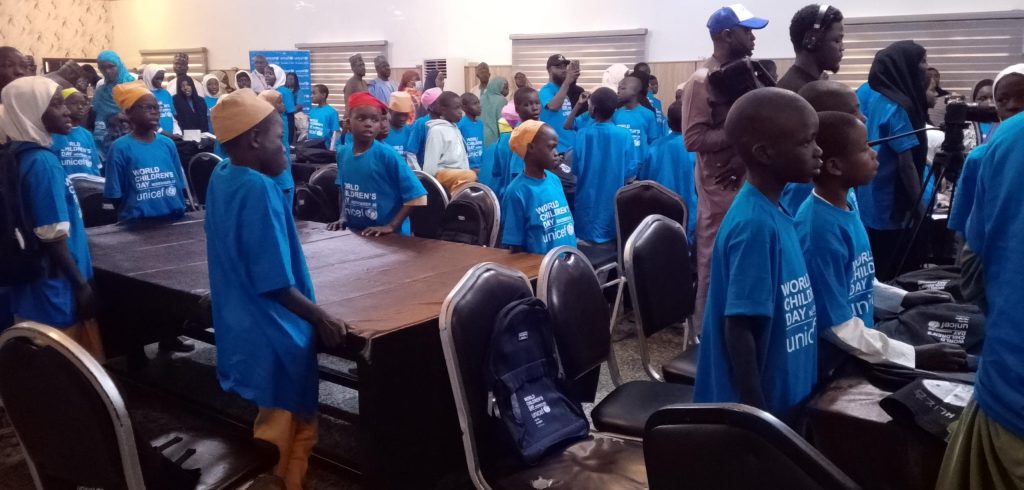
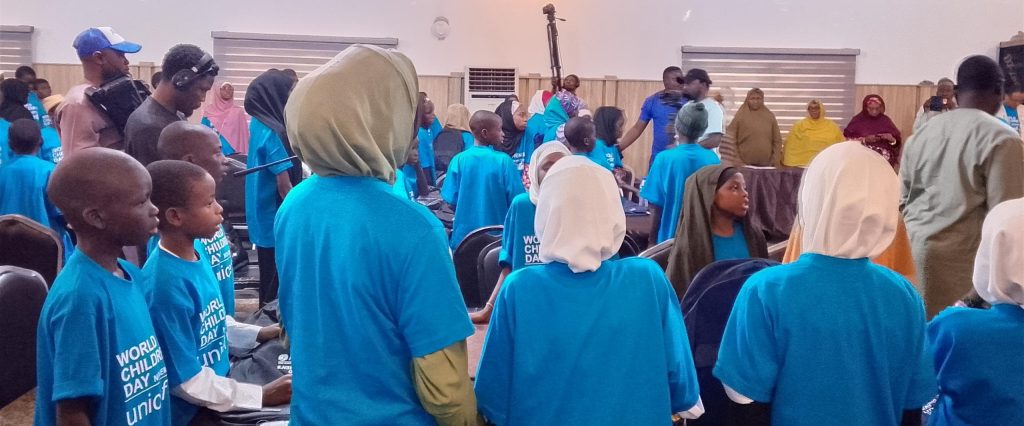
The summit brought together about 100 child delegates, including children with disabilities and those in and out of school, alongside government representatives, development partners, teachers, caregivers and other stakeholders.
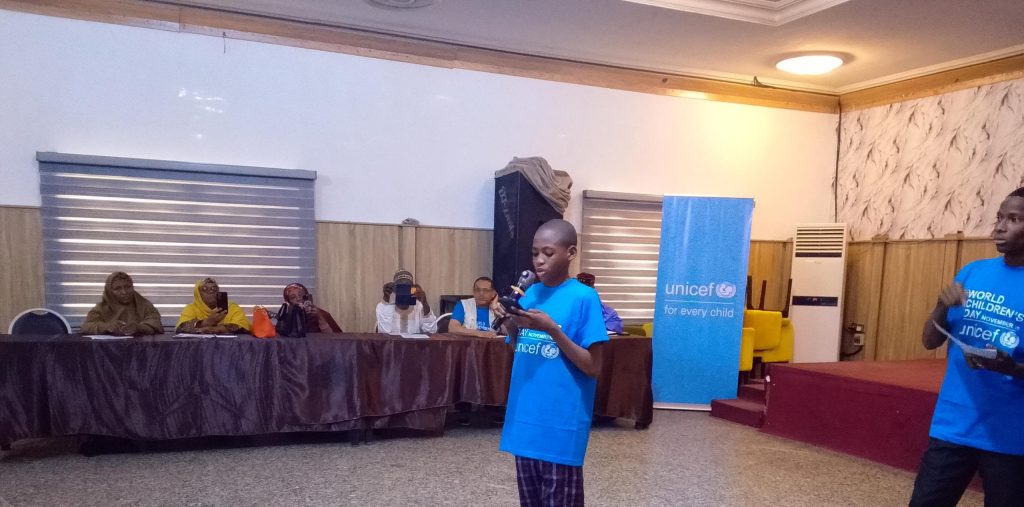
In a practical demonstration of the summit’s central message, the children themselves chaired the proceedings and led discussions while government officials, parents and other stakeholders listened to their presentations and concerns.
Speaking on behalf of the Kano State Commissioner for Planning and Budget, Musa Sulaiman Shanono, the Permanent Secretary of the ministry, Umma Dalhatu, said the state government had continued to prioritise children’s welfare through investments in education, healthcare, nutrition, social protection, water and sanitation.
She disclosed that the state’s 2026 approved budget of N1.23 trillion allocated 30 per cent to education and 15 per cent to health, with more than N8 billion provided for nutrition, over N27 billion for social protection and more than N55 billion for the water sector.
Dalhatu added that the proposed 2027 budget of over N1.1 trillion maintained the 30 per cent allocation to education, reflecting the government’s commitment to improving children’s access to essential services.
She said the Ministry of Planning and Budget would continue to work with implementing agencies to ensure children’s needs received adequate attention in government planning and budgeting, while monitoring the utilisation of resources to ensure that intended beneficiaries were reached.
In his remarks, Alhaji Abdul Babangida Abdullahi, representing the Katsina State Commissioner for Basic and Secondary Education, said the state government recognised insecurity, poverty, early marriage, inadequate learning facilities and the increasing number of out-of-school children as major challenges affecting children’s education.
He said the current administration remained committed to improving school enrolment, retention, learning outcomes, teacher development and the provision of safe and inclusive learning environments.
Abdullahi commended UNICEF for providing children from the three states with an opportunity to communicate their experiences and aspirations directly to government representatives.
Similarly, Dr Hauwa Babura, Technical Adviser on Basic Education in Jigawa State, representing the Commissioner for Women Affairs, Hajiya Hadiza Abdulwahab, urged children to remain committed to their dreams and encouraged stakeholders to create an enabling environment for them to succeed.
She observed that the future of society depended largely on the strength, commitment and knowledge of its children.
Also speaking, Al’amin Umar, representing the Kano State Children’s Parliament, called for stronger institutional support for children’s participation in governance, insisting that children should be recognised as citizens of today rather than merely leaders of tomorrow.
He argued that children’s parliaments should serve as meaningful platforms for advocacy, leadership development and accountability rather than ceremonial institutions.
Umar also raised concerns about insecurity, terrorism, communal violence and other threats affecting children’s education, safety and development, particularly in northern Nigeria.
He called on governments, security agencies, traditional and religious leaders, and communities to strengthen child protection and promote peaceful environments where children could pursue their aspirations without fear.
He further urged authorities to ensure that the provisions of the Child Rights Act and the United Nations Convention on the Rights of the Child translated into practical realities in homes, schools and communities.
The summit also featured a poetry presentation by young poet Asma’u Muhammad Anka, who highlighted the challenges facing children and the need for sustained support to equip them with the knowledge and opportunities required to contribute meaningfully to society.
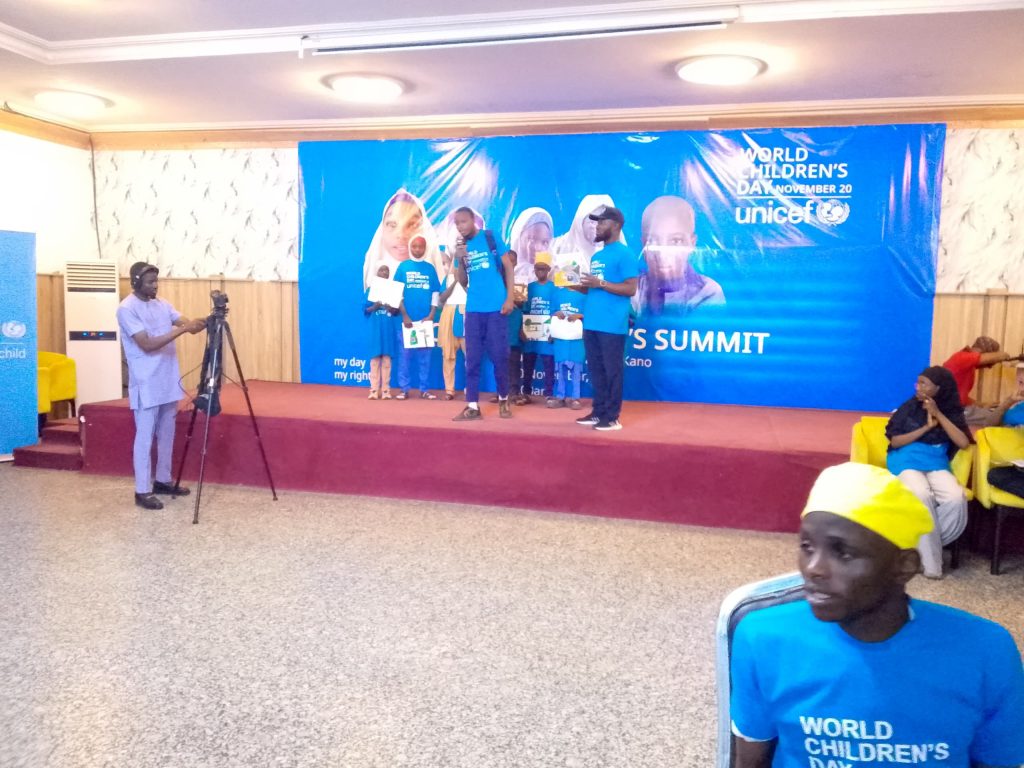
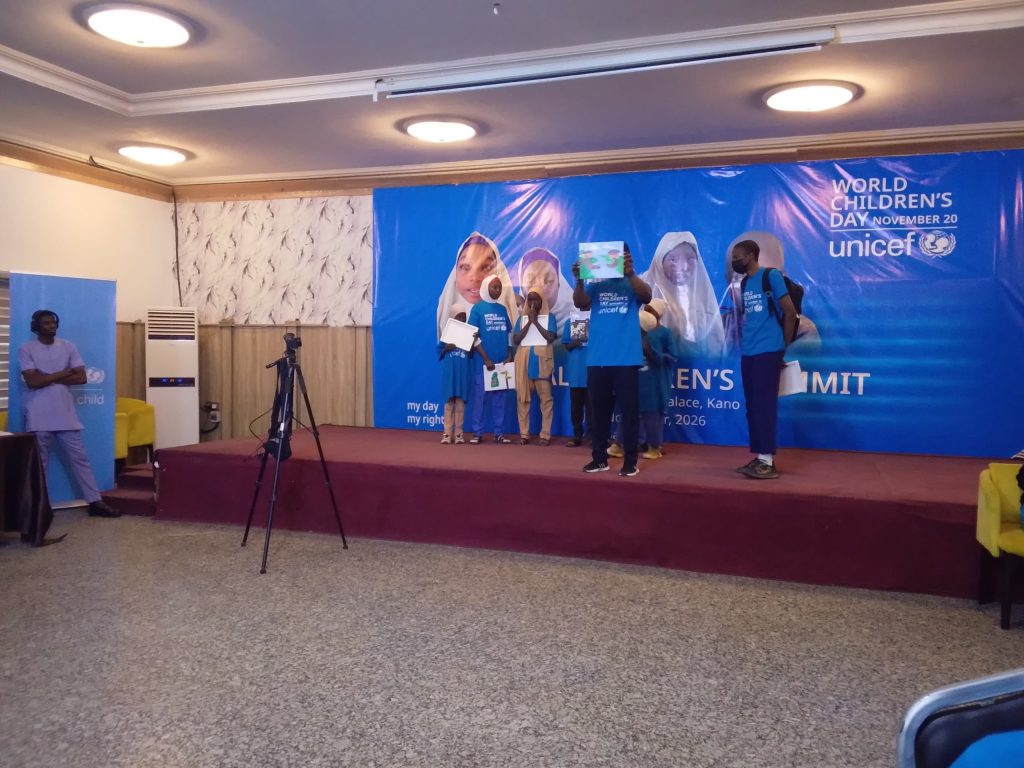
Children from the participating states also showcased drawings, artwork and creative designs addressing education, environmental protection, nutrition, the dangers of indiscriminate tree felling and environmental pollution.
The exhibitions provided another platform for children to communicate their concerns and demonstrate their understanding of issues affecting their communities and future.
The celebration further featured the symbolic wearing of blue by participating children in support of the global campaign to raise awareness of children’s rights.
The 2026 celebration also coincides with UNICEF’s 80th anniversary, reinforcing the organisation’s commitment to promoting the survival, development, protection and participation of every child.
World Children’s Day, observed annually on November 20, commemorates the adoption of the Declaration of the Rights of the Child in 1959 and the Convention on the Rights of the Child in 1989 by the United Nations General Assembly.
The 2026 theme, “My Day, My Rights, My Future,” calls on governments, families and communities to protect children’s rights and ensure their voices and aspirations shape decisions affecting their lives.
Photo News:


Gwarzo appoints Kano Fulani associations chairman to APC 2027 campaign council

Tinubu warns new police officers against oppressing, intimidating Nigerians

Kwankwaso: An Envious Grand Father or an Overwhelmed Vice Presidential Aspirant?

Drama at Abuja mosque as mob attacks Tinubu’s praise singer, Rarara

Why Kano Polytechnic Council Queried Rector Over Financial, Administrative Irregularities
ABCOAD Unveils Journal, Bids Farewell to Provost
2027: NDC Releases Full List of Consensus Candidates in Kano

Nigerian Army Begins DSSC 29/2026 Recruitment, Outlines Eligibility Criteria

Gaya Polytechnic Opens Recruitment, Advertises 46 Academic, Non-Academic Positions

Gaya Polytechnic to Begin with Four Courses as Committee Eyes Year-End Take-Off
-
 Education4 days ago
Kano Polytechnic Council Queries Garun-Danga, Confirms Aikawa, Renews Bursar’s Tenure
-
 Education4 days ago
Kano Polytechnic Council Gives Rector 14 Days to Explain Financial Irregularities
-
Education2 days ago
Why Kano Polytechnic Council Queried Rector Over Financial, Administrative Irregularities