
Health
FG warns Nigerians against carbide-ripened fruits, chemical-softened meat

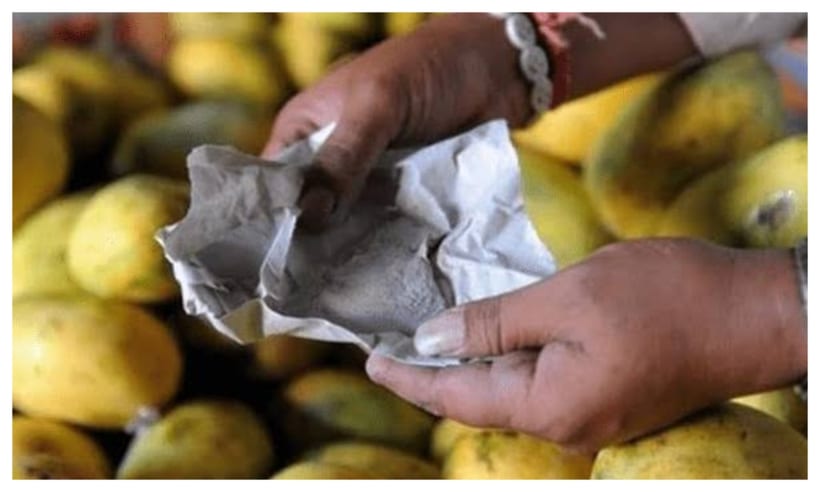
The Federal Government has raised concerns over the growing use of harmful chemicals in food processing and preservation, warning Nigerians against dangerous practices such as using calcium carbide to ripen fruits, paracetamol to soften meat and detergents in cassava production.
The Minister of Innovation, Science and Technology, Dr Kingsley Udeh, issued the warning on Tuesday in Abuja during the 2026 World Science Day for Peace and Development.
He also identified the use of unauthorised chemicals to preserve beans and grains, as well as prohibited colourants such as Sudan IV to adulterate palm oil, as dangerous practices posing serious threats to public health.
Udeh warned that unsafe food handling and adulteration expose consumers to harmful substances, undermine confidence in food products and threaten the country’s food security.
Read Also:
Gaya Poly nears opening, moves on staff recruitment, equipment procurement
“Food must sustain life, not endanger it,” the minister cautioned.
Citing figures from the World Health Organisation (WHO), he said foodborne illnesses affect approximately 866 million people globally every year, resulting in about 1.52 million deaths.
Nigeria, he added, records an estimated 50 million cases of foodborne illnesses and more than 53,000 related deaths annually, underscoring the need for stronger food safety measures.
FG Plans Stronger Food Safety Monitoring
To address the growing challenge, the minister disclosed that the Federal Government was planning to strengthen food safety monitoring through the deployment of qualified food science and technology professionals, particularly at the local government level.
He explained that although Nigeria produces approximately 3,000 food science and technology graduates annually from 70 tertiary institutions, the country lacks an established professional structure to effectively utilise their expertise within the public service.
According to him, the government will pursue the establishment of a dedicated professional cadre for practitioners, backed by personnel audits and skills-gap assessments to identify areas requiring additional expertise.
Udeh also urged food businesses and regulatory agencies to engage qualified food science and technology professionals to improve safety standards across the food production and processing chain.
He stressed the importance of ensuring that practitioners possess valid professional registration and annual practice licences.
The proposed measures are expected to strengthen food safety oversight, improve compliance with established standards and protect Nigerians from the health risks associated with unsafe food processing and preservation practices.

Kano Ex-Commissioners Mourns Lamin Sani’s Mother, Offer Prayers

UNIJOS breaks 50-year barrier, names Patricia Lar first female VC

Pastor Buru Recognises JNI Leader’s Contributions to Peace, Religious Tolerance

NDC’s Gwarzo unveils campaign leadership, picks Sagagi as DG

Kano proposes ₦1.1trn 2027 budget, earmarks 74.5% for five key sectors

ABCOAD Unveils Journal, Bids Farewell to Provost

2027: NDC Releases Full List of Consensus Candidates in Kano

Nigerian Army Begins DSSC 29/2026 Recruitment, Outlines Eligibility Criteria

Gaya Polytechnic Opens Recruitment, Advertises 46 Academic, Non-Academic Positions