Education
Tenure dispute, revenue concerns: Kano Poly Registrar breaks silence

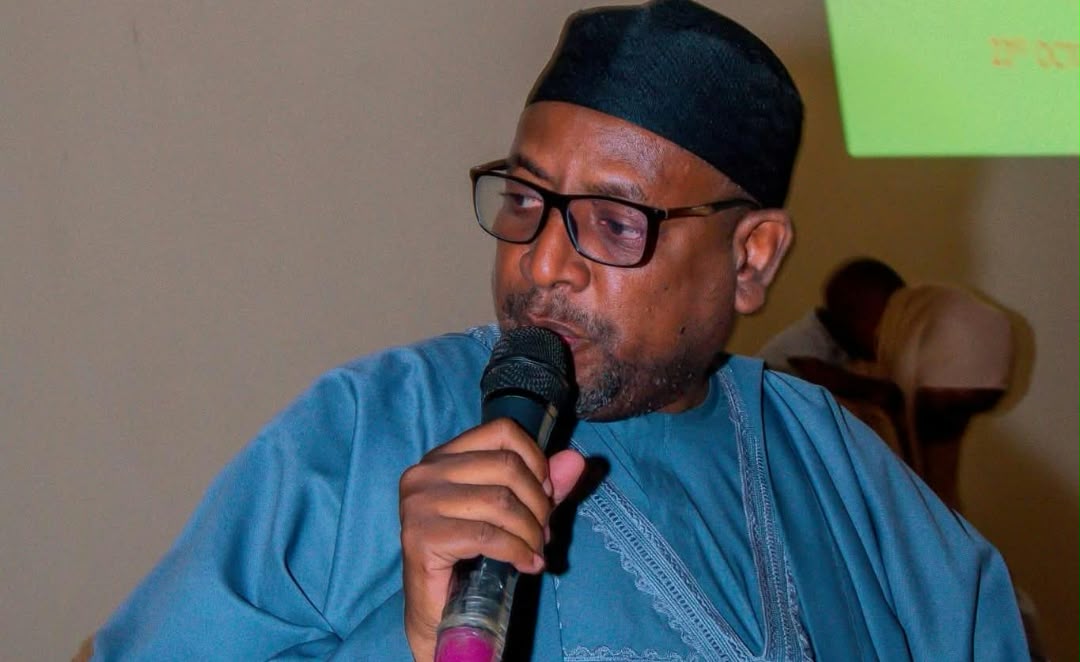
The Registrar of Kano State Polytechnic, Alhaji Mukhtar Ibrahim Bello, has broken his silence on the controversy surrounding his continued stay in office, claiming that the institution’s Governing Council approved a four-year renewal of his appointment before the Kano State Government announced a replacement.
In an interview with ‘The Historica Nigeria‘, Bello also raised concerns about the institution’s revenue collection system, financial accountability and spending priorities, arguing that its student population should provide a reasonable revenue base to support essential operations.
The Registrar said his initial five-year tenure, which began in January 2021, expired in January 2026. According to him, he had formally notified the Governing Council and the Ministry of Higher Education of his intention to leave office but was subsequently asked by both the ministry and the then council chairman to remain while his renewal was being processed.
He explained that political developments and changes in the leadership of the Governing Council delayed the process until August 2026, when the council approved a second term of four years.
Read Also:
Kano Poly MFB: A bank closed, an investigation launched, but where are the answers?
Kano Polytechnic gets new Registrar as Mukhtar Bello’s tenure ends
Gaya Polytechnic: Kurawa leads push to meet 2026 take-off target
Bello alleged that following the council’s decision, some individuals supplied misleading information to the Office of the Secretary to the State Government, creating the impression that his tenure had ended without the possibility of renewal.
He linked the alleged misinformation to the subsequent appointment of Malam Magaji Rabi’u Garun-Danga as his replacement, a development that was later reversed, paving the way for his return to office.
The Registrar maintained that the council’s approval formed the basis of his continued stay in office, adding that he was surprised by the announcement of a replacement after the renewal had reportedly been approved.
Revenue collection and financial management
Beyond the tenure controversy, Bello expressed concern about the polytechnic’s revenue collection and financial management, particularly the handling of students’ payments and the prioritisation of institutional expenditure.
He estimated that the institution had about 11,000 regular students and 4,000 part-time students in previous admissions, arguing that the figures should provide a reasonable revenue base for meeting some of its operational obligations.
However, he acknowledged that he did not have access to the institution’s detailed financial accounts and therefore could not provide a comprehensive assessment of its revenue and expenditure.
Bello specifically questioned the continued reliance on cash-based payment arrangements, advocating greater use of digital transactions to improve accountability, transparency and revenue tracking.
He said some students had encountered difficulties confirming payments or having transactions reflected in their accounts, a situation which, in his view, could create discrepancies in the institution’s financial records.
He also identified staff salaries, allowances for part-time lecturers, examination expenses and materials for students’ practical sessions as essential obligations that should receive priority in the institution’s spending.
Administrative tensions and the Rector’s role
The Registrar also spoke about administrative disagreements between his office and that of the Rector, Dr Abubakar Umar Farouk, although he described their relationship as outwardly cordial.
He explained that the Registrar’s responsibilities include staff administration, enforcement of institutional regulations and advising management on compliance with established rules, while executive decisions and financial approvals rest with the appropriate management authorities.
Bello alleged that disagreements sometimes arose when he insisted on strict adherence to institutional regulations. He also claimed that some individuals around the Rector influenced decisions by presenting information which, in his view, did not always reflect the actual situation.
He further alleged that matters discussed during official engagements were sometimes presented differently elsewhere, contributing to misunderstandings within the institution.
Calls for proper institutional administration
On the way forward, Bello identified the Governing Council as a key channel for addressing institutional concerns with the Kano State Government.
He maintained that his responsibility was to discharge his duties within the limits of his office, advise management on administrative matters and ensure that the polytechnic operates in accordance with its enabling laws and regulations.
He stressed the importance of following established procedures in managing the institution, saying administrative responsibilities should be carried out with due regard to the relevant rules and regulations.
Rector’s response and SCEPS allowances
Meanwhile, before Bello granted the interview, ‘The Historica Nigeria‘ had visited the Rector, Dr Abubakar Umar Farouk, to obtain his response to concerns surrounding the institution’s leadership and administration.
The engagement covered several issues, including the closure of the polytechnic’s microfinance bank and the controversy surrounding the Registrar’s tenure. During the meeting, the Rector disputed some of the claims raised.
The visit also took place against the backdrop of a dispute over unpaid allowances owed to lecturers of the School of Continuing Education and Postgraduate Studies (SCEPS), which had led to the suspension of academic activities.
During the engagement, Farouk informed the publication that he had settled the outstanding allowances owed to the affected lecturers, addressing the immediate dispute over their entitlements.
However, other administrative and institutional concerns raised during the engagement remained unresolved.




Kano Ex-Commissioners Mourns Lamin Sani’s Mother, Offer Prayers

UNIJOS breaks 50-year barrier, names Patricia Lar first female VC

Pastor Buru Recognises JNI Leader’s Contributions to Peace, Religious Tolerance

NDC’s Gwarzo unveils campaign leadership, picks Sagagi as DG

Kano proposes ₦1.1trn 2027 budget, earmarks 74.5% for five key sectors
ABCOAD Unveils Journal, Bids Farewell to Provost
2027: NDC Releases Full List of Consensus Candidates in Kano

Nigerian Army Begins DSSC 29/2026 Recruitment, Outlines Eligibility Criteria

Gaya Polytechnic Opens Recruitment, Advertises 46 Academic, Non-Academic Positions