
Health
Radiographers Oppose Health Bills, Warn of Threat to Professional Autonomy

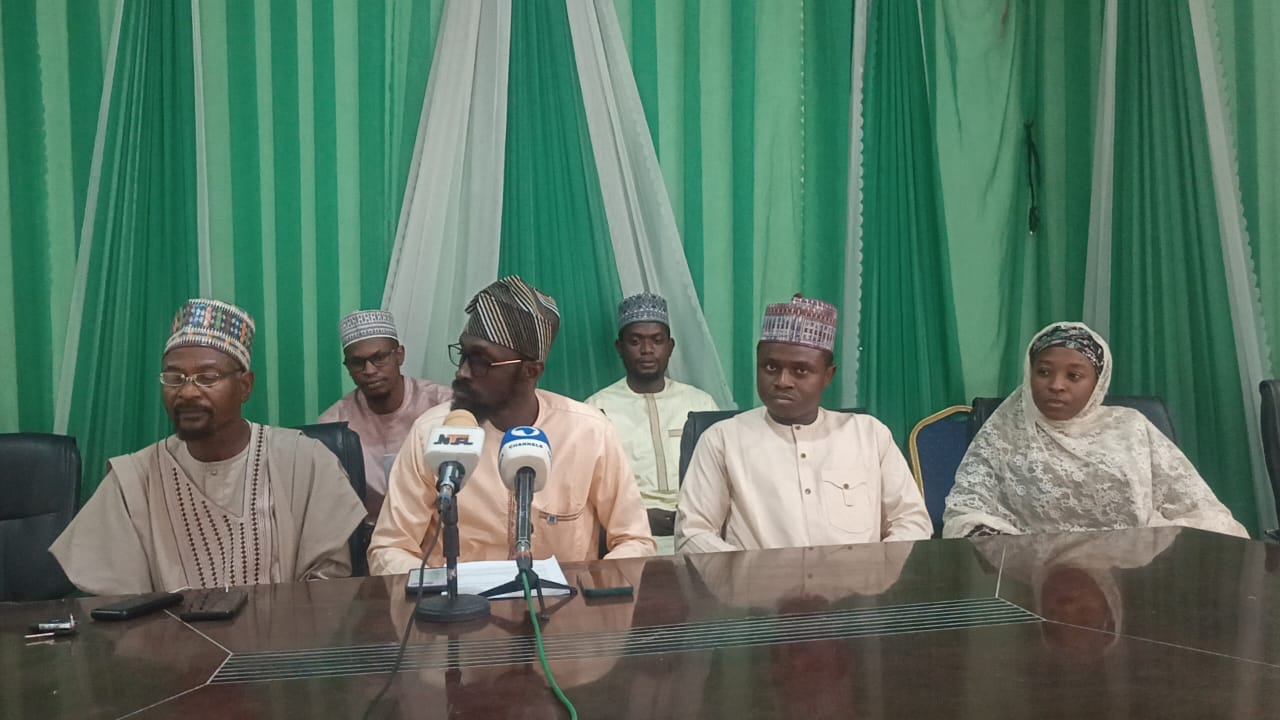
By Umar Idris Shuaibu, Kano
The Association of Radiographers of Nigeria has raised strong objections to the proposed Dental Practitioners Act (Repeal and Re-enactment) Bill, 2026 (HB 2695), warning that its provisions could erode professional autonomy and disrupt Nigeria’s healthcare regulatory system.
The concerns were outlined by the National President of the association, Musa Y. Dambele, during a press briefing held at the Nigeria Union of Journalists Secretariat in Kano on Saturday.
Dambele described the proposed legislation as a fundamental threat to the practice of radiography, alleging that it seeks to transfer regulatory authority from the Radiographers Registration Board of Nigeria to the Medical and Dental Council of Nigeria.
He specifically drew attention to Section 8(1) of the bill, which contains a “notwithstanding clause” granting the MDCN overriding powers over other regulatory bodies. According to him, this provision conflicts with the existing Radiographers Act and could effectively strip the RRBN of its statutory mandate.
The ARN president also faulted Section 47 of the bill, which classifies radiology as encompassing all aspects of diagnostic imaging. He argued that such a definition undermines the distinction between radiology and radiography, noting that the latter is a specialised scientific discipline focused on imaging technology, radiation safety, and patient care.
Read Also:
Association of Radiographers Rejects Illegal Appointment of Board Registrar
Dambele further raised concerns over Section 8(1)(k), which empowers the MDCN to regulate the use of technologies such as ultrasound, lasers, and radiofrequency-based devices. He maintained that these tools are integral to radiographic practice and should not be restricted to a single professional body.
On disciplinary provisions, he criticised Sections 30 to 32 of the bill, which propose tribunals dominated by medical and dental practitioners to adjudicate cases involving other health professionals. He argued that such arrangements could undermine fair hearing and professional independence.
He also expressed reservations over Section 18(3), which mandates that a portion of professional fees be shared with external bodies, including the Nigerian Medical Association, describing the provision as unjustified and capable of distorting regulatory practices.
The association further linked the bill with another proposed legislation, HB 2699, describing both as a coordinated effort to weaken radiography through what it termed a “pincer movement.” According to Dambele, while one bill seeks to erode internal regulatory authority, the other introduces external pressures that could constrain the profession.
Beyond professional concerns, the ARN president cautioned against provisions that expand ministerial influence over regulatory boards, warning that such measures could introduce political interference into a highly technical sector. He also opposed attempts to dilute the authority of the RRBN in appointing its Registrar, stressing the need to preserve institutional independence.
He noted that global best practices in countries such as the United Kingdom, Canada, and Australia support independent professional regulation, adding that any deviation from this model could create tensions within Nigeria’s health sector.
Dambele said the position of the association aligns with that of the Joint Health Sector Unions and other healthcare stakeholders who have raised similar concerns.
The association, therefore, called on the National Assembly to reject the bill in its current form, uphold professional self-regulation, and initiate broader stakeholder consultations to develop a balanced regulatory framework.
He emphasised that radiographers play a critical role in healthcare delivery, including in diagnostic imaging and therapeutic procedures such as X-rays, CT scans, MRI, ultrasound, and radiotherapy, warning that any attempt to centralise control could have implications for patient safety and service delivery.
Dambele reiterated the association’s commitment to safeguarding the integrity of the profession and ensuring that healthcare regulation in Nigeria remains inclusive, balanced, and in line with global standards.

Tinubu’s Kaduna Campaign Eve: Dan’agundi leads thousands of supporters to governor Uba Sani in Massive show of solidarity

Gwarzo’s exclusion: NDC races against time as INEC deadline nears

2027: Mariya Bunkure takes key women affairs role in Kano APC campaign

2027: Kano Governor Names Former Education Commissioner Kiru Campaign Spokesperson II

Sa’adatu Rimi College of Education Hosts NCCE Training as Experts Push Practical Agricultural Education
ABCOAD Unveils Journal, Bids Farewell to Provost

Nigerian Army Begins DSSC 29/2026 Recruitment, Outlines Eligibility Criteria
2027: NDC Releases Full List of Consensus Candidates in Kano

Gaya Polytechnic Opens Recruitment, Advertises 46 Academic, Non-Academic Positions