Humanitarian
Kano tracks 2026 health budget, renews drive to reach zero-dose children

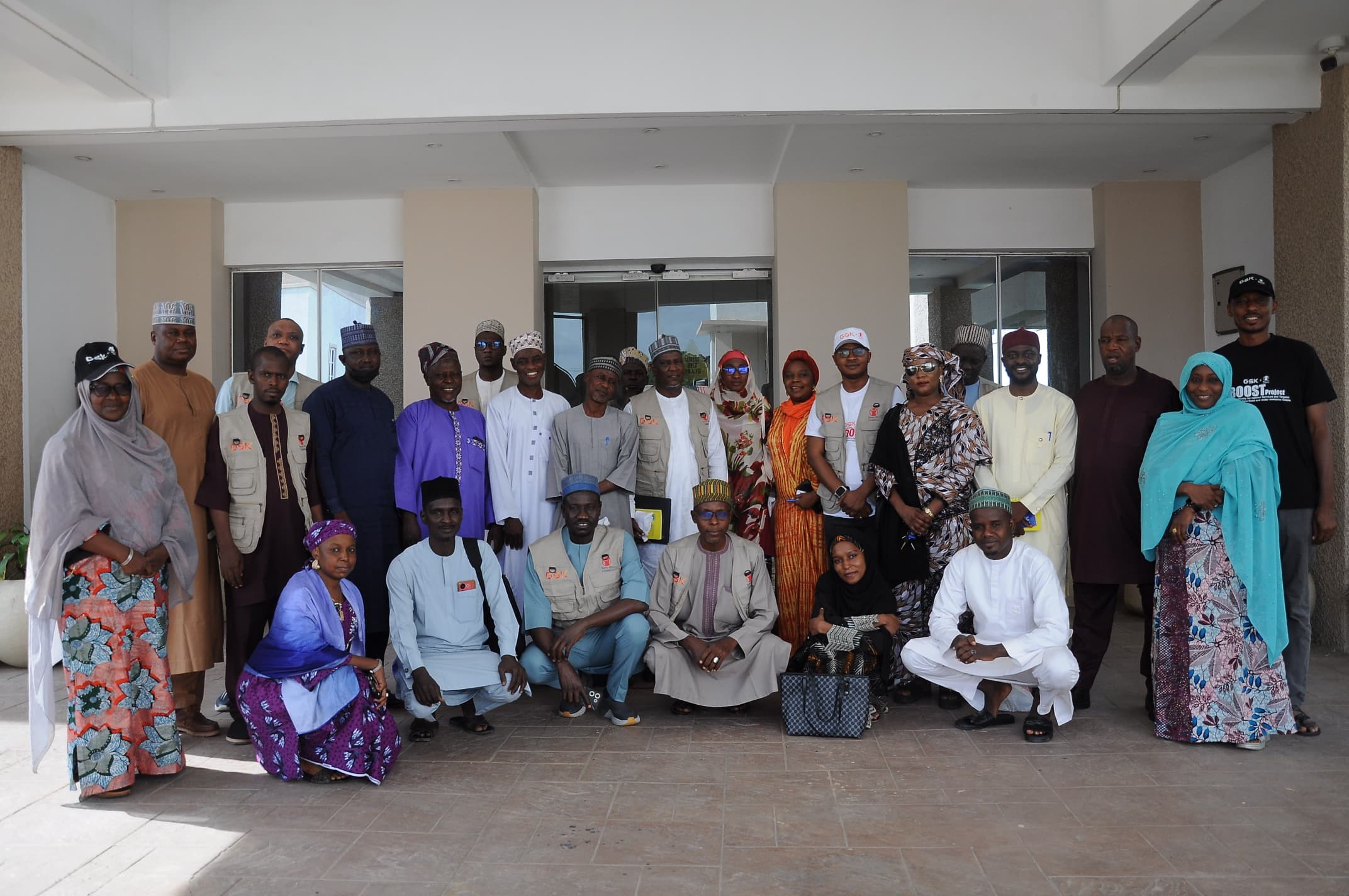
The Kano State Community of Practice (KN-CoP), in collaboration with stakeholders under the BOOST Project, has reviewed the state’s 2026 health and immunisation budget performance as part of renewed efforts to reach zero-dose children across the state.
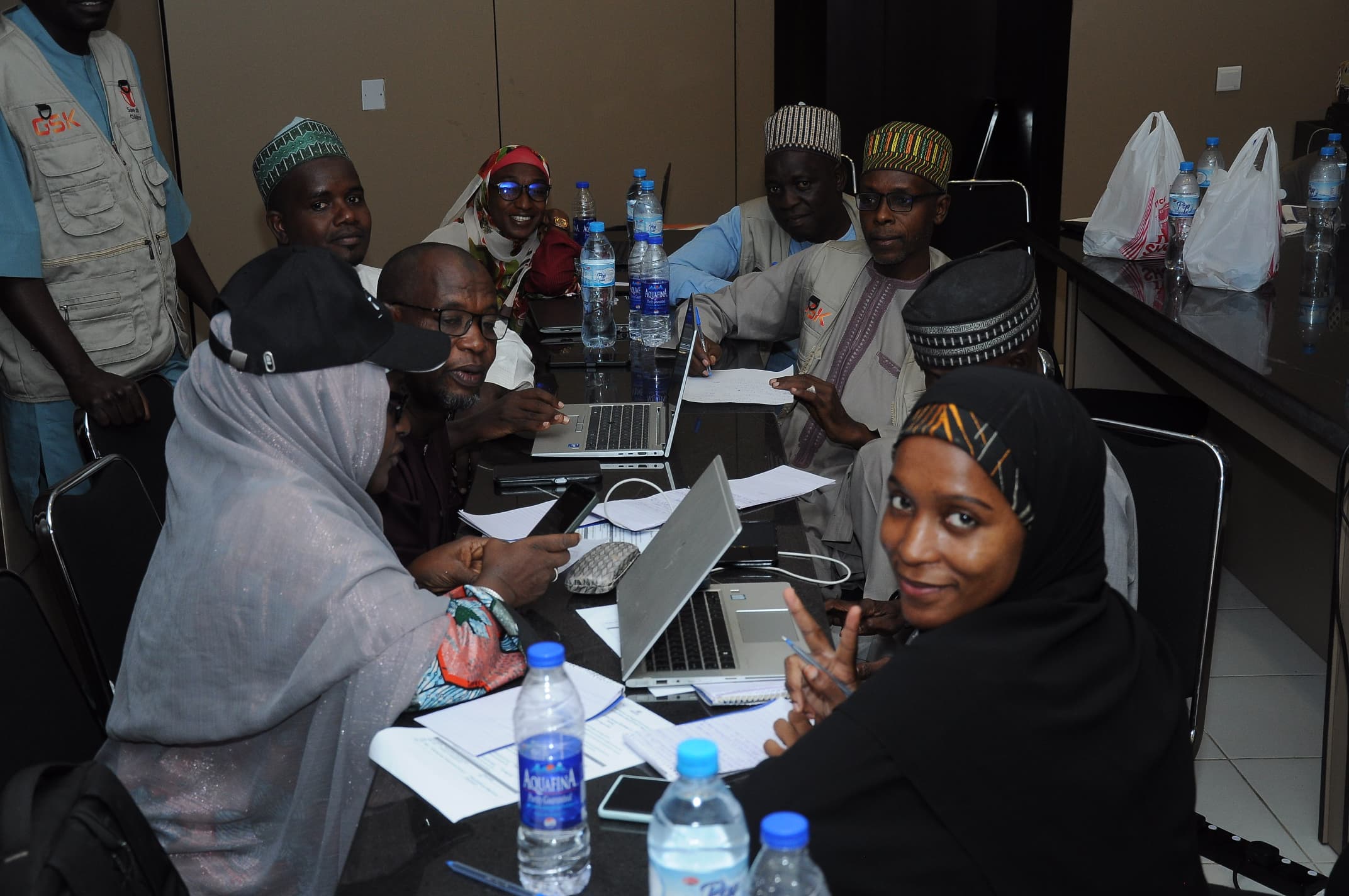
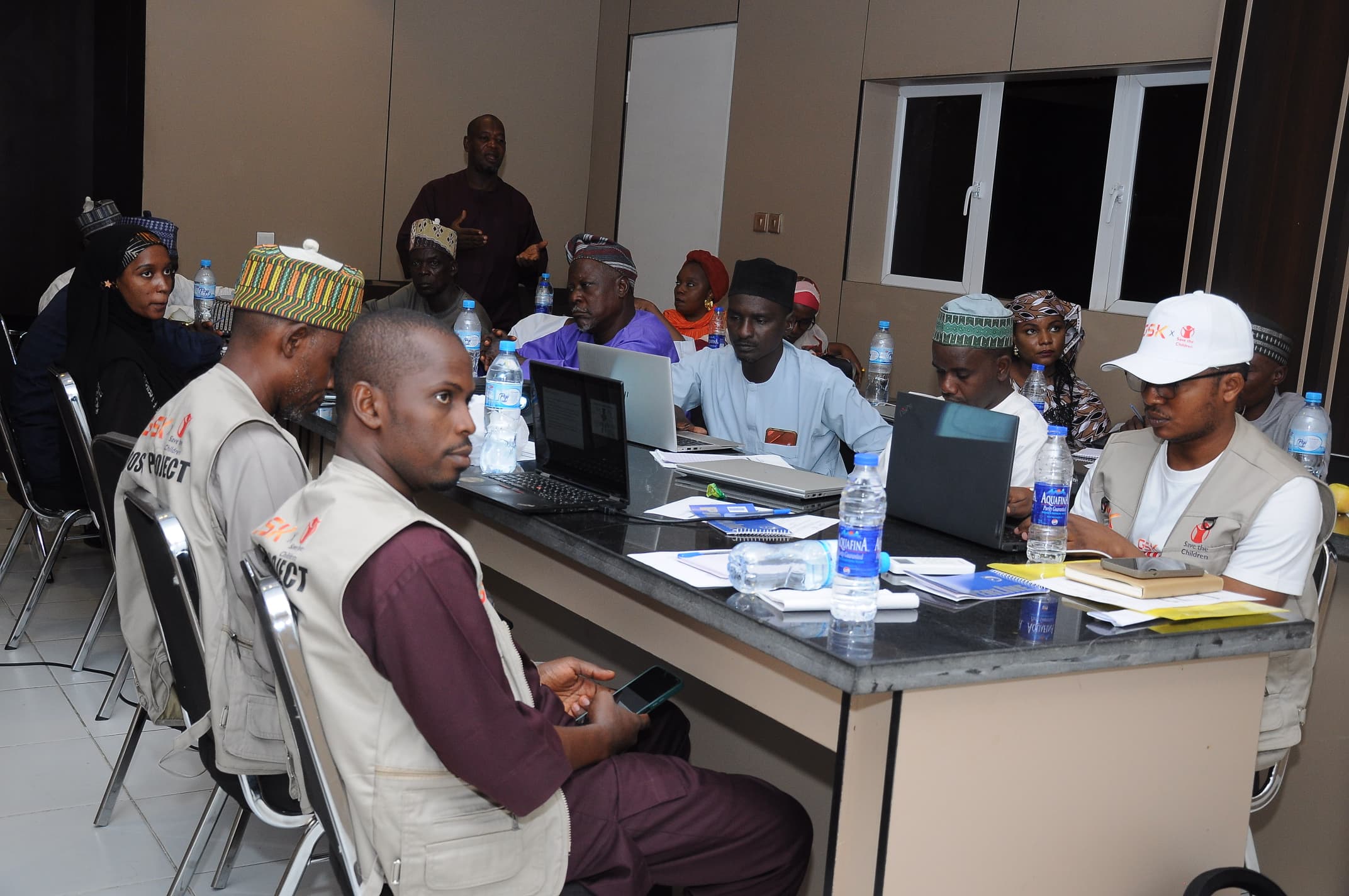
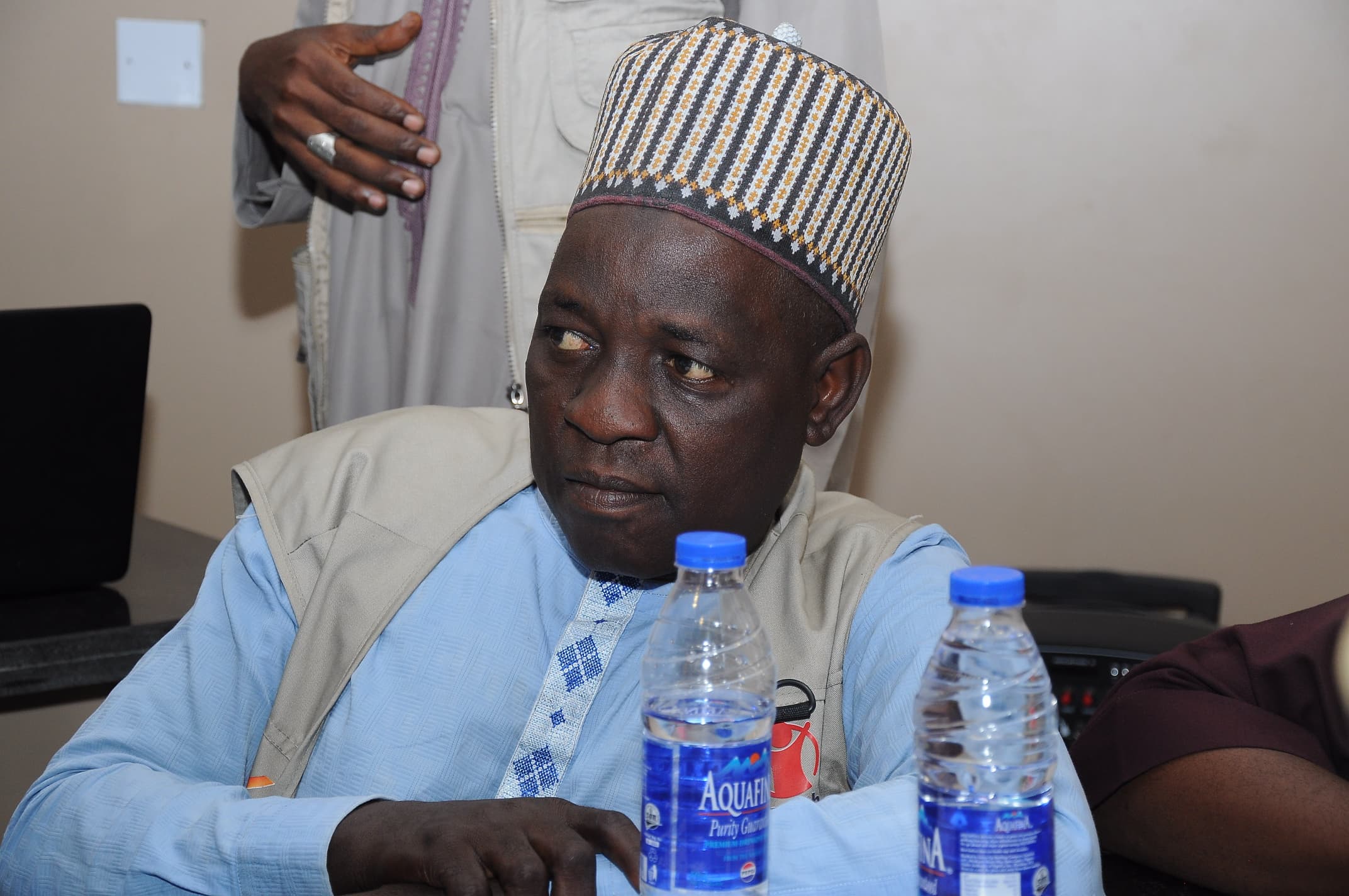
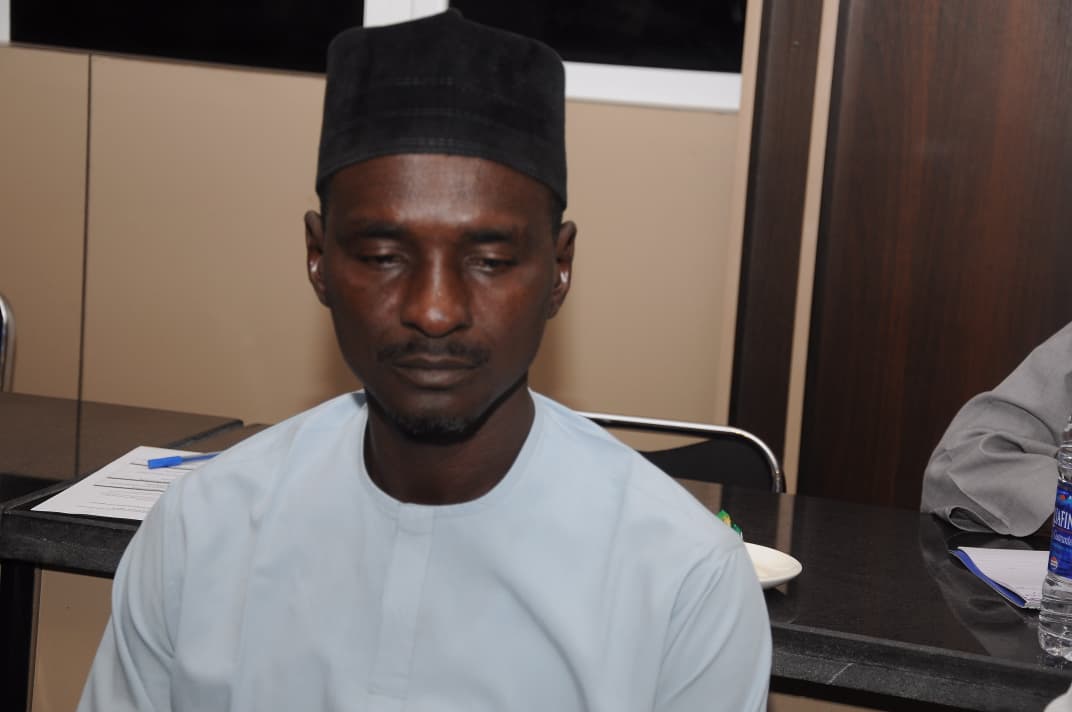
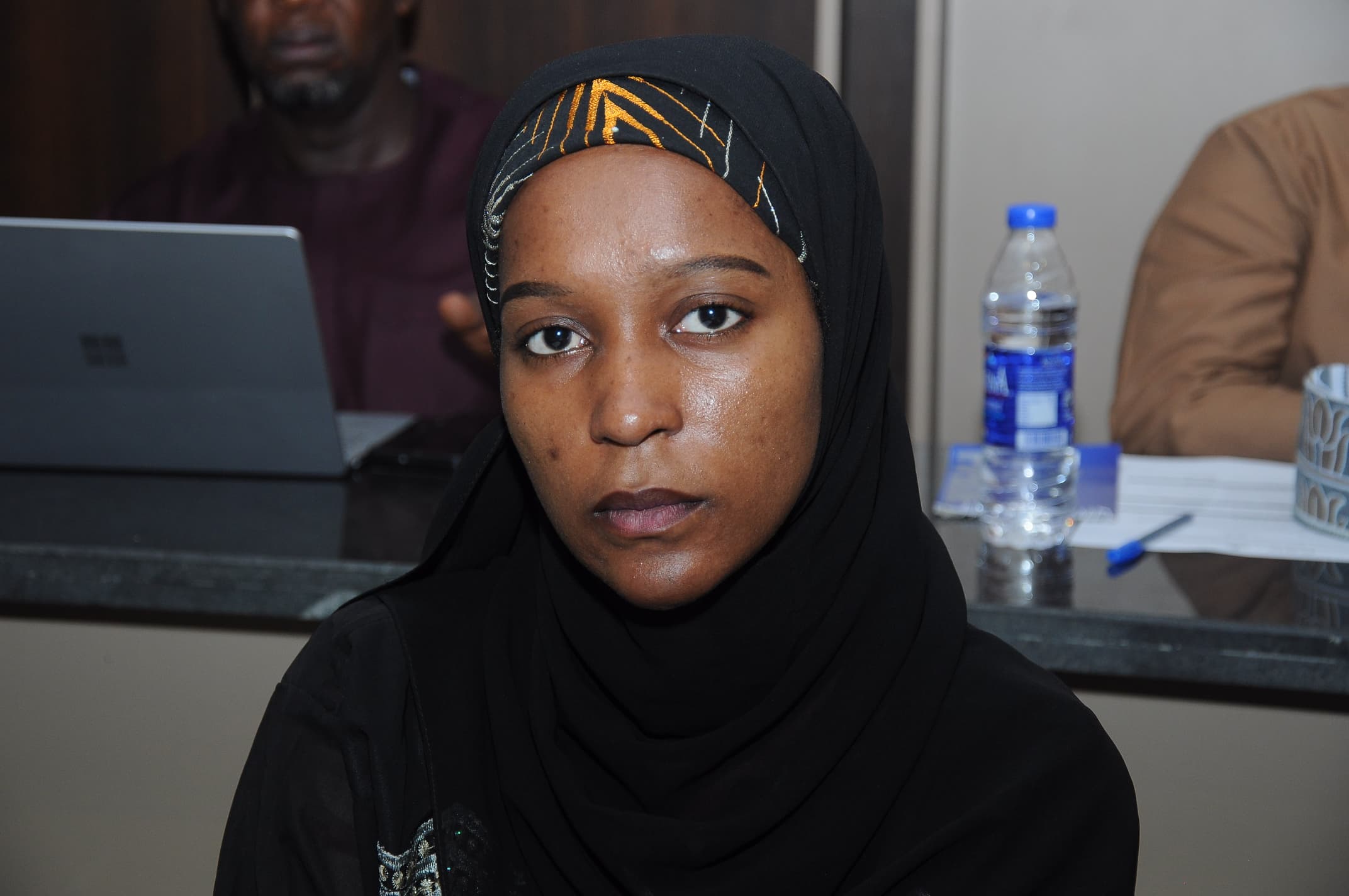
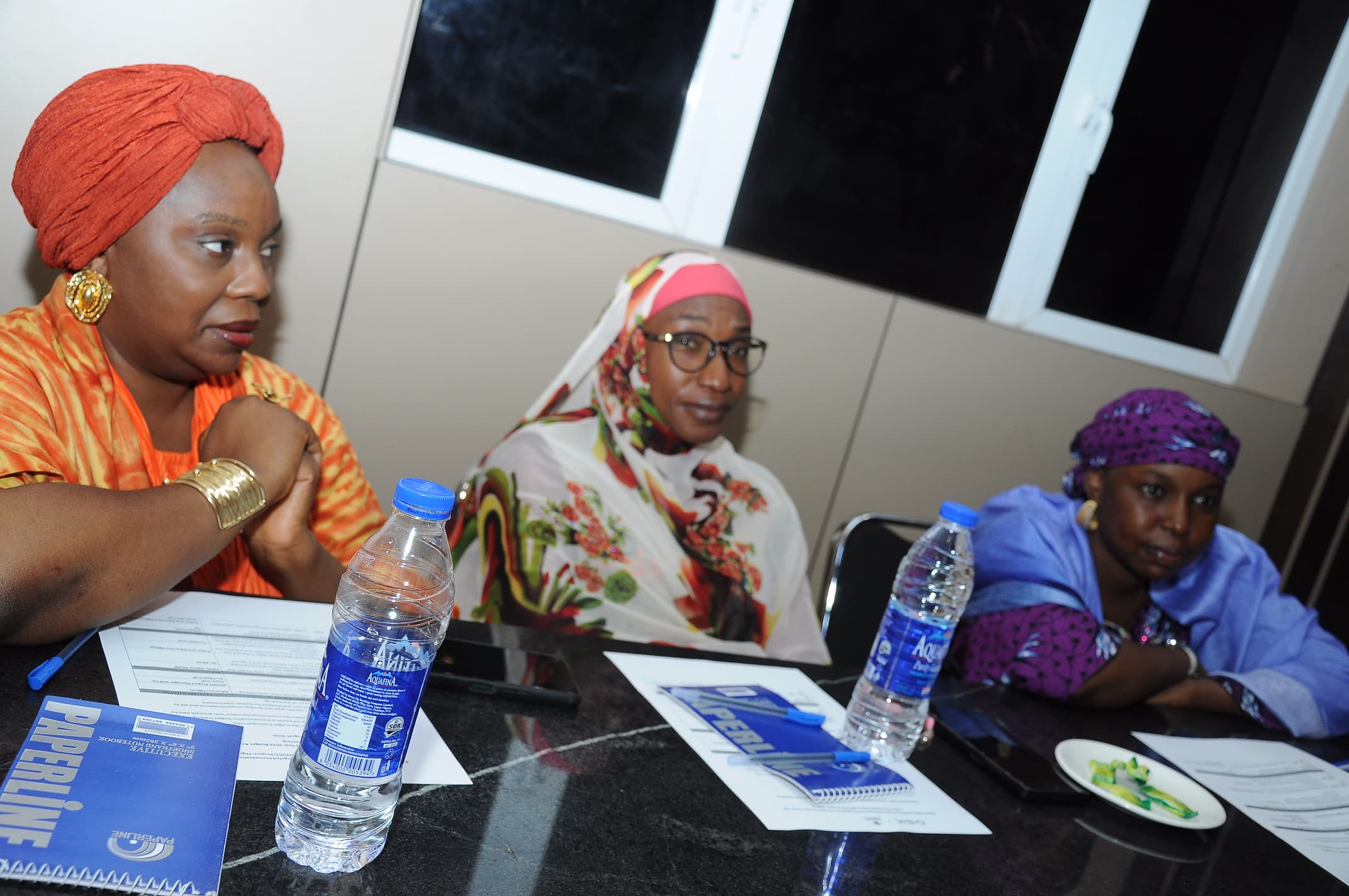
The stakeholders held a mid-year budget analysis and validation meeting on Wednesday to review, analyse and validate health and immunisation budget data for January to June 2026, identify funding and implementation gaps and develop recommendations for further engagement with relevant authorities.
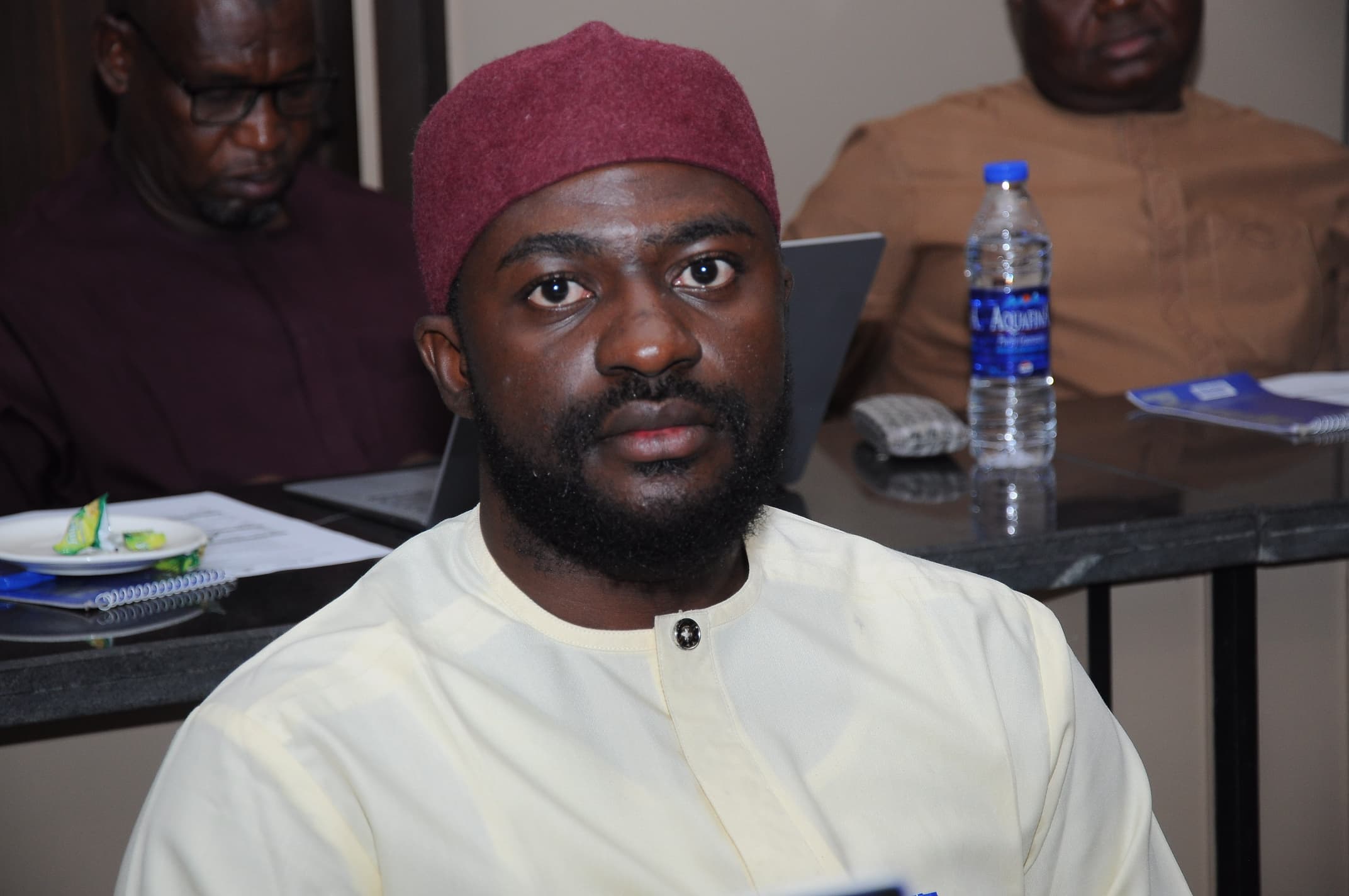
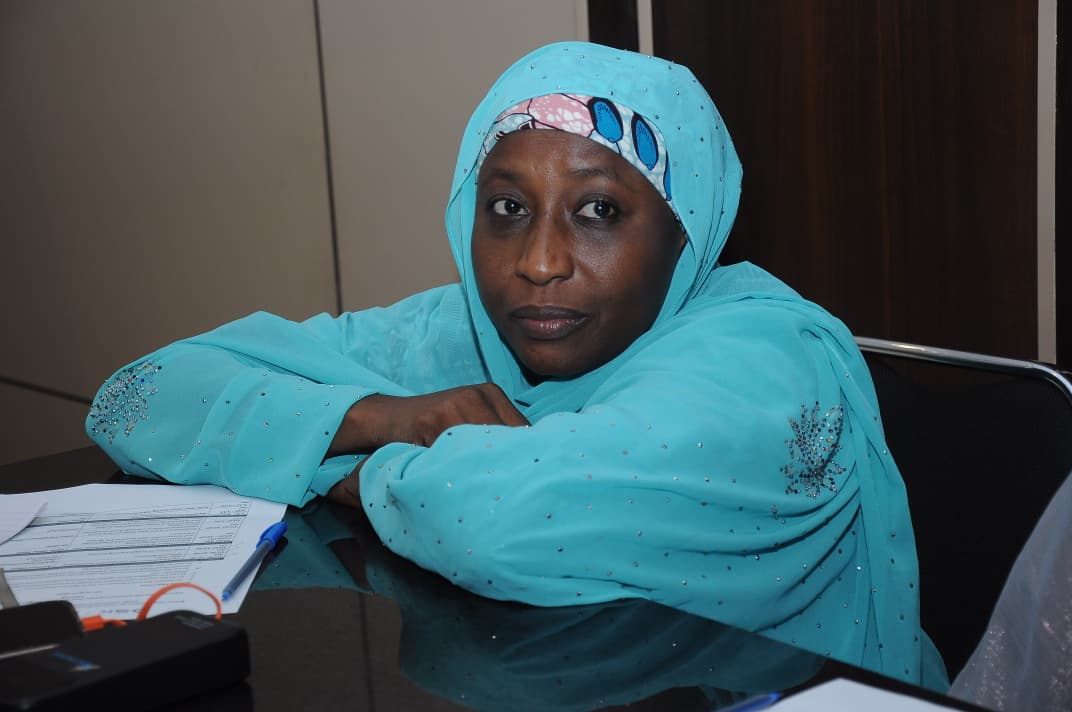
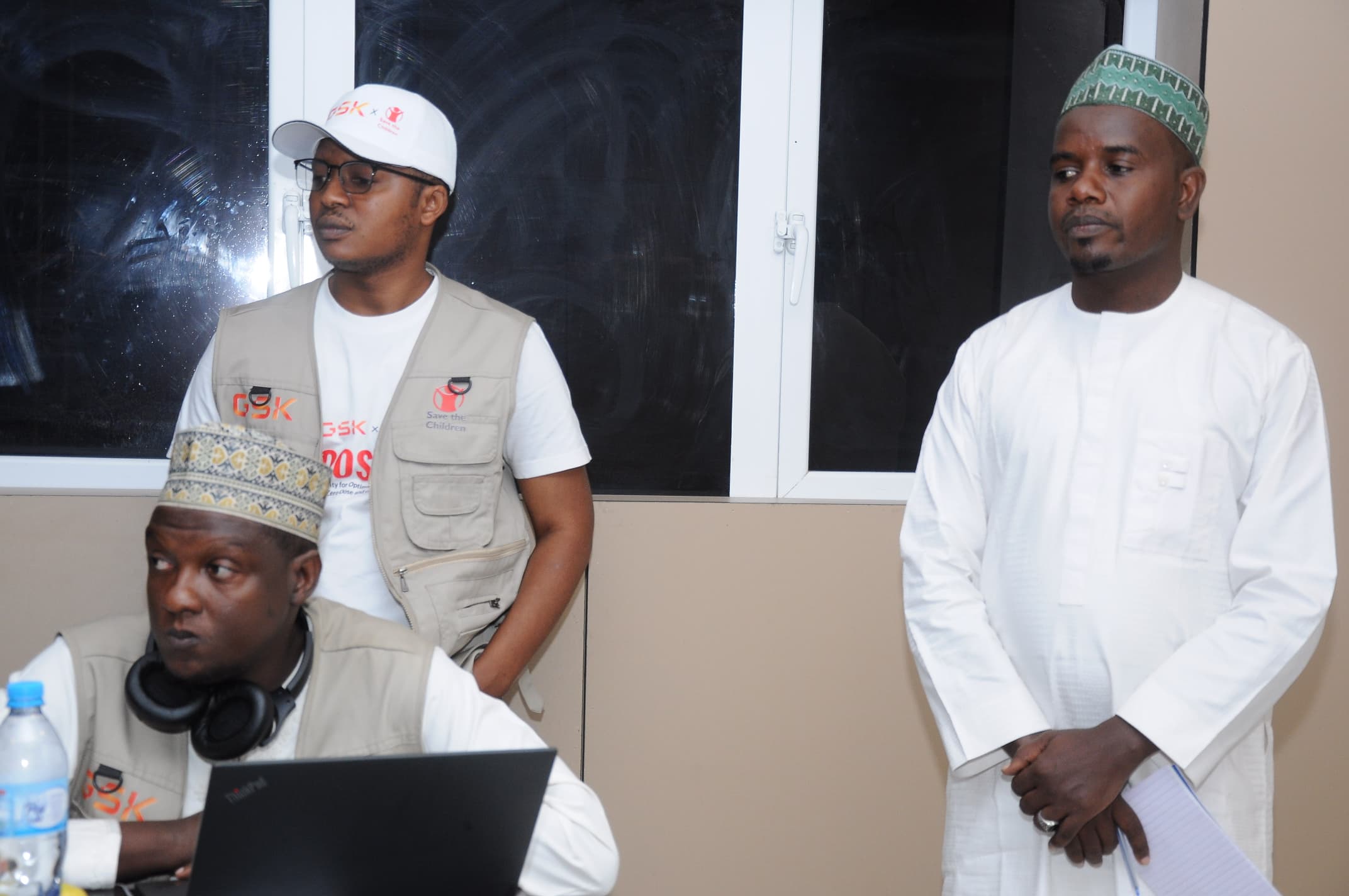
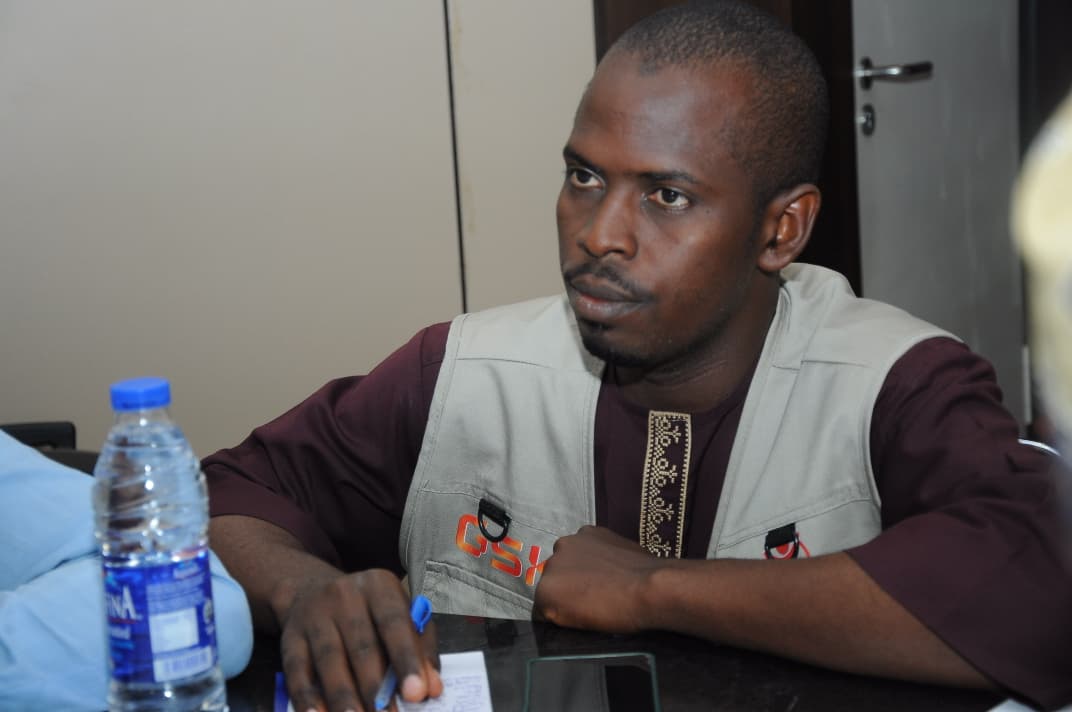
The meeting brought together members of the KN-CoP, civil society organisations, health and budget officials and other stakeholders working to strengthen routine immunisation and health financing in Kano State.
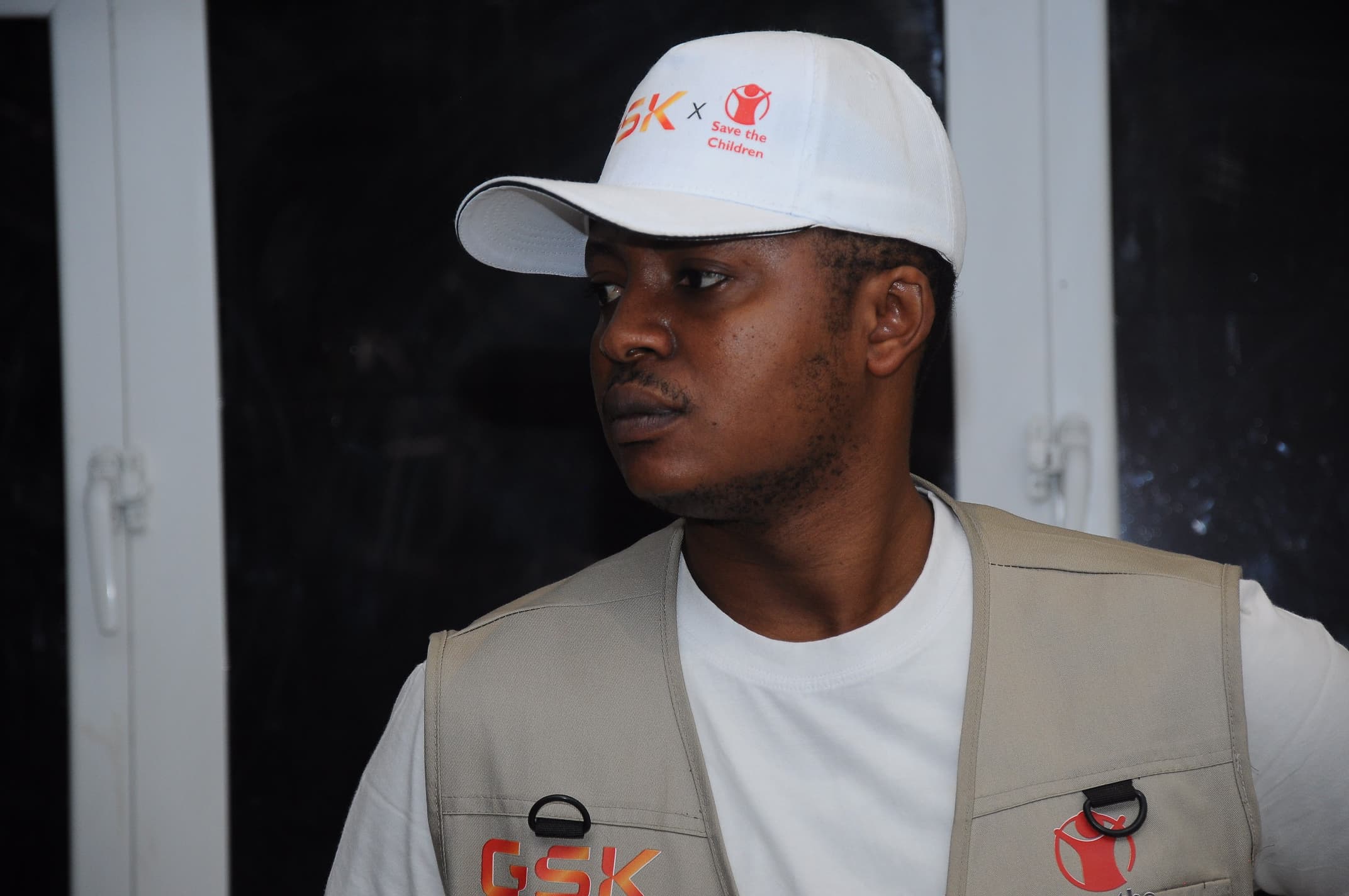
The BOOST Project, implemented by Save the Children International with funding support from GSK, is focused on reducing the number of zero-dose and under-immunised children across Kano State through targeted immunisation interventions, community engagement and advocacy.
Read Also:
Save the Children Celebrates Humanitarian Workers in Kano, Commends Frontline Sacrifices
BOOST Project, CoP Seek Legislative Action on Zero-Dose Children in Kano
SCI, community leaders strengthen push for improved immunization in Gezawa
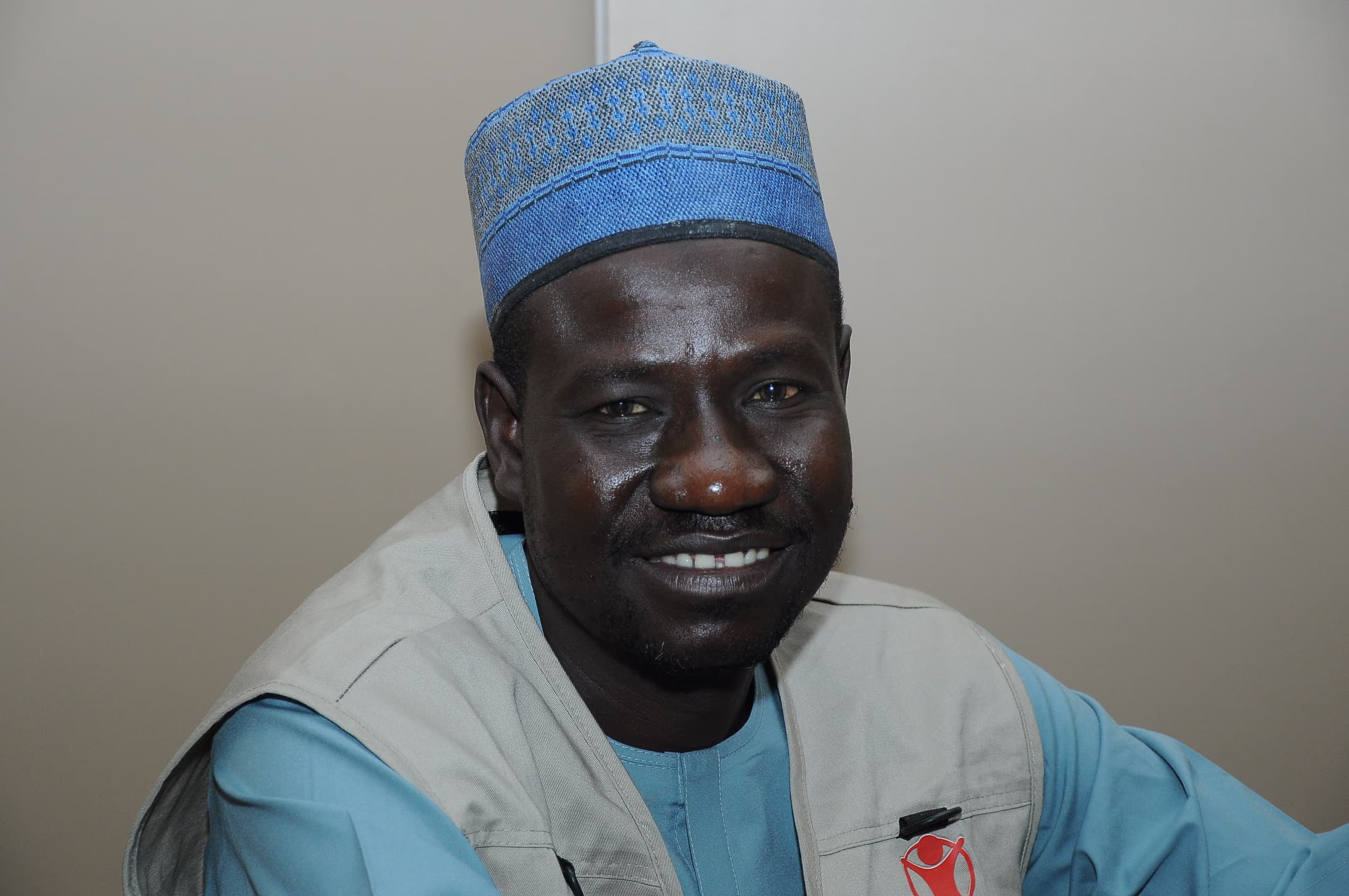
Speaking on the progress of the BOOST Project, its Project Manager, Malam Abdullahi Magama, said the initiative had recorded achievements in strengthening the capacity of health workers, creating demand for vaccination and advocating increased domestic financing for immunisation.
Magama said the project had enhanced the capacity of health workers in two target Local Government Areas, equipping them with skills to effectively administer routine vaccines to children.
He added that the project had conducted community mobilisation and awareness activities aimed at addressing misconceptions about vaccination and encouraging caregivers to demand routine immunisation services.
According to him, the project continues to engage stakeholders to advocate increased domestic funding for immunisation, particularly against the backdrop of declining international donor support and funding cuts.
Magama stressed the need for greater government intervention to bridge emerging resource gaps and ensure sustainable financing for vaccines and immunisation programmes.
He said the project was also working with community-based structures, including Community Action Cycles and Core Groups, to identify and address challenges affecting immunisation uptake at community level.
The groups, he explained, support house-to-house engagements alongside Men and Women Groups, helping to identify local barriers, address vaccine hesitancy and improve access to immunisation services for mothers and caregivers.
Magama appealed to government, civil society organisations, community leaders and development partners to sustain collaboration, advocacy and resource mobilisation efforts to protect the gains recorded by the project.
The Deputy Director of Monitoring and Evaluation at the Kano State Ministry of Planning and Budget, Malam Abdurrahman Aliyu, presented the state government’s health budget provision, releases and performance for 2024, 2025 and 2026.
The presentation provided stakeholders with an overview of budget approvals, releases and implementation performance based on data from the ministry and its official records.
The review formed part of the broader effort to assess the extent to which approved health and immunisation funds were being released and utilised, as well as identify areas requiring further improvement.
Speaking during the meeting, the Chairman of KN-CoP, Salisu Yusuf, said the coalition had continued its quarterly review of government budget performance to track progress and identify areas requiring intervention.
Yusuf expressed optimism over the state’s budget execution based on the level of releases recorded at mid-year, although he noted that the final performance assessment would depend on data from the third and fourth quarters.
He said the current trend represented an improvement compared with previous fiscal years, particularly in terms of avoiding the late-year stagnation in fund releases experienced in earlier periods.
On zero-dose immunisation, Yusuf said Kano currently accounts for 15 of Nigeria’s 100 designated zero-dose Local Government Areas.
He explained that the identification of priority LGAs remained dynamic and was based on ongoing surveys, community engagements and other data, allowing interventions to shift as particular areas improve or require additional support.
Yusuf said KN-CoP was working with Save the Children and other development partners to reduce the number of zero-dose children through coordinated interventions and community-level engagement.
He identified Kano’s large population and continuous migration from neighbouring states as factors contributing to the persistent challenge of reaching children who have not received routine vaccinations.
The KN-CoP chairman also highlighted the role of traditional and religious leaders in improving immunisation uptake, saying their influence could help health teams identify families that default on routine vaccination schedules and encourage them to return for services.
The BOOST Project Advocacy Officer, Umar Ibrahim, said the mid-year engagement was designed to enable the KN-CoP to track, analyse and validate health and immunisation budget data and measure progress recorded during the first half of 2026.
Ibrahim said the exercise would help stakeholders identify challenges relating to budget allocations and timely releases, with the findings expected to inform advocacy strategies targeting relevant government institutions.
He also stressed the importance of engaging community leaders in efforts to mobilise additional domestic resources for health and immunisation.
According to him, Local Government Areas such as Gezawa and Ungoggo have businesses, corporations and philanthropists whose resources could complement government funding for essential health services.
Ibrahim said community leaders possess valuable knowledge and influence within their communities, while civil society organisations bring advocacy expertise that could help facilitate engagement with potential local donors.
He said stronger collaboration could help mobilise resources for immunisation outreach, renovation of dilapidated health facilities and other interventions aimed at reducing the number of zero-dose children.
Photo News:

Kano emirate dispute: CSOs urge Tinubu to prevent escalation

Let the Renewed Hope Story be Heard: Tinubu’s Appointees from the North Must Take the Message to the Grassroot

FG Announces 30-day petrol discount, gives priority to public transporters

MHWUN backs efforts to reduce zero-dose children in Kano

Kano emirate dispute: Abba, Bayero’s senior counsellor meet in Abuja
ABCOAD Unveils Journal, Bids Farewell to Provost

Nigerian Army Begins DSSC 29/2026 Recruitment, Outlines Eligibility Criteria
2027: NDC Releases Full List of Consensus Candidates in Kano

Gaya Polytechnic Opens Recruitment, Advertises 46 Academic, Non-Academic Positions