Feature
Kano N26.5bn Govt House Spending: Kiru Demands Accounting Clarity

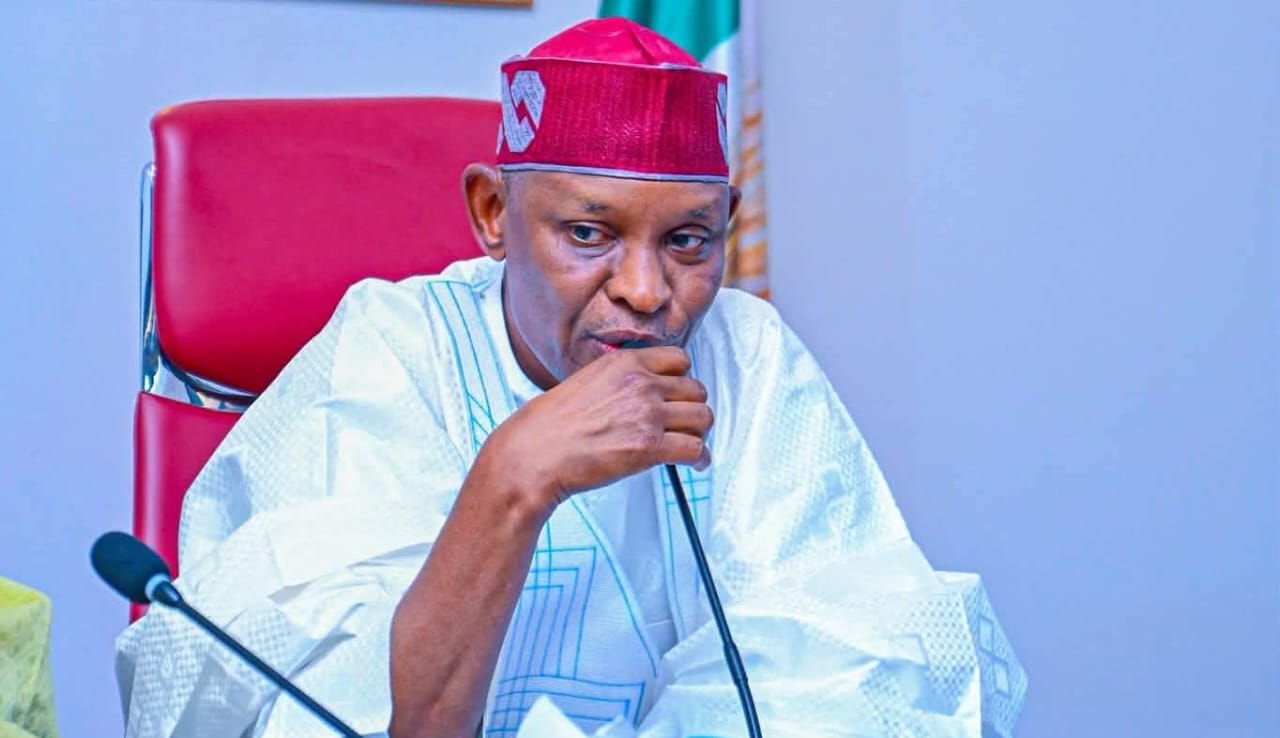
A Kano-based public affairs commentator, Hon. Muhammad Sanusi S. Kiru, FCIA, has called for greater clarity in the interpretation of figures contained in the Kano State Government’s Second Quarter 2026 Budget Performance Report, following a report that the state spent about ₦26.5 billion on the Government House, Governor’s Office and travels during the first six months of the year.
Kiru, in a statement titled “Setting the Records Straight from the Published Budget Performance Report,” said the N25.869 billion expenditure figure contained in the official report should not be interpreted as the personal expenditure of Governor Abba Kabir Yusuf or spending exclusively incurred by the Governor’s immediate office.
He explained that the figure was recorded under a broader Government House administrative classification covering several offices, directorates, establishments and governmental functions.
The clarification follows a report by PUNCH Newspaper which stated that Kano spent N25.87 billion on the Government House and Governor’s Office between January and June 2026, alongside N626.95 million recorded for travels and transportation, bringing the combined figure to approximately N26.5 billion.
Read Also:
Kano Spends N26.5bn on Govt House, Governor’s Office, Travels in Six Months
Ganduje salutes Sultan, Babangida on 70th, 85th birthdays
Kaduna 2027: NDC has no governorship candidate yet, says state chairman
The PUNCH report had also clarified that the expenditure did not represent the governor’s personal salary or private spending, but covered official and administrative activities, including personnel costs, maintenance of facilities, security, official functions and other expenses associated with the operation of the state executive arm.
Government house proper recorded N3.288bn
According to Kiru, a closer examination of the official budget performance report showed that Government House proper, under administrative code 011100100100, recorded cumulative expenditure of approximately N3.288 billion as of June 2026.
He said the figure was against an approved annual provision of approximately N39.514 billion, representing about 8.3 per cent utilisation at the end of the first six months.
Kiru said the distinction was important because the wider N25.869 billion classification encompassed expenditure attributable to several government establishments.
He listed the Deputy Governor’s Office, Protocol Directorate, Media and Publicity establishments and other offices and agencies among the components covered by the broader classification.
He further cited the Deputy Governor’s Office, saying the report showed approximately N4.471 billion recorded as capital expenditure under the office.
Kiru questions N626.95m travel classification
Kiru also drew attention to the N626.95 million reported as expenditure on travels and transportation.
He said the N626,947,782.13 figure appeared in the official Second Quarter 2026 Budget Performance Report under the Primary Healthcare expenditure section, specifically against “Local Travel and Transport: Training.”
He therefore argued that the figure required proper contextualisation before being presented as expenditure associated with the Governor’s travels.
According to him, where an expenditure is classified under Primary Healthcare and relates to local travel and transport for training, it should not automatically be presented as the Governor’s travel expenditure without further evidence establishing such a connection.
Government house expenditure declined
Kiru also highlighted a decline in the broader Government House administrative expenditure compared with the corresponding period of 2025.
According to the figures, expenditure fell from approximately N28.84 billion in the first half of 2025 to N25.87 billion in the first six months of 2026, as earlier reported by PUNCH newspaper.
The reduction amounts to about N2.97 billion, representing approximately 10.3 per cent.
Kiru said the year-on-year reduction should form part of the context when assessing the state’s expenditure on the executive administration.
He stressed that his intervention was not aimed at shielding the government from scrutiny, but at ensuring that public financial information was interpreted according to its accounting and administrative classifications.
“Accountability is not served by shielding government from scrutiny. Neither is it served by presenting legitimate public expenditure figures without their necessary administrative and accounting context,” he said.
He urged citizens and the media to continue scrutinising public expenditure while ensuring that figures contained in official financial documents were presented accurately and fairly.
“The records are public. The figures can be verified. Let the facts speak for themselves,” Kiru said.

Tinubu’s Kaduna Campaign Eve: Dan’agundi leads thousands of supporters to governor Uba Sani in Massive show of solidarity

Gwarzo’s exclusion: NDC races against time as INEC deadline nears

2027: Mariya Bunkure takes key women affairs role in Kano APC campaign

2027: Kano Governor Names Former Education Commissioner Kiru Campaign Spokesperson II

Sa’adatu Rimi College of Education Hosts NCCE Training as Experts Push Practical Agricultural Education
ABCOAD Unveils Journal, Bids Farewell to Provost

Nigerian Army Begins DSSC 29/2026 Recruitment, Outlines Eligibility Criteria
2027: NDC Releases Full List of Consensus Candidates in Kano

Gaya Polytechnic Opens Recruitment, Advertises 46 Academic, Non-Academic Positions