The Historica Nigeria

Feature

Africa, Feature, International

Saif al-Islam Gaddafi Buried in Bani Walid as Libya Marks the End of Political Era

Saif al-Islam Gaddafi, son of former Libyan leader Muammar Gaddafi, was laid to rest in the city of Bani Walid following his death in Zintan, marking a moment of renewed historical reflection on Libya’s political past and the legacy of the Gaddafi era. Thousands of mourners attended the funeral, including supporters of the former Libyan government, as the burial took place beside his late brother. The ceremony drew attention not only for its turnout but also for its symbolism, reopening discussions about a period that shaped Libya’s modern political history. A Funeral That Reopened History The burial in Bani Walid, a city long associated with loyalty to the former government, became a focal point for reflection on Libya’s past leadership and the years preceding the 2011 uprising. The presence of former regime supporters and the display of historical symbols underscored the enduring influence of the Gaddafi period in parts of Libyan society. Read Also: Why the Killing of Saif al-Islam Gaddafi Matters for Libya How Muammar Gaddafi’s Son, Saif al-Islam, was Killed in Zintan Mali, Burkina Faso, Niger Strengthen Unity with Launch of AES Television While the funeral remained largely ceremonial, it highlighted how deeply the legacy of the former political order continues to resonate more than a decade after its collapse. Saif al-Islam Gaddafi’s Public Role Saif al-Islam Gaddafi was one of the most visible figures of Libya’s leadership in the years leading up to 2011. Educated abroad, he played a prominent role in international engagement and domestic political discussions, particularly during the 2000s. He was frequently associated with government reform initiatives and represented the Libyan state in high-level dialogues with foreign governments and international institutions. His public standing placed him at the center of national attention during Libya’s most turbulent political period. Libya Under Muammar Gaddafi: Historical Context Libya under Muammar Gaddafi, who ruled from 1969 until 2011, operated within a centralized political framework shaped by revolutionary governance structures. Political authority was tightly controlled, and state institutions functioned under a system that did not accommodate formal opposition parties. Throughout the late 20th century, the government relied on public trials, executions, and extensive state surveillance as part of its governance approach. Events such as the 1996 incident at Abu Salim prison later became significant reference points in discussions about state authority and political control in Libya. The 2011 Uprising and a Turning Point When nationwide protests broke out in February 2011, Saif al-Islam addressed Libyans in a nationally broadcast speech, outlining the leadership’s position on the unfolding crisis. His remarks focused on national unity, economic stability, and the risks associated with political fragmentation. During this period, some segments of the population viewed him as a possible intermediary between the state and the protesters, given his earlier involvement in reform-oriented initiatives. However, he remained aligned with the existing leadership structure as events rapidly unfolded. Burial as a Moment of National Memory The funeral of Saif al-Islam Gaddafi has since been viewed as more than a private burial. For many Libyans, it served as a moment to revisit the political era that ended in 2011 and to reflect on the long-term consequences of that transition. As Libya continues to navigate its post-revolution identity, events such as this funeral highlight how history, memory, and political legacy remain deeply intertwined. A Figure in Libya’s Modern History Saif al-Islam Gaddafi’s life and death are closely linked to one of the most transformative periods in Libya’s history. His burial in Bani Walid has reinforced his place in the national narrative, not only as the son of a former leader but as a public figure whose story remains part of Libya’s ongoing historical discourse. (Libya Herald)

Feature, Kano

Woman of Substance: Honouring the Life and Legacy of Hajiya Umma Lawal Dodo – By Aminu Lawal Hussein

By Aminu Lawal Hussein Inna lillahi wa inna ilaihi raji’un! Hajiya Umma Lawal Dodo, our woman of substance, returned to her Lord on the 7th of February 2026 in Cairo after a long illness, at the age of 52. She was born on 2nd February 1974 in Kano, where her journey of faith, learning, service, and love began and blossomed. From her earliest days, it was clear that Umma was not an ordinary soul; she carried within her a rare combination of strength, compassion, and quiet dignity that touched everyone who crossed her path. Born and raised in Kano, she began her education in the city that shaped much of her character and outlook on life. She attended her nursery and primary school in Kano, before moving on to Taura Girls Secondary School in Jigawa, where she continued to distinguish herself with discipline, intelligence, and focus. Her passion for justice and fairness led her to study Law at Bayero University Kano, Nigeria, a choice that reflected the values she lived by: integrity, responsibility, and a deep sense of right and wrong. Professionally, Umma Lawal built a career that mirrored her commitment to public service and ethical conduct. She worked with the Kano Anti-Corruption body, standing firmly on the side of accountability and justice. She later served in the banking sector with Union Bank and Intercontinental Bank (now Access Bank), where her honesty, hard work, and reliability earned her the respect of colleagues and clients alike. Eventually, she transitioned into the world of academia, joining Northwest University, Kano, as a non-teaching staff member. Through dedication and perseverance, she rose to the position of Chief Registrar, a role in which she continued to serve with humility, professionalism, and grace. Beyond her achievements on paper, it is the story of her heart that truly defines who she was. In the family, she was not just Umma Lawal, she was our beloved “Anty Umma.” To call her a sister, an aunt, or a relative feels too small; she was a pillar, a shelter, and a source of strength to us all. She married Alhaji Garba Aliyu Hungu, and together they built a home rooted in love, respect, and mutual support. Read Also: 2025 in Memoriam: Nigerians and Global Icons Who Left a Lasting Legacy Anty Umma was a woman who loved beyond the normal boundaries people set for themselves. She carried everyone in her heart, her mother, her siblings, her extended family, and even those who were not related by blood but became family through her kindness. She worked round the clock to support her mother and siblings, always putting others before herself, always asking, “How can I help?” long before thinking of her own comfort. That is why I call her a woman of substance: because her life was not defined by what she had, but by what she gave. Although Allah, in His infinite wisdom, did not grant her biological children of her own, He placed in her the heart of a mother. All the children in the family saw Anty Umma as their mother; they all call her MAMI, a safe place to run to, a voice of guidance, a hand of support, and a lap of comfort. She attended to their needs, celebrated their successes, corrected them with love, and prayed for them with sincerity. To the younger ones, she was a role model. To the older ones, she was a dependable anchor. To her peers, she was a true friend. To her mother and siblings, she was a blessing that cannot be replaced. Illness tested her body, but it did not break her spirit. Even in times of pain, she remained patient, composed, and surrendered to the will of Allah. She faced her trials with the same quiet strength that she used to carry the burdens of others. Her life reminds us that true honour is not in how long we live, but in how deeply we touch the lives of others while we are here. Today, as we mourn her passing, our hearts are heavy, and the loss feels impossible to describe. We have lost a daughter, a wife, a sister, an aunt, a colleague, a guide, and a friend. But we also know that Allah does not take anything except to give something better, and that the soul that lived in service, sincerity, and compassion will find its reward with Him. In the midst of this fresh and painful loss, our hearts are also drawn to the loved ones we have recently returned to Allah from the same family. We remember with deep sorrow and gratitude our beloved mother, Hajiya Aisha (fondly known as Anty Iya), who passed away on 21 December 2024, our dear uncle, Alhaji Aminu Hussein (Abbaaah), who left us on 18 February 2025, and our elder brother, Alhaji Kabir Elhussein, who returned to his Lord on 24 August 2025. Each of them was a pillar in their own way, and their departures, followed now by that of our cherished Anty Umma, have created a chain of grief that only Allah can help us bear. Yet, even in this succession of losses, we find comfort in knowing that they lived lives of love, service, and faith, and we pray that Allah, in His infinite mercy, reunites them all in Jannatul Firdaus and grants us the strength to remain steadfast and patient. On behalf of the family, and as her uncle, I, Aminu Lawal Hussein, offer this tribute with love and deep respect for the beautiful life she lived. Words will never be enough to capture the fullness of who she was, but we pray that these lines bear witness to her goodness in this world and become a means of mercy for her in the next. We pray: Ya Allah, forgive your servant, Umma Lawal Dodo. Have mercy on her, overlook her shortcomings, and accept all her good deeds. Make her grave a garden from the gardens of Jannah. Grant her light, comfort,

Feature, National

“The Road of Broken Promises”: Documentary Probes Kaduna–Abuja Highway Crisis

A new investigative documentary has raised fresh concerns over the prolonged delay and rising human cost associated with the reconstruction of the Kaduna–Abuja highway, revealing that more than 200 people were killed in road crashes along the route between 2023 and 2025, with hundreds more sustaining injuries. The documentary, titled “The Road of Broken Promises,” was produced by Political Advantage Platform, a digital media organisation and producer of The PAPShow podcast. It was released earlier this week and has since sparked renewed public debate on accountability and infrastructure delivery. According to the documentary, despite billions of naira reportedly expended on the highway project, the critical road corridor which links Nigeria’s capital to the northern region remains incomplete, exposing motorists to persistent danger. The production combines documented facts, field investigations, expert analysis, and interviews, tracing the history of the project from the initial contract award to the series of delays that have characterised its execution. Read Also: Lere: A Historic Fulani Settlement and Cultural Crossroads in Kaduna Of particular concern are revelations from former engineers of Julius Berger, who provided insider accounts on the project’s early stages and operational challenges. The documentary also details efforts made by the producers to obtain responses from Julius Berger and the Federal Ministry of Works, highlighting issues of transparency and public communication. The documentary further alleges that the company currently handling the project lacks a functional website, verifiable email address, or identifiable physical office, raising questions about oversight and due diligence in the award and continuation of the contract. Political Advantage Platform described the documentary as an exposé aimed at drawing national attention to the safety implications, governance gaps, and humanitarian consequences of delayed infrastructure projects. Members of the public are encouraged to watch the full documentary on the YouTube channel of Political Advantage Platform and across its social media platforms under the handle @papshowng. Link: https://youtu.be/hXjQRYj7Ae8?si=HYJddclfEN90vhjo

Africa, Feature, International

Why the Killing of Saif al-Islam Gaddafi Matters for Libya

Saif al-Islam Gaddafi, the son of Libya’s former leader Muammar Gaddafi, has been killed in the northwestern city of Zintan, family members and associates have confirmed. He was 53. The killing, which occurred on Tuesday, has renewed attention on Libya’s fragile security situation and its unresolved political crisis more than a decade after the fall of the Gaddafi regime. What Transpired in Zintan? According to Saif al-Islam’s adviser, Abdallah Othman Abdurrahim, four armed men stormed his residence in Zintan after disabling surveillance cameras and shot him dead before fleeing. No official statement has yet been issued by Libyan authorities. His cousin, Hamid Gaddafi, told Libyan broadcaster al-Ahrar that the family was informed Saif al-Islam had “fallen as a martyr.” Why Zintan matters Zintan is a mountainous city where Saif al-Islam was previously held by local militias following his capture during the 2011 uprising that toppled his father. The city has long played a complex role in Libya’s post-revolution power struggles. Who was Saif al-Islam Gaddafi? Educated in Libya and abroad, Saif al-Islam was once portrayed as a reform-minded figure and was widely seen as Muammar Gaddafi’s preferred successor before the Arab Spring. Although he never held a formal government position, he was often described as a de facto power broker in the years leading up to the 2011 revolt. Read Also: How Muammar Gaddafi’s Son, Saif al-Islam, was Killed in Zintan Chad Closes Border With Nigeria Over Security Concerns, Cites U.S. Military Movements in West Africa Mali, Burkina Faso, Niger Strengthen Unity with Launch of AES Television His political standing collapsed during the uprising after he delivered a defiant speech warning of “rivers of blood” if protests against the regime continued. His legal and political history After his capture in November 2011, Saif al-Islam became the subject of an arrest warrant issued by the International Criminal Court over alleged crimes linked to the violent suppression of protests. In 2015, a Libyan court sentenced him to death in a controversial trial, but he was later released under an amnesty law. For years, his whereabouts remained unclear until he resurfaced in 2021 to register as a presidential candidate in Libya’s delayed elections, which were later postponed indefinitely amid legal disputes and political deadlock. Why his death matters Analysts say Saif al-Islam’s killing could have far-reaching political implications. Libya expert Emadeddin Badi described him as a deeply polarising figure whose possible return to power had become a central issue in the country’s stalled electoral process. His death, analysts argue, could elevate him as a symbolic figure for supporters of the former regime while reshaping political calculations ahead of any future elections. Libya remains divided between a UN-backed government in Tripoli and rival authorities in the east aligned with military commander Khalifa Haftar, with no clear resolution to the country’s prolonged instability.

Feature, Kano, Politics

Ganduje-Gov Yusuf Alignment Opening New Era of Effective Governance in Kano

By Umar Idris Shuaibu  The recent political alignment between Former Governor Abdullahi Umar Ganduje and Governor Abba Kabir Yusuf marks a critical turning point for governance in Kano State. Beyond the ever-present political headlines, the development presents an opportunity to restore, improve coordination and refocus governance on service delivery rather than political rivalry or power struggle, which have shaped the state for many years. Governance in Kano has never lacked ideas, but overlapping influence, informal power centres and quiet but prominent political vendettas slow down decision-making and cause unnecessary tension. The result is always abysmal when unelected actors or rival blocs attempt, at all cost, to impose themselves upon an administration. This is in essence what the Ganduje-Governor Abba alignment intends to weed out. Contrary to the fears often associated with political realignments, Dr Abdullahi Uamr Ganduje has not, and will never, positioned himself as a domineering force seeking to micromanage the present government. Instead, his posture reflects political dexterity, allowing constitutional authority to rest squarely with the sitting governor, while offering wealth of experience, networks and support where necessary. Read Also: Ganduje Describes Abba Yusuf’s Defection to APC as New Era for Kano This restraint is crucial, as governance works best when advice strengthens institutions, not when influence is allowed to override them. Gov Yusuf On the other hand, Governor Abba Kabir demonstrates a calm, respectful and people-oriented leadership style. His openness to dialogue, consensus and inclusive governance has earned him goodwill across political lines. Alignment in this context does not weaken this; it reinforces it by reducing friction and by forcefully isolating destabilizing elements that thrives on division. Why? Decision-making Decision-making becomes faster and clearer when there is no shadow power contesting authority. Policies move from conception to implementation without unnecessary bottlenecks, perhaps deliberate encumbrances, caused by internal resistance or loyalty checks. Institution Primacy Institutions regain their primacy. Kano ministries, departments and agencies can function better when directives come from one recognized centre of authority, backed by broad political support rather than competing interests. Alignment Alignment helps lower the political temperature of the state. Investors, development partners and civil servants all respond positively to signals of unity and predictability. In this regard, Kano state under the leadership of Governor Abba Kabir Yusuf will benefit from it politically and economically, being both political and economic. Significantly, the absence of imposed influence will allow the governor to fully govern to empower the people, rather than massage egos or settle scores. The energy that would have gone into managing clashes can now be redirected toward education, infrastructure, healthcare and economic opportunity. The current political realities in Kano state should not be misunderstood as the triumph of one individual over another; it represents a shared understanding that Kano’s progress matters more than factional dominance. Mature politics is not about who shouts the loudest behind the scenes, but about who allows institutions to work. If sustained, the Ganduje-Governor Yusuf alignment could well become a model for post-election reconciliation and cooperation, a juncture where experience supports leadership, respect replaces rivalry and governance is free from drag of imposed, or external, control. For Kano state, this alignment is not just good politics; it is good governance.

Feature, Kano, Politics

APC is a Living Party, Ganduje Says as Kano Govt Joins Ruling Platform

Umar Idris Shuaibu, Kano The immediate past National Chairman of the All Progressives Congress (APC) and Chairperson of the Board of the Federal Airports Authority of Nigeria (FAAN), Dr. Abdullahi Umar Ganduje, has described the recent defection of the Kano State Government to the APC as a deliberate and strategic decision aimed at aligning the state with the Federal Government to accelerate development and improve the welfare of its people. Speaking in an interview with the editor ‘The Historica Nigeria‘ Umar Idris Shuaibu in Abuja, Dr. Ganduje said the Kano State Government’s decision to join the APC reflects a growing realization that the ruling party remains the most viable platform for sustainable governance in Nigeria. According to him, the APC is not only expanding in numbers but also attracting what he described as “quality followers” across the country. “The Kano State Government has seen clearly that the APC is a living party, a party that is increasing in followers, and not just in numbers but in quality,” Ganduje said. Dr. Ganduje traced the political developments in Kano to the aftermath of the 2023 general elections, noting that the APC’s loss of the governorship paved the way for the emergence of the New Nigeria Peoples Party (NNPP) administration, which he said soon descended into internal crises. He explained that persistent disagreements, litigations, and factional conflicts within the NNPP eventually weakened the party, prompting Governor Abba Kabir Yusuf, “in his wisdom,” to defect to the APC. Read Also: Coups, Counter-Coups and the Cost to Nigeria Ganduje Commissions Zero-Emission Electric Vehicles at Nnamdi Azikiwe International Airport FG Set to End HND–Degree Divide, Empowers Polytechnics to Award Degrees “The unfortunate situation of not winning the government in 2023 led to the coming of the NNPP administration. But later, the party went into disarray, disagreements and litigations everywhere. The governor, in his own wisdom, decided to cross-carpet to our party, the APC,” Ganduje stated. He further recalled that before 2015, both he and the governor were members of the Peoples Democratic Party (PDP), stressing that political movements in Kano have often been driven by personal ambitions rather than ideology. Ganduje said the earlier defection from the APC was influenced by the presidential ambition of Senator Rabiu Musa Kwankwaso, which, according to him, failed due to a miscalculation of nationwide political appeal. “Unfortunately, he could not assess his popularity at the national level, and that resulted in a great loss, forcing him to move to another party,” he added. With Kano now under APC control, Dr. Ganduje expressed confidence that the party is politically strong and institutionally positioned to deliver good governance, raise living standards, and mobilize support for President Asiwaju Bola Ahmed Tinubu’s second-term bid in 2027. “As of now, we are happy. We are strong enough, we have a government, and we are ready to work for the people, to improve their living standards, for Asiwaju Bola Ahmed Tinubu to secure a second term, and for the governor himself. That is what we are anticipating,” he said. Why Northerners Will Back Tinubu Again Addressing growing conversations around northern support for President Tinubu’s re-election, Ganduje framed the issue within Nigeria’s long-standing zoning arrangement between the North and South. He recalled that the late President Muhammadu Buhari served for eight years, after which power politically shifted to the South, culminating in Tinubu’s victory in 2023 with significant northern backing. Ganduje described President Tinubu as an astute politician with proven administrative capacity, citing his tenure as governor of Lagos State, widely regarded as Nigeria’s most complex sub-national economy. He also recalled Tinubu’s three-day colloquium in Kano ahead of the 2023 election, describing it as a turning point that reshaped northern public opinion in his favour. “Now that he is completing his first term by 2027, we expect him to continue with a second term. After that, the presidency will naturally return to the North. That is one of the reasons northerners are confident in supporting him,” Ganduje said. Reforms, Infrastructure, and Economic Direction Dr. Ganduje pointed to President Tinubu’s ongoing reforms as critical to Nigeria’s long-term economic stability, social development, and national unity. He highlighted the continuation of major infrastructure projects initiated under the Buhari administration, including the Ajaokuta–Kaduna–Kano (AKK) Gas Pipeline, the expansion of the national railway network from Lagos through Ibadan, Kaduna, Kano, Dambatta, Kazaure, Daura, Katsina, and onward to Maradi in Niger Republic. He also referenced major highway projects linking Lagos to Sokoto and the coastal superhighway connecting the South-West to Cross River and Calabar. According to Ganduje, improved federal revenue inflows have enabled state governments to meet salary obligations without frequent federal intervention, a sharp contrast to previous years. Inflation, Cost of Living, and Regional Realities Responding to public concerns over inflation and rising living costs, Ganduje urged Nigerians to view the issue within a global context, warning against regional comparisons that oversimplify economic realities. “Inflation is everywhere. Do you think things are cheaper in the South?” he asked rhetorically. He cites an example with the historical differences in educational development between the North and South stem from the distinct paths through which Western education and Islam entered Nigeria. On food inflation, Ganduje argued that northern Nigeria remains relatively insulated due to its agricultural dominance. “We farm in the North; we produce the food Nigerians consume. Prices of food items and grains are gradually coming down. It is a global challenge, but the impact is not the same everywhere,” he said. Security Challenges and Ongoing Efforts On insecurity, Ganduje acknowledged that Nigeria’s security challenges predate the current administration, tracing their roots back to the Obasanjo era, through the Jonathan and Buhari administrations. He recalled the height of the Boko Haram insurgency when several local governments in Borno State were under terrorist control, noting that significant progress was made under Buhari. While acknowledging newer threats such as banditry, kidnapping, and herder-farmer conflicts, Ganduje said the situation is gradually stabilizing due to strategic changes in security leadership, enhanced intelligence sharing, and international cooperation particularly

Feature, National, Politics

The Digital Threat to APC’s Numerical Strength: Why Software Barriers Shouldn’t Disenfranchise the Electorate

​By Ado Yahaya Dambatta ​In the modern political landscape, data is power. The All Progressives Congress (APC) has taken a visionary step by launching an e-registration platform to digitize its membership. However, beneath the sleek interface of this innovation lies a technical “bottleneck” that threatens to undermine the party’s greatest asset: its massive grassroots following across the entire federation. The current software architecture demands a “Double-Lock” verification requiring both a National Identification Number (NIN) and a mandatory Telephone Number validation. While this looks like progress on paper, in practice, it is creating a digital divide that could lead to a massive registration deficit nationwide. The National OTP Barrier ​From the bustling streets of Lagos to the remote villages of Kano, and from the creeks of the Delta to the hills of the Plateau, mobile network stability remains inconsistent. When the registration portal demands a telephone-based One-Time Password (OTP) to proceed, it assumes every supporter has a private, linked, and active SIM card with a perfect signal at that exact moment. Read Also: Ganduje Explains How Kano’s Shift Reinforces Northern Support for Tinubu ​The reality? Millions of our loyalists in rural and suburban areas use shared family phones, live in “blind spots” for network coverage, or face chronic delays in SMS delivery. Every time a supporter tries to register and the “code” fails to arrive, the party doesn’t just lose a data entry, it loses a human connection. A frustrated supporter today is an indifferent voter tomorrow. ​The Redundancy of “Double-Gate” Verification ​Nigeria has already spent years and billions of Naira establishing the NIN as the “Gold Standard” of identity. The NIN database is robust, biometric, and legally verified. By making a telephone number a mandatory secondary validator, the party is essentially asking for a second identity check after the primary one has already been satisfied. This redundancy serves no strategic purpose. Instead, it acts as a “Digital Wall” that shuts out the rural farmer, the local artisan, and the elderly supporter who may have a NIN but lacks a personalized, tech-ready mobile setup. Numbers: The Universal Currency of Politics ​Politics is a game of numbers. Whether in the North, South, East, or West, our strength is our sheer population. If we allow a cumbersome registration process to stifle our numbers, we are effectively disarming ourselves before the battle even begins. We cannot afford a situation where our official membership database represents only a fraction of our actual strength because of a technical hurdle. A Call for Strategic Simplification ​To protect the integrity of the exercise and ensure total national inclusivity, I propose an immediate “User-Experience (UX)” reform: ​NIN-Centric Registration: Let the NIN be the sole mandatory key. If a supporter provides a valid NIN, the system should grant membership instantly. Optional Communication Fields: Telephone numbers should be collected for communication and mobilization, not as a mandatory “gatekeeper” that can block a registration. National Accessibility: The party must remember that the software should serve the people, not the other way around. Conclusion ​Innovation must be a bridge, not a barrier. As the APC moves to modernize, we must ensure that our digital doors are open as wide as our physical ones. By removing the mandatory telephone validation, the party can ease the process, respect the diverse realities of the Nigerian landscape, and ensure that every single supporter from every corner of the country is counted. ​In the race for 2027 and beyond, let us not be defeated by a missing SMS. Ado Yahaya Dambatta writes from Kano State.

Feature, National, Weekend Digest with The Historica Nigeria

Coups, Counter-Coups and the Cost to Nigeria

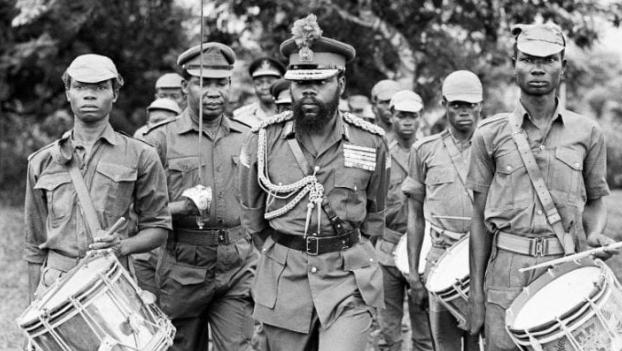
On Monday, January 26, 2026, Nigeria’s Defence Headquarters confirmed that it had concluded investigations into an alleged coup plot uncovered in the previous year, announcing that several military officers were found culpable in an attempt to overthrow the administration of President Bola Ahmed Tinubu. In a statement issued by the military high command, the Armed Forces disclosed that 16 officers were indicted for attempting to subvert Nigeria’s democratic government in October 2025. The officers are expected to face prosecution before a court martial in accordance with military laws and regulations. The arrests were first made public in October 2025, when security agencies announced the detention of some officers over acts described as insubordination and breaches of military conduct. At the time, authorities stopped short of confirming a coup plot. However, subsequent reshuffles within the top military hierarchy fueled speculation and renewed public debate over Nigeria’s security and democratic stability. Nigeria and the History of Military Coups Since gaining independence in 1960, Nigeria has experienced a series of military coups and attempted coups, particularly between 1966 and 1993. These interventions profoundly shaped the country’s political structure, civil-military relations, and national cohesion. Read Also: Between Discipline and Dissent: Musa Bamaiyi and the Burden of Command Promotion of Tinubu’s ADC Shelved After Intervention by Retired Army Chiefs Military to Try 16 Officers Over Alleged Plot Against Tinubu Govt Although Nigeria has enjoyed uninterrupted democratic rule since 1999, memories of military takeovers remain deeply ingrained in the national consciousness. The First Coup: Nzeogwu (1966) Major Chukwuma Kaduna Nzeogwu is widely regarded as the central figure behind Nigeria’s first military coup, carried out on January 15, 1966, barely six years after independence. The coup led to the collapse of the civilian government and the assassination of Prime Minister Abubakar Tafawa Balewa and several senior political leaders. Following the coup, Major General Johnson Aguiyi-Ironsi assumed power. His administration, however, lasted only six months before it was overthrown in a counter-coup in July 1966. Nzeogwu was arrested and detained in various prisons before being released during the Nigerian Civil War in 1967 by Biafran leader Chukwuemeka Odumegwu Ojukwu. He later died in combat on July 29, 1967, during fighting in Nsukka, present-day Enugu State. The July 1966 Counter-Coup: Murtala Muhammed The July 1966 coup, led by General Murtala Ramat Muhammed, is often described as a retaliatory response to the January coup. The upheaval brought General Yakubu Gowon to power. Murtala continued his military career without sanction and later emerged as Head of State following the bloodless coup of 1975. His tenure was cut short when he was assassinated during a failed coup led by Bukar Suka Dimka on February 13, 1976. The 1975 Bloodless Coup On July 29, 1975, General Yakubu Gowon’s government was overthrown without bloodshed while he was attending an Organisation of African Unity (OAU) summit in Uganda. The coup was announced on national radio by Colonel Joseph Nanven Garba. The transition installed General Murtala Muhammed as Head of State and Olusegun Obasanjo as his deputy. Several officers who later became prominent national figures including Theophilus Danjuma, Muhammadu Buhari, Ibrahim Babangida and Sani Abacha, played key roles in the transition. Joseph Garba later served Nigeria as a diplomat, becoming Permanent Representative to the United Nations and, in 1989, President of the UN General Assembly. He died in 2002. From Babangida to Abacha In August 1985, General Ibrahim Badamasi Babangida came to power through another bloodless coup. His eight-year rule ended amid widespread unrest following the annulment of the June 12, 1993 presidential election, widely regarded as Nigeria’s freest and fairest. After Babangida stepped aside, an Interim National Government led by Chief Ernest Shonekan was installed in August 1993. Barely three months later, General Sani Abacha seized power in November 1993. Abacha ruled Nigeria until his sudden death on June 8, 1998. His demise paved the way for General Abdulsalami Abubakar, who initiated a transition programme that culminated in the return to democratic governance on May 29, 1999. Democracy and the Lessons of History Since 1999, Nigeria has maintained uninterrupted democratic rule, with military coups becoming a distant memory. However, the alleged 2025 coup plot has rekindled national reflection on the importance of safeguarding democracy, upholding the rule of law, and strengthening trust between civilian authorities and the armed forces. Analysts and public administrators argue that Nigeria’s long history of military intervention serves as a sobering reminder of the sacrifices made to achieve democratic governance, a system that demands vigilance, accountability, and collective commitment from both leaders and citizens alike.

Feature, Kano, Politics

Kano’s Great Convergence: Beyond Partisanship, Towards a New Era of Forgiveness – Sanusi Kiru

​By Muhammad Sanusi S. Kiru, Kano ​The true measure of a leader is the ability to subordinate personal ego to the collective aspirations of the people, and this week, Governor Abba Kabir Yusuf demonstrated this rare quality by orchestrating a political alignment that transcends partisanship. His transition to the All Progressives Congress (APC) is a patriotic pivot toward stability, security, and the definitive return of socio-economic progress in Kano State, signaling the death of an old order defined by consistent friction. By embracing the APC legacy family, Governor Yusuf has demonstrated qualities that are increasingly rare in our present-day political landscape, where the sight of the Governor sitting at the same table with his former greatest opponents both at the historic Coronation Hall and within the Main Government House, paints a vivid picture of a transition to a new political approach rooted in forgiveness instead of consistent fights. It signals a mature understanding that the seat of power is a trust to be used for unity, rather than a weapon for perpetual division. Having secured the endorsement of the former APC National Chairman, Dr. Abdullahi Umar Ganduje, and the Deputy Senate President, Senator Barau Jibrin, the Governor has effectively silenced the drums of political warfare. However, as the opposition regroup from the camp the Governor recently departed, the “Inevitable Political Fight” looms on the horizon. To survive this, the next move for His Excellency must be a deliberate strategy to ensure this harmonious agenda reaches the polling units. Read Also: Ganduje Describes Abba Yusuf’s Defection to APC as New Era for Kano There is an urgent need for the careful scrutinisation of followers and appointees to ensure they are not merely “occupying space” but are genuinely committed to this peace. The Governor must be categorical with all elected officials and appointees: the era of rivalry is over. Discontentment often begins at the grassroots when a “winner-takes-all” mentality is introduced; therefore, it is a non-negotiable mandate that no one, regardless of whether they are “old” or “new” APC is segregated or marginalized at the local level. This inclusive approach will ensure that no member of the party feels like a stranger, creating a unified front that can withstand any regrouping opposition. Governor Yusuf’s alignment ensures that Kano, the commercial nerve center of Northern Nigeria, regains its seamless synergy with the center to attract infrastructure and investment confidence under the visionary leadership of President Bola Ahmed Tinubu, GCFR. By prioritizing the stability and assimilation of all followers over political excitement, he has set a new standard for leadership. If the administration successfully takes this message of forgiveness down to the grassroots, it will cement a golden era where statesmanship triumphs over ego, ensuring that the sun of development continues to shine on every corner of our dear state. Sanusi Sa’id Kiru is the Former Commissioner of Education, Kano State.

Feature, Kano, Politics

Murtala Garo Reacts as Gov Yusuf Joins APC

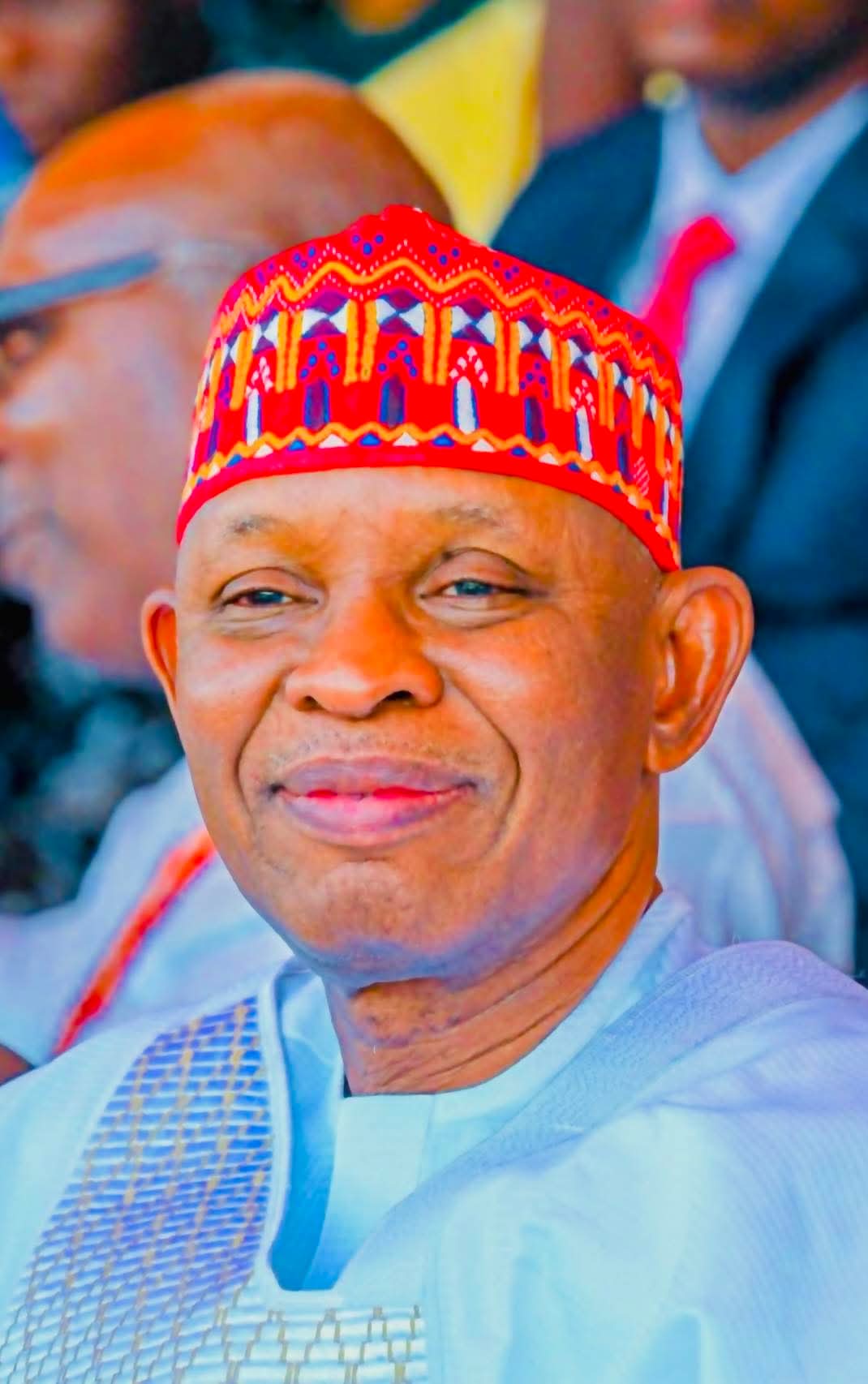
Umar Idris Shuaibu, Kano  The All Progressives Congress (APC) 2023’s deputy governorship candidate in Kano state, Alhaji Murtala Sule Garo, welcomed the governor of Kano state, Alhaji Abba Kabir Yusuf, to the party. Governor Abba Kabir Yusuf joined the party on Monday and he was received by the immediate past chairman of the party, Dr Abdullahi Umar Ganduje. In a statement on Monday, Garo described the governor’s decision to join the APC as a significant and commendable step in the quest for political stability. He said Governor Abba’s presence in the party would further strengthen the APC’s reform agenda. Read Also: APC Agrees to Support Yusuf’s Second Term, Ganduje Declares Abba Yusuf’s APC Move and the Institutional Weight of Dr. Ganduje Why Tarauni Remains a Pillar of Kano’s Metropolitan Development Garo expressed readiness to work with the governor and other stakeholders to advance good governance and political harmony in the state. The statement reads, “I formally welcome His Excellency, the Executive Governor of Kano State, Alhaji Abba Kabir Yusuf, into the All Progressives Congress (APC). Undoubtedly, this is a significant and commendable step in our collective quest for political stability, inclusive governance and sustainable development in Kano state. “Alhaji Abba Kabir Yusuf’s calm disposition, maturity in public affairs and evident commitment to the welfare of the people of Kano state are worthy of commendation. By this decisive action, His Excellency has demonstrated the capacity to rise above partisan divides in the interest of peace, progress and unity. “Governor Abba Kabir Yusuf’s decision to align with the APC reflects political foresight and a clear understanding of the current realities facing Kano state and the nation at large. “I am confident that the governor’s presence in our great party would further strengthen the APC’s reform agenda and enhance cooperation between the state and the Federal Government for the benefit of the people of Kano.” “As I welcome Governor Abba Kabir Yusuf into the APC, I also reaffirm my loyalty to the party and readiness to work with His Excellency and other stakeholders to advance good governance, political harmony and implement people-oriented policies across Kano state.”

Scroll to Top