The Historica Nigeria

Author name: Umar Idris Shuaibu

National, News, Politics

Tinubu, Governors Join Ganduje to Receive Governor Eno into APC

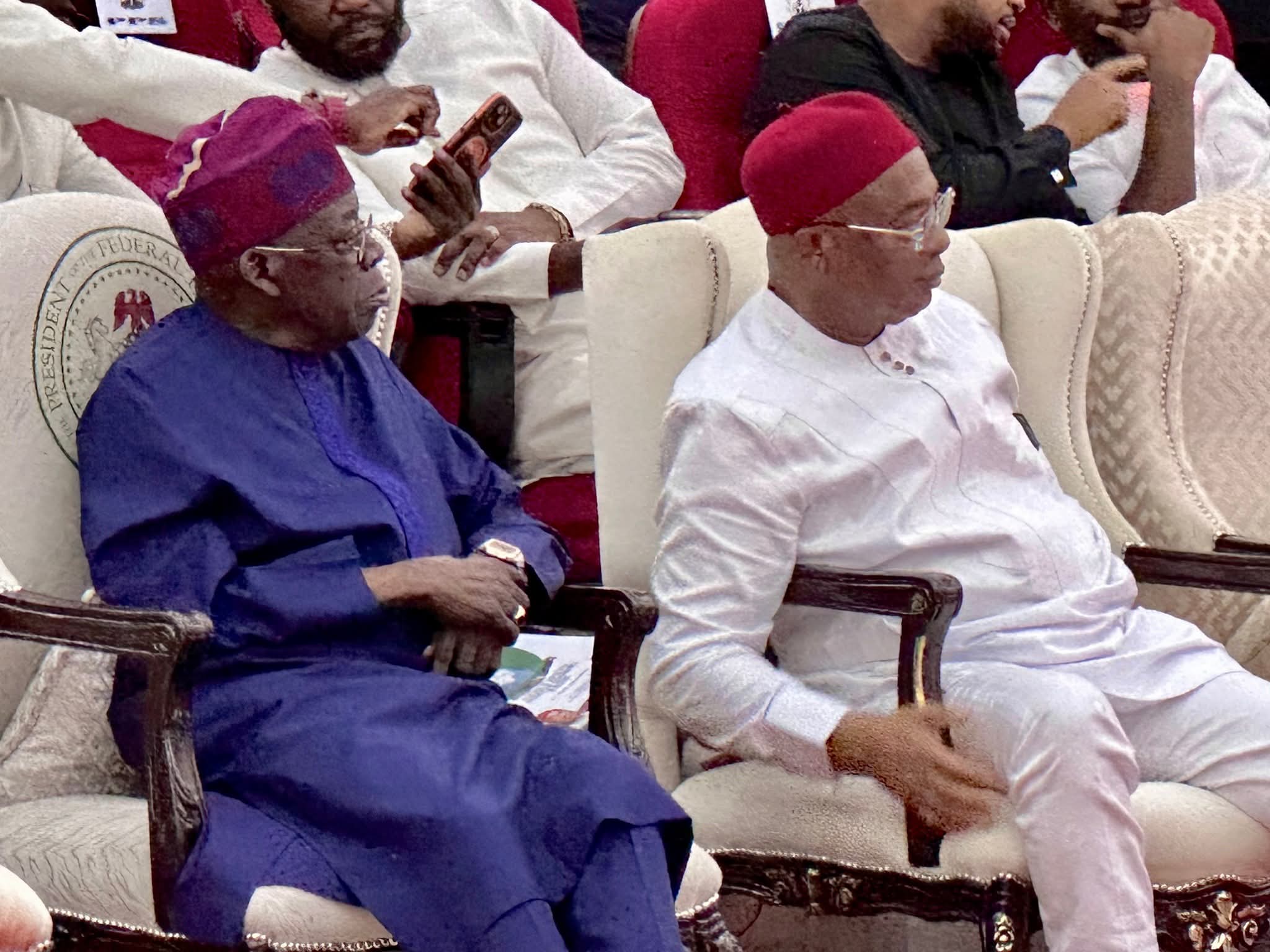
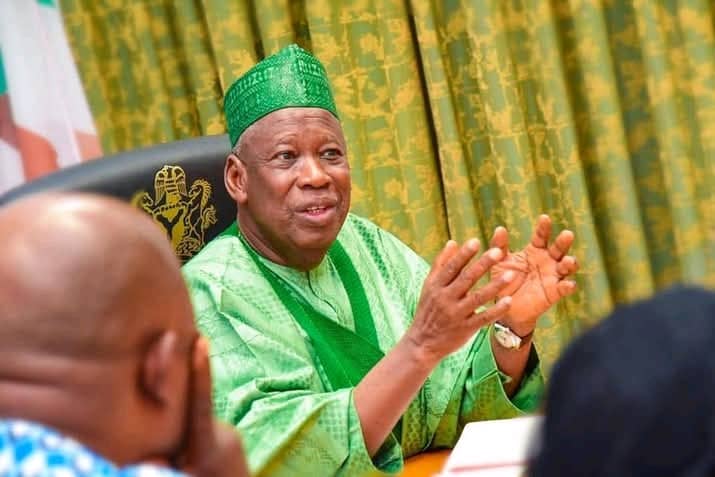
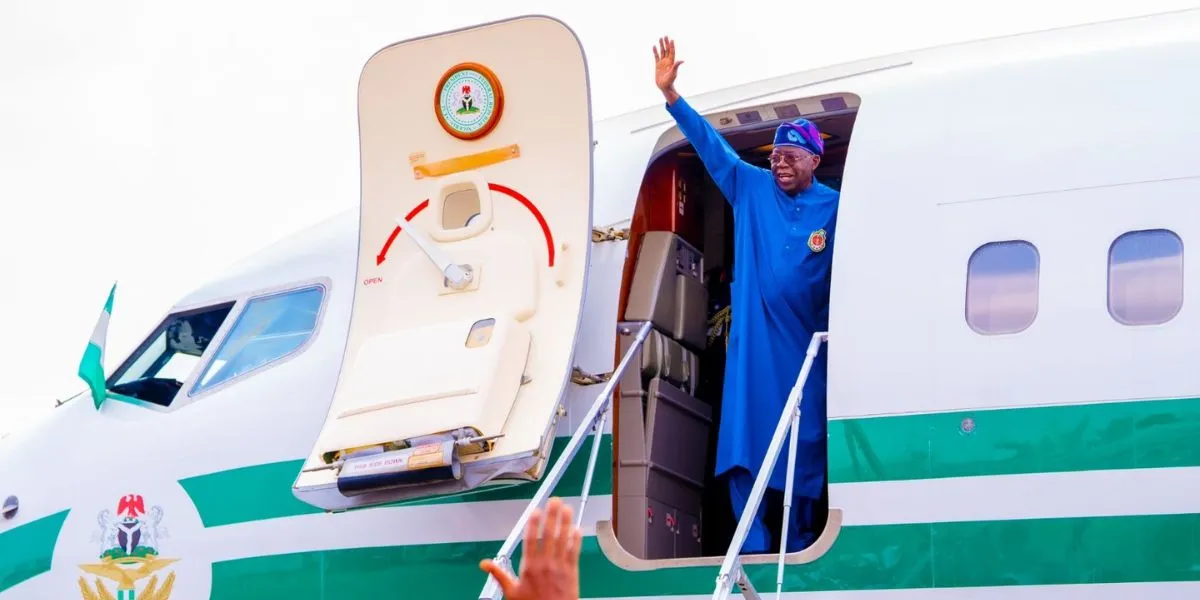
In a significant political realignment, Akwa Ibom State Governor Umo Eno has officially defected to the All Progressives Congress (APC), marking what many observers consider a major breakthrough for the ruling party in the South-South region.The landmark event, held at the Godswill Akpabio International Stadium in Uyo, drew a crowd of supporters and political heavyweights from across the country. It was presided over by the National Chairman of the APC, Dr. Abdullahi Umar Ganduje, CON, with Vice President Kashim Shettima, GCON, representing President Bola Ahmed Tinubu, GCFR. Speaking at the occasion, Dr. Ganduje described Governor Eno’s defection as a transition “from national political isolation to political relevance.” He noted that the movement of South-South governors into the APC signaled widespread acceptance of President Tinubu’s policies and a growing belief in the inclusive nature of his leadership. Related: APC’s Rising Star: The Woman Ganduje Trusted with the Future “This movement reflects the expanding embrace of President Tinubu’s Renewed Hope Agenda, which is clearly resonating across regions,” Ganduje declared. The Vice President echoed this sentiment, saying, “We welcome Governor Umo Eno with open arms. His decision to join the APC speaks volumes about the confidence Nigerians have in the current leadership and the progressive vision of our party.” Governor Eno, addressing the gathering, said his defection was driven by the desire to align with a government that prioritizes national development and genuine federal collaboration. “I am committed to bringing Akwa Ibom closer to the center. I believe this move will unlock greater opportunities for our people,” he said. Read Also: APC: Tinubu’s 2027 running mate to be decided after party convention – National Secretary On hand to welcome Eno were key national figures, including the leadership of the National Assembly led by Senate President Godswill Akpabio. Also in attendance were no fewer than 24 APC governors, including those of Cross River, Imo, Kwara, Kogi, Jigawa, Delta, Edo, Ebonyi, Lagos, Ogun, Sokoto, and Ondo States. Party Secretary Senator Ajibola Basiru, National Working Committee members, and other prominent APC stakeholders were also present, adding to the weight of the occasion. Governor Eno’s defection is being seen as a strategic gain for the APC in a region traditionally dominated by the opposition. With this move, the ruling party not only expands its influence but also positions itself for broader national consolidation ahead of the 2027 general elections. Photo News:

Kano, News

How a Suspected Bomb from Yobe Caused Death and Panic in Kano

Explosion at a mechanic workshop in Kano on Saturday has claimed the lives of five people and left at least 15 others injured. According to preliminary investigations, the blast is suspected to have been triggered by a military-grade mortar bomb. Kano State Commissioner of Police, Ibrahim Adamu Bakori, who visited the scene, stated that the explosive device may have originated from a shipment traced to Yobe State. Read Also: Fresh attacks claim 15 lives in Plateau communities Emergency response teams promptly evacuated the injured to nearby hospitals for medical attention. As of the time of filing this report, authorities have not confirmed who was responsible for transporting or storing the explosive device at the location. Commissioner Bakori urged residents to remain calm as security agencies continue their investigation to determine the cause, origin, and accountability for the deadly explosion. He assured the public that further details would be released as the inquiry progresses.

Agriculture, Feature, National

Fixing the Forgotten Crisis: Solutions to Nigeria’s Herders-Farmers Conflict

After years of violence, displacement, and distrust, the herders-farmers crisis in Nigeria remains a national wound. But wounds can heal if we choose to treat them. This week, we go beyond blame and focus on what must be done to restore peace, rebuild trust, and reimagine coexistence between Fulani herders and farming communities. One of the most immediate solutions is to revive the grazing reserves system not as a relic of the past, but as a modern, managed framework for peaceful livestock movement. These reserves must be properly demarcated, fenced, and legally protected from encroachment. States must collaborate with traditional rulers, local governments, and Fulani associations to recover and manage these reserves transparently. Decades ago, cattle routes connected grazing lands to water sources across Nigeria. Today, most are blocked or erased. Restoring these “burtali,” or “lawol” as they are called in Fulfulde, is key. Mapping and legally protecting these routes using modern geospatial tools can ease tensions over trespassing. States and the Federal Ministry of Livestock Development must take the lead, with input from host communities and Fulani representatives, if of course, we still have room to continue with traditional systems. Related: Beyond the Headlines: The Untold Truth behind Nigeria’s Herders-Farmers Clashes But to be realistic and forward-thinking, the bitter truth is that nomadism is no longer sustainable. There is a pressing need for Fulani herders to abandon the age-old tradition of migration and roaming with their cattle, the so-called “white gold.” While this practice has been part of Fulani culture for centuries, it no longer aligns with modern agricultural systems, security concerns, or national development goals. Settling in one place brings countless benefits: children can attend school; communities can be formally recognized and supported by government structures; and the herders themselves can begin to enjoy the full dividends of democracy. This transition should not be enforced but encouraged through thoughtful incentives and sustainable planning. Prioritizing artificial insemination of cattle and other livestock, alongside modern herdsmanship techniques, is vital. This includes building ranches and model herding settlements (like the one in Dansoshiya), providing training on artificial insemination, animal nutrition, and veterinary care, as well as ensuring access to livestock insurance and soft loans. The Fulani must be partners in progress not casualties of change. At this point, assigning blame is not the most productive path forward. The root of the crisis involves multiple layers of society and leadership. What is required now is action, starting with the full inclusion of Fulani voices in policy-making processes that affect their lives and livelihoods. Media houses also have a critical role to play. They must stop reinforcing harmful stereotypes. Journalists need training in conflict-sensitive reporting, especially in coverage involving herders and farmers. Editorial boards must strive to reflect Nigeria’s ethnic diversity. Balanced media coverage is more than fairness but a tool for national peace. The Dansoshiya Model, introduced under Governor Ganduje, presents a viable solution: permanent housing, access to education and water, sustainable fodder production, veterinary services, and peacekeeping structures. This model should be replicated across the country, especially in conflict-prone zones where environmental degradation has made traditional grazing practices difficult or impossible. Read Also: Kano Govt Reaffirms Commitment to Land Restoration, Climate Action on Desertification and Drought Day True peace begins with understanding. Nigeria needs cultural exchange programs between herders and farmers, youth-led peace initiatives, community dialogue platforms, and local-language media campaigns that promote coexistence. The herders-farmers conflict is not an unsolvable mystery. The strategies exist. The knowledge exists. What remains is the political will, media responsibility, and community courage to implement them. We owe it to the Fulani child born into fear, the farmer who sleeps with one eye open, and the nation whose peace depends on healing this fragile relationship. The question is no longer “What should be done?” It is: “When will we start doing it?”   The images trace the evolution of Fulani herdsmanship, beginning with traditional open grazing, seasonal migration, and long treks that have defined pastoral life for centuries. In contrast, the latter images showcase a shift toward modern herdsmanship: structured settlements, veterinary services, educational access, and sustainable grazing, a model aligned with national development and the future of peaceful coexistence.  

Scroll to Top