
Health
Stakeholders Meet in Kano to Address Health Workers’ Attitude Towards Immunization


Stakeholders in the health sector have met in Kano to address negative attitudes among some health workers that discourage caregivers from bringing children for routine immunisation.
The meeting, held under the Better Opportunities for Optimal Services and Targeted Immunization for Zero-Dose and Under-Immunized Children (BOOST) project, brought together professional health associations, Muslim and Christian women’s groups, government officials and development partners to find practical solutions for improving service delivery and rebuilding community trust.
The BOOST project, implemented by Save the Children International with funding from GlaxoSmithKline (GSK), aims to demonstrate effective and scalable techniques to reduce zero-dose and missed vaccinations among children. The project began full implementation in January 2024 and will run until December 2027. In Kano, BOOST covers Gezawa and Ungogo local government areas.
Related:
VaxSocial Launches Digital Immunization Campaign in Kano
The Project Advocacy Officer, Umar Ibrahim, said the programme will continue to correct system anomalies by applying inputs gathered from health professionals, which will add sustained value to the state’s health outcomes. “We will keep using feedback from frontline workers and professional bodies to improve service quality and coverage,” he said.
Co-Chair of the Kano BOOST Project, Malam Salisu Yusuf, said the initiative has recorded significant gains in immunisation coverage, with only three local government areas still facing notable challenges. Yusuf urged government and partners to sustain momentum and establish mechanisms that will preserve project gains after external partners exit.
Malam Abdullahi Magama, BOOST Project Manager and Field Manager for Save the Children in Kano, explained that the meeting focused on attitudinal and behavioural change among health staff. “Despite progress, some caregivers remain reluctant to use services because of perceived negligence and poor interpersonal treatment by a few health workers,” he said, noting that trainings and workshops organised by the project have already improved staff performance.
Read Also:
Only 35.5% of Nigerian Newborns Breastfed in First Hour – UNICEF
The gathering included associations of health professionals as well as Muslim and Christian women’s organisations to ensure community perspectives were fully captured. Participants discussed strategies for training, monitoring, and incentivising respectful client-care behaviour.
The Speaker of the Kano Children’s Parliament, Hauwa’u Muhammad Ibrahim, called for increased capacity building and better working conditions for health workers, arguing these are essential to address persistent service delivery gaps. She added that the Children’s Parliament will continue community advocacy to encourage uptake of immunisation and other essential health services.
Project officials urged the Kano State Government to institutionalise coordination mechanisms that will allow stakeholders to replicate successful interventions and sustain improved immunisation coverage across the state.


Insecurity: Gunmen kill Islamic cleric, visitor in Dutsin-Ma

Every Kano State Lawmaker Should Support Governor Abba Kabir Yusuf, Regardless of Party Affiliation – Dr. Baffa Babba Dan’agundi

Nigeria records no cases after patient’s evacuation to Switzerland – WHO

Kano Assembly Clears Six Commissioner Nominees for Executive Council

Kogi Police investigate as two officers die in fatal shooting at Ajaokuta
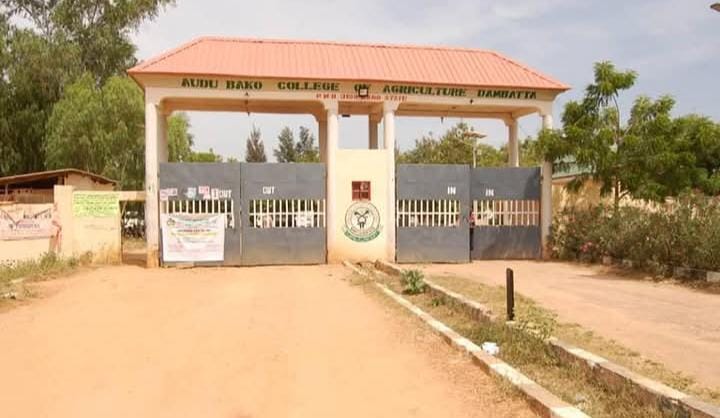
ABCOAD Unveils Journal, Bids Farewell to Provost

Nigerian Army Begins DSSC 29/2026 Recruitment, Outlines Eligibility Criteria

2027: NDC Releases Full List of Consensus Candidates in Kano

Gaya Polytechnic Opens Recruitment, Advertises 46 Academic, Non-Academic Positions