National
Kano Budget: Citizens submit priorities, demand action on abandoned projects

Civil society organisations and community representatives in Kano State have called for greater citizen participation in the state’s budgeting process.
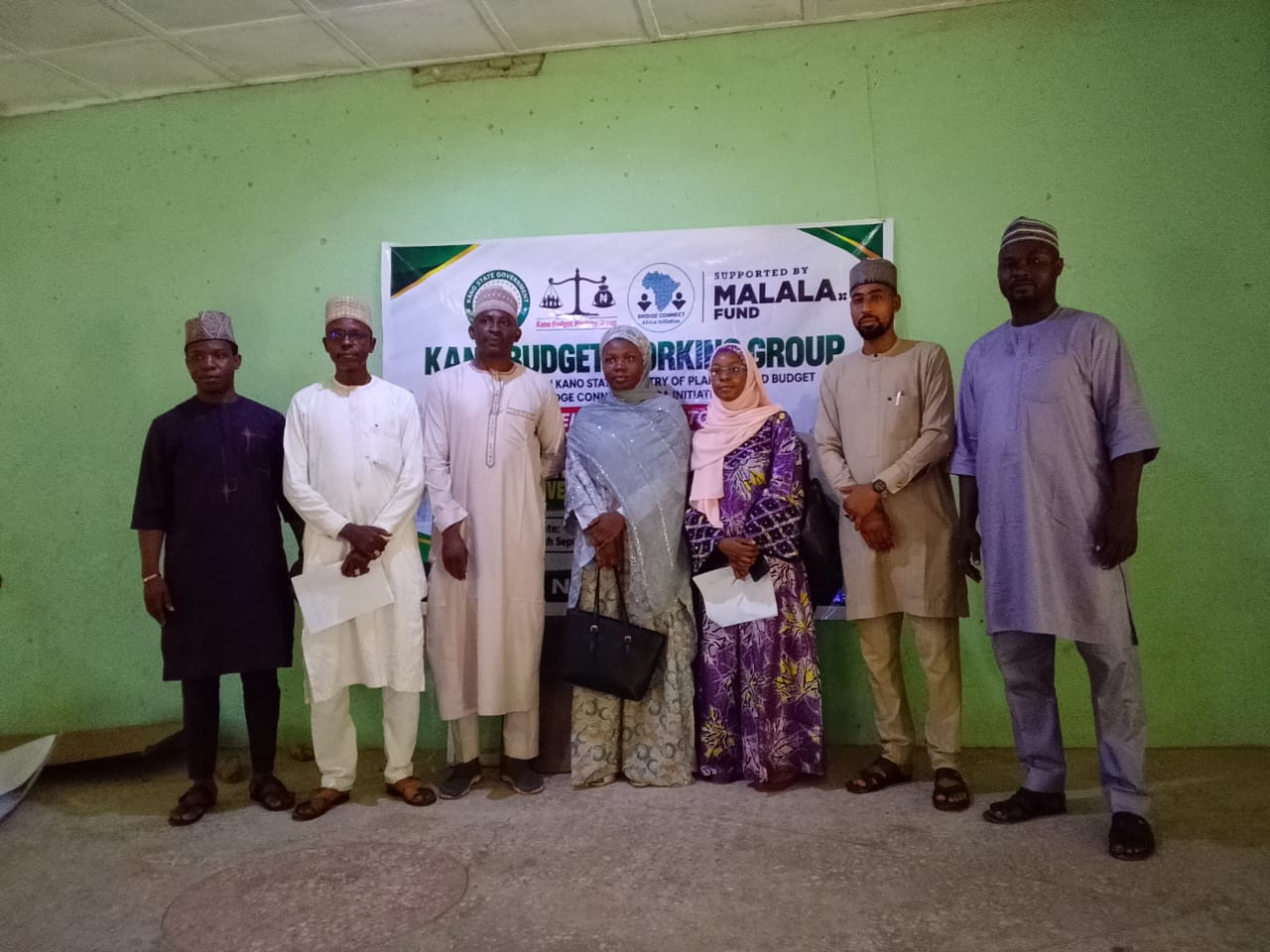
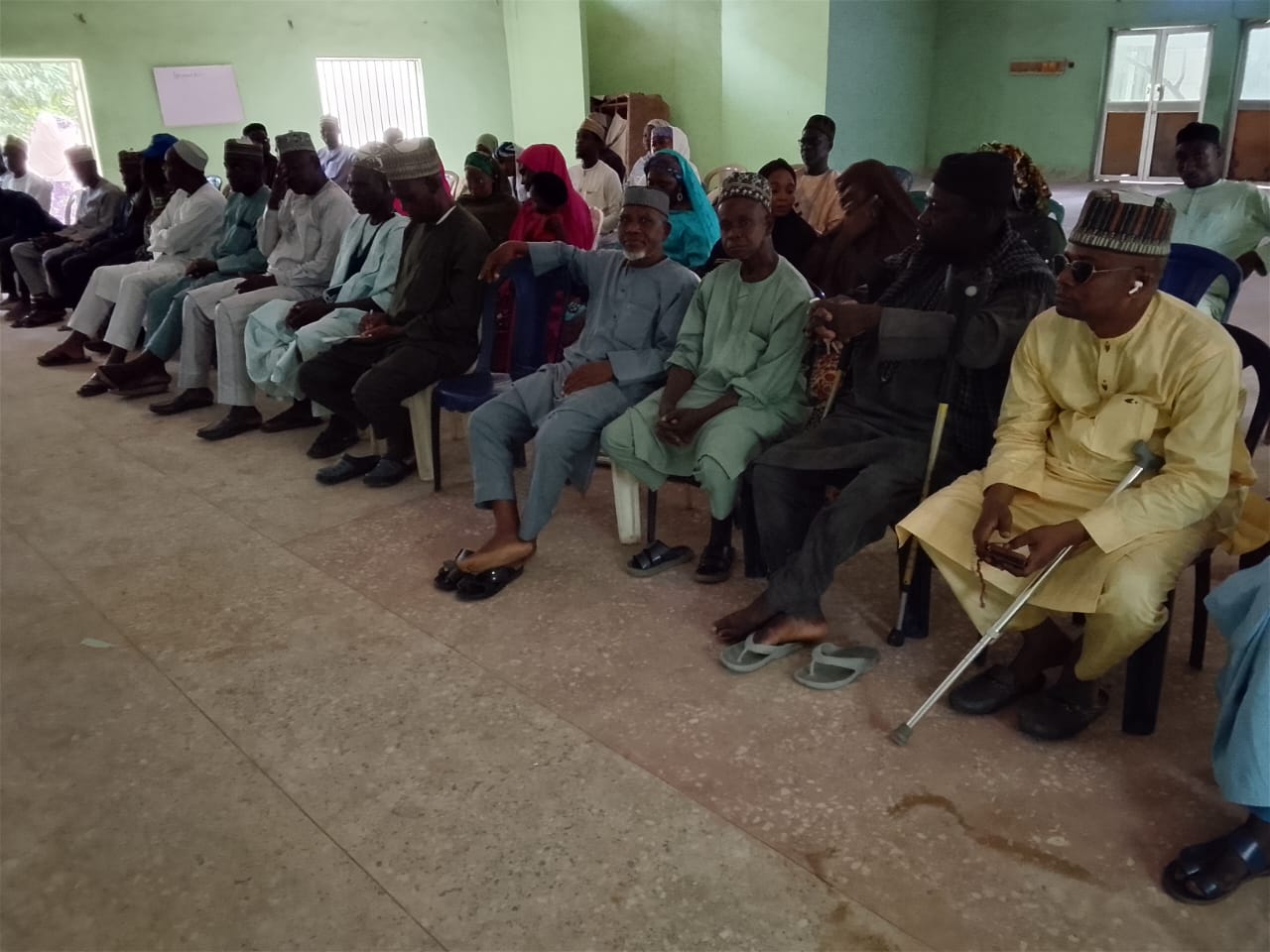
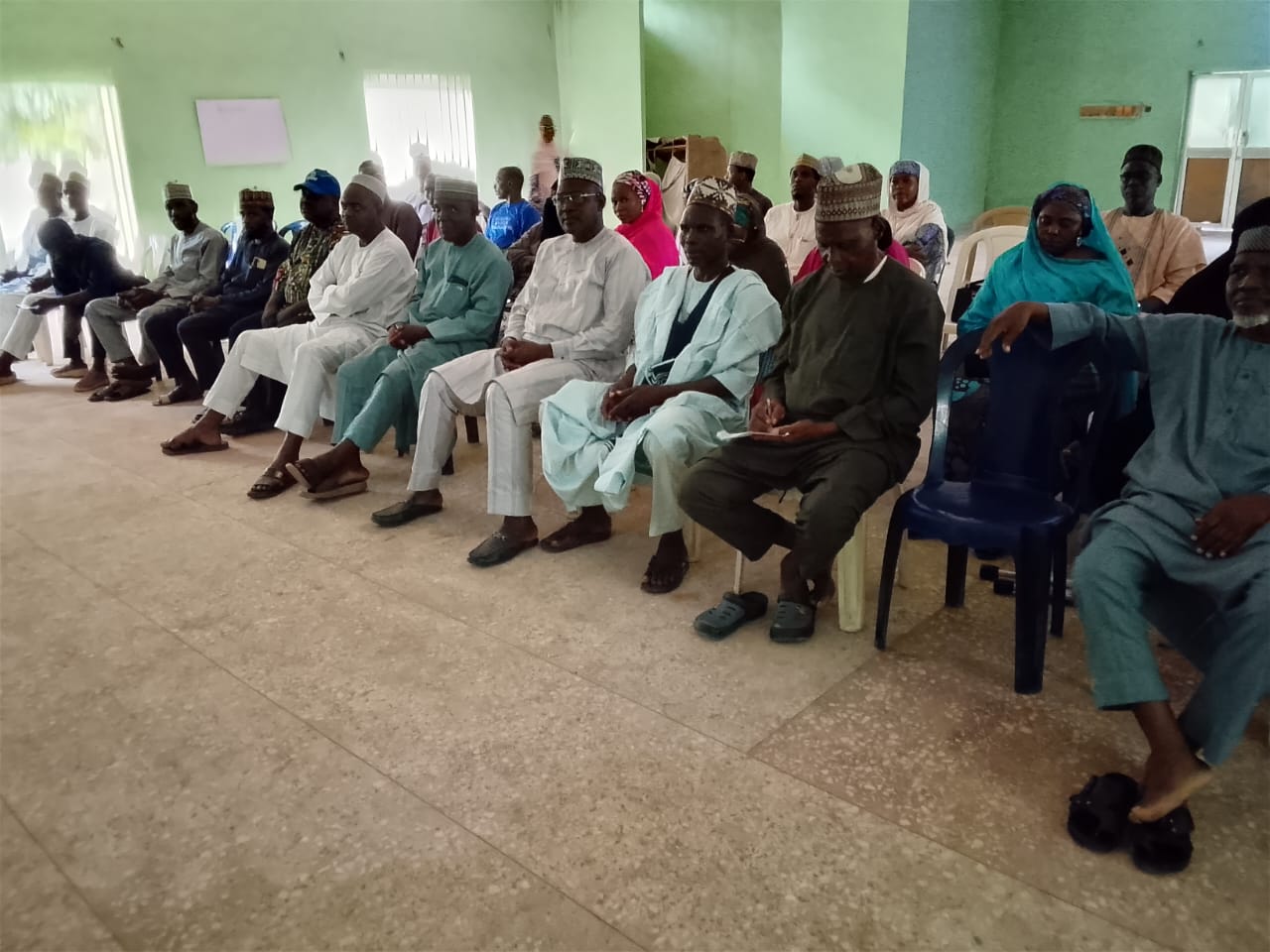
The stakeholders made the demands during a citizen engagement and town hall meeting involving representatives from the eight metropolitan local government areas and held at the Islamic Centre in Nassarawa Local Government Area.
The forum focused on participatory budgeting, gender-responsive budgeting, girls’ education and the need to ensure that government spending reflects the priorities of communities.
Speaking during the engagement, Chairman of the Kano Community of Practice, KN-CoP, Salisu Yusuf, said public participation was essential to ensuring that the state budget addressed genuine community needs.
Yusuf said the exercise was anchored in Section 10, Subsection 3 of the Kano State Public Finance Management Law, 2020, which provides for an annual consultative process to obtain citizens’ input into the budget.
He said the objective was to enable residents to identify their pressing needs and present them to the government for possible inclusion in the annual budget.
Read Also:
90% Delivered: Garo Lists Yusuf’s Achievements in Kano
Kano tracks 2026 health budget, renews drive to reach zero-dose children
Kano Assembly replaces 62-year-old education law
“The main purpose of organising this gathering is to collect the demands and expectations of the public. The government must focus on genuine priorities,” Yusuf said.
He added that KN-CoP would continue to monitor budget implementation after approval to determine whether funds were released and projects executed as planned.
Yusuf said previous consultations had contributed to the implementation of some community-requested projects, although he acknowledged that implementation was not yet 100 per cent.
He urged government officials and elected representatives to remain responsive to citizens’ needs and called for greater transparency, including the publication of quarterly budget performance reports.
Communities present development priorities
The village head of the Gama community in Nassarawa, Arabi Isiyaku Gama, said the annual consultation had provided communities with an avenue to communicate their priorities directly to the government.
He cited previous community submissions which, according to him, resulted in infrastructure projects along the Gama axis, including roads linking ‘Yan Tsire junctions to Gama Market, Gama School, ‘Yan Kaji junction and Cediya.
He commended the government and lawmakers for responding to some of the demands and called for continued collaboration.
For Tarauni, the Chairman of the Ward Development Committee, Musa Muhammad Manga, identified education, healthcare, environmental protection, security and youth development as major priorities.
Manga called for the completion of abandoned school projects, particularly stalled classroom structures at Government Secondary School Unguwa Uku, which he said had remained incomplete for more than 14 years.
He also called for attention to delayed constituency projects at Unguwa Uku Model Primary School.
On healthcare, Manga urged the government to resume stalled expansion work at Unguwa Uku Hospital, stressing the importance of the facility to maternal and child healthcare in the area.
He also raised concern over severe gully erosion between Unguwa Uku, including Kauyen Alu, and Hotoro Ward, saying the problem had threatened lives and property for years.
Manga urged the government to revisit an earlier drainage and infrastructure proposal developed under the NEWMAP framework and develop a sustainable solution to the erosion.
He further called for the upgrading of Unguwa Uku motor park and the revitalisation of the Technology Incubation Centre at Farm Centre as a skills acquisition facility for out-of-school youths and other vulnerable groups.
Stakeholders highlight girls’ education
The Chief Operating Officer of the Bridge Connect Africa Initiative, Fatima Musa Aliyu, said the town hall also provided an opportunity to assess progress and challenges in girls’ education.
Aliyu highlighted the reopening of 15 boarding schools, the reintroduction of dedicated Girls’ Education Initiative buses and the adoption of a School Re-entry Guideline allowing young mothers to return to school.
She urged communities to provide honest feedback on challenges affecting girls’ education so that the government could better identify areas requiring intervention.
Ministry assures on citizen participation
Representing the Ministry of Planning and Budget, Deputy Director of Budget, Rabi’u Muhammad Idris, said the government remained committed to participatory budgeting.
Idris acknowledged concerns about the extent to which community demands were reflected in final budget documents but said citizen participation had improved over the past four years.
He said the Ministry works with civil society organisations throughout the budget cycle, from formulation to approval, and also publishes a simplified Citizen Budget to promote transparency and public accountability.
With the 2027 elections approaching, participants also emphasised the importance of measurable government performance, timely release of budgetary funds and regular public reporting to strengthen citizens’ confidence in the budget process.

Kano Budget: Citizens submit priorities, demand action on abandoned projects
Tinubu 2027 Prayer: Five Islamic Clerics Abducted in Zamfara
NBTE centralises HND admissions, caps part-time ND at 50%

Matawalle: Tinubu administration determined to defeat banditry

X-Raying The Ganduje Political Powerhouse
ABCOAD Unveils Journal, Bids Farewell to Provost

Nigerian Army Begins DSSC 29/2026 Recruitment, Outlines Eligibility Criteria
2027: NDC Releases Full List of Consensus Candidates in Kano

Gaya Polytechnic to Begin with Four Courses as Committee Eyes Year-End Take-Off