
Feature
ISDI Launches in Kano, Pushes for Evidence-Based Impact Storytelling in Africa


Journalists, researchers, filmmakers and development communication experts have called for a fundamental shift in the way development interventions are documented across Africa, urging media practitioners and development actors to move beyond reporting project implementation and focus on the measurable impact such interventions have on people’s lives.
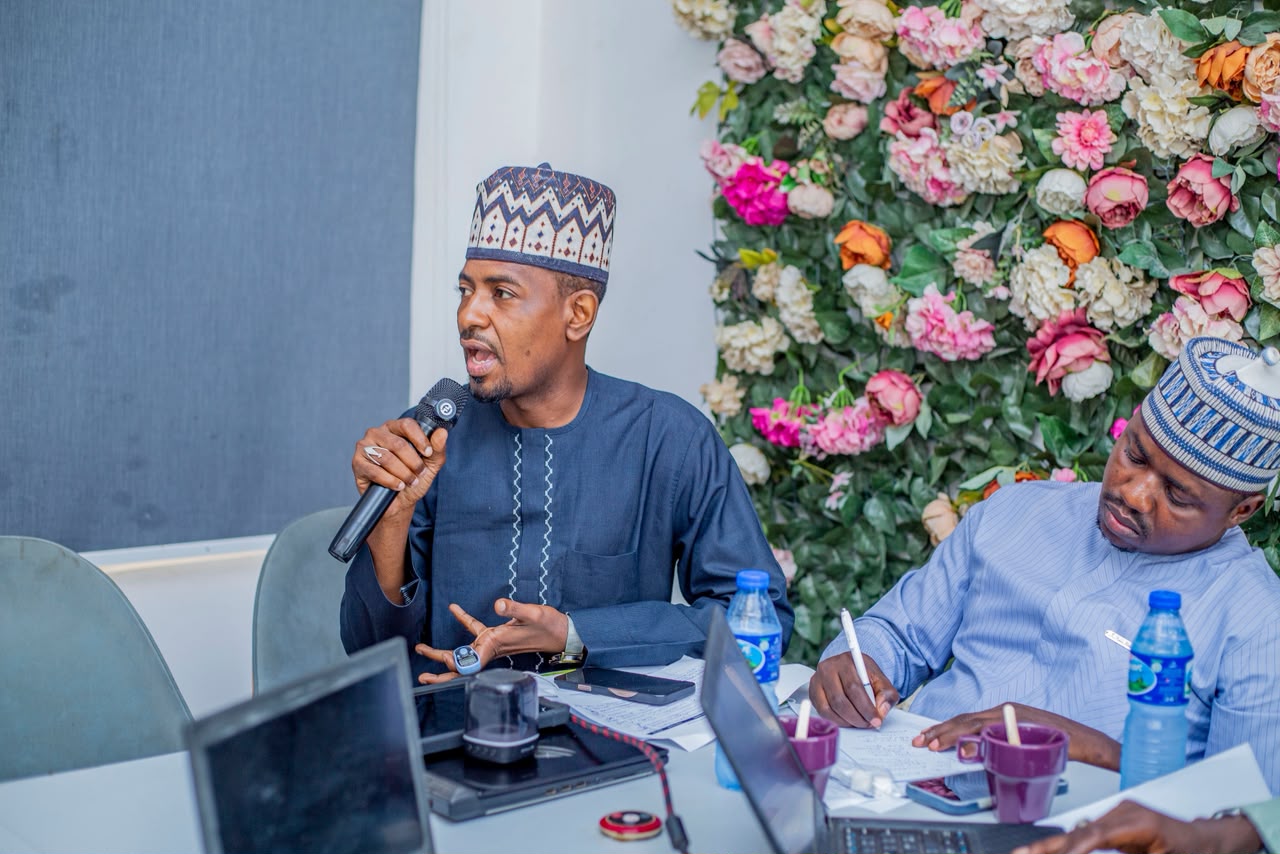
The call was made during the inaugural Founding Conversation of the Impact Storytelling for Development Initiative (ISDI), held in Kano under the theme: “Documenting What Changed: The Future of Evidence-Based Impact Storytelling in Africa.”
The invitation-only gathering officially introduced ISDI, an independent development communication and impact storytelling institution dedicated to documenting sustainable development through evidence-based journalism, documentary filmmaking, photography, research, strategic communication and capacity building.
Speaking at the event, Founder and Executive Director of ISDI, Ibrahim Ayyuba Isah, said the initiative was established to bridge the gap between development interventions and the human stories that demonstrate their real impact.
Read Also:
FG Introduces AI, Robotics, and Journalism into New Secondary School Curriculum
KSP Partners JOSTUM to Offer PGD Courses in Management, Social Sciences
Associate Professor Amina Ganduje’s Quiet March into Nigeria’s Intellectual Elite
“Every development intervention has two stories. The first is the story of implementation. The second is the story of impact. While implementation tells us what was done, impact storytelling asks a more important question: What changed? ISDI exists to document that second story through evidence, community voices and ethical storytelling,” he said.
Participants observed that although governments, development partners and civil society organisations invest enormous resources in development programmes, many of the stories demonstrating how such interventions transform lives remain undocumented.
Chief Executive Officer of SIDES Media, Dr. Musa Sufi, described ISDI as a timely initiative capable of expanding conversations around development and creating opportunities for more stakeholders to contribute to meaningful social change.
Also speaking, Solutions Journalist and Host of Fitila Podcast, Musbahu El-Hamza, stressed that development communication should not only celebrate successful interventions but also examine failed initiatives to generate lessons for future programmes.
According to him, documenting why development interventions fail is just as important as highlighting their successes.
Head of News at Cool FM, Wazobia FM and Arewa Radio, Abdurrahman Isah, challenged journalists to move beyond urban centres and tell stories that genuinely reflect the realities of underserved communities.
He noted that physical infrastructure alone should not be regarded as development unless it improves people’s quality of life, urging journalists to prioritise impact-driven reporting and sustained follow-up coverage.
Development Journalist and Head of Programmes at Express Radio, Nafisa Murtala Ahmed, emphasised the need for communities to tell their own development stories, adding that meaningful storytelling begins with amplifying local voices and lived experiences.
Founder of KDC Foundation, Khalifa Dankadai, described impact storytelling as a powerful tool for promoting accountability, sustainability and evidence-based evaluation of development interventions.
He said documenting conditions before and after interventions helps stakeholders measure progress while ensuring that development gains are preserved.
Other contributors, including Dr. Najib Usman, Hannatu Suleiman, Hauwa Mustapha, Hayatuddeen Muhammad, Furera Isiaka and Umar Gombe, highlighted the importance of community engagement, collaboration, research, inclusion and evidence-based documentation in advancing sustainable development across Africa.
The participants unanimously resolved to strengthen collaboration among journalists, researchers, filmmakers, development practitioners and communication professionals to document measurable change and amplify community voices.
ISDI also announced plans to expand its activities beyond storytelling through strategic partnerships, research, public dialogue and the establishment of the ISDI Academy, which will train young people, women, journalists, photographers, filmmakers and content creators in evidence-based impact storytelling and documentary production.
The initiative said its work would continue to be guided by a simple but fundamental question: “What changed?”, with the aim of preserving development knowledge, strengthening accountability and promoting sustainable development across Africa.
Photo News:



Mass Education: Kano expands learning centres to over 300, introduces new skills

Kano Civil Service: Govt moves to address manpower gaps through recruitment
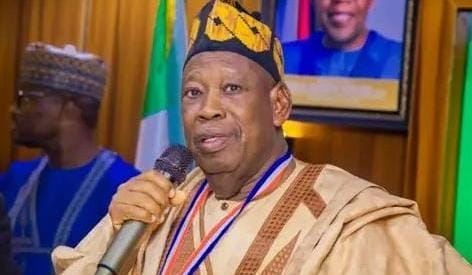
2027: Ganduje and APC heavyweights prepare for a defining political contest

Insecurity: Gunmen kill Islamic cleric, visitor in Dutsin-Ma

Every Kano State Lawmaker Should Support Governor Abba Kabir Yusuf, Regardless of Party Affiliation – Dr. Baffa Babba Dan’agundi
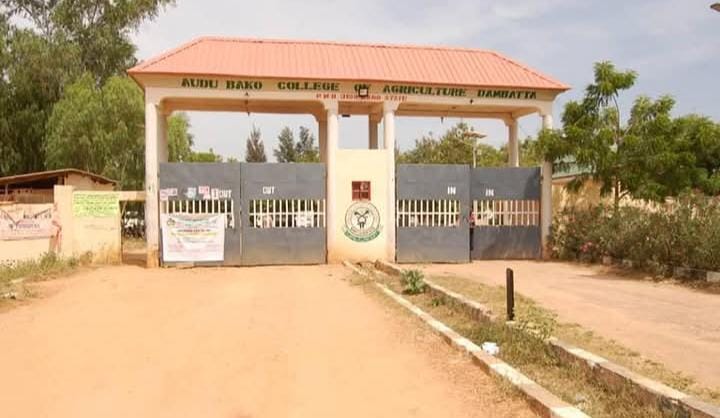
ABCOAD Unveils Journal, Bids Farewell to Provost

Nigerian Army Begins DSSC 29/2026 Recruitment, Outlines Eligibility Criteria

2027: NDC Releases Full List of Consensus Candidates in Kano

Gaya Polytechnic Opens Recruitment, Advertises 46 Academic, Non-Academic Positions

Gaya Polytechnic to Begin with Four Courses as Committee Eyes Year-End Take-Off
-

 Kano6 days ago
Kano Governor Nominates Retired Air Commodore, Professor, Four Others as Commissioners
-

 Feature2 days ago
Kano Poly MFB: A bank closed, an investigation launched, but where are the answers?
-
 Kano4 days ago
2027: Kano Governor Names Former Education Commissioner Kiru Campaign Spokesperson II