The Historica Nigeria

Kano

Kano, Politics

The Irresistible Nominee: Decoding the Massive Turnout at the House of Assembly

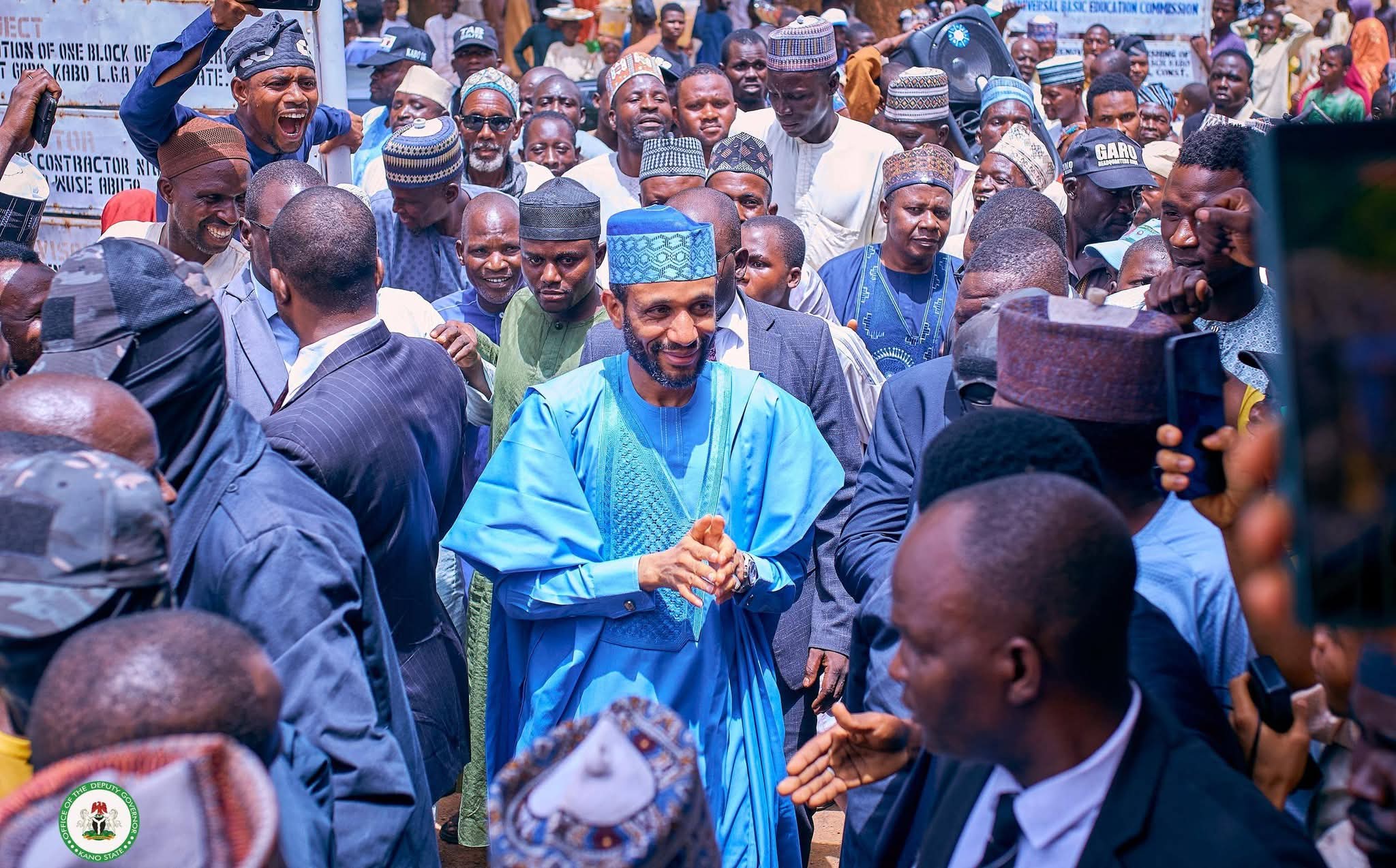
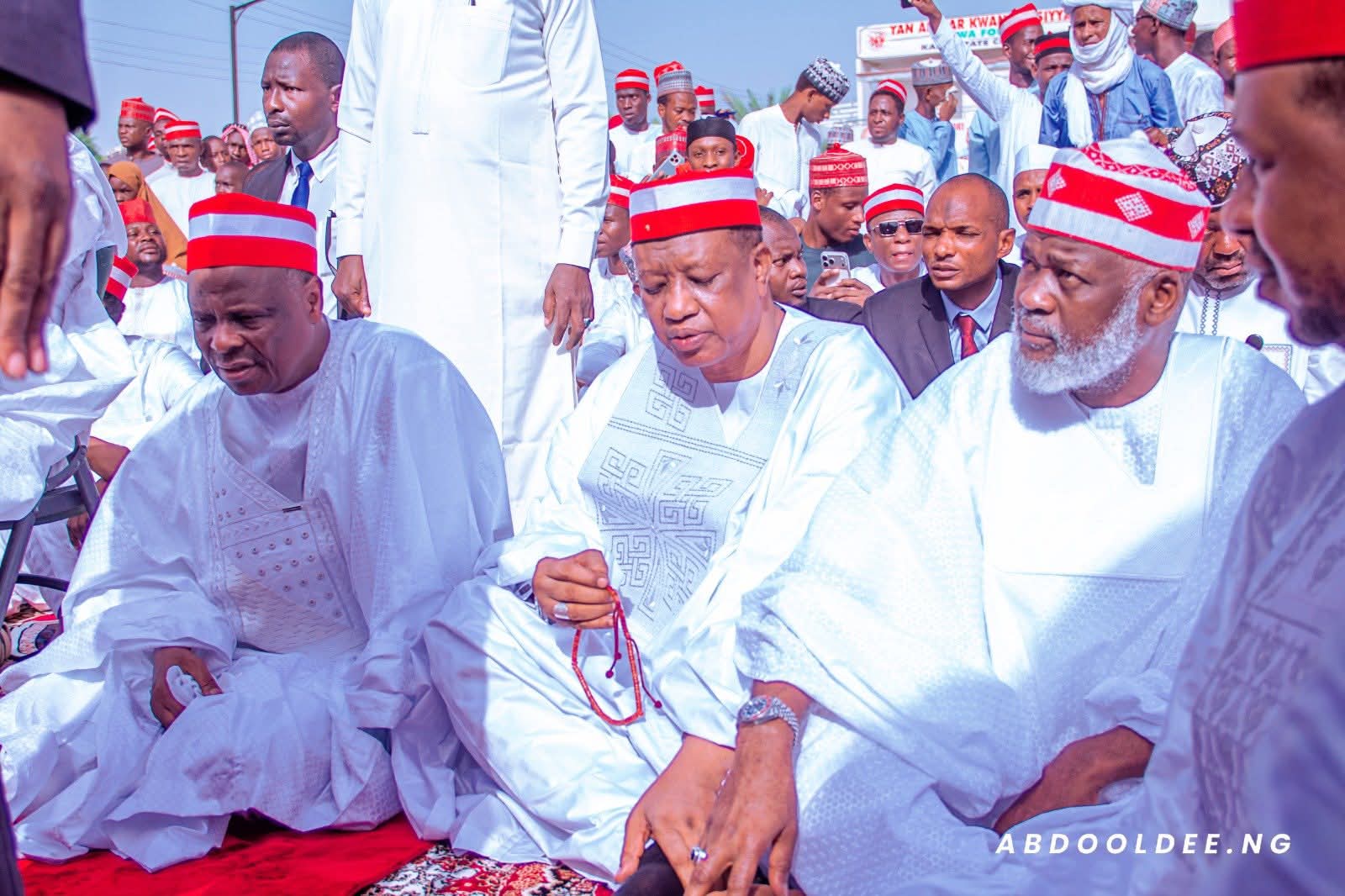
​Umar Idris Shuaibu, Kano The political atmosphere reached a fever pitch this week as the House of Assembly conducted the screening of Alhaji Murtala Sule Garo for the office of Deputy Governor. While the constitutional requirement of the screening is a formal administrative process, the scene at the Assembly complex told a much deeper story: one of absolute party harmony, grassroots loyalty, and a strategic realignment that has effectively unified the political landscape. The nominee did not arrive as a lone figure; he was ushered into the chamber by a “grand coalition” of stakeholders that spanned the entire spectrum of leadership. The sheer volume and diversity of the entourage served as an unmistakable confirmation of Garo’s total acceptability across all party organs and a testament to the fact that Governor Abba Kabir Yusuf has made a highly credible and strategic decision. ​In a remarkable display of commitment, the majority of these stakeholders traveled all the way from Abuja and other distant parts of the country specifically to witness the exercise. This mass migration of the political elite back to the state capital served as a powerful symbol of Garo’s widespread appeal and the high stakes of his confirmation following the vacancy created on March 27, 2026. Leading the charge were heavyweights of the National Assembly and former executive pillars, including Hon. Abubakar Kabir Abubakar Bichi, Senator Kawu Sumaila, and Hon. Alhassan Ado Doguwa, representing the legislative backbone of the state, alongside Dr. Mariya Mahmud Bunkure, Engr. Abdullahi Tijjani Gwarzo, Rt. Hon. Hamisu Ibrahim Chidari, Hon. Engr. Sani Bala Tsanyawa, Hon. Abdullahi Sani Rogo, Hon. Yusuf Ahmed Badau, Hon. Sagir Koki, and Hon. Abdullahi Mu’azu Gwarzo. ​The endorsement of the party’s foundation was particularly evident through the presence of the Elders Forum of the old APC. Distinguished leaders such as Former Speaker Hon. Abdulaziz Garba Gafasa, Former Speaker Hon. Ya’u Yanshana, Former Deputy Speaker Hon. Aliko Shu’aibu, Former Deputy Speaker Hon. Kabiru Hassan Dashi, Alhaji Bako Laraba, Alhaji Abubakar Mai-Mai Kwanar Dangora, and Alhaji Talle Mai’unguwa, among others, were prominently represented to identify with the nominee. Their presence signaled a vital bridge between the party’s heritage and its future, reinforcing the broad-based consensus behind Garo’s emergence as the preferred choice among the legacy stakeholders. ​However, it was the depth of the wider delegation that truly underscored the nominee’s reach. The entourage featured a rare assembly of institutional memory and grassroots power, including members of the Forum of Former Commissioners (2015–2023) and a vast array of former Special Advisers, SSAs, and Chief Executives of state agencies. This executive weight was matched by the “grassroots commanders”—former Local Government Chairmen and Caucus Committee Chairmen from all 44 LGAs—proving that the nominee’s support resonates in every ward. The legislative solidarity was equally imposing, with former Speakers and Members of the State House of Assembly standing side-by-side with both former and serving members of the Federal House of Representatives. Read Also: Kano: 44 LG Artificial Inseminators Back Garo ​This massive turnout also showcased the “soul” of the party, as current and former Party Executives joined the vibrant Women’s Wing to demonstrate that the internal machinery is fully energized. Even the digital and security arms of the movement were represented, with social media influencers documenting the historic moment in real time and Party Marshalls maintaining the orderly conduct of the massive crowd. By bringing together the “old guard” and the “new wave,” Murtala Garo has positioned himself as a consensus candidate capable of healing rifts and fostering long-term stability. ​Without a doubt, this event stands as the most significant screening exercise in the history of the state. Since the return to democratic rule in 1999, the State House of Assembly has never witnessed such an unprecedented and massive turnout in support of a single nominee. This record-breaking mobilization transcends mere politics; it is a historic declaration of collective intent. The presence of such an overwhelming and diverse coalition—uniting the wisdom of the old guard with the dynamism of the new generation—serves as the ultimate seal of authenticity for Murtala Sule Garo. It confirms that he is not just a nominee of the executive, but a choice of the people and the party at large. ​As the state prepares for this new chapter, the message is undeniable: with a unified leadership, an energized grassroots, and a consensus that stretches from the local wards to the halls of Abuja, the path forward is one of unprecedented stability and progress. The Governor’s decision has not only filled a vacancy; it has fortified the very foundation of the state’s political future.

Kano, Politics

The Unifier Aligns with the Nomination of Murtala Garo as Deputy Governor of Kano State

The Unifier Project expresses strong alignment with the nomination of Hon. Murtala Sule Garo as Deputy Governor of Kano State, as the development is really strategic and a well thought decision that would certainly support in the ongoing consolidation of governance under the leadership of His Excellency, Abba Kabir Yusuf. The nomination reflects a deliberate effort to strengthen political cohesion, deepen administrative excellence, and reinforce trust within the structure of political governance in Kano State. Hon. Murtala Sule Garo represents a symbol of political depth, administrative skills, and grassroots connection, as well as qualities that are essential in supporting effective governance and sustaining public confidence in any political leadership. We are strongly of the opinion that, the decision aligns with the broader vision of unity and inclusiveness, which the Unifier Project has always continued to advocate across the state. The nomination is surely one that transcends routine political considerations, positioning itself as a step towards enhancing stability and improved service delivery. Read Also: Kano: 44 LG Artificial Inseminators Back Garo The Unifier Project views this development as a reinforcement of democratic values and a reflection of responsive and inclusive leadership that takes into account experience, loyalty, and the need for broad-based acceptance in governance. A political decision of this nature contributes significantly to strengthening institutional trust and encouraging wider participation in governance processes, especially at the grassroots level. The Unifier Project therefore expresses its full alignment with the nomination and reaffirms its commitment to promoting unity, political stability, and constructive engagement across all levels of society in Kano State. The organization therefore calls for a continued support for leadership decision that prioritizes collective progress, institutional balance, and the overall development of the state. Signed: Mohd Babagana Kano State Coordinator, 24th April, 2026

Kano, News, Sport

Barau FC Hammer Chanji FC 4–0, Storm Kano FA Cup Final

Barau FC delivered a commanding performance to defeat Chanji FC 4–0 in the semi-final of the 2026 Kano State Federation Cup, securing a place in the final. The match, played on Thursday, April 23, 2026, at the Sani Abacha Stadium, saw the Maliya Boys dominate from start to finish against the Kano-based side. Barau FC opened the scoring in the 44th minute when Joseph Atule found the back of the net following a brilliant assist from Abdulmajid Aminu, giving his side the lead just before halftime. Shortly after the restart, Abdulmajid Aminu doubled the advantage in the 50th minute before adding his second goal in the 60th minute to further extend Barau FC’s dominance. Read Also: Ranchers Bees Return to NPFL After 16-Year Absence Youngster Adamu Hussein sealed the victory in the 65th minute, putting the result beyond doubt and confirming Barau FC’s place in the final. Coach Rabiu Tata’s tactical setup once again demonstrated his experience and strong pedigree in the Federation Cup. Barau FC will now face either Kano Pillars or Bichi First FC in the final scheduled for Sunday, April 26, 2026, at the Sani Abacha Stadium, Kofar Mata. Final Score: Barau FC 4–0 Chanji FC Goalscorers: Joseph Atule (44’), Abdulmajid Aminu (50’, 60’), Adamu Hussein (65’) In a statement signed by Ahmad Hamisu Gwale, Media Director of Barau FC, the club described the victory as a reflection of teamwork, discipline, and tactical excellence, reaffirming its readiness to clinch the title in the final.

Feature, Kano, Politics

The Irresistible Nominee: Recording the Massive Turnout at the House of Assembly – By Hon. Lamin Sani

​The political atmosphere reached a fever pitch this week as the House of Assembly conducted the screening of Alhaji Murtala Sule Garo for the office of Deputy Governor. While the constitutional requirement of the screening is a formal administrative process, the scene at the Assembly complex told a much deeper story: one of absolute party harmony, grassroots loyalty, and a strategic realignment that has effectively unified the political landscape. The nominee did not arrive as a lone figure; he was ushered into the chamber by a “grand coalition” of stakeholders that spanned the entire spectrum of leadership. The sheer volume and diversity of the entourage served as an unmistakable confirmation of Garo’s total acceptability across all party organs and a testament to the fact that Governor Abba Kabir Yusuf has made a highly credible and strategic decision. ​In a remarkable display of commitment, the majority of these stakeholders traveled all the way from Abuja and other distant parts of the country specifically to witness the exercise. This mass migration of the political elite back to the state capital served as a powerful symbol of Garo’s widespread appeal and the high stakes of his confirmation. Leading the charge were heavyweights of the National Assembly and former executive pillars, including Senator Kawu Sumaila and Hon. Alhassan Ado Doguwa, representing the legislative backbone of the state, alongside Hon. Abubakar Bichi, Dr. Mariya Mahmud Bunkure, and Engr. Abdullahi Tijjani Gwarzo. ​The endorsement of the party’s foundation was particularly evident through the presence of the Elders Forum of the old APC. Distinguished leaders such as Alhaji Bako Laraba, Alhaji Abubakar Mai-Mai Kwanar Dangora, and Alhaji Talle Mai’unguwa, among others, were prominently represented to identify with the nominee. Their presence signaled a vital bridge between the party’s heritage and its future, reinforcing the broad-based consensus behind Garo’s emergence as the preferred choice among the legacy stakeholders. ​However, it was the depth of the wider delegation that truly underscored the nominee’s reach. The entourage featured a rare assembly of institutional memory and grassroots power, including members of the Forum of Former Honourable Commissioners (2015 to 2023) and a vast array of former Special Advisers, SSAs, and Chief Executives of state agencies. This executive weight was matched by the “grassroots commanders”—former Local Government Chairmen and Caucus Committee Chairmen from all 44 LGAs—proving that the nominee’s support resonates in every ward. The legislative solidarity was equally imposing, with former Speakers and Members of the State House of Assembly standing side-by-side with both former and serving members of the Federal House of Representatives. Read Also: Kano Lawmakers Conclude Screening of Deputy Governor Nominee Garo ​Emulating Grassroots Empowerment: Lessons from Professor Hafsat Ganduje’s Model Oluremi Tinubu Launches ECoN in Kano, Targets Innovation-Driven Growth This massive turnout also showcased the “soul” of the party, as current and former Party Executives joined the vibrant Women’s Wing to demonstrate that the internal machinery is fully energized. Even the digital and security arms of the movement were represented, with social media influencers documenting the historic moment in real-time and Party Marshalls maintaining the orderly conduct of the massive crowd. By bringing together the “old guard” and the “new wave,” Murtala Garo has positioned himself as a consensus candidate capable of healing rifts and fostering long-term stability. ​Without a doubt, this event stands as the most significant screening exercise in the history of the state. Since the return to democratic rule in 1999, the State House of Assembly has never witnessed such an unprecedented and massive turnout in support of a single nominee. This record-breaking mobilization transcends mere politics; it is a historic declaration of collective intent. The presence of such an overwhelming and diverse coalition—uniting the wisdom of the old guard with the dynamism of the new generation—serves as the ultimate seal of authenticity for Murtala Sule Garo. It confirms that he is not just a nominee of the executive, but a choice of the people and the party at large. ​As the state prepares for this new chapter, the message is undeniable: with a unified leadership, an energized grassroots, and a consensus that stretches from the local wards to the halls of Abuja, the path forward is one of unprecedented stability and progress. The Governor’s decision has not only filled a vacancy; it has fortified the very foundation of the state’s political future. ​By Hon. Lamin Sani Member, Forum of Former Honourable Commissioners of Kano State (2015–2023)

Kano, Politics

Garo’s Nomination Reflects Yusuf’s Vision for Stability, Continuity in Kano

Governance, at its most fundamental level, is not a series of isolated decisions. It is a coherent and sustained act of institutional will, expressed through the accumulation of choices that, taken together, reveal the values, the priorities, and the long-term vision of the leader making them. Every appointment a governor makes, every vacancy he fills, every partner he chooses to place beside him at the highest levels of the state’s executive, is a window into his understanding of what governance requires, what his people deserve, and what kind of state he intends to build by the time his tenure is complete. When Governor Abba Kabir Yusuf transmitted the name of Alhaji Murtala Sule Garo to the Kano State House of Assembly on April 22, 2026, for screening and confirmation as Deputy Governor, he opened precisely such a window. And what it reveals about his governance vision for Kano is both illuminating and deeply reassuring The context in which this nomination was made is inseparable from its meaning. Kano’s political space had been in active turbulence for months, shaped by the seismic consequences of Governor Yusuf’s defection from the New Nigeria Peoples Party to the All Progressives Congress, the resignation of former Deputy Governor Abdussalam Gwarzo on March 27, 2026, amid impeachment proceedings triggered by disagreements over party affiliation, and the fierce public debate about loyalty, identity, and political direction that those events generated across the state. In the midst of that turbulence, a lesser political leader might have been tempted to make a hasty appointment, to fill the vacancy quickly with a figure whose primary qualification was political convenience rather than governance competence, and to move on. Governor Yusuf chose a different path entirely. He took his time. He consulted widely. He thought carefully. And he arrived at a nomination that speaks not to the pressures of the moment but to the demands of the long term. Read Also: Kano Lawmakers Conclude Screening of Deputy Governor Nominee Garo That choice, deliberate and consultative rather than reactive and expedient, is itself a governance statement It says that this administration understands the difference between managing a political crisis and building a governance legacy. It says that the vacancy created by Gwarzo’s departure was not merely a constitutional inconvenience to be resolved at the earliest opportunity but a governance challenge to be addressed with the full weight of strategic thought and stakeholder engagement that it deserved. And it says, most importantly, that the person chosen to fill that vacancy was selected not because of what his appointment would do for the politics of the moment but because of what his presence in the deputy governor’s office will do for the governance of the state across the remainder of this administration’s term and beyond Murtala Sule Garo brings to this moment a profile that is uniquely suited to the three governance imperatives that his nomination signals most clearly: stability, continuity, and consolidation. These are not abstract governance concepts. In the specific context of Kano State in April 2026, they are urgent, concrete, and measurable requirements that the administration’s development agenda depends upon for its successful execution. Stability, in this context, means the restoration of a fully constituted and functionally coherent executive that can manage the complex, multi-layered demands of governing Nigeria’s most populous state without the distraction, the vulnerability, and the institutional incompleteness that a deputy governor vacancy inevitably creates. Garo’s nomination addresses that requirement directly and comprehensively His reputation as a calm, strategic, and calculated political actor, his well-documented ability to navigate complex political environments without generating unnecessary friction, and his long-established relationships with the diverse stakeholder communities across Kano’s 44 local government areas make him precisely the stabilising presence that the executive requires at this juncture. In a political terrain where competing elite interests, factional pressures, and legislative-executive dynamics create a continuous requirement for careful management and diplomatic skill, a deputy governor whose defining political characteristics include consensus-building, strategic pragmatism, and cross-factional accessibility is not merely a useful addition to the executive. He is an essential one. Continuity, in this context, means the uninterrupted pursuit of the development agenda that Governor Yusuf’s administration has been executing since May 2023, an agenda anchored on the Kano First philosophy and expressed through the most ambitious budget in the state’s history, a N1.477 trillion appropriation for 2026 with 68 percent directed at capital projects, historic investments in education that produced Kano’s first-place ranking in the 2025 NECO results, women and youth empowerment programmes that have disbursed over N334 million to 6,680 women entrepreneurs and more than N800 million to over 5,300 young people, agricultural revitalisation through 199,000 bags of fertiliser, 11 approved mini-dams, and expanded extension worker deployment, and a security architecture strengthened by 2,000 trained Neighbourhood Watch operatives across the state. All of that work is in motion All of it requires sustained executive focus, institutional coherence, and leadership alignment to deliver the outcomes that the people of Kano have been promised and that the data already shows are beginning to materialise. A deputy governor whose career has been defined by institutional commitment, administrative discipline, and a governance philosophy centred on community-driven, locally responsive delivery is a deputy governor who will protect and advance that continuity rather than disrupt it Garo’s experience as Commissioner for Local Government and Chieftaincy Affairs is particularly relevant to the continuity imperative. The Kano First Agenda’s most tangible outcomes, the empowerment programmes, the infrastructure projects, the agricultural interventions, the security structures, are delivered not from the corridors of Government House but through the 44 local government areas of the state, each with its own administrative dynamics, its own community priorities, and its own relationship with the state executive. A deputy governor who has spent years at the intersection of state policy and local government implementation, who has managed the relationships between formal administrative structures and traditional authority systems, and who has built a statewide network of trust and engagement across every local government area through his tenure as

Kano, National, News

Oluremi Tinubu Launches ECoN in Kano, Targets Innovation-Driven Growth

Nigeria’s First Lady, Oluremi Tinubu, has officially launched the Energise Commercialisation Now (ECoN) initiative in Kano, describing it as a strategic step toward strengthening the country’s innovation ecosystem and accelerating economic diversification. Speaking at the national launch, Senator Tinubu said the initiative aligns with the Renewed Hope Agenda of Bola Ahmed Tinubu, which prioritises industrialisation, digitalisation, manufacturing, creative industries, and innovation. She emphasised the need for Nigeria to transition from exporting raw materials to building systems that fund, scale, and commercialise innovation for sustainable national development and global competitiveness. According to her, Nigeria is rich in creativity, with innovative ideas emerging daily from universities, research institutions, innovation hubs, and the country’s youthful population. Despite existing challenges, she noted that Nigerian innovators continue to excel globally, particularly in fintech and enterprise development. She said the initiative would drive enterprise growth, create jobs, and boost the nation’s Gross Domestic Product (GDP), while also stressing the need for inclusivity through greater participation of women and youth. Read Also: Kano Lawmakers Conclude Screening of Deputy Governor Nominee Garo What to Know About Kano’s Deputy Governor Nominee, Murtala Sule Garo 2027 Elections: PDP Faction Opens Sale of Forms, Female Aspirants Get Waiver “At this juncture, to the glory of God, I officially launch Energise Commercialisation Now for the benefit of our entire nation, starting from the North-West and extending to all geopolitical zones,” she declared. In his remarks, Kano State Governor, Abba Kabir Yusuf, described the selection of Kano as host of the national launch as a vote of confidence in the state’s readiness to lead innovation-driven transformation in Northern Nigeria. He noted that the initiative is designed to bridge the long-standing gap between research, innovation, and the marketplace. The governor also highlighted ongoing efforts by his administration to strengthen digital governance, including the establishment of the Kano State Information Technology Development Agency, expansion of ICT infrastructure, and revitalisation of science and technical education. Earlier, the Minister of Innovation, Science and Technology, Kingsley Udeh, described the launch as a major milestone in repositioning science, technology, and innovation as key drivers of economic growth. He observed that while Nigeria produces high-quality research and innovation, many outcomes remain uncommercialised due to limited access to markets and financing. The event attracted high-profile dignitaries, including the Deputy President of the Senate, Barau Jibrin, the Governor of Jigawa State, as well as representatives of governors from Kebbi, Katsina, Sokoto, Kaduna, and Zamfara states. Also in attendance were First Ladies of the seven North-West states, members of the House of Representatives, senators, ministers, and traditional rulers.

Kano, News

Kano Lawmakers Conclude Screening of Deputy Governor Nominee Garo

By Umar Idris Shuaibu, Kano The Kano State House of Assembly has concluded the screening of Murtala Sule Garo, who was nominated by Abba Kabir Yusuf for the position of Deputy Governor. The screening exercise was conducted by an ad hoc committee chaired by the Deputy Speaker, Muhammad Bello Butu Butu. Read Also: What to Know About Kano’s Deputy Governor Nominee, Murtala Sule Garo The committee is expected to submit its report to the House on Monday, where lawmakers will deliberate and take a final decision on the confirmation of the nominee. Garo’s nomination followed recent developments in the state’s executive structure, with stakeholders closely watching the Assembly’s next move.

Kano, Politics

Kano: 44 LG Artificial Inseminators Back Garo

The 44 Local Government Forum of Artificial Inseminators in Kano State has commended Governor Abba Kabir Yusuf for nominating Murtala Sule Garo as Deputy Governor, describing the move as thoughtful and strategic. In a statement issued following Garo’s screening by the Kano State House of Assembly Committee led by Muhammad Bello Butu-Butu, the forum said the governor’s decision reflects a strong commitment to competence-driven governance and the consolidation of administrative stability in the state. The group, comprising practitioners across all 44 local government areas, noted that its members were trained in Turkey during the administration of Abdullahi Umar Ganduje. Under the leadership of Umar Idris Shuaibu, the forum said the nomination underscores the importance of experience, loyalty, and grassroots connection in leadership selection. Read Also: Emulating Grassroots Empowerment: Lessons from Professor Hafsat Ganduje’s Model Kano Lawmakers Conclude Screening of Deputy Governor Nominee Garo What to Know About Kano’s Deputy Governor Nominee, Murtala Sule Garo According to the forum, Garo’s track record in public service, party administration, and political coordination positions him well to support the governor in advancing the administration’s development agenda. “The nomination of Hon. Murtala Sule Garo is not only timely but also indicative of His Excellency’s dedication to effective governance,” the statement said. The forum further observed that the decision reinforces continuity, institutional strength, and inclusive governance, adding that Garo’s experience would enhance executive coordination and service delivery across Kano State. While reaffirming its endorsement, the group called on stakeholders and the general public to support the nomination in the interest of unity, stability, and sustained development. It also urged political actors to prioritise collective progress over personal interests, stressing that cohesive leadership remains vital for achieving meaningful and lasting impact. The statement reiterated the forum’s support for the Yusuf administration and its commitment to initiatives aimed at strengthening governance and improving the welfare of the people.

Kano, Politics

APC Ex-Councillors Back Garo’s Nomination, Commend Gov Yusuf

The Forum of All Progressives Congress (APC) Ex-Councillors has commended Abba Kabir Yusuf over the nomination of Murtala Sule Garo as Deputy Governor of Kano State. In a statement issued after a consultative meeting, the forum described the Governor’s decision as thoughtful and strategic, noting that it reflects a strong commitment to competence-driven governance and administrative stability. The group, comprising former councillors from the 44 local government areas of the state, said the nomination underscores the importance of experience, loyalty, and grassroots connection in leadership selection. According to the forum, Garo’s track record in public service, party administration, and political coordination positions him as a suitable choice to support the Governor in delivering on the administration’s development agenda. Read Also: Kano Lawmakers Set Date to Screen Murtala Garo as Deputy Governor 2027 Elections: PDP Faction Opens Sale of Forms, Female Aspirants Get Waiver Tinubu Points to Past Errors in Power Sector as Blackouts Persist “The nomination of Hon. Murtala Sule Garo is not only timely but also indicative of His Excellency’s dedication to effective governance,” the statement read. The forum further noted that the decision reinforces continuity, institutional strength, and inclusive governance, adding that Garo’s experience would enhance executive coordination and service delivery in the state. While reaffirming its endorsement, the forum called on party members, stakeholders, and the general public to support the nomination in the interest of unity, stability, and sustained development. It also urged political actors to prioritise collective progress above personal interests, stressing that cohesive leadership remains critical to achieving meaningful and lasting impact. The statement, signed by Sunusi Kata Madobi, reiterated the forum’s support for the administration and its commitment to policies that strengthen governance and improve the welfare of the people.

Feature, Jigawa, Kano, National

Emulating Grassroots Empowerment: Lessons from Professor Hafsat Ganduje’s Model

By Umar Idris Shuaibu In Nigeria’s evolving socio-political landscape, conversations around women’s empowerment have become increasingly prominent. Yet, beyond policy declarations and public rhetoric, the real question remains: how do we translate these conversations into measurable impact at the grassroots? From my observation and experience within the political space, one model that stands out is that championed by Hafsat Abdullahi Umar Ganduje during her tenure as First Lady of Kano State. Her approach offers practical lessons on how empowerment initiatives can move from symbolic gestures to transformative interventions. What distinguished her initiatives was not merely their visibility but their structure and sustainability. Rather than focusing on one-off distributions, her programmes were built around capacity development—skills acquisition, support for small-scale enterprises, and community-driven engagement. These were not just interventions; they were pathways to self-reliance. Thousands of women, particularly at the grassroots level, benefitted from these programmes. Many transitioned from economic vulnerability to stability, establishing small businesses and contributing meaningfully to their households and communities. This is the essence of empowerment—not temporary relief, but lasting independence. Read Also: Kano Lawmakers Set Date to Screen Murtala Garo as Deputy Governor Why Kano APC Backs Ganduje, Declares Him ‘Undisputed Leader’ of the Party What to Know About Kano’s Deputy Governor Nominee, Murtala Sule Garo It is important to emphasise that Nigeria is not lacking in capable women. Across governance, business, and civil society, there are influential women with the capacity to drive change. However, the challenge lies in aligning efforts toward models that have already demonstrated success. Too often, empowerment programmes are reduced to short-term activities that generate publicity but fail to produce enduring outcomes. Sustainable empowerment requires structure, monitoring, and continuity. These were key strengths of the Ganduje model—initiatives designed not just to start, but to endure and deliver measurable results over time. The socio-economic realities in many parts of Nigeria, particularly in the northern region, demand deliberate and well-coordinated interventions. Limited access to economic opportunities has continued to affect women disproportionately. Addressing this requires more than good intentions; it requires proven strategies. By scaling grassroots empowerment models like the one pioneered by Professor Hafsat Ganduje, there is a real opportunity to tackle poverty, reduce unemployment, and drive inclusive economic growth. When women are equipped with skills, supported with resources, and guided through structured programmes, the ripple effects extend beyond individuals to families, communities, and the nation at large. There is also a need for collaboration. Women leaders—whether in politics, entrepreneurship, or professional fields—must begin to share knowledge, align strategies, and build on existing frameworks. Transformation becomes more achievable when efforts are coordinated rather than fragmented. Equally important is the role of experienced individuals who understand grassroots realities. Their involvement can help shape programmes that are not only impactful but also responsive to the needs of the people they are designed to serve. This is not about reinventing the wheel. It is about recognising what works and expanding its reach. The template exists. What is required now is the will to adopt, adapt, and scale it. As Nigeria continues to pursue inclusive development, empowering women at the grassroots must remain a central priority. And if we are to achieve meaningful progress, we must look beyond words and embrace models that have already proven their worth.

Scroll to Top