Feature
EDITORIAL: Public resources must never become political rewards

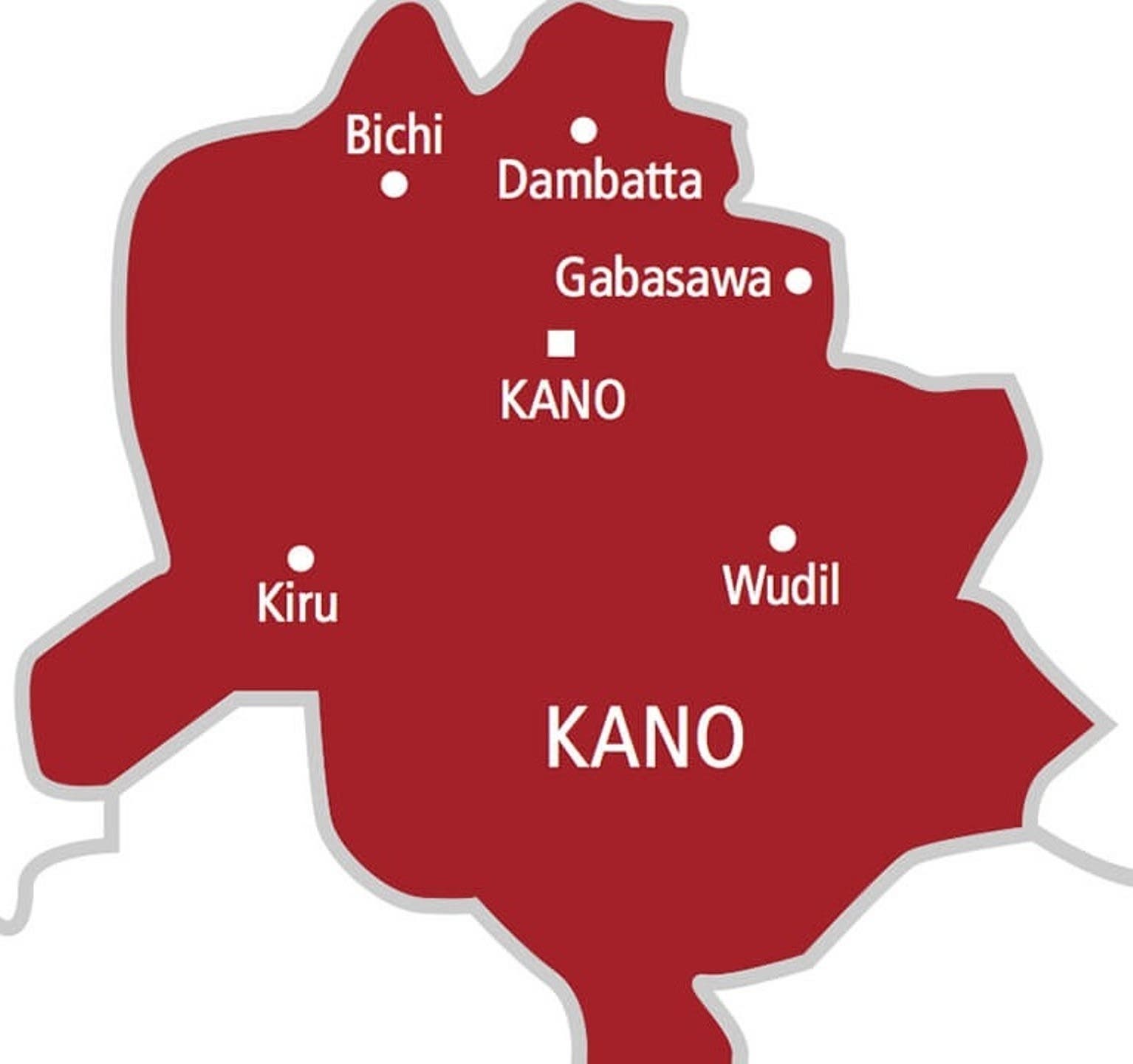
The reported distribution of 1,540 plots of land and a N100 million cash grant to leaders of the APC Polling Unit Supporters Association in Kano has sparked renewed debate over the use of public resources in Nigeria’s political landscape.
According to the official explanation, the gesture was intended to motivate party members and strengthen grassroots mobilisation ahead of future political engagements. While political parties are free to organise, mobilise supporters, and reward loyalty using lawful private resources, serious ethical and legal questions arise when assets associated with government appear to benefit partisan interests.
Democracy thrives when public institutions maintain a clear distinction between the business of governance and the business of politics. Citizens expect elected leaders to govern for everyone, irrespective of political affiliation. Public resources are held in trust for the people and should be deployed in a transparent, equitable, and lawful manner.
If the reported land allocations originated from government-controlled land or other public assets, the administration owes the people a full explanation. The public deserves to know the legal basis for the allocations, the source of the land, the criteria used in selecting beneficiaries, and whether all applicable laws and procedures were followed.
Read Also:
PFIPC Scandal: Gbajabiamila should step aside to ensure credible probe — Laolu Akande
NDC demands Gbajabiamila’s removal over PFIPC scandal
Ganduje blames lack of ideology for rising political defections
These questions are not merely political. They go to the heart of accountability, transparency, and public confidence in government.
The incident also highlights broader concerns about Nigeria’s political culture. Across party lines, governments have too often been accused of using appointments, contracts, land allocations, cash gifts, and other state benefits as instruments of political patronage. Such practices reinforce the perception that access to public resources depends on political loyalty rather than citizenship.
This weakens democratic institutions and deepens public distrust.
The Independent National Electoral Commission (INEC), anti-corruption agencies, civil society organisations, and other accountability institutions have an important responsibility whenever allegations arise that public resources may have been used in ways capable of undermining electoral fairness or public trust. Where there are credible concerns, they should seek clarification, ensure compliance with applicable laws, and, where necessary, investigate.
At the same time, public commentary should remain grounded in verifiable facts. Allegations of electoral offences or abuse of office require careful legal assessment and should ultimately be determined through the appropriate constitutional and judicial processes.
Political parties, regardless of affiliation, should also resist normalising patronage politics. Sustainable political support is earned through good governance, quality education, accessible healthcare, economic opportunities, security, and infrastructure—not through material inducements.
As Nigeria gradually approaches the 2027 general elections, the country needs a political environment built on ideas, performance, and accountability rather than patronage and material incentives.
The strength of democracy is measured not by how generously politicians reward loyal supporters, but by how faithfully they protect the public trust.
For democracy to flourish, public office must remain a sacred responsibility not a platform for partisan distribution of public wealth.

Tinubu’s Kaduna Campaign Eve: Dan’agundi leads thousands of supporters to governor Uba Sani in Massive show of solidarity

Gwarzo’s exclusion: NDC races against time as INEC deadline nears

2027: Mariya Bunkure takes key women affairs role in Kano APC campaign

2027: Kano Governor Names Former Education Commissioner Kiru Campaign Spokesperson II

Sa’adatu Rimi College of Education Hosts NCCE Training as Experts Push Practical Agricultural Education
ABCOAD Unveils Journal, Bids Farewell to Provost

Nigerian Army Begins DSSC 29/2026 Recruitment, Outlines Eligibility Criteria
2027: NDC Releases Full List of Consensus Candidates in Kano

Gaya Polytechnic Opens Recruitment, Advertises 46 Academic, Non-Academic Positions