
Environment
Anti-Desertification Agency Relocates Headquarters to Kano

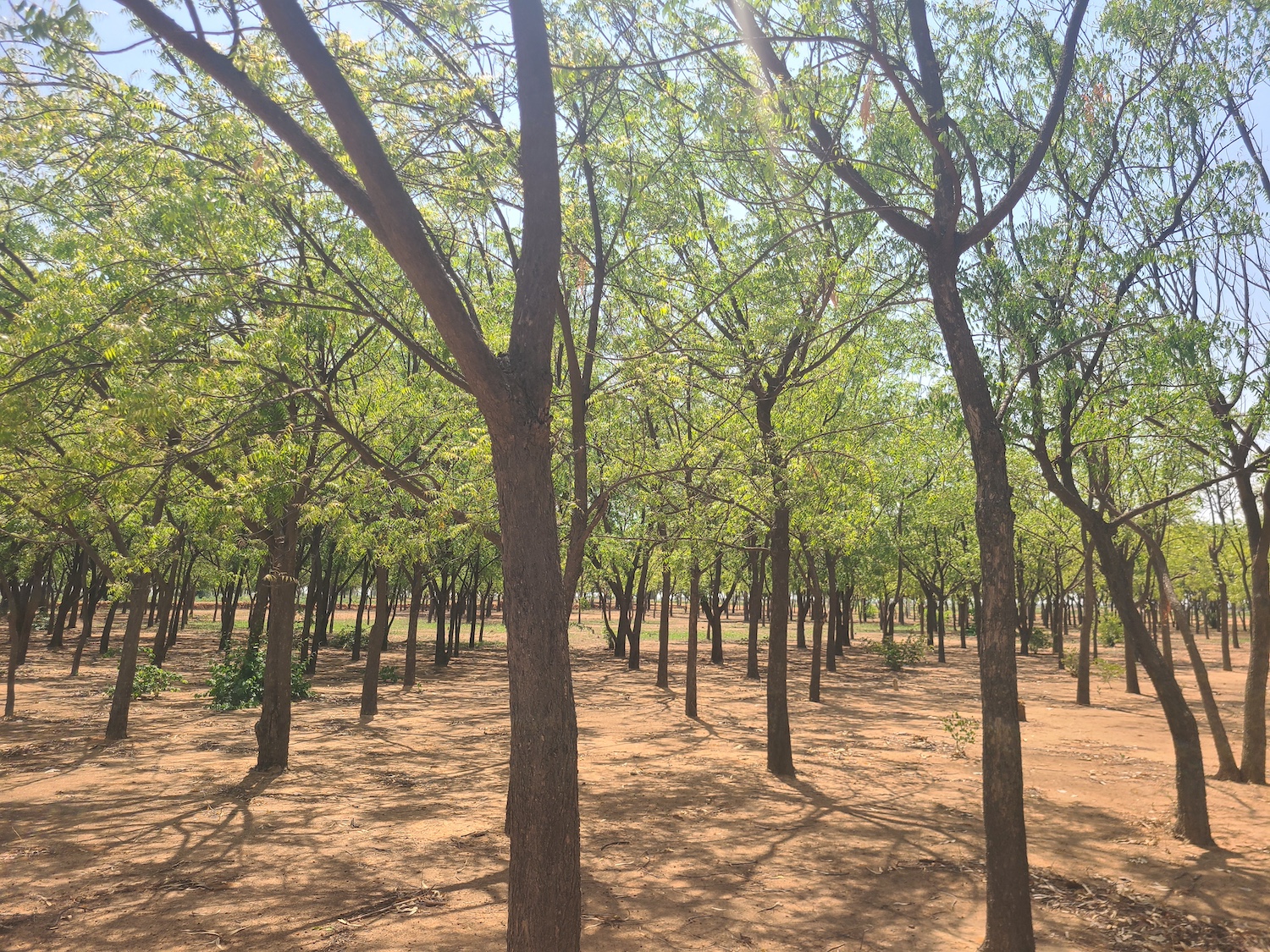
The Federal Government has relocated the Operational Headquarters of the National Agency for the Great Green Wall (NAGGW) from Abuja to Kano State as part of efforts to enhance the agency’s operational efficiency and strengthen the implementation of its programmes across frontline states.
Minister of Environment, Balarabe Abbas Lawal, disclosed this in a statement, explaining that the agency will now operate from the Afforestation Programme Coordinating Unit (APCU) Office in Kano.
According to the minister, the strategic relocation is expected to significantly improve the agency’s effectiveness in executing the Great Green Wall Programme, particularly in states most affected by desertification, land degradation and climate change.
He explained that the Great Green Wall Programme is an initiative of the African Union involving more than 11 member countries and is designed to combat desertification, restore degraded lands and address the adverse effects of climate change across the Sahel-Sahara region.
Read Also:
Fixing the Forgotten Crisis: Solutions to Nigeria’s Herders-Farmers Conflict
Why Gobirawa’s Centuries-Old Agrarian Life is at Risk in Kano
Associate Professor Amina Ganduje’s Quiet March into Nigeria’s Intellectual Elite
In Nigeria, the programme covers 11 frontline states, namely Adamawa, Bauchi, Borno, Gombe, Jigawa, Kano, Katsina, Kebbi, Sokoto, Yobe and Zamfara.
The agency is mandated to establish a 15-kilometre by 1,500-kilometre Green Wall belt aimed at promoting environmental sustainability, mitigating climate change, improving food security and reducing rural poverty.
Highlighting achievements recorded since the programme commenced in 2013 and its elevation to a full-fledged agency in 2015, the minister said over 100 shelterbelts have been established across participating states.
He added that the agency has constructed about 159 solar and wind-powered boreholes to improve water security, engaged 600 youths as forest guards, and developed 240 hectares of community orchards and woodlots to enhance household incomes and support poverty reduction efforts.
Lawal noted that the relocation would address longstanding operational challenges associated with running the agency from a temporary rented office in Abuja, which is distant from most project sites in Northern Nigeria.
He stated that positioning the headquarters in Kano, a central hub within the agency’s operational zone, would facilitate closer monitoring of projects, strengthen collaboration with state governments, local authorities and host communities, and improve overall service delivery.
The minister expressed confidence that the move would further accelerate the agency’s efforts to combat desertification and promote sustainable environmental management in the affected states.

Tinubu’s Kaduna Campaign Eve: Dan’agundi leads thousands of supporters to governor Uba Sani in Massive show of solidarity

Gwarzo’s exclusion: NDC races against time as INEC deadline nears

2027: Mariya Bunkure takes key women affairs role in Kano APC campaign

2027: Kano Governor Names Former Education Commissioner Kiru Campaign Spokesperson II

Sa’adatu Rimi College of Education Hosts NCCE Training as Experts Push Practical Agricultural Education
ABCOAD Unveils Journal, Bids Farewell to Provost

Nigerian Army Begins DSSC 29/2026 Recruitment, Outlines Eligibility Criteria

2027: NDC Releases Full List of Consensus Candidates in Kano

Gaya Polytechnic Opens Recruitment, Advertises 46 Academic, Non-Academic Positions