Feature
Meet Zaid Abubakar, The Man Steering Kano’s Revenue Transformation


By Umar Idris Shuaibu, Kano
In the evolving landscape of public finance and taxation in Nigeria, few names resonate with innovation and reform like Zaid Abubakar. A seasoned tax administrator, accomplished academic, and award-winning accountant, Dr. Zaid has built a reputation as one of the leading figures transforming revenue generation in northern Nigeria.
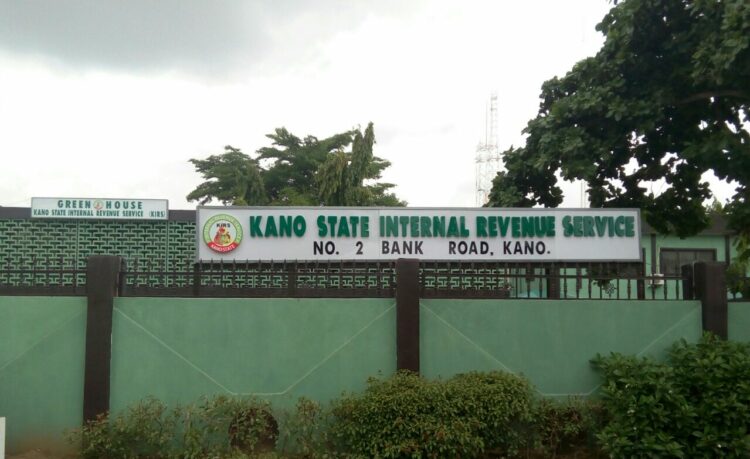
His appointment in May 2024 as Executive Chairman of the Kano State Internal Revenue Service by Governor Abba Kabir Yusuf marked a significant step in Kano State’s drive to revitalise its revenue system and unlock its economic potential. The appointment followed a major restructuring of the state’s revenue architecture, with his predecessor, Sani Abubakar Dambo, redeployed as Special Adviser on Investment to the governor.
Dr. Zaid’s emergence in Kano builds on a track record that first drew national attention during his tenure as Executive Chairman of the Kaduna State Internal Revenue Service from 2019 to 2023. Appointed as the youngest-ever head of the agency at the time, he ushered in a new era of efficiency, innovation, and measurable growth. Under his leadership, Kaduna State’s internally generated revenue (IGR) witnessed a remarkable leap—from ₦29.45 billion in 2018 to ₦58.09 billion in 2022—driven by strategic reforms and institutional discipline.
Before rising to prominence in revenue administration, Dr. Zaid built a solid professional foundation as a tax auditor with the Federal Inland Revenue Service. His early career also spanned academia, where he served as a lecturer and researcher at Ahmadu Bello University and Ameer Shehu Idris College of Advanced Studies. In these roles, he mentored numerous students and contributed to scholarly discourse through peer-reviewed publications in taxation and accounting information systems.
Read Also:
CITAD Distributes School Materials to Nomadic Pupils in Kano, Urges Increased Govt Intervention
Kano: 44 LG Artificial Inseminators Back Garo
Tinubu Points to Past Errors in Power Sector as Blackouts Persist
An accomplished professional, Dr. Zaid is chartered in both Nigeria and the United Kingdom, underscoring his global competence in accounting and taxation. He is a Fellow of the Chartered Institute of Taxation of Nigeria and the Institute of Chartered Accountants of Nigeria. His excellence was recognised early in his career when he received the ICAN Merit Award in 2009 as one of the top two qualifying chartered accountants in Nigeria.
Over the years, he has garnered several accolades, including the 2020 Man of the Year Award by Revenue Magazine and the African Distinguished Leadership Award by the African Students Union Parliament. His expertise has also earned him recognition by the Accounting and Auditing Organisation for Islamic Financial Institutions as a Certified Islamic Professional Accountant (CIPA), further broadening his professional credentials.
At KADIRS, Dr. Zaid spearheaded a comprehensive transformation that saw the agency surpass its revenue targets for the first time while undergoing rapid digitisation, significantly improving service delivery and taxpayer engagement. Kaduna State subsequently emerged as a leading force in internally generated revenue in northern Nigeria and one of the most consistent performers nationwide.
Now in Kano, expectations are high. With its vast commercial base and economic significance in northern Nigeria, the state presents both an opportunity and a challenge. Observers believe that Dr. Zaid’s proven capacity for reform, combined with the political will of the current administration, could usher in a new era of fiscal efficiency and economic expansion.
Beyond his professional accomplishments, Dr. Zaid is known for his humility and dedication to personal development. A family man, he enjoys reading, travelling, and playing table tennis during his leisure time.
As Kano State embarks on a renewed push to strengthen its revenue base and economic resilience, Dr. Zaid Abubakar’s leadership offers a compelling example of how expertise, innovation, and disciplined reform can reshape public institutions and deliver lasting impact.

Kano Assembly Clears Six Commissioner Nominees for Executive Council

Kogi Police investigate as two officers die in fatal shooting at Ajaokuta

EFCC opens recruitment for graduates, ND holders, SSCE candidates

Kano Poly MFB: A bank closed, an investigation launched, but where are the answers?
ABCOAD Unveils Journal, Bids Farewell to Provost

Nigerian Army Begins DSSC 29/2026 Recruitment, Outlines Eligibility Criteria
2027: NDC Releases Full List of Consensus Candidates in Kano

Gaya Polytechnic Opens Recruitment, Advertises 46 Academic, Non-Academic Positions