Feature
The Ganduje Equation: How Kano’s Power Map Leaves Governor Yusuf with Few Options

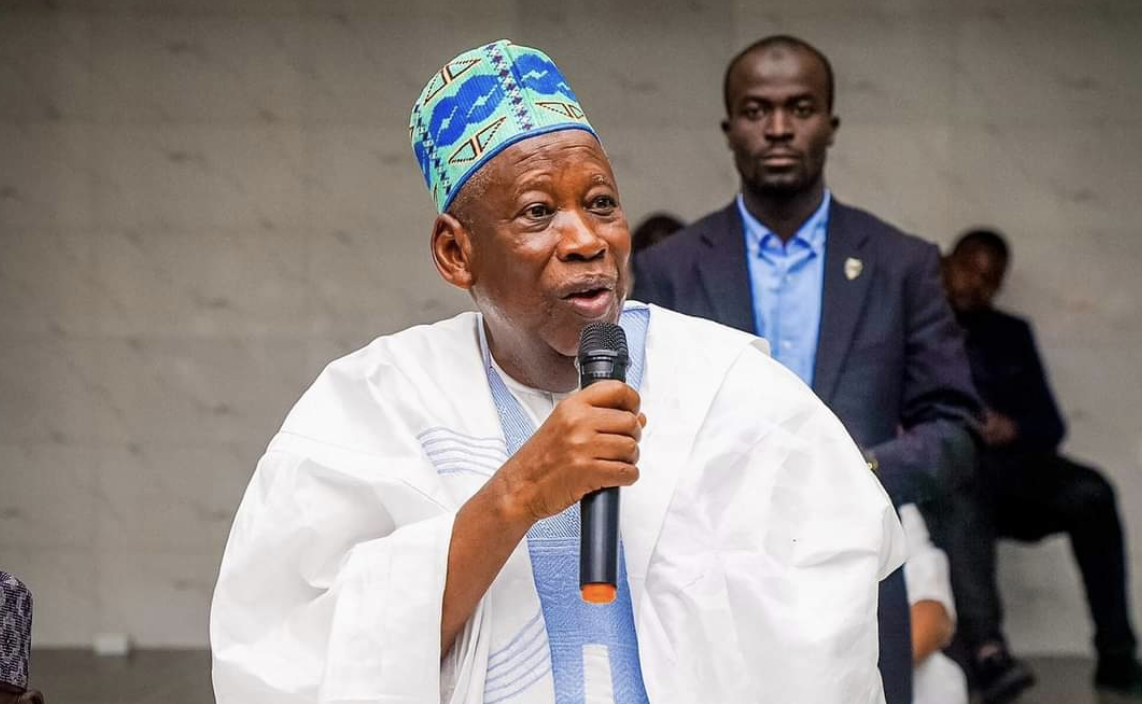
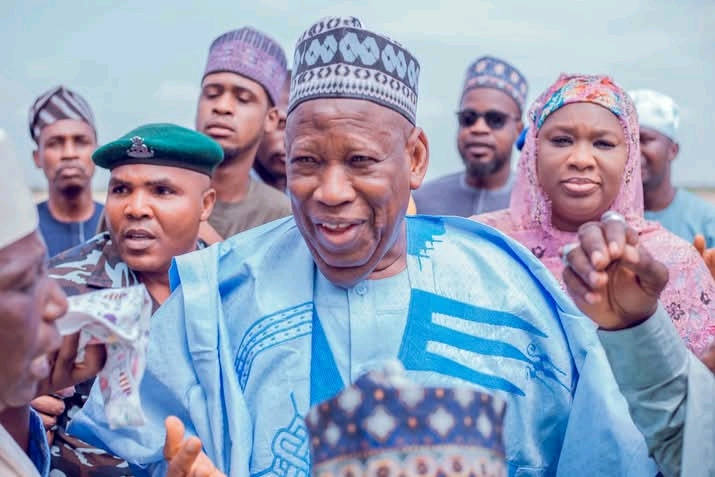
Dr. Ganduje
By Umar Idris Shuaibu, Kano
In the complex and often unforgiving terrain of Kano politics, power does not merely change hands; it is negotiated, structured, and sustained through deeply rooted political networks. At the centre of this structure remains one figure whose relevance has endured beyond office, party shifts, and electoral cycles is the immediate past National Chairman of the All Progressives Congress (APC) and Chairperson of the Board of the Federal Airports Authority of Nigeria (FAAN), Dr. Abdullahi Umar Ganduje.
As Governor Abba Kabir Yusuf grapples with the uncertainties surrounding his reported plan to defect from the New Nigeria People’s Party (NNPP) to the APC, the unfolding drama has exposed a fundamental reality that Kano’s political machinery still largely responds to Ganduje’s architecture of influence. Any attempt to bypass this reality has historically proven costly.
Governor Yusuf’s alleged demands ranging from an automatic 2027 gubernatorial ticket to control over federal appointments have reportedly met firm resistance within the APC. This resistance is not merely procedural; it is structural. The APC in Kano is not a vacuum waiting to be occupied. It is a carefully layered organisation shaped over years by Ganduje’s leadership, political investments, and institutional loyalty.
Ganduje’s enduring relevance is rooted in more than incumbency or past titles. As governor, he built a political ecosystem that fused grassroots mobilisation, party discipline, and strategic federal alignment.
His transition from Government House to national party leadership only expanded that influence, giving him a rare blend of local legitimacy and national leverage.
Read Also:
Dr. Ganduje’s Political School and the Rise of Dr. Mariya Mahmoud Bunkure at 48
Ganduje Rallies Kano APC Members for Strategic E-Registration Push
Group Backs Adamu Abdu Fanda for Kano Deputy Governorship, Cites Experience, Competence
For Governor Yusuf, the dilemma is therefore not simply about changing party platforms; it is about navigating an existing power order.
Unlike other governors who defected quietly or negotiated entry without preconditions, Yusuf is operating in a state where political memory is long and structures are not easily dismantled.
Crucially, Ganduje represents stability to the APC hierarchy, a bridge between Kano’s political past and its future within the ruling party. His relationship with key national actors, combined with his firm grip on the Kano APC structure, positions him as both gatekeeper and guarantor. Any defection that does not pass through this prism is likely to remain stalled.
The presence of strong APC aspirants, notably Deputy Senate President Senator Barau Jibrin, further complicates Yusuf’s calculations. Yet even within these internal dynamics, Ganduje’s role as balancer and consensus-builder remains pivotal. He is one of the few figures with the authority to manage ambition without fracturing the party.
Beyond partisan considerations, Ganduje’s political philosophy has consistently emphasised order, institutional process, and gradual consolidation. This is precisely why APC leaders have resisted demands perceived as transactional or exceptional.
The party’s insistence on primaries is not hostility; it is continuity and a principle Ganduje himself institutionalised.
For Governor Yusuf, the most realistic pathway forward lies not in confrontation or conditional bargaining, but in strategic accommodation. Succumbing, in this context, does not imply political surrender; it implies political wisdom, recognising the limits of leverage and the value of alignment.
History offers a sobering lesson in Kano politics, that those who swim against the dominant current rarely reach shore intact.
Ganduje has outlasted administrations, redefined party loyalty, and remained relevant across political seasons because he understands this current better than most.
As Kano approaches another defining electoral cycle, the question is no longer whether Ganduje remains relevant, because that has been answered by events themselves. The real question is whether Governor Yusuf will read the political map accurately and choose collaboration over collision.
In Kano politics, structures matter more than sentiments, and alliances matter more than declarations. On this score, Ganduje remains the axis around which stability revolves, a reality that Governor Yusuf may yet be compelled to acknowledge, as events continue to unfold and political actors recalibrate their positions, a fact observers say the unfolding scenario has once again reiterated.





Yakasai Nomination: DG Dan’agundi Commends Governor Abba, Pledges Loyalty and Support

NUJ seeks justice for Kaduna journalist facing retrial over Facebook post

APC taps Gaya polytechnic committee chairman for academic mobilisation

NBTE proposes polytechnic act amendment to allow BTech degrees

FRSC prohibits political convoy escorts ahead of 2027 elections
ABCOAD Unveils Journal, Bids Farewell to Provost

Nigerian Army Begins DSSC 29/2026 Recruitment, Outlines Eligibility Criteria
2027: NDC Releases Full List of Consensus Candidates in Kano

Gaya Polytechnic Opens Recruitment, Advertises 46 Academic, Non-Academic Positions