Feature
Why I Believe Ganduje Combines Politics with Islamic Propagation as Foundation Welcomes 378 New Muslims – By Umar Idris Shuaibu


By Umar Idris Shuaibu
When people discuss Dr. Abdullahi Umar Ganduje, they often focus on his political journey, as former Governor of Kano State, immediate past National Chairman of the All Progressives Congress (APC), and now Chairman of the Board of the Federal Airports Authority of Nigeria (FAAN). Those are significant public offices, but I believe they tell only part of his story.
What I witnessed recently at the Ganduje Foundation’s prayer gathering and Da’awah programme in Kano reinforced my long-held conviction that Dr. Ganduje has consistently combined politics with Islamic propagation and humanitarian service.
The programme, during which 378 people 115 men and 263 women embraced Islam, was more than a conversion exercise. It was a gathering that reflected the Foundation’s philosophy of combining faith, compassion, education and social support.
To me, what makes the Ganduje Foundation different is that its activities do not end with speeches or charitable donations. It places equal emphasis on spiritual guidance and practical support for beneficiaries.
Read Also:
Ganduje: I won the 1999 PDP governorship primary, but the election was rigged for Kwankwaso
Ganduje pays condolence, sick visits across Kano
Ganduje blames lack of ideology for rising political defections
As I observed during the programme, every new Muslim was not only welcomed into the faith but was also assured of continued Islamic education, mentorship and follow-up by the Foundation’s Da’awah Committee.
I believe this demonstrates that accepting Islam is viewed not as the end of a process but as the beginning of a lifelong journey of learning, discipline and moral growth.
Another aspect that stood out to me was the humanitarian dimension of the programme.
The Foundation announced support packages for the new Muslims, including fertiliser to encourage farming, Atamfa materials for women, Shadda materials for men, financial assistance and Islamic books to strengthen their understanding of the religion.
In my opinion, this reflects the true essence of Da’awah.
As I see it, religious propagation becomes more meaningful when it is accompanied by compassion, economic empowerment and concern for people’s welfare. Faith should inspire hope, dignity and self-reliance, and I believe the Foundation attempted to reflect those values.
The gathering was equally devoted to prayers for Nigeria, its leaders and the restoration of lasting peace and security across the country.
This, to me, is another important lesson.
While governments formulate policies and provide leadership, religious institutions and community organisations also have important roles in shaping responsible citizens, promoting moral values and strengthening national unity.
One message repeatedly emphasised during the programme was the importance of good character.
The new Muslims were encouraged to embrace honesty, cleanliness, discipline, respect for lawful authority, peaceful coexistence and good neighbourliness as essential teachings of Islam.
I believe these values extend beyond religion. They are the same principles that help build stable families, peaceful communities and a stronger nation.
Perhaps what impressed me most was that the programme was not organised to celebrate numbers alone.
Rather, deliberate arrangements were made for continuous mentorship, Islamic education and counselling for the new converts.
In my view, this demonstrates seriousness of purpose.
Many organisations celebrate statistics, but real success lies in ensuring that those who embrace a new faith are supported with knowledge, guidance and encouragement to grow spiritually and morally.
The event also brought together Islamic scholars from different traditions, political associates, community leaders and supporters, all united in prayers for peace, stability and national progress.
To me, such gatherings serve as reminders that religion can remain a powerful force for unity, dialogue and peaceful coexistence when properly guided.
Having followed Dr. Ganduje’s public life over the years, I believe his commitment to Islamic propagation through the Ganduje Foundation deserves attention alongside his political career.
Whether one agrees with his politics or not, it is difficult to ignore the Foundation’s sustained investment in Qur’anic education, Da’awah activities, humanitarian interventions and support for community development.
For me, leadership should not be measured solely by the offices one occupies. It should also be judged by the positive and lasting impact made in the lives of ordinary people through service, education, charity and moral development.
The welcoming of 378 new Muslims, therefore, represents more than a numerical achievement. It reflects a broader commitment to combining faith with service, religious enlightenment with humanitarian assistance, and leadership with community development.
That is why I believe Dr. Abdullahi Umar Ganduje continues to combine politics with Islamic propagation, using public influence not only for governance but also, through the Ganduje Foundation, to promote faith, compassion and service to humanity.
Umar Idris Shuaibu writes from Kano.

Kano Civil Service: Govt moves to address manpower gaps through recruitment
2027: Ganduje and APC heavyweights prepare for a defining political contest

Insecurity: Gunmen kill Islamic cleric, visitor in Dutsin-Ma

Every Kano State Lawmaker Should Support Governor Abba Kabir Yusuf, Regardless of Party Affiliation – Dr. Baffa Babba Dan’agundi

Nigeria records no cases after patient’s evacuation to Switzerland – WHO
ABCOAD Unveils Journal, Bids Farewell to Provost
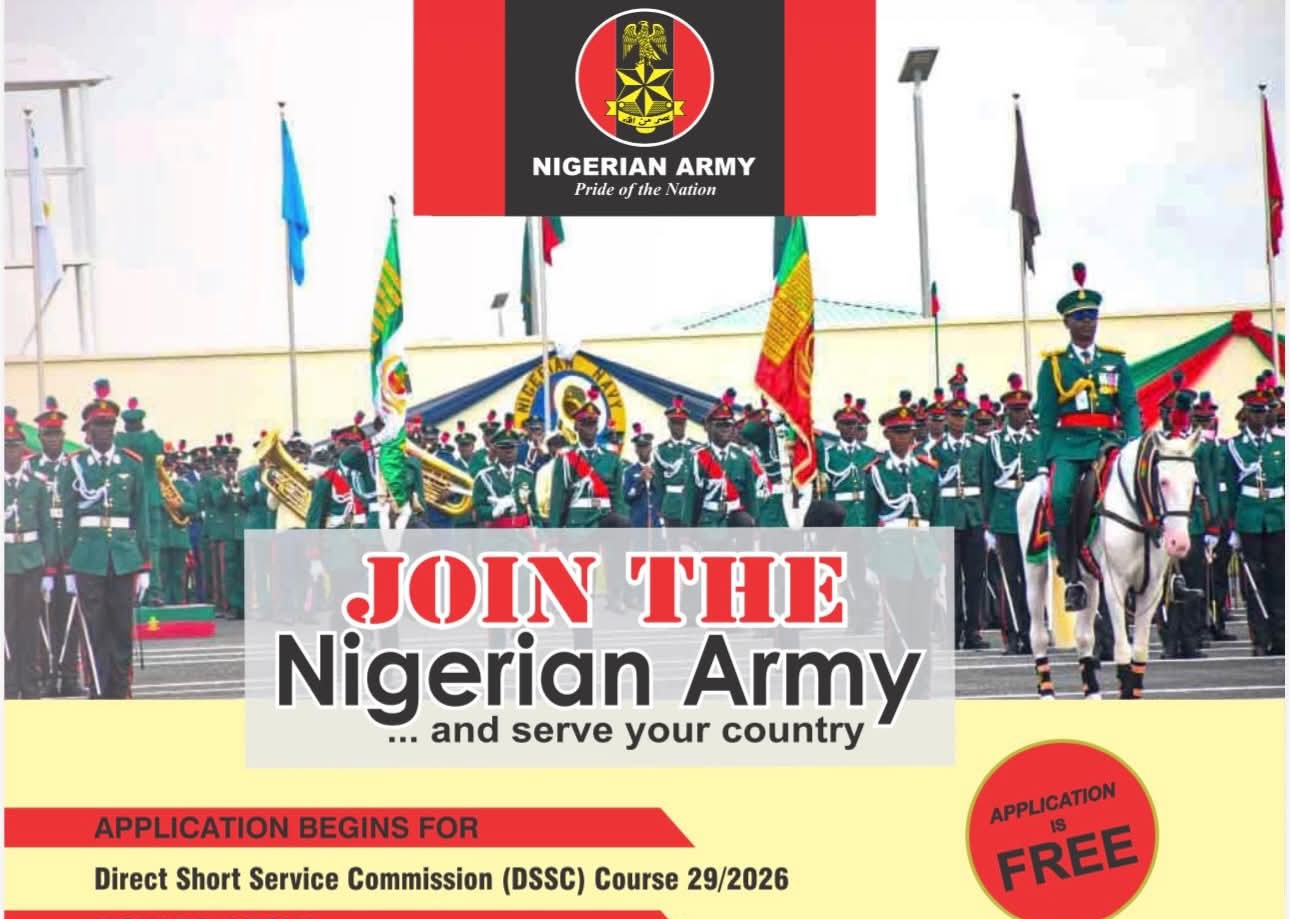
Nigerian Army Begins DSSC 29/2026 Recruitment, Outlines Eligibility Criteria

2027: NDC Releases Full List of Consensus Candidates in Kano

Gaya Polytechnic Opens Recruitment, Advertises 46 Academic, Non-Academic Positions