Feature
Young Africans Champion Health Sovereignty at 8th Galien Forum in Dakar

Faced with a global disease burden of 24 percent but only 3 percent of the world’s health professionals, Africa continues to grapple with the challenge of meeting its health needs. Yet, a new wave of young Africans is rising to the occasion—driving innovation and advocacy for the continent’s health sovereignty.
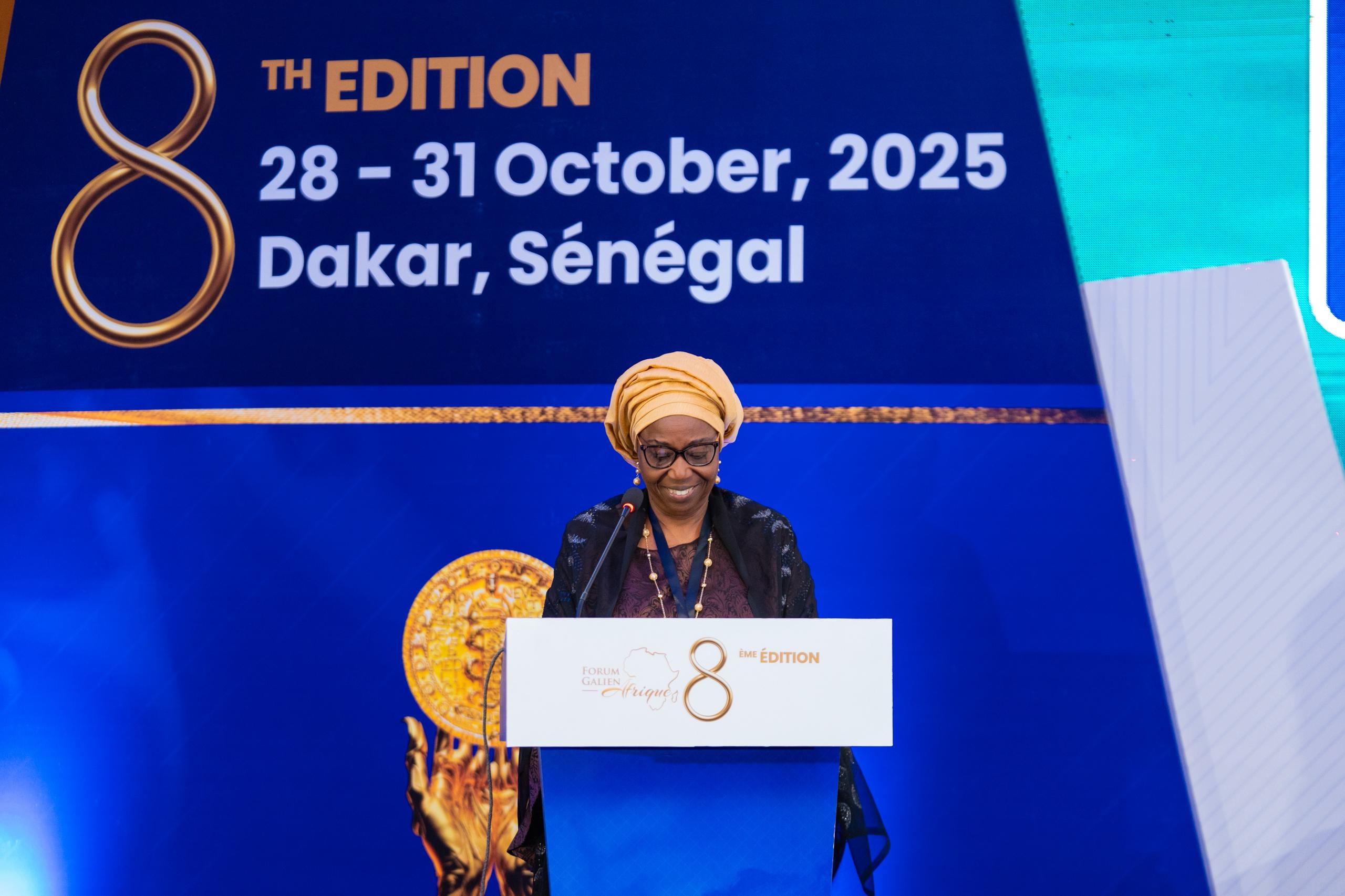
This theme resonated strongly at the 8th Galien Africa Forum, which opened on October 28, 2025, in Dakar, Senegal. The first day of the three-day conference was held under the theme: “Rethinking Health Leadership: Preparing a Generation Capable of Defending Africa’s Health Sovereignty in a Technological and Globalised World.”
More than 2,500 participants—including scientists, policymakers, health professionals, students, and development partners—attended the forum both physically and virtually. The gathering seeks to re-examine Africa’s role in global health leadership and reaffirm its commitment to shaping its own priorities in the healthcare sector.
One of the forum’s major attractions was an exhibition by young African scientists showcasing innovation-driven technological solutions to some of the continent’s most pressing health challenges. Among the most discussed projects were those focused on Universal Access to Healthcare Leveraging Biometrics and AI, Safe Water Hubs, and Integrated Health Systems.
Read Also:
Stakeholders Meet in Kano to Address Health Workers’ Attitude Towards Immunization
Two medical students—Samuel Afolabi from the University of Ibadan, Nigeria, and Lydia Ankomah Obeng from the University of Ghana Medical School—led a team of ten innovators to present their project on Universal Access to Healthcare Leveraging Biometrics and AI.
Speaking to Emefa Ewoenam Atiamoah-Eli, West and Central Africa Regional Coordinator (Maternal, Newborn and Child Health) of the Africa Media Network for the Promotion of Health and Environment (REMAPSEN), Afolabi explained that technology holds the key to closing Africa’s healthcare gaps.
“Many people in Africa lack the proper data needed to access quality healthcare. Some spend hours in hospitals for consultations that should take minutes, while others walk several kilometres to see a doctor. Our solution aims to bridge that gap through digital innovation,” he said.
Their innovation proposes a simple mobile application designed to streamline healthcare access while helping Africa take ownership of its health systems. Lydia Ankomah Obeng added that “education and awareness in rural communities are crucial for adoption. With proper government and partner support, this innovation can be scaled across Africa.”
Echoing the call for health autonomy, Prof. Dr. Bamba Gaye, a research scientist in preventive cardiology at the Institute of Health and Development (ISED), University Cheikh Anta Diop of Dakar, emphasized the importance of local data ownership.
“Africa must become an active contributor to AI systems by feeding them with its own data,” he said. “Otherwise, we risk having our realities misrepresented by externally generated data that do not reflect our context.”
Under the leadership of Prof. Marie Coll Seck, President of Galien Africa, the forum attracted high-level dignitaries, including researchers, development partners, and government officials.
In her address, Prof. Seck remarked that “Africa is not just a continent—it is the driving force of innovation.” She urged African nations to scale up local production of health products and mobilize resources to achieve true health sovereignty.
Officially declaring the forum open, Senegal’s Minister of Health, Dr. Ibrahima Sy, called for collective responsibility in reclaiming Africa’s health independence.
“Reclaiming autonomy over Africa’s health requires deliberate action—investing in youth training and fostering technological innovation in healthcare delivery,” Dr. Sy said.
The 8th Galien Africa Forum continues to serve as a platform for inspiring a new generation of African health leaders—young innovators determined to make the continent self-reliant, data-driven, and globally competitive in healthcare advancement.


Kano Poly MFB: A bank closed, an investigation launched, but where are the answers?

Tinubu’s Kaduna Campaign Eve: Dan’agundi leads thousands of supporters to governor Uba Sani in Massive show of solidarity

Gwarzo’s exclusion: NDC races against time as INEC deadline nears

2027: Mariya Bunkure takes key women affairs role in Kano APC campaign
ABCOAD Unveils Journal, Bids Farewell to Provost

Nigerian Army Begins DSSC 29/2026 Recruitment, Outlines Eligibility Criteria
2027: NDC Releases Full List of Consensus Candidates in Kano

Gaya Polytechnic Opens Recruitment, Advertises 46 Academic, Non-Academic Positions