Abuja
Inside Ganduje’s Political Blueprint That Keeps Strengthening APC Nationwide

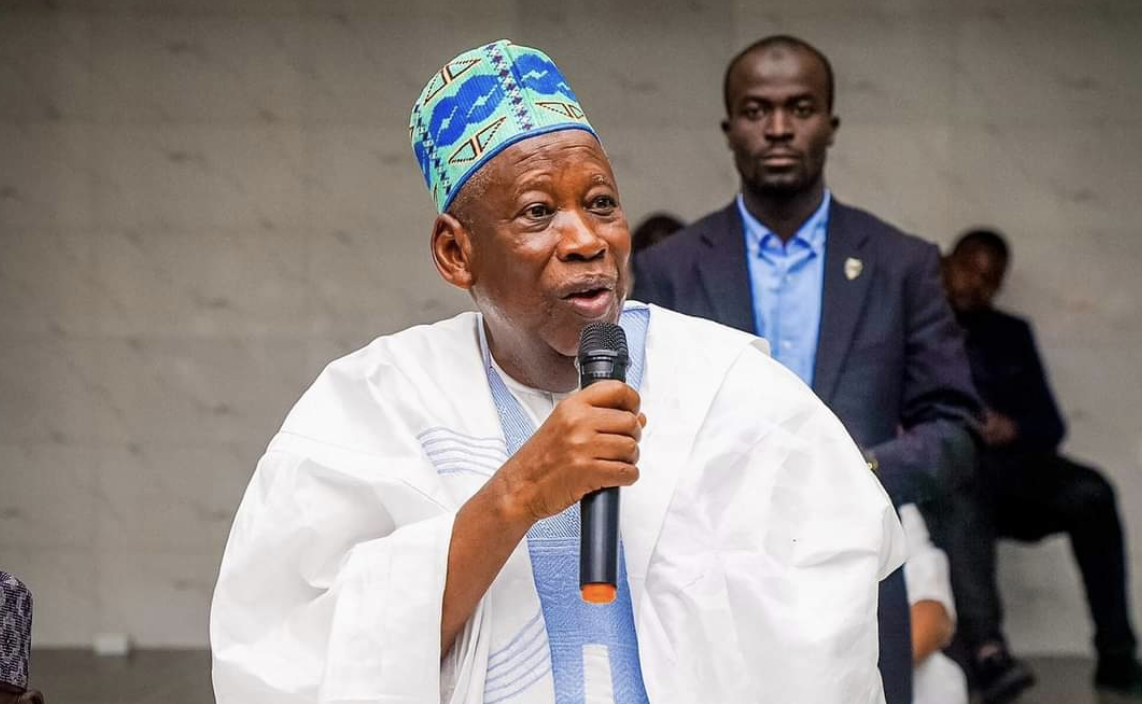
Nigeria’s current political landscape is witnessing a remarkable shift — one that analysts say bears the unmistakable imprint of Dr. Abdullahi Umar Ganduje, the immediate past National Chairman of the All Progressives Congress (APC) and Chairperson of the Board of the Federal Airports Authority of Nigeria (FAAN).
The recent declaration by Taraba State Governor, Dr. Agbu Kefas, to defect from the Peoples Democratic Party (PDP) to the ruling APC has stirred national debate. But beyond the headlines lies a deeper narrative — one tied to the strategic groundwork Ganduje laid during his tenure as the APC’s helmsman.
Under Ganduje’s leadership, the APC experienced one of its most stable and strategic organizational phases. He did not merely lead a political party — he built a political machinery grounded in policy, ideological clarity, and institutional discipline.
Related:
Political Realignment: Taraba’s Kefas Eyes APC for Greater Federal Inclusion
Ganduje rebuilt APC from crisis to dominance
APC Consolidates Strength Across Nigeria Ahead of 2027 Elections
During his time as National Chairman, Ganduje consolidated the party’s internal unity, oversaw the resolution of lingering intra-party crises, and strengthened relationships between national and subnational leaders. This renewed cohesion, experts argue, is what has now positioned the APC as the dominant force attracting governors, legislators, and party stalwarts from the opposition.
Dr. Ganduje’s tenure also recorded significant electoral victories across key states. His ability to bridge divides among stakeholders and sustain dialogue between federal and state party structures contributed immensely to the APC’s successes in off-season and by-elections. It was a tenure marked by strategic negotiation, inclusivity, and political foresight.
Perhaps his most enduring contribution to Nigeria’s political space was the establishment of the Progressive Institute — a think tank envisioned as the party’s policy, research, and ideological center.
The institute was designed not only to strengthen the APC’s internal policy framework but also to serve as a national policy incubation hub, focusing on governance, public administration, and development strategy.
According to political observers, the Progressive Institute has become a quiet powerhouse, producing policy recommendations, conducting political risk assessments, and providing intellectual depth to party reforms. “It is one of Ganduje’s most transformative legacies,” noted a senior party insider, “because it ensures that the APC’s political agenda is backed by research and evidence.”
This long-term institutional thinking explains why, today, the APC remains the natural destination for defecting governors and influential politicians. The party’s dominance, structure, and strategic stability — all nurtured under Ganduje’s leadership — have created a gravitational pull too strong for many to resist.
Even as he left office as National Chairman, Ganduje’s imprint remains visible in the party’s growing influence. His philosophy of “progressivism with discipline” continues to guide internal decisions, while his diplomatic approach to inter-party dialogue still shapes the tone of Nigeria’s political engagement.
Governor Agbu Kefas’s defection, and similar moves from other state leaders, reflect the continuing legacy of Ganduje’s groundwork — a legacy rooted in inclusiveness, strategy, and ideological conviction.
As Nigeria inches closer to the next electoral cycle, one thing remains clear: the Ganduje effect is far from over. The structures he built, the alliances he nurtured, and the policies he institutionalized have redefined Nigeria’s political map and strengthened the APC’s position as the party of national cohesion.
In the words of a Kano-based political analyst, “What Ganduje did for the APC was not just to lead it — he engineered a system. And that system is now producing results long after he has left the stage.”

Kano Poly MFB: A bank closed, an investigation launched, but where are the answers?

Tinubu’s Kaduna Campaign Eve: Dan’agundi leads thousands of supporters to governor Uba Sani in Massive show of solidarity

Gwarzo’s exclusion: NDC races against time as INEC deadline nears

2027: Mariya Bunkure takes key women affairs role in Kano APC campaign
ABCOAD Unveils Journal, Bids Farewell to Provost

Nigerian Army Begins DSSC 29/2026 Recruitment, Outlines Eligibility Criteria
2027: NDC Releases Full List of Consensus Candidates in Kano

Gaya Polytechnic Opens Recruitment, Advertises 46 Academic, Non-Academic Positions