The Historica Nigeria

National

National, News

New Electoral Bill Targets November 2026 Elections, Faster Tribunal Process

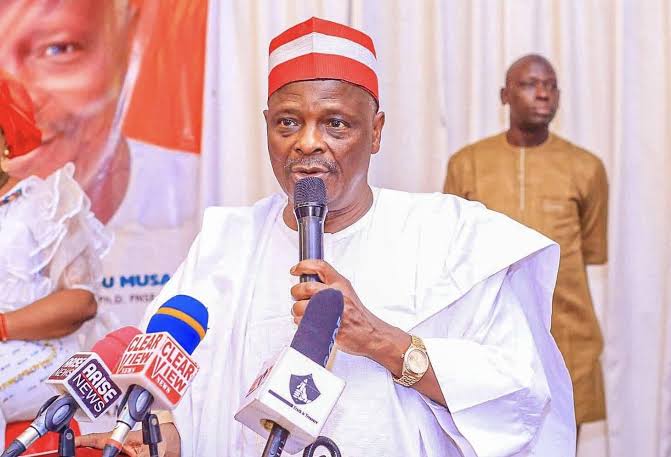
Nigeria’s next general elections may hold in November 2026 if the new proposal by the National Assembly to amend the Electoral Act sails through. The proposal, part of the Electoral Act (Amendment) Bill 2025, was unveiled on Monday during a public hearing jointly organized by the Senate and House Committees on Electoral Matters in Abuja. According to lawmakers, the adjustment aims to ensure that all election petitions are resolved before the next handover date on May 29, 2027. Read Also: Council of State Approves Prof. Joash Amupitan as New INEC Chairman The draft amendment reads: “Elections into the office of the President and Governor of a State shall be held not later than 185 days before the expiration of the term of office of the last holder of the office.” This means the elections would now fall around November 2026, roughly six months before the end of the current administration’s tenure. Chairman of the House Committee on Electoral Matters, Hon. Adebayo Balogun, said the move is designed to “ensure that all manner of election litigations are dispensed with before the swearing in of winners.” He explained that the National Assembly also plans to amend Sections 285 and 139 of the 1999 Constitution to shorten the duration of election petitions — reducing tribunal judgments from 180 to 90 days, appellate court decisions from 90 to 60 days, and ensuring the entire process does not exceed 185 days. Other key provisions in the proposal include early voting for specific categories of Nigerians — such as security personnel, INEC staff, accredited journalists, and observers — at least 14 days before election day. Significantly, the amendment also seeks to make electronic transmission of results mandatory, with penalties for non-compliance. The proposed Section 60(5) reads: “The Presiding Officer shall transmit the results, including the total number of accredited voters, to the next level of collation both electronically and manually.” Officers who issue unstamped ballot papers or result sheets could face a one-year jail term or a ₦1 million fine. Stakeholders, including the Independent National Electoral Commission (INEC), represented by Prof. Abdullahi Zuru, endorsed the proposed reforms — particularly the electronic voting and compulsory e-transmission clauses — describing them as vital to strengthening transparency and reducing post-election disputes. In July, a similar proposal to amend the 1999 Constitution and hold all elections on the same day in 2027 sparked mixed reactions. While opposition parties such as the PDP, Labour Party, ADC, and NNPP supported the idea, the ruling APC rejected it, warning of possible chaos. The initiative, championed by the House Committee on Constitution Review chaired by Deputy Speaker Benjamin Kalu, emerged from broader consultations held across the six geo-political zones. If passed, the bill will mandate INEC to conduct presidential, governorship, National Assembly, and state assembly elections on a single day — a move projected to cut costs and reduce post-election bandwagon effects.

Business, National, News

Fuel Price Hits ₦992 as NNPCL Adjusts Pump Rates Across Nigeria

The Nigerian National Petroleum Company Limited (NNPCL) has increased the pump price of petrol from ₦865 to ₦992 per litre, triggering fresh concern among motorists and consumers nationwide. As of the time of filing this report, the company has yet to release any official statement explaining the reason behind the sudden adjustment. During visits to several NNPC retail outlets, The Nation observed fuel attendants recalibrating their pumps to reflect the new rate. Read Also: NNPCL Drills Four Oil Wells in Kolmani, Constructs Gas Plants in Kogi At the NNPC filling station along Ogunusi Road, Ojodu Berger, attendants confirmed they were instructed to update the pump price to ₦992 per litre. However, checks at Ibafo along the Lagos–Ibadan Expressway revealed that NNPC outlets in the area still displayed the old price of ₦875 per litre but were not dispensing fuel to motorists. Most NNPC stations visited in Lagos and Ogun States were also not selling fuel as of Sunday evening, sparking frustration among commuters and transport operators. Although NNPCL has not provided an official reason for the price hike, industry analysts speculate that rising global crude oil prices and foreign exchange volatility could be contributing factors. (The Nation)

Education, National, News

ASUU Shuts Down Public Universities Nationwide Over Unmet Demands

The Academic Staff Union of Universities (ASUU) has officially declared a two-week comprehensive warning strike, marking yet another disruption in Nigeria’s public university system. The announcement was made on Sunday by the National President of the union, Professor Chris Piwuna, during a press briefing held at the University of Abuja. According to the ASUU president, the decision followed the expiration of a 14-day ultimatum earlier issued to the Federal Government on September 28, 2025. He stated that the strike would commence at midnight on Monday, October 13, 2025, and would involve the total withdrawal of services from all public universities across the country. Read Also: Experts, Scholars Chart Path for Zero-Waste Leather Production at NILEST Conference “Compatriots of the press, it goes without saying that there is nothing sufficient on ground to stop the implementation of the ASUU-NEC’s resolution to embark on a two-week warning strike at the expiry of the 14-day notice given on the 28th September 2025,” Professor Piwuna declared. “Consequently, all branches of ASUU are hereby directed to withdraw their services with effect from midnight on Monday, the 13th October, 2025. The warning strike shall be total and comprehensive as agreed at the last NEC meeting.” ASUU, formed in 1978 to represent the interests and welfare of university lecturers in Nigeria, has been in constant dispute with the Federal Government over issues of funding, welfare, and the implementation of agreements reached as far back as 2009. Education analysts have expressed concerns that the fresh industrial action could further derail the already fragile academic calendar, especially for students who are yet to recover from previous disruptions. Some institutions had only recently resumed following delays linked to unpaid salaries and infrastructural challenges. The latest standoff comes despite ongoing negotiations between the Federal Government and the university-based unions. On Wednesday, the Minister of Education, Dr. Tunji Alausa, revealed that the administration was in the final phase of talks with ASUU and other unions to resolve outstanding issues relating to university funding and staff welfare. Dr. Alausa explained that the government had made significant progress by releasing ₦50 billion for Earned Academic Allowances (EAA) and earmarking another ₦150 billion in the 2025 budget for needs assessment in public universities. He said the funds would be released in three tranches as part of efforts to address ASUU’s demands and stabilize the education sector. However, the union insists that the government’s actions have not matched its promises. Many lecturers have argued that the delay in implementing key aspects of the 2009 ASUU-FGN Agreement and the continued use of the Integrated Payroll and Personnel Information System (IPPIS) have worsened their plight. Students across various campuses have expressed worry over the renewed strike, describing it as a major setback to their academic progress. A 400-level student of the University of Lagos, identified as Tolu, said, “We are tired of this constant back and forth. Every time there’s progress, another strike begins, and it affects our graduation timelines.” Education rights advocates have urged the Federal Government to prioritize university reforms and ensure that the recurrent cycle of strikes comes to an end. According to them, the government must strengthen communication with stakeholders to rebuild trust in Nigeria’s higher education system. Observers note that the strike could worsen the ongoing brain drain in the sector, as more lecturers may seek opportunities abroad due to poor working conditions. Nigeria has already recorded the exit of over 300 professors from public universities in the last two years. University managements across the country have started issuing circulars directing students to vacate campuses pending further instructions. The National Universities Commission (NUC) is expected to meet with stakeholders this week to assess the situation and explore possible resolutions. Meanwhile, the ASUU leadership maintains that the warning strike is not an end in itself but a call for government accountability and action. Professor Piwuna emphasized that the union would review its position after the two-week period, depending on the government’s response. “We have waited long enough, and our members have endured enough hardship. This warning strike is to show our seriousness in demanding that the government fulfill its obligations,” he added. Education experts have cautioned that unless urgent steps are taken, the strike could extend beyond two weeks, causing further instability in Nigeria’s struggling tertiary education sector.

Abuja, National, News

Tinubu Departs Abuja for Rome Ahead of Global Security Dialogue

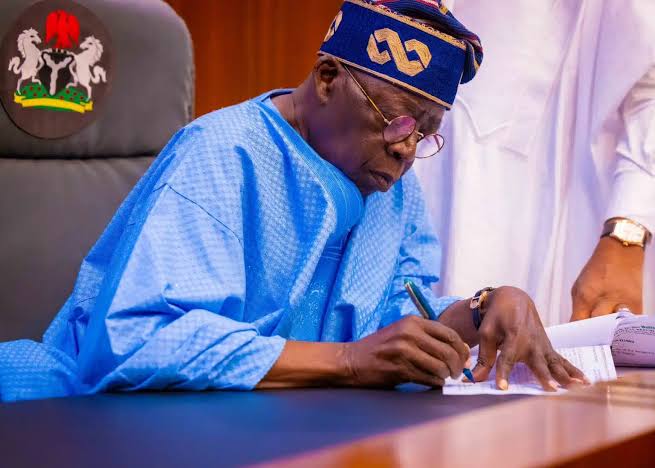
President Bola Ahmed Tinubu is scheduled to depart Abuja today, Sunday, October 12, for Rome, Italy, to participate in the Aqaba Process Heads of State and Government Level Meeting. According to a statement by Bayo Onanuga, Special Adviser to the President on Information and Strategy, the high-level gathering, which commences on October 14, will focus on the worsening security situation across West Africa. The forum will bring together Heads of State, senior intelligence and defence officials from African nations, as well as representatives of intergovernmental and non-governmental organisations, to deliberate on regional security concerns. Read Also: Even Out of Office, Ganduje Remains the Soul of APC — Party Loyalist Launched in 2015 by King Abdullah II of Jordan and co-chaired by the Jordanian and Italian governments, the Aqaba Process serves as a counter-terrorism platform addressing complex security challenges facing the West African region. “The meeting recognises the complex security challenges confronting West Africa, including the expansion of terrorist networks, the growing crime-terror nexus, and the increasing overlap between land-based terrorism in the Sahel and maritime piracy in the Gulf of Guinea,” the statement noted. It added that participants would exchange assessments of the current security landscape in West Africa, foster collaboration among regional and international partners, and develop strategies to combat terrorism both on land and at sea. The meeting will also explore ways to coordinate global efforts to counter online radicalisation and disrupt digital networks that promote terrorist propaganda and recruitment. Onanuga further disclosed that President Tinubu will hold bilateral meetings with other world leaders on the sidelines of the summit to explore new avenues for enhancing regional security cooperation. “In addition to attending the plenary sessions of the Aqaba meeting, President Tinubu will hold bilateral talks with other leaders to explore ways of addressing the rising security challenges across the subregion,” Onanuga stated. The President will be accompanied by the Minister of State for Foreign Affairs, Ambassador Bianca Odumegwu-Ojukwu; Minister of Defence, Mohammed Badaru Abubakar; National Security Adviser, Nuhu Ribadu; Director-General of the National Intelligence Agency (NIA), Ambassador Mohammed Mohammed; and other senior government officials.

Education, National, News

Prof. Uduma Uduma Named New Vice Chancellor of NOUN

The National Open University of Nigeria (NOUN) has appointed Professor Uduma Uduma as its new Vice Chancellor. The announcement was made by the Chairman of NOUN’s Governing Council, Mallam Isa Yuguda, during a press briefing held on Friday in Abuja. According to Yuguda, Professor Uduma will succeed the current Vice Chancellor, Professor Olufemi Peters, whose tenure is set to end in February 2026. Read Also: FG Introduces AI, Robotics, and Journalism into New Secondary School Curriculum He described the appointment as part of the institution’s continuous efforts to sustain academic excellence, innovation, and effective leadership in open and distance learning across Nigeria. Professor Uduma’s appointment is expected to usher in a new phase of growth for the university, which has, over the years, expanded access to higher education for thousands of Nigerians through its distance learning model.

Agriculture, Economy, National, News

Food Waivers Threaten Northern Agriculture, Says Wali

Veteran labour leader and development advocate, Comrade Mustapha Nuhu Wali, mni, has warned that the Federal Government’s decision to grant ₦97 billion worth of duty waivers on imported food could have devastating effects on Northern Nigeria’s agricultural economy. In a statement issued on Friday in Kano, Wali described the policy as a “short-term political fix” that undermines decades of resilience, self-reliance, and investment in the region’s agricultural sector. He said while the initiative may temporarily reduce food prices in urban centres like Lagos and Abuja, it has already triggered economic hardship among farmers in the North, particularly in states such as Kano, Sokoto, Zaria, Borno, and Benue. Read Also: Wali Hosts Annual Maulud, Calls for Unity, Prayers and Emulation of Prophet’s Virtues “Farmers already struggling with insecurity, high costs of fertilizer and fuel, now face unprofitable markets as cheap imports flood the nation,” he said. Wali compared the policy to Nigeria’s past economic missteps, including the 1986 Structural Adjustment Programme and the rice import era of the 2000s, arguing that both weakened local capacity and increased dependency on imports. He expressed concern that many Northern states had failed to invest their increased federal allocations from fuel subsidy removal in revitalising agriculture. “Dams and irrigation systems such as Tiga, Bagauda, and Danbatta in Kano have deteriorated, while similar facilities in Sokoto, Kebbi, and Borno remain in disrepair,” he lamented. According to Wali, only Niger State has announced a meaningful agricultural revitalisation programme. He also noted that without continuity, gains from the Buhari-era Anchor Borrowers’ Programme and rice initiatives are fast eroding. Beyond crops, Wali highlighted the neglect of livestock management and grazing reserves, saying it has worsened communal clashes in states such as Benue, Jos, and Kogi. While commending the creation of a Federal Ministry of Livestock Development, he said the effort would remain symbolic without collaboration and investment from Northern governors. He warned of the social consequences of agricultural decline, including youth migration, unemployment, and rising insecurity. “Many young Northerners have become trapped in menial and undignified jobs in southern cities, while Almajiri children and youth gangs continue to pose a growing threat to social stability,” he stated. Wali urged the Arewa Consultative Forum (ACF) and other regional institutions to revive their historical roles by promoting regional accountability and mobilising collective action for economic revival. “The North must reclaim its legacy through irrigation renewal, quality education, youth empowerment, and improved security,” he stressed. He called on the Federal Government to reconsider the food import waiver and instead channel efforts into empowering local farmers, expanding irrigation networks, and supporting agro-industrial value chains. “Without this shift, Nigeria risks turning its most fertile region into an economic wasteland and the North’s greatest asset into its deepest vulnerability,” Wali concluded.

National, News

Tinubu Extends Presidential Pardon to Macaulay, Vatsa, Farouk Lawan, Others

President Bola Ahmed Tinubu has approved the pardon of late Herbert Macaulay, late Major General Mamman Vatsa, and Kano politician Farouk Lawan. A statement released on Thursday by presidential spokesman Bayo Onanuga confirmed that President Tinubu also extended clemency to 82 inmates across the country. Vatsa, who was executed in 1986 after being convicted of treason, received a posthumous pardon from the president. He was among 17 individuals granted presidential clemency following the endorsement of the National Council of State, which convened in Abuja on Thursday. Read Also: Council of State Approves Prof. Joash Amupitan as New INEC Chairman The statement read: “President Tinubu also granted a posthumous pardon to Herbert Macaulay, a Nigerian nationalist and co-founder, along with Dr. Nnamdi Azikiwe, of the National Council of Nigeria and the Cameroons (NCNC). Macaulay was the party’s first president, which played a pivotal role in Nigeria’s struggle for independence. However, in 1913, Macaulay was believed unjustly convicted by the British colonialists and banned from public office. Macaulay died in 1946, but the stigma of being an ex-convict was not exorcised from his records until now.” The statement further revealed that Tinubu pardoned four former convicts, including former House of Representatives member, Farouk Lawan; Mrs. Anastasia Daniel Nwaobia; Barrister Hussaini Umar; and Ayinla Saadu Alanamu. They were pardoned to enable them to reintegrate into society, having demonstrated sufficient remorse. Also granted clemency were Nweke Francis Chibueze, serving a life sentence for cocaine, and Dr. Nwogu Peters, who had served 12 out of his 17-year sentence for fraud. The President also posthumously pardoned the “Ogoni Nine”: Ken Saro-Wiwa, Saturday Dobee, Nordu Eawo, Daniel Gbooko, Paul Levera, Felix Nuate, Baribor Bera, Barinem Kiobel, and John Kpuine. Additionally, Tinubu awarded national honours to the “Ogoni Four”—Chief Albert Badey, Chief Edward Kobani, Chief Samuel Orage, and Theophilus Orage. In exercising his constitutional prerogative of mercy, President Tinubu granted clemency to 82 inmates and reduced the prison terms of 65 others. He also commuted the death sentences of seven inmates to life imprisonment. According to the statement, the President acted on the recommendations of the Presidential Advisory Committee on the Prerogative of Mercy (PACPM), chaired by the Attorney General and Minister of Justice, Prince Lateef Fagbemi. Other members of the committee include Chief Akinlolu Olujinmi (CON), Prof. Alkasum Abba, Prof. (Mrs.) Nike Y. Sidikat Ijaiya, Justice Augustine B. Utsaha, and Dr. Onwusoro Maduka, a former Permanent Secretary who serves as Secretary. Institutional representatives are drawn from the Nigeria Police Force, Nigerian Correctional Service, National Human Rights Commission, Nigerian Supreme Council for Islamic Affairs (NSCIA), and the Christian Association of Nigeria (CAN). The committee presented its final report to the Council of State in Abuja, as required by the constitution. The report revealed that 175 inmates were interviewed, and 62 applications were received on behalf of 119 inmates, making a total of 294 considered cases. Out of these, 82 inmates were recommended for clemency, two for pardon, 65 for term reduction, and seven death row inmates for commutation to life imprisonment. Additionally, 15 ex-convicts were recommended for presidential pardon—11 of them posthumously, including the Ogoni Nine. The Ogoni Four were recommended for posthumous national honours. The committee said it based its recommendations on factors such as old age (60 years and above), terminal illness, youth (16 years and below), long-term imprisonment with good conduct (10 years or more), and completion of at least three years in custody. It added that inmates who had acquired vocational skills, shown remorse, or demonstrated exemplary behaviour while in custody were prioritised. The committee also included Nigerians deported from foreign prisons who had shown reformation and rehabilitation.

Abuja, National, News

Council of State Approves Prof. Joash Amupitan as New INEC Chairman

The National Council of State has approved the nomination of Professor Joash Ojo Amupitan (SAN) from Kogi State, North-Central Nigeria, as the new Chairman of the Independent National Electoral Commission (INEC). President Bola Ahmed Tinubu presented Amupitan’s name during the Council meeting held at the Presidential Villa, Abuja, on Thursday, following the exit of Professor Mahmood Yakubu, who served as INEC Chairman from 2015 until October 2025. President Tinubu described Professor Amupitan as “a man of integrity and professionalism,” noting that he is the first individual from Kogi State — within the North-Central geopolitical zone — to be nominated for the position. The President further emphasized that Amupitan is non-partisan and possesses the competence and credibility required to strengthen Nigeria’s electoral process. Read Also: Tinubu Presides Over Council of State Meeting at Presidential Villa Council members unanimously endorsed the nomination, with Kogi State Governor, Ahmed Usman Ododo, commending the choice, saying, “Professor Amupitan is a man of integrity whose credentials speak for themselves.” In line with constitutional requirements, President Tinubu will now forward Amupitan’s nomination to the Senate for screening and confirmation. Born on April 25, 1967, Professor Amupitan hails from Ayetoro Gbede in Ijumu Local Government Area of Kogi State. He is a Professor of Law at the University of Jos, Plateau State, where he also serves as Deputy Vice-Chancellor (Administration). A renowned scholar and Senior Advocate of Nigeria since 2014, Amupitan specializes in Company Law, Law of Evidence, Corporate Governance, and Privatisation Law. He earned his LLB and LLM from the University of Jos in 1987 and 1993, respectively, and obtained his PhD in Law from the same institution in 2007. He began his academic career in 1989 after completing his National Youth Service at the Bauchi State Publishing Corporation. Over the years, he has served as Dean of the Faculty of Law (2008–2014), Head of Public Law (2006–2008), and Chairman of the Committee of Deans and Directors (2012–2014). Outside academia, Amupitan has contributed significantly to both public and private sectors. He is the current Pro-Chancellor and Chairman of the Governing Council of Joseph Ayo Babalola University, Osun State, and serves on the boards of Integrated Dairies Limited, the Nigerian Institute of Advanced Legal Studies, and the Council of Legal Education. He has authored several notable legal texts, including Corporate Governance: Models and Principles (2008), Documentary Evidence in Nigeria (2008), Evidence Law: Theory and Practice in Nigeria (2013), and Principles of Company Law (2013). Professor Amupitan is married and blessed with four children. Signed: Bayo Onanuga Special Adviser to the President (Information and Strategy)

National, News

Tinubu Presides Over Council of State Meeting at Presidential Villa

President Bola Ahmed Tinubu is currently presiding over a meeting of the Council of State at the Council Chambers of the Presidential Villa, Abuja. The high-level gathering brings together past and present leaders to deliberate on key national issues, including security challenges and the possible appointment of a new Chairman for the Independent National Electoral Commission (INEC). According to Daily Trust, former Presidents Ibrahim Babangida and Abdulsalami Abubakar, as well as Anambra State Governor Charles Soludo, joined the session virtually. However, some notable former leaders — including General Yakubu Gowon (rtd), Chief Olusegun Obasanjo, and Dr. Goodluck Jonathan — were not sighted at the venue as the meeting moved into a closed-door session. Read Also: Ganduje’s Model of Governance: Building Progress Beyond Politics This marks the second Council of State meeting chaired by President Tinubu, following a similar session held in August 2024. Other key government officials in attendance include Secretary to the Government of the Federation (SGF) George Akume; National Security Adviser (NSA) Mallam Nuhu Ribadu; Attorney General of the Federation and Minister of Justice, Lateef Fagbemi; Chief of Staff to the President; and other senior officials. Also present at the meeting were several state governors, including those of Kwara, Rivers, Enugu, Kano, Kebbi, Kogi, Borno, Ogun, Sokoto, Edo, Kaduna, and Abia States. The Council of State — an advisory body established under the 1999 Constitution — serves to counsel the President on matters of national importance, including policy formulation, appointments, and national security.

Business, National, News

Why Cooking Gas Price Soared to ₦2,000 Per Kilogram — Marketers Explain

Nigerians have expressed deep frustration over the sudden surge in the price of cooking gas, which now sells for as high as ₦2,000 per kilogram in some parts of the country. The Nigerian Association of Liquefied Petroleum Gas Marketers (NALPGAM) has attributed the hike to temporary supply disruptions and market exploitation by some operators. Speaking on Channels Television, NALPGAM President, Mr. Oladapo Olatunbosun, clarified that there had been no official increase in the price of Liquefied Petroleum Gas (LPG), blaming the situation on “opportunistic marketers taking advantage of supply gaps” caused by a recent strike by the Petroleum and Natural Gas Senior Staff Association of Nigeria (PENGASSAN), which disrupted operations at the Dangote Refinery. Read Also: FCCPC Raises Alarm Over Chemically Ripened Fruits, Adulterated Foods “I sympathise with Nigerians because we never intended a situation like this,” Olatunbosun said. “Prices have not officially gone up, but some marketers are exploiting the shortage to make quick profits.” Before the increase, LPG sold for between ₦1,200 and ₦1,300 per kilogram, but it now ranges from ₦1,700 to ₦2,000 — and in some areas, up to ₦3,000 — according to market reports. Olatunbosun described the surge as “artificial and temporary,” assuring that supply would soon stabilise. He explained that the problem began when the Dangote Refinery — which had significantly improved domestic supply — suspended truck loading for maintenance. “Before the strike, Dangote sent out about 50 trucks daily, serving the South-West and parts of the North. When maintenance began, loading slowed, and marketers turned to Apapa depots. The strike then halted vessel discharges and inspections, leading to shortages,” he said. Although the strike has been called off and distribution has resumed, the NALPGAM president said it would take time to clear the backlog, particularly in the South-West, which accounts for the largest share of the country’s gas consumption. He further noted that Nigeria’s LPG demand has increased from 1.2 million metric tonnes three years ago to nearly two million tonnes, causing supply strain whenever disruptions occur. Olatunbosun advised consumers to buy gas only from registered and licensed plants to avoid inflated prices by third-party sellers, stressing that the recommended retail price should not exceed ₦1,300 per kilogram at certified outlets. He assured that NALPGAM is working closely with relevant authorities to stabilise supply and restore normal pricing nationwide.

Scroll to Top