The Historica Nigeria

National

International, National, News

Trump’s Adviser Dismisses Allegations of Christian Genocide in Nigeria

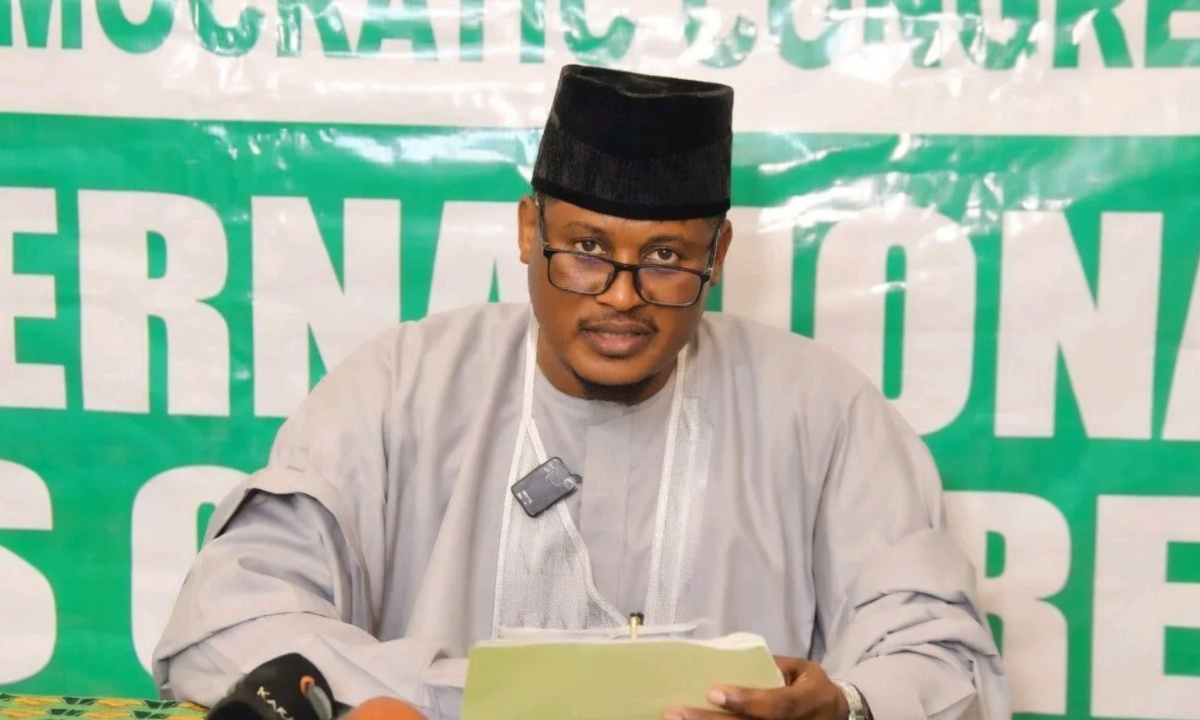
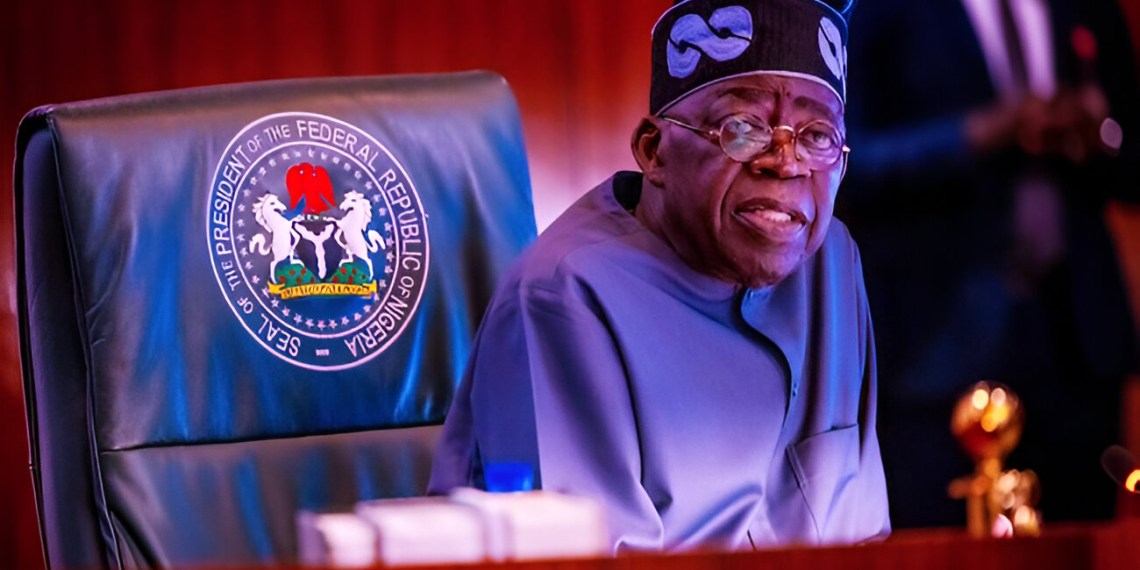
Senior Adviser to former US President Donald Trump on Arab and African Affairs, Massad Boulos, has dismissed allegations of a Christian genocide in Nigeria, describing them as misleading and unfounded. Boulos made the remarks in Abuja on Friday during a visit to President Bola Tinubu at the State House. His comments come amid growing calls from some US lawmakers urging the White House to designate Nigeria as a “country of particular concern” (CPC) over alleged persecution of Christians. Addressing journalists after the meeting, Boulos said terrorism in Nigeria affects all groups regardless of religion or ethnicity. Read Also: A Quiet War on Our Soil: How Aid, Chemicals, and Banditry Are Strangling Northern Nigeria’s Ginger Heartland “Those who know the terrain well know that terrorism has no colour, no religion, and no tribe,” he said. “People of all religions and tribes are dying as a result of terrorist acts. It is very unfortunate.” He added that extremist groups such as Boko Haram and ISIS have killed more Muslims than Christians, stressing that victims of terrorism come from diverse backgrounds. “This is not specifically targeted at one group or the other. However, any loss of life is one too many, and we should work together in partnership to put an end to this,” Boulos said. The US envoy acknowledged that Nigeria’s Middle Belt region has experienced deadly clashes between farmers and herders, with many victims being Christians, but noted that it would be inaccurate to describe the situation as religious genocide. “While the clashes are regrettable, they are not acts targeted at any specific religious group,” he stated. Boulos commended Nigeria’s diverse composition, describing the country as a “melting pot” of ethnic and religious identities with an almost even split between Muslims and Christians. “This has never been a serious religious issue and should not be,” he added. He also lauded recent efforts by the Tinubu administration to address insecurity, saying the United States welcomed the steps taken so far and would continue to collaborate with Nigeria in promoting peace and stability.

Kano, National, News

PSC Appoints DIG, Elevates Kankarofi to CP, 481 Other Senior Officers

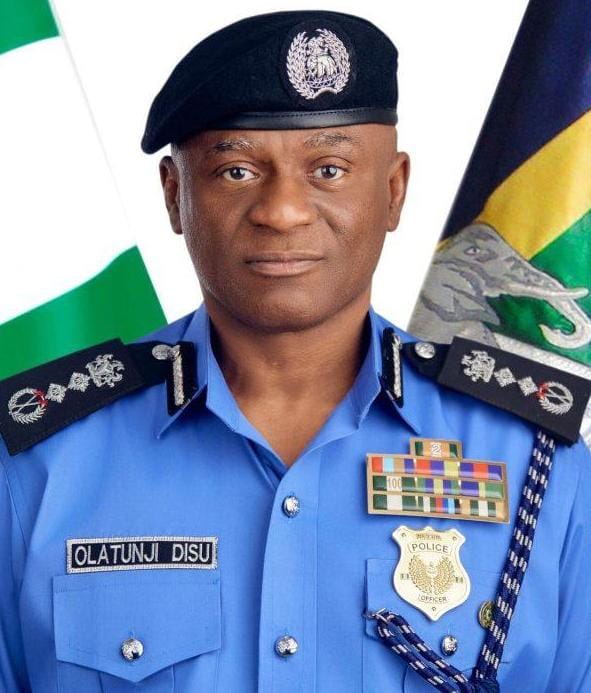
The Police Service Commission (PSC) has approved the appointment of Dankwara Mohammed as Deputy Inspector-General of Police (DIG) to represent the North East geopolitical zone. In a statement issued on Friday in Abuja, the Head of Press and Public Relations of the PSC, Mr. Ikechukwu Ani, said Mohammed was promoted from his previous rank of Assistant Inspector-General of Police (AIG) to replace Mr. Sahabu Yahaya, who had since retired from service. The commission also approved the promotion of Mr. Abibo Reuben from the rank of Commissioner of Police (CP) to Assistant Inspector-General of Police (AIG). Read Also: FCTA Elevates 49 Deputy Directors After First-Ever CBT Promotion Exam Similarly, 11 Deputy Commissioners of Police (DCPs) were promoted to the rank of CP. They include Naziru Kankarofi, Nendel Gomwalk, Tijani Fatai, Wilson Akpan, Morkwap Dongshal, Abdullateef Yusuf, Cletus Nwadiogbu, Ahmed Bello, Abdulraheem Nurudeen, Patrick Daaor, and Umar Hadejia. In addition, 15 Assistant Commissioners of Police (ACPs) were elevated to the rank of DCP. The new DCPs are David Ojo, Umaru Bichi, Bala Jarumai, Makanjuola Abiodun, Shafii Abdulkarim, Mohammed Ajose, Mukter Bello, Mada Adamu, Omololu Vaughan, Linus Ogbodo, Emmanuel Ogbuanya, Tijani Gotom, Shehu Ibrahim, Dr. Onwuegbuzie Awele, and Hamza Ali. Furthermore, 44 Chief Superintendents of Police (CSPs) were promoted to ACP, while 412 Superintendents of Police (SPs) were elevated to CSP. The decisions were part of the highlights of the 2nd plenary meeting of the commission, presided over by its chairman, Mr. Hashimu Argungu. Mr. Ani said the PSC Chairman congratulated all the newly promoted officers and urged them to rededicate themselves to diligent and selfless service to the nation.

National, News

Senate Clears Prof. Joash Amupitan for INEC Top Job After Three-Hour Screening

The Senate has confirmed Prof. Joash Ojo Amupitan, SAN, as the Chairman of the Independent National Electoral Commission (INEC). His confirmation followed a rigorous three-hour screening session at the Senate Chamber on Thursday, where lawmakers questioned the nominee extensively on electoral integrity, logistics, and legal independence. After the screening, the Senate President, Senator Godswill Akpabio, called for a voice vote, and the lawmakers unanimously approved Amupitan’s appointment without opposition. Akpabio urged the new INEC boss to ensure that “votes will count” under his leadership. Read Also: Council of State Approves Prof. Joash Amupitan as New INEC Chairman While responding to questions, Amupitan clarified that he was never a legal counsel to the All Progressives Congress (APC) during the 2023 presidential election petition proceedings, from the tribunal to the Supreme Court. He added that all case records were publicly available for verification. He assured the lawmakers that, if confirmed, his administration would prioritize credible elections where “losers will congratulate winners,” emphasizing transparency, logistics efficiency, and voter education as key focus areas. He also mentioned plans to introduce the use of clones to safeguard election materials. Before entering the chamber at 12:50 p.m., the Senate Leader, Senator Opeyemi Bamidele (APC, Ekiti Central), moved that Order 12 be set aside to allow strangers into the chamber—a motion seconded by the Senate Minority Leader, Senator Abba Moro (PDP, Benue South). Senate President Akpabio revealed that Amupitan had been cleared by the National Security Adviser (NSA), the Department of State Services (DSS), and the Inspector-General of Police (IGP), all confirming that he has no criminal record. President Bola Tinubu had earlier written to the Senate seeking the screening and confirmation of Prof. Amupitan as INEC Chairman, in line with Section 154(1) of the 1999 Constitution (as amended). The President’s letter read: “In accordance with the provisions of section 154 subsection 1 of the Constitution of the Federal Republic of Nigeria, 1999 as amended, I am pleased to present for confirmation by the Senate the appointment of Professor Joash Amupitan, Senior Advocate of Nigeria, as chairman, Independent National Electoral Commission (INEC).” Tinubu expressed confidence in Amupitan’s capacity to lead the electoral body and urged the Senate to expedite the confirmation process — a request which the Senate fulfilled with unanimous consent.

Abuja, National, Politics

The silent strategist strengthening APC’s hold in the North

In every political movement, there are figures whose work, though quiet and often unseen, defines the stability and success of their party. One such figure is Alhaji Kabir Ibrahim Masari, the Senior Special Assistant to the President on Political Matters, and a trusted ally of President Bola Ahmed Tinubu. For over a decade, Masari has been a consistent pillar of strength for the All Progressives Congress (APC) right from the Buhari years to the Tinubu presidency. His influence, particularly across the North-West and the broader northern region, has been instrumental in keeping the party united, focused, and forward-looking. Masari’s political journey is rooted in loyalty, strategy, and service. He was part of the early architects of the APC’s northern structure, working tirelessly during the formative years of the Buhari administration to build bridges among key stakeholders and maintain harmony within the party. Related: Information Minister Predicts APC Takeover of 30 States by 2026 Those who know him describe him as a silent strategist who calm, focused, and unshakably loyal to the ideals of progress and unity. His ability to navigate complex political terrains and mediate between competing interests has earned him respect from party leaders, governors, and grassroots members alike. As Senior Special Assistant to President Tinubu on Political Matters, Masari plays a vital role in ensuring synergy between the Presidency and state governments, particularly in the North-West. He understands the pulse of the region, its political dynamics, aspirations, and expectations from the APC-led federal government. Through strategic engagement, consultation, and quiet diplomacy, he has helped strengthen cooperation between Abuja and the governors of Kano, Katsina, Jigawa, Kebbi, Kaduna, and Sokoto. This collaboration has allowed for smoother political coordination, better communication, and a stronger sense of shared purpose. Read Also: Even Out of Office, Ganduje Remains the Soul of APC — Party Loyalist His influence extends beyond political structures into real human connections. Masari’s approach is simple but effective: listen to the people, align with their hopes, and build confidence through inclusion. That principle has guided his interventions across the region, including his notable efforts in reconciling aggrieved APC members in Bauchi State, where internal divisions once threatened to weaken the party’s base. Masari’s tactful mediation and genuine engagement with party leaders and factions helped restore unity, rebuild trust, and reposition the APC as a cohesive force ahead of future elections. His success in Bauchi reaffirmed his reputation as one of the party’s most dependable peacebuilders and strategic consensus managers. The recent defection of over 60,000 people in Jigawa State to the APC stands as a clear testament to Masari’s growing political influence. His presence at the event, and his appeal for continued unity and loyalty to the Tinubu administration, were more than ceremonial. They symbolised the renewed momentum of the APC in the North-West. In Masari’s words, Jigawa and other states in the region “will continue to benefit from the Renewed Hope Agenda,” reinforcing the message that development and inclusion remain at the heart of APC’s mission. By ensuring that northern states feel both politically represented and economically included, Masari is laying a solid foundation for President Tinubu’s reelection in 2027. Masari’s political philosophy rests on a simple truth that, the North’s strength lies in its unity. Under his guidance, the APC has deepened its reach into communities once considered politically distant. He has championed the integration of youth groups, traditional leaders, women’s associations, and grassroots political movements into the APC fold by ensuring that every voice is heard and every constituency is represented. Beyond party politics, Masari has continued to preach tolerance, cooperation, and national unity. His diplomacy extends beyond the North, as he often serves as a bridge between northern and southern leaders, reflecting President Tinubu’s belief in an inclusive Nigeria where no region is left behind. While others chase headlines, Masari focuses on results. His coordination efforts have contributed to resolving internal rifts within APC structures in several northern states, encouraging mass defections from opposition parties through persuasive, grassroots-driven engagement. His strategy is also strengthening confidence in the Tinubu administration among northern communities, ensuring that APC’s policy gains translate into political goodwill across the region. Each of these quiet victories adds up to a broader narrative of unity and resilience within the ruling party. President Tinubu’s Renewed Hope Agenda depends not only on sound policy but also on political stability. Figures like Kabir Ibrahim Masari ensure that the message of hope, reform, and national development continues to resonate strongly across Nigeria’s political heartland. As the 2027 elections draw nearer, Masari’s role as a stabiliser and mobiliser in the North will become even more critical. His ability to connect the grassroots to the presidency, and to translate federal policies into tangible local benefits, gives APC a unique advantage. Kabir Ibrahim Masari may not be the loudest voice in the room, but his influence is undeniable. Through his strategic wisdom, calm diplomacy, and deep understanding of northern politics, he has helped cement APC’s place as the dominant force in the region. With the North-West and indeed, the entire North rallying behind President Tinubu’s leadership, it is clear that Masari’s quiet strength continues to power the engine of progress, unity, and victory. In politics, as in leadership, some heroes prefer to work behind the scenes. Kabir Ibrahim Masari is one of them, and is steady, loyal, and unrelenting in his commitment to the success of the APC and the future of Nigeria. Danlami Abubakar Maikano is a political affairs commentator. He wrote from Bokkoto Quarters, Dutse, Jigawa state and can be reached via email: danlamimaikano@gmail.com

National, News, Politics

Those Who Criticised Me Are Now in APC – Wike Mocks Defecting PDP Governors

The Minister of the Federal Capital Territory, Nyesom Wike, has stated that the mass defection of Peoples Democratic Party (PDP) leaders and state governors to the ruling All Progressives Congress (APC) has vindicated his earlier stance and justified his support for President Bola Ahmed Tinubu. Wike made the remarks on Wednesday during the flag-off of the construction of the main carriageways on the Outer Southern Expressway in Abuja. The FCT Minister said some governors who previously accused him of destabilising the PDP and working for the APC are now members of the ruling party, adding that they should commend him for “doing a good job” that eventually paved the way for them. Read Also: Information Minister Predicts APC Takeover of 30 States by 2026 “I have been watching on daily television and social media, people who said I wanted to destabilise the party, that I was working for the APC. All of them are now in the APC. So, if that is true, they should commend me for working for where they are heading. I should be commended for doing a good job for them,” he said. In the past 48 hours, Enugu State Governor Peter Mbah resigned from the PDP and joined the APC, citing national development and President Tinubu’s leadership as reasons for his defection. Similarly, Bayelsa State Governor Douye Diri also announced his defection from the PDP on Wednesday, alongside 19 members of the State House of Assembly. His move makes him the fourth PDP governor to defect ahead of the 2027 general elections, reducing the party’s governorship seats from 11 as of October 2024 to only eight presently. Wike stated that the defecting governors have no reason to complain, as President Tinubu’s “decisive leadership” has provided enough financial resources for states to pay salaries and execute meaningful projects. “Let every state be sincere to their people and to Nigerians. I was a governor for eight years, and sometimes the money that came in was not enough to pay salaries, let alone carry out projects. But today, because of the leadership of somebody—by the decisive leadership of somebody—every state now has money. Banks that governors used to run to are now the ones running after states, saying, ‘Don’t leave us out,’” Wike said. He described his decision to support Tinubu’s administration as a “worthwhile choice,” adding that the current leadership has ended the era of states leaving huge debts for their successors. “So, if for that reason so many people are going to support Mr President, I think it is worthwhile. Now, no governor will talk about leaving debts for his successor, unlike what used to happen before. That is the leadership of somebody. And that’s what this country needs right now—visionary and purposeful leadership that takes bold decisions others once avoided,” he stated.

National, News, Politics

Information Minister Predicts APC Takeover of 30 States by 2026

Nigeria’s Minister of Information, Mohammed Idris, said on Wednesday that he expects the ruling All Progressives Congress (APC) to control 30 of the country’s 36 states by 2026, citing growing interest from opposition governors to join the party. Idris made this known during the 2025 Quarterly Strategy Meeting of the Progressive Governors Forum (PGF) for commissioners of information from APC-led states, held in Maiduguri, Borno State. The event, themed “FGN–PGF Synergy 2025: One Message, One Future,” focused on strengthening coordination between federal and state governments to ensure unified communication and developmental progress. Read Also: Inflation Cools to 18.02% in September, Driven by Drop in Food Costs “Presently, our party controls 24 states. With more opposition governors showing interest in joining, I can assure you that by 2026 we will have 30 APC-controlled states ahead of the 2027 elections,” Idris stated. The minister credited President Bola Tinubu’s leadership and reform-driven policies for boosting inclusive governance, stabilizing the economy, and restoring confidence in Nigeria’s currency. He also commended Borno State for its resilience amid security and environmental challenges, praising Governor Babagana Umara Zulum and security agencies for their tireless efforts in restoring peace and stability. As part of the meeting’s activities, delegates toured key infrastructure projects, including the Maiduguri Mega Power Plant, Tinubu Mega School, and newly constructed flyovers across the city.

Business, Economy, National, News

Inflation Cools to 18.02% in September, Driven by Drop in Food Costs

The National Bureau of Statistics (NBS) has reported a decline in Nigeria’s headline inflation, which fell to 18.02% in September 2025 from 20.12% in the previous month. According to the monthly inflation report, the month-on-month headline inflation rate was 0.72%, while food inflation recorded a negative growth of -1.57%, indicating a slight decrease in food prices compared to August 2025. The report highlighted that the food inflation rate dropped by 3.22%, falling from 1.65% in August 2025 to -1.57% in September, contributing significantly to the overall reduction in headline inflation. Read Also: Food Waivers Threaten Northern Agriculture, Says Wali It attributed the decrease to the drop in the average prices of maize (corn) grains, garri, beans, millet, potatoes, onions, eggs, tomatoes, and fresh pepper, among others. The report added that the average annual rate of food inflation for the twelve months ending September 2025 over the previous twelve-month average was 24.06%, which was 13.47% points lower compared with the average annual rate of change recorded in September 2024 (37.53%). “The food inflation rate in September 2025 was 16.87% on a year-on-year basis. This was 20.9% points lower compared to the rate recorded in September 2024 (37.77%). The significant decline in the annual food inflation figure is technically due to the change in the base year,” the report stated. It went on to note that the headline inflation rate eased to 18.02% relative to the August 2025 rate of 20.12%. “Looking at the movement, the September 2025 headline inflation rate showed a decrease of 2.1% compared to August 2025. In addition, on a year-on-year basis, the headline inflation rate was 14.68% lower than the rate recorded in September 2024 (32.70%).” The NBS further explained that the headline inflation rate (year-on-year basis) decreased in September 2025 compared to the same month in the preceding year, though with a different base year of November 2009 = 100. However, on a month-on-month basis, the headline inflation rate in September 2025 was 0.72%, which was 0.02% lower than the rate recorded in August 2025 (0.74%). This indicates that in September 2025, the rate of increase in the average price level was lower than that of August 2025.

Education, National, News

FG Removes Mathematics as Compulsory Subject for Arts, Humanities Admissions

The Federal Ministry of Education has announced a significant policy change for senior secondary school students in Nigeria, stating that students in the arts and humanities will no longer require a credit pass in Mathematics in their Senior School Certificate Examination (SSCE) conducted by WAEC and NECO to gain admission into universities and polytechnics. Previously, all students—whether in sciences, social sciences, or arts and humanities—were required to secure at least five credits, including Mathematics and English Language, to qualify for higher education. The new directive exempts arts and humanities students from the Mathematics requirement, thereby easing the pathway to tertiary institutions for learners in these fields. According to the ministry, via a circular released on Tuesday, “The revised National Guidelines for Entry Requirements into Nigerian Tertiary Institutions are designed to remove barriers while maintaining academic standards.” Read Also: FG Introduces AI, Robotics, and Journalism into New Secondary School Curriculum The new framework, which applies to universities, polytechnics, colleges of education, and Innovation Enterprise Academies nationwide, outlines that Mathematics will remain mandatory for Science, Technology, and Social Science courses, but not for Arts and Humanities. The circular, signed by the ministry’s spokesperson, Folasade Boriowo, further clarifies that universities require a minimum of five credit passes in relevant subjects, including English Language, obtained in not more than two sittings, with Mathematics mandatory only for science-related programs. Polytechnics at the National Diploma level require at least four credit passes, with Mathematics necessary only for science and technology-based courses. Colleges of Education will maintain four credit passes in relevant subjects, with English Language mandatory for Arts and Social Sciences, and Mathematics for Science, Vocational, and Technical programs. Reacting to the development, education analyst Ayodamola Oluwatoyin praised the reform, describing it as a step toward inclusivity and easier access to higher education. “This is a brilliant reform which we hope will open doors and improve the ease of admissions into tertiary institutions for more seekers,” he said. The Minister of Education, Dr. Tunji Alausa, noted that the policy aligns with the government’s broader effort to expand access and opportunities within Nigeria’s tertiary education system.

Agriculture, Kaduna, National, News

ABU Zaria Moves to Reposition NAPRI, Constitutes Reform Committee

Ahmadu Bello University (ABU), Zaria, has declared a state of emergency on the National Animal Production Research Institute (NAPRI) and set up a committee to revitalise the institute. Malam Auwalu Umar, Director of the Public Affairs Directorate of the university, disclosed this in a statement issued on Tuesday in Zaria. He explained that the revitalisation move was aimed at repositioning NAPRI for greater impact in livestock research, breeding, and resource mobilisation. Read Also: Ministry of Livestock Commissions 2,000-Litre Milk Collection Centre in Bauchi According to him, the NAPRI Reform and Strategic Transformation Committee is chaired by Prof. J. K. P. Kwaga of the Faculty of Veterinary Medicine. The Vice-Chancellor of ABU, Prof. Adamu Ahmed, described NAPRI as “too strategic to fail in its mandate,” noting that the institute had faced significant challenges in fulfilling its core objectives. Prof. Ahmed said the university declared a state of emergency on NAPRI to address the decline in its statutory functions, stressing that the committee’s assignment was crucial to the success of the reform process. The committee is expected to design and oversee comprehensive reforms that would revitalise NAPRI’s core functions and restore its place as a key contributor to Nigeria’s livestock development goals. He charged the committee to submit an inception report within two weeks, outlining its reform framework and implementation strategy, and assured full support from the university management. The Vice-Chancellor commended Prof. Kwaga’s leadership and expertise, describing his role as pivotal to the transformation effort. In his response, Prof. Kwaga expressed appreciation to the Vice-Chancellor and the university management for the confidence reposed in the committee, assuring their readiness to deliver within the stipulated six-month timeframe. Members of the committee include Prof. I. U. Abubakar, former Executive Director of the Institute for Agricultural Research (IAR), and Prof. M. K. Othman, former Executive Director of the National Agricultural Extension Research and Liaison Services (NAERLS). Others are Prof. Tunji Iyiola-Tunji of NAERLS, Prof. A. K. B. Sackey of ABU’s Department of Veterinary Medicine, and Prof. Abdul Bakura, Dean of the Faculty of Agriculture. The former Dean of the Faculty of Veterinary Medicine, Prof. Junaidu Kabir, will serve as the Secretary of the committee. (NAN)

Enugu, National, Politics

Mbah Leads Enugu Political Shift as He Dumps PDP for Ruling APC

Enugu State Governor, Peter Mbah, has officially announced his defection from the Peoples Democratic Party (PDP) to the All Progressives Congress (APC), in what observers describe as a major political shift in the South-East. The governor made the announcement during a state-wide broadcast on Tuesday morning, saying the move was aimed at aligning Enugu State with the federal government under President Bola Ahmed Tinubu. “This move became necessary to connect our dear state to the central government,” Mbah declared, emphasizing that his administration’s top priority remains the development and prosperity of Enugu people. Read Also: Kwankwaso’s Conditions Unrealistic, Says Ganduje-Led Kano APC He commended President Tinubu for implementing policies that, according to him, have brought “massive support and benefits” to the state since the start of the current administration. “Under President Tinubu, Enugu State has enjoyed unprecedented attention and support from the Federal Government. We cannot afford to remain isolated from the centre,” he said. Governor Mbah’s defection did not come alone, as he was joined by members of the Enugu State House of Assembly, local government chairmen, councillors, and other key political stakeholders in the state. His exit marks another major blow to the PDP in the South-East, following a series of defections to the ruling APC in recent months. According to reliable sources, Bayelsa State Governor, Douye Diri, is reportedly preparing to join the APC soon, having concluded arrangements to formalize his move. Earlier this year, Delta State Governor, Sheriff Oborevwori, and Akwa Ibom State Governor, Umo Eno, also defected to the APC with their cabinets and political appointees—signalling what analysts describe as a “realignment of forces” ahead of the 2026 elections. Governor Mbah’s defection is expected to significantly reshape the political landscape in the South-East, a region that has long served as a stronghold of the PDP. A formal reception to welcome Governor Mbah into the APC will take place in Enugu on Tuesday, with Vice President Kashim Shettima, APC National Chairman Nentawe Goshwe Yilwatda, several governors, and other top party figures expected to attend.

Scroll to Top