The Historica Nigeria

Kano

Feature, Kano

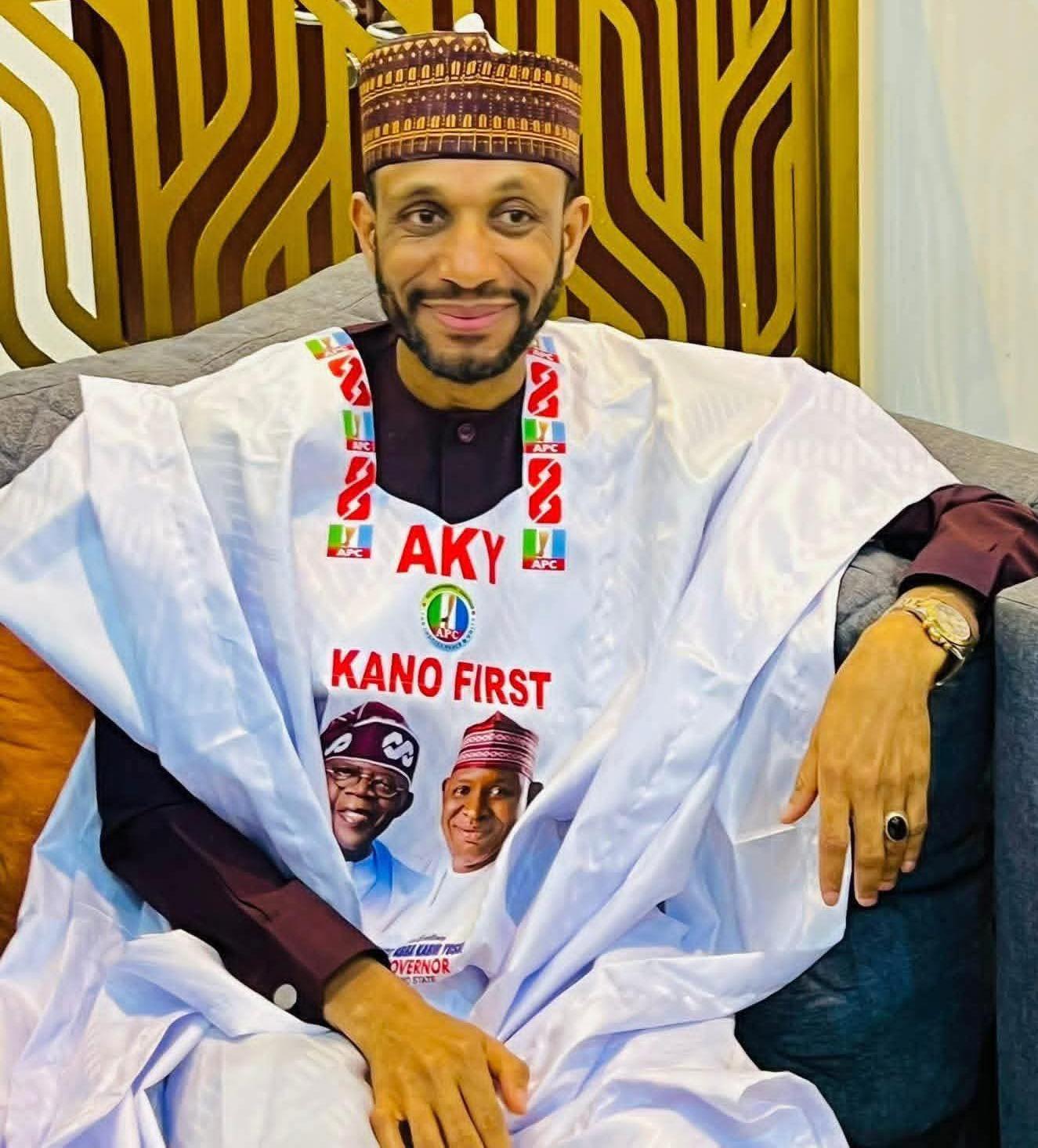
The Destroyer of Kano’s Commercial Legacy: A Critical Reflection on Sen. Rabi’u Musa Kwankwaso’s Utterances

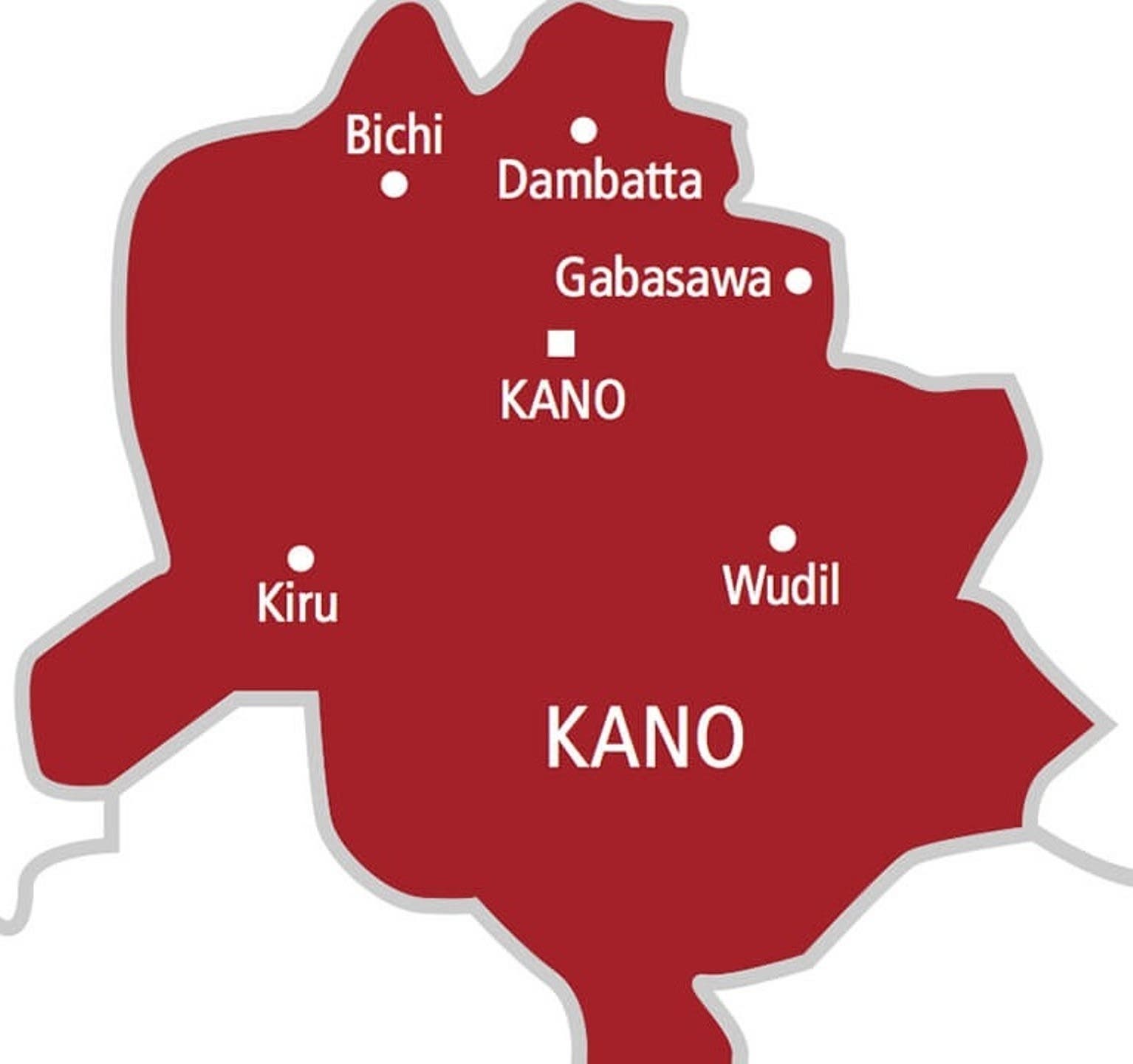
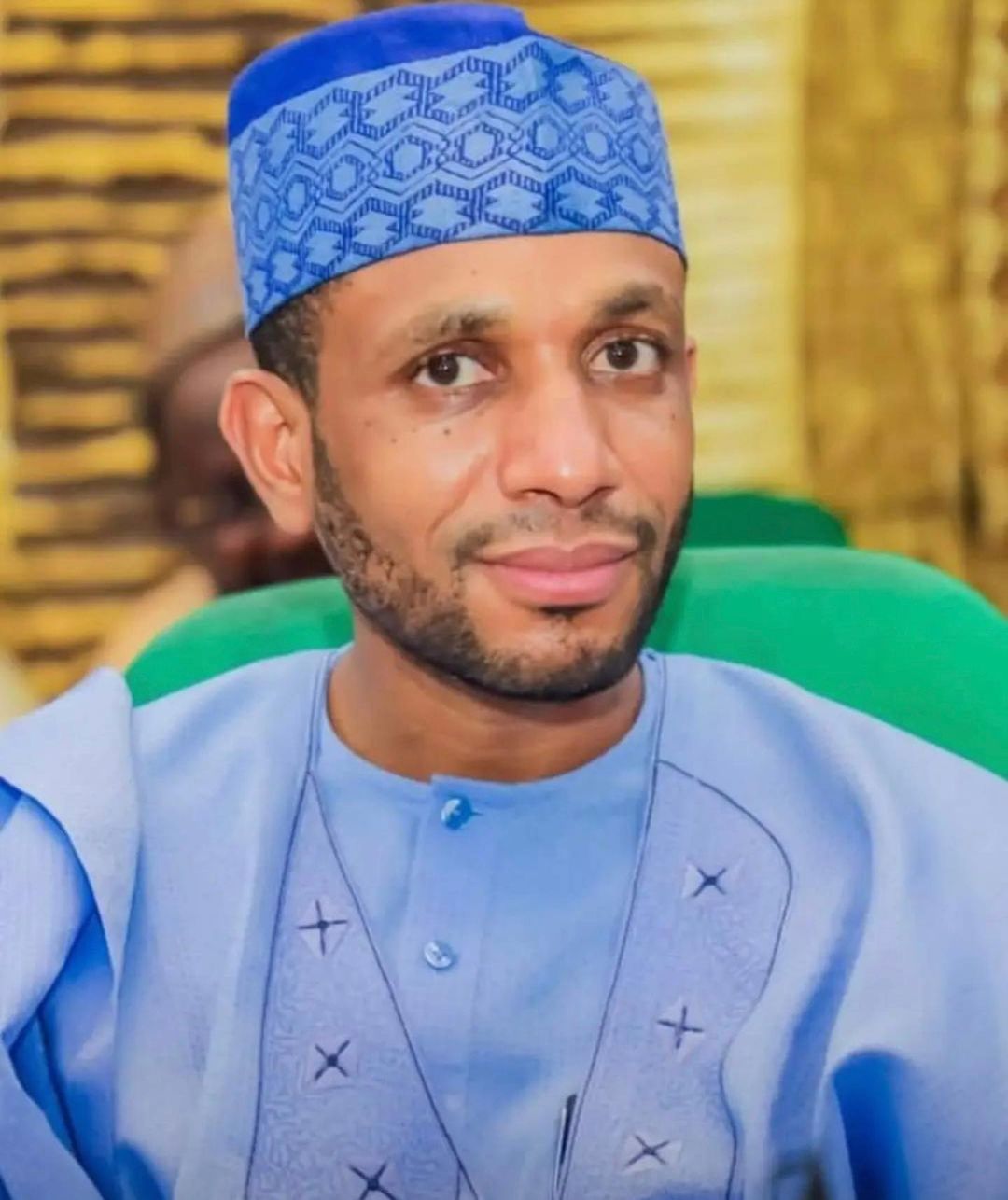
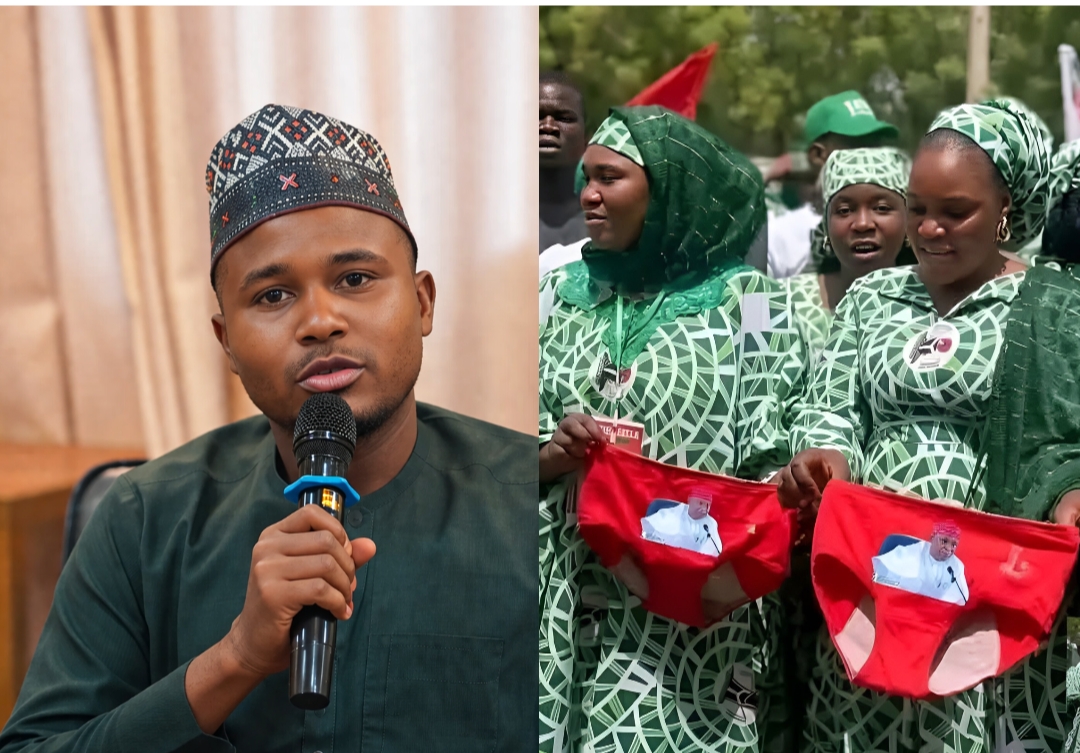
For decades, Kano stood as Northern Nigeria’s unrivaled hub of commerce and an economic powerhouse whose markets, artisans, and trading networks attracted people from across the country and beyond. In recent years, this legacy has come under threat, pointing fingers at political decisions and actions associated with Sen. Rabiu Musa Kwankwaso and his political influence in the state. Although his supporters present him as a reformer, many residents, traders, and observers contend that his political interventions have contributed to an environment of commercial instability especially by reflecting on his utterances during political gatherings, rally and campaigns particularly at the eve of 2023 general election. The utterances made by Sen. Kwankwaso form the basis of a growing narrative that Kwankwaso has, intentionally acted as a destroyer of Kano’s commercial legacy looking at the following consequences of the utterances. One of the most contentious issues raised against Kwankwaso’s utterances is the demolition of shops at Kofar Mata, near the iconic Kwari Market (Kano’s textile nerve centre). These demolitions seemed politically motivated and has led to the abrupt closure of numerous businesses in the nation’s centre of commerce. For many traders, tailors, and wholesalers, the demolished shops were not just commercial spaces but rather lifelong investments and financial backbone of their entire families as well as sources of employment for young people in the city of Kano. Read Also: Kano Govt Distributes Appointment Letters to 2,000 Newly Recruited Education Personnel Why Tinubu Needs Ganduje To Win 2027 Abdu Gusau Polytechnic, APC Loyalists Clash Over Staff Evictions from Colony Residential Complex, Mafara The sudden shutdown and displacement of these businesses triggered ripple effects which includes the rise in youth unemployment, disruption of supply chains, and the mass migration of artisans and traders seeking stability and source of living elsewhere. This was considered by many as economic sabotage. Several other commercial structures in other strategic areas of Kano such as Kano Golf club (Filin sukuwa) and old Daula Hotel along Hadejia Road were also demolished while other area are still threatened with demolition under political environments linked to Kwankwaso’s sphere of influence. These actions reflect a pattern of disregard for the economic wellbeing of the city, where political rivalry is allowed to overshadow commercial interests and economic development. Although the malicious act of demolition was framed as “recovery of public property” or “urban restructuring,” it causes more harm than good as it leads to loss of capital investments for many traders and investors, destabilization of established commercial clusters, and the weakening of Kano’s position as a resilient trading metropolis. What remains clear to many people within and outside the state is that these decisions appear less like reforms and more like political vendettas with devastating economic loss that will take decades to be recovered. Kano historically thrived because it welcomed traders from across the country such Aba’s textile merchants, Lagos importers, northern livestock dealers, and countless others from within and outside the country who saw Kano as a dependable commercial anchor. The instability created by this politically linked demolitions, threats, and uncertainty has scared away many of these visitors. It is obvious that a market cannot flourish when entrepreneurs fear that their investments, stalls, or business environments could be disrupted without notice. Thus, as commercial confidence weakens, so does patronage. And as patronage declines, Kano’s once-vibrant interstate trade begins to lose its competitive edge. Another recurring criticism is the claim that Kwankwaso’s political movement has, over the years, empowered groups of youths who become active during political seasons and are often referred to by residents as “Yan Tauri” or political thugs. This empowerment fuels disorder, particularly in commercial districts where clashes, intimidation, or street disturbances can disrupt business operations. Markets thrive on stability, safety, and predictability. Any atmosphere of fear, whether politically motivated or opportunistically exploited, pushes traders and customers away, thereby undermining the commercial structure that took generations to build. In conclusion, Kano’s commercial identity is not merely an economic construct but a cultural heritage, a social safety net, and a symbol of Northern prosperity. The criticisms directed at Sen. Rabiu Musa Kwankwaso reflect deep anxieties about the city’s future, as many believe his political actions have contributed to disruptions that weaken Kano’s longstanding legacy as a vibrant centre of commerce. Whether one agrees with these accusations or views them as political rhetoric, the truth remains that Kano’s commercial survival depends on stability, inclusiveness, and the protection of economic infrastructure, not its destruction. Dr. Usman Suleiman Sarki Madobi

Kano, News

Governor Yusuf Says Over 80% of Campaign Promises Delivered in Under Three Years

Kano State Governor, Alhaji Abba Kabir Yusuf, has announced that his administration has achieved more than 80 percent of its campaign promises within just two and a half years in office. The Governor made this known on Wednesday while presenting the 2026 Appropriation Bill of N1,368,127,929,271.00 to the Kano State House of Assembly. In a statement issued by his spokesperson, Sunusi Bature Dawakin Tofa, Governor Yusuf described the accomplishment as a reflection of focused leadership and a firm commitment to the people of the state. Read Also: Kano Govt Distributes Appointment Letters to 2,000 Newly Recruited Education Personnel “It is gratifying to note that over 80% of our administration’s blueprint has been successfully implemented, touching nearly every sector and delivering measurable impact on the lives of our people,” he said. He added that the presentation of the 2026 budget comes at “a critical juncture that demands renewed urgency and focused implementation as we race against time to fully deliver on the promises we made to the good people of Kano State.” According to him, the proposed budget is not merely a financial plan but “a covenant and a commitment to consolidate gains, complete key projects, and build systems that will serve generations to come.” He further described the proposal as “bold but grounded, aspirational yet realistic,” noting that it aligns with the administration’s vision to position Kano as a resilient, inclusive, and economically vibrant state. Governor Yusuf also commended lawmakers for their cooperation during the 2025 budget cycle, acknowledging their support in prioritising the needs and aspirations of citizens. The 2026 budget proposes N934,640,032,101.00 for capital expenditure and N433,487,897,170.00 for recurrent expenditure. Education receives the highest allocation, with N405,350,318,751.17—representing 30 percent of the total budget.

Kano

Kano Govt Distributes Appointment Letters to 2,000 Newly Recruited Education Personnel

Kano State Governor, Alhaji Abba Kabir Yusuf, has reaffirmed his administration’s commitment to reforming the education sector with the official distribution of permanent and pensionable appointment letters to 2,000 newly recruited personnel. The recruitment exercise comprises 1,600 school watchmen and 400 specialised Mathematics teachers deployed across secondary schools in the state. A statement issued on Tuesday by the Governor’s spokesperson, Sanusi Bature Dawakin Tofa, described the initiative as a major milestone in the administration’s ongoing efforts to revitalise the education sector. The ceremony was held at the Coronation Hall, Government House, Kano. Speaking at the event, Governor Yusuf said the appointments represent a significant step in rebuilding the state’s education system, adding that education has remained the administration’s top priority since inception. Read Also: Tragic Fire in Kano Claims Lives of Family Members FG Vows to Deploy Full State Power for Release of Abducted Kebbi Schoolgirls FAAC Announces N2.094trn Distribution for October 2025 “Today marks a significant step in our collective journey to rebuild and strengthen the education sector in Kano State. From the very first day, we made it clear that education remains our top priority,” he said. The Governor emphasised that no society can rise above the quality of its education system, stressing the importance of sustained investment in welfare, infrastructure, and human resources. On the recruitment of 400 Mathematics teachers, Yusuf said the move aims to address subject shortages and strengthen science and technology education. “Mathematics forms the foundation of science, technology, and innovation. Strengthening this area is a major step toward building the next generation of engineers, scientists, and professionals who will shape Kano’s future,” he stated. He also noted that the deployment of 1,600 watchmen is a direct response to the need for improved security in public schools, in line with his administration’s commitment to safeguarding pupils, teachers, and educational facilities. Governor Yusuf charged the newly appointed staff to uphold professionalism and dedication, noting that their performance will directly impact the quality of education in the state. He added that the State of Emergency declared on the education sector is already yielding results, assuring that the government will continue to invest in infrastructure development, teacher training, and accountability systems to restore excellence in public education.

Kano, News

Tragic Fire in Kano Claims Lives of Family Members

Tragedy struck in Kano State, Nigeria, when a fire broke out at a family home in Kundila Layin Baba Impossible, Tarauni Local Government Area, claiming the lives of four family members. The victims, Sodangi (43), his wife Rafi’a (30), and their daughters Mardiya (3) and Yusira (1.5), were trapped inside the burning building and died from the flames. The fire, which was reported at 4:13 a.m., destroyed two bedrooms, a parlour, a kitchen, and a toilet. A 12-year-old boy, Aminu Sodangi, was rescued alive by firefighters. Read Also: Kano Governor Presents N1.368trn Landmark 2026 Budget to Assembly According to the Kano State Fire Service, the fire was likely caused by a mosquito coil the family had lit before going to sleep. The Fire Service is urging residents to exercise caution when handling fire-related materials, especially during the harmattan season. (Paradigm News)

Kano, News

Kano Governor Presents N1.368trn Landmark 2026 Budget to Assembly

Kano State Governor, Abba Kabir Yusuf, presented the 2026 Appropriation Bill, totalling N1,368,127,929,271, to the State House of Assembly on Wednesday. This was disclosed in a statement released by the Governor’s spokesperson, Sunusi Bature Dawakin Tofa, on Wednesday. According to the statement, 68% of the allocation was dedicated to capital expenditure, amounting to N934.6 billion, while recurrent expenditure was pegged at N433.4 billion (32%), resulting in one of the highest capital-to-recurrent expenditure ratios recorded in recent years. Yusuf said the distribution reflects the administration’s development priorities, with Education leading at N405.3 billion (30%), Infrastructure at N346.2 billion (25%), and Health at N212.2 billion (16%). Read Also: President Tinubu Postpones Two-Nation Visit to South Africa and Angola “These allocations demonstrate our unwavering determination to invest heavily in human capital development, safeguard the well-being of our people, and lay the physical foundation for sustainable growth,” he said. He added that other key sectors, including Agriculture, Security, Commerce, Water, Environment, Tourism, Women and Youth Development, and People With Special Needs, also received substantial provisions. Yusuf described the budget as “a bold but realistic roadmap” designed to deliver tangible projects and services while aligning with citizens’ aspirations. He urged lawmakers to grant the bill timely passage, emphasising that legislative oversight and partnership are critical to transforming the proposed allocations into meaningful impact for the people. The presentation of the N1.368 trillion budget marks a historic milestone, reflecting the largest capital outlay ever proposed by any northern state in Nigeria. The governor had on Monday announced that the 2026 Appropriation Bill would be presented to the state House of Assembly. Reading the letter, the Speaker, Jibril Falgore, disclosed that the proposed budget would be formally submitted on Wednesday for consideration and approval. He stated, “In accordance with Section 121 of the 1999 Constitution of the Federal Republic of Nigeria (as amended), I have the honour and privilege to inform this noble House of my desire to submit the 2026 Kano State Proposed Appropriation Bill on Wednesday.” (SOLACEBASE)

Kano, News

Kano CP Hosts NIS Comptroller, Receives Refurbished Vehicle From PCRC Dorayi Babba Division

The Commissioner of Police, Kano State Command, CP Ibrahim Adamu Bakori, PhD, sfipma, mnim, mnips, masis, on Tuesday received the Comptroller of the Nigeria Immigration Service (NIS), Kano State Command, CIS Tahir Ahmad Lawal, on a courtesy visit at the Police Headquarters, Bompai. The visit, according to a statement issued by the Police Public Relations Officer, CSP Abdullahi Haruna Kiyawa, formed part of ongoing efforts to deepen cooperation among security agencies in the state. Speaking during the visit, Comptroller Lawal expressed delight in meeting the Police leadership, describing the engagement as a necessary tradition upon assumption of office. He underscored the importance of synergy between security agencies, especially in a state like Kano with expansive borders and evolving security challenges. “The Police has a larger force, and we need your support and cooperation to fulfill our mandate. I am here for that synergy, and we thank you for all your support and assistance,” he said. Read Also: Kogi CP Convenes Strategic Security Meeting, Seeks Stronger Synergy With LG Chairmen, Security Agencies In his remarks, CP Bakori appreciated the Comptroller for the visit, describing it as a milestone toward strengthening inter-agency collaboration. “In Kano State, we work as one to ensure the safety of all residents. Your coming is significant in our sustained effort to synergize and secure the state. You have my 100% support,” he assured. In a related development, CP Bakori also received members of the Police Community Relations Committee (PCRC), Dorayi Babba Division, led by the State Chairman, Amb. (Dr.) Ali Hassan Tudun Bayero, and Alhaji Auwal Garba, Chairman of the Dorayi Babba Division. During the visit, the group presented a refurbished Golf vehicle to the Commissioner of Police. The vehicle, purchased and rehabilitated by the PCRC, was handed over to the Divisional Police Officer of Dorayi Babba Division to boost operational efficiency. CP Bakori commended the PCRC for their dedication and continuous support to policing efforts in the state, noting that the gesture reflects the strong bond between the Police and the community. The Kano State Police Command reaffirmed its commitment to strengthening partnerships with security agencies and community stakeholders to enhance peace and security across the state.  

Kano, News

Kano Online Media Chapel Hosts AI-Focused Capacity Workshop for Digital Journalists

The Kano Online Media Chapel has organized a one-day capacity-building workshop for online journalists, focusing on the theme: “Artificial Intelligence and Journalism: How AI Is Shaping the Profession.” Delivering his remarks, Chairman of the Chapel, Comrade Abubakar Abdulkadir Dangambo, said the workshop was timely, considering the transformative impact of artificial intelligence on media practice. He noted that online journalism has now become the most far-reaching platform, breaking traditional barriers of geography and time. Dangambo also highlighted the achievements of the newly recognized chapel under the Nigerian Union of Journalists (NUJ), while calling attention to lingering challenges such as the lack of an official office space and mobility to enhance operations — especially outside the state. “We are evolving with global trends. AI is already reshaping journalism, and we must not be left behind,” he said. Read Also: Kano Gov Seeks Stronger Media Partnership, Vows Journalists’ Welfare In his goodwill message, the Director General of Media, Government House Kano, Sanusi Bature Dawakin Tofa, commended the chapel for its forward-thinking initiative. He pledged continued government support, especially through retainership arrangements that help sustain media business models. “Technology is changing everything — we must embrace it. Online journalism is here to stay,” Dawakin Tofa stated. Also speaking, the Kano State Commissioner for Information and Internal Affairs, Comrade Ibrahim Abdullahi Waiya, reaffirmed the ministry’s commitment to supporting the chapel and the broader journalism community. He announced plans to organize a similar, more advanced training workshop outside Kano to further equip members with modern media skills, aligned with ethics and global best practices. The dignitaries in attendance included CSP Abdullahi Haruna Kiyawa, represented by ASP Sulaiman Yakubu, FRSC Public Relations Officer Labaran Abdullahi, and the Secretary of the Nigerian Guild of Editors, Yusuf Abdussalam. The workshop reaffirmed the chapel’s commitment to professional development and technological adaptation in the fast-evolving media landscape. The technical session of the workshop on AI and Journalism was delivered by Professor Rukayya Yusuf Aliyu, from Bayero University Kano.

Kano, News

Kano Gov Seeks Stronger Media Partnership, Vows Journalists’ Welfare

Kano State Governor, Alhaji Abba Kabir Yusuf, has reaffirmed his administration’s commitment to ensuring improved welfare and a conducive working environment for journalists in the state. The Governor made the commitment on Sunday while declaring open a two-day retreat organised for the Kano Correspondents’ Chapel by the state government, held in Kaduna State. In a statement issued by Usman Gwadabe, Director of Public Enlightenment, Government House, Kano, Governor Yusuf assured that his administration would sustain the cordial relationship between the government and the media in the collective service of the public. Represented by the Secretary to the State Government, Alhaji Umar Farooq Ibrahim, the Governor stressed the importance of an objective partnership between the government and journalists, rather than unhealthy competition. Read Also: Nigeria Police Academy Prepares for First Convocation, Meets Kano Governor Kano CP Bakori Meets Operation Commanders, Reinforces Border Security Strategy Governor Yusuf to Unveil Kano’s Landmark ₦1 Trillion 2026 Budget He urged journalists to uphold the ethics of their profession, assuring that the government remains open and transparent in communicating its mission and vision to the citizens. While appreciating correspondents for their continuous support, the Governor also commended Kaduna State Governor, Senator Uba Sani, for his concern over security challenges affecting parts of the North, adding that Kano would continue adopting proactive strategies to maintain peace. In his remarks, Kaduna State Commissioner for Information, Ahmed Maiyaki, thanked Governor Yusuf for hosting the retreat in Kaduna and encouraged continued collaboration toward delivering democratic dividends. Kano State Commissioner of Information, Comrade Ibrahim Abdullahi Waiya, explained that the retreat was organised to build capacity and deepen understanding between government and the media. Director General, Media and Publicity, Government House Kano, Alhaji Sanusi Bature Dawakin Tofa, urged journalists to continue preserving the peaceful atmosphere Kano has enjoyed since the present administration took office. Chairman of the Correspondents’ Chapel, Comrade Murtala Adewale, described the retreat held outside Kano as the first in the chapel’s history, expressing gratitude to the government. The retreat featured morning exercises, interactive sessions, certificate presentations, and five paper presentations delivered by seasoned professionals. Prof. Sule Yau Sule presented the lead paper titled “Fostering Relationship Between Journalists and Government: Ethical Practice Sacrosanct to Journalism.” – Dr. Aminu Ibrahim Shehu delivered a paper on “Pressure and Deadline: Psychiatric Health Precautions.” – Barr. Yusuf Abdulsalam spoke on “Defamatory Border Lines in Media: A Legal Perspective.” – Hajiya Sani presented a paper on “AI in Journalism and Mass Communication: Scope and Value.” – Abdullateef Abubakar Jos discussed “Digital Media: Emerging Opportunities and Challenges.” The event further reinforced the need for responsible journalism, mental wellness, legal ethical awareness, technological adaptation, and strengthened media-government cooperation.

Kano, News

Nigeria Police Academy Prepares for First Convocation, Meets Kano Governor

The Commandant of the Nigeria Police Academy (POLAC), Wudil, Kano State, AIG Patrick Atayero, has paid a courtesy visit to the Kano State Governor, Abba Kabir Yusuf, as part of preparations for the Academy’s first-ever Convocation, Course Night, and Passing Out Parade. The meeting, held on Monday at the Government House, was confirmed in a statement by the Academy’s Public Relations Officer, DSP Musa Isah Umar, obtained by ‘The Historica Nigeria‘. AIG Atayero, the 24th Commandant of the institution, led a high-powered delegation that included the Kano State Commissioner of Police, CP Ibrahim Adamu Bakori, the Deputy Commandant of the Academy, CP Bassey Ewah, along with senior officers, the Academy Registrar, and Director of Works. Governor Yusuf, who warmly received the delegation, commended the Commandant for formally involving the state government in the planning of the upcoming ceremonies. He also acknowledged the vital role POLAC plays in policing and educational advancement within Kano State. Read Also: Police Confirm Abduction of 25 Female Students in Kebbi State Kano South Senator, Kawu Sumaila Marries NAF Officer in Low-Key Ceremony Kano CP Bakori Meets Operation Commanders, Reinforces Border Security Strategy He assured the Academy of his administration’s full cooperation and support toward the successful hosting of the historic events. The meeting further strengthened the relationship between POLAC and the Kano State Government, with both parties expressing commitment to enhancing policing standards, academic excellence, and community development. Under the leadership of Inspector-General of Police, IGP Kayode Egbetokun, POLAC has recorded notable strides — including the recent accreditation of its law graduates into the Nigerian Law School, paving the way for their call to the Bar. The forthcoming ceremonies will mark a significant milestone as the Academy prepares to graduate its pioneer set under its degree-awarding mandate, from Regular Course 1 to the current cohort.

Agriculture, Education, Kano

ABCOAD Conference Calls for Technology-Driven Agriculture to Secure Nigeria’s Food Future

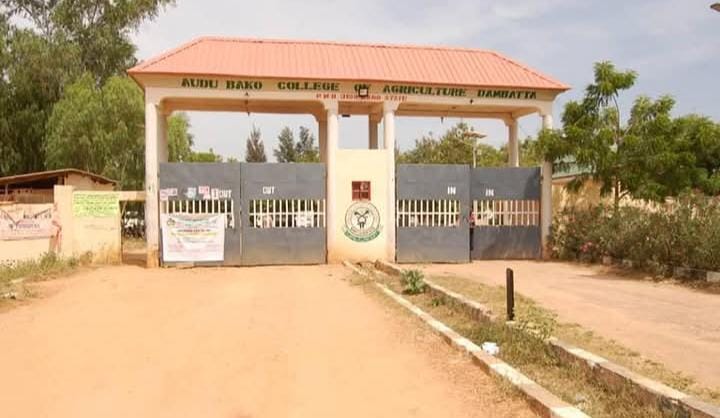
By Abdu Saidu, Kano The Audu Bako College of Agriculture, Dambatta (ABCOAD), on November 17, 2025, convened its 8th Biennial National Conference, issuing strong calls for climate-smart agricultural practices and emerging technologies to strengthen Nigeria’s food security and economic resilience. The conference, themed “Climate Smart Agriculture and Emerging Technologies for National Food Security and Global Competitiveness: Building Resilient Economies,” attracted researchers, industry professionals, policymakers, and academics from across the country. In his opening remarks, the Provost of the College, Professor M. A. Wailare, said the theme reflected urgent global realities, noting that climate variability, rising production costs, migration pressures, and disruptions in supply chains are reshaping the agricultural landscape worldwide. “For Nigeria, where millions depend on agriculture for their livelihood, the challenge is both profound and immediate,” he said, urging participants to fully engage and offer practical solutions. “Share knowledge, challenge assumptions, and collaborate on solutions that can reshape the future of agriculture in our country.” Read Also: Dr. Gwaram Appointed Provost, Set to Lead Federal College of Agriculture, Kirikasamma Ganduje Attends 3rd National Aviation Conference in Lagos Kano South Senator, Kawu Sumaila Marries NAF Officer in Low-Key Ceremony Representing the Deputy Governor and Commissioner for Higher Education, Comrade Aminu Abdulsalam Gwarzo, the Executive Secretary of KSSMB, Hon. Rabi’u Sale Gwarzo, described the conference theme as both timely and essential. He said Nigeria stands at a critical point where agriculture has become central to national survival, economic diversification, and youth employment. “I salute the organisers, presenters, and participants for their dedication. Your passion keeps agriculture alive. Your intellect keeps innovation shining. Your work ensures Nigeria remains capable of feeding itself and exporting to the world,” he remarked. The Chairman of the Occasion, Alhaji Nu’uman Barau Dambatta, OON, Ajiyan Kazaure—represented by Alhaji Mukhtar Maje Adnan—warned that climate change poses direct threats to food security, agricultural productivity, and human survival. He emphasized the need for proactive mitigation strategies, stating: “Reducing the effects of climate change should be pursued through increased flora establishment—shelterbelts, tree planting, agroforestry—reduction in fossil fuel usage, modernizing agricultural practices, and embracing agricultural technology.” Dr. Abdulhamid Bala, who served as the Lead Paper Presenter, delivered a detailed and research-driven presentation on climate-smart agriculture and emerging technologies. He highlighted the transformative roles of digital innovation, biotechnology, and precision farming in boosting productivity and ensuring global competitiveness. He urged academic institutions, government agencies, and private-sector actors to strengthen collaboration in order to build a resilient agricultural sector capable of withstanding climate shocks. Throughout the conference, researchers and participants presented new findings aimed at improving crop yields, livestock development, and environmental sustainability. In his closing remarks, Professor Wailare commended the depth of participation and reiterated the College’s commitment to promoting agricultural innovation and research. “This is not just an academic gathering—it is a national platform for shaping practical ideas that can transform agriculture into a resilient, technology-driven sector,” he said. He announced that resolutions from the conference would be compiled into a policy-focused document for relevant government and industry stakeholders. The 8th Biennial National Conference reaffirmed ABCOAD’s position as a leading institution in agricultural education, research, and national development.

Scroll to Top