
The Historica Nigeria

Author name: Umar Idris Shuaibu

National, News

New Electoral Bill Targets November 2026 Elections, Faster Tribunal Process

Nigeria’s next general elections may hold in November 2026 if the new proposal by the National Assembly to amend the Electoral Act sails through. The proposal, part of the Electoral Act (Amendment) Bill 2025, was unveiled on Monday during a public hearing jointly organized by the Senate and House Committees on Electoral Matters in Abuja. According to lawmakers, the adjustment aims to ensure that all election petitions are resolved before the next handover date on May 29, 2027. Read Also: Council of State Approves Prof. Joash Amupitan as New INEC Chairman The draft amendment reads: “Elections into the office of the President and Governor of a State shall be held not later than 185 days before the expiration of the term of office of the last holder of the office.” This means the elections would now fall around November 2026, roughly six months before the end of the current administration’s tenure. Chairman of the House Committee on Electoral Matters, Hon. Adebayo Balogun, said the move is designed to “ensure that all manner of election litigations are dispensed with before the swearing in of winners.” He explained that the National Assembly also plans to amend Sections 285 and 139 of the 1999 Constitution to shorten the duration of election petitions — reducing tribunal judgments from 180 to 90 days, appellate court decisions from 90 to 60 days, and ensuring the entire process does not exceed 185 days. Other key provisions in the proposal include early voting for specific categories of Nigerians — such as security personnel, INEC staff, accredited journalists, and observers — at least 14 days before election day. Significantly, the amendment also seeks to make electronic transmission of results mandatory, with penalties for non-compliance. The proposed Section 60(5) reads: “The Presiding Officer shall transmit the results, including the total number of accredited voters, to the next level of collation both electronically and manually.” Officers who issue unstamped ballot papers or result sheets could face a one-year jail term or a ₦1 million fine. Stakeholders, including the Independent National Electoral Commission (INEC), represented by Prof. Abdullahi Zuru, endorsed the proposed reforms — particularly the electronic voting and compulsory e-transmission clauses — describing them as vital to strengthening transparency and reducing post-election disputes. In July, a similar proposal to amend the 1999 Constitution and hold all elections on the same day in 2027 sparked mixed reactions. While opposition parties such as the PDP, Labour Party, ADC, and NNPP supported the idea, the ruling APC rejected it, warning of possible chaos. The initiative, championed by the House Committee on Constitution Review chaired by Deputy Speaker Benjamin Kalu, emerged from broader consultations held across the six geo-political zones. If passed, the bill will mandate INEC to conduct presidential, governorship, National Assembly, and state assembly elections on a single day — a move projected to cut costs and reduce post-election bandwagon effects.

Business, National, News

Fuel Price Hits ₦992 as NNPCL Adjusts Pump Rates Across Nigeria

The Nigerian National Petroleum Company Limited (NNPCL) has increased the pump price of petrol from ₦865 to ₦992 per litre, triggering fresh concern among motorists and consumers nationwide. As of the time of filing this report, the company has yet to release any official statement explaining the reason behind the sudden adjustment. During visits to several NNPC retail outlets, The Nation observed fuel attendants recalibrating their pumps to reflect the new rate. Read Also: NNPCL Drills Four Oil Wells in Kolmani, Constructs Gas Plants in Kogi At the NNPC filling station along Ogunusi Road, Ojodu Berger, attendants confirmed they were instructed to update the pump price to ₦992 per litre. However, checks at Ibafo along the Lagos–Ibadan Expressway revealed that NNPC outlets in the area still displayed the old price of ₦875 per litre but were not dispensing fuel to motorists. Most NNPC stations visited in Lagos and Ogun States were also not selling fuel as of Sunday evening, sparking frustration among commuters and transport operators. Although NNPCL has not provided an official reason for the price hike, industry analysts speculate that rising global crude oil prices and foreign exchange volatility could be contributing factors. (The Nation)

Kano, News, Religious

Kano Hisbah Nabs Five for Conducting Marriage Without Parental Consent

The Kano State Hisbah Board has arrested five youths for allegedly conducting a marriage ceremony without parental consent, in violation of Islamic and legal marital procedures. Deputy Commander General of the board, Dr. Mujahideen Aminuddeen, confirmed the arrest in a statement issued in Kano on Monday. He said those apprehended include the groom, the bride, and three others who participated as representatives and witnesses during the ceremony. Related: Kano Govt Begins Plans for Mass Wedding of 2,000 Couples According to Aminuddeen, the marriage was contracted with a dowry of ₦10,000 — below the minimum standard recognised under Islamic law. He added that the board has commenced an investigation into the incident, stressing that the union breached both Islamic and legal requirements for marriage. Dr. Aminuddeen urged parents to monitor their children’s social activities and guide them in matters of marriage and morality to avoid similar incidents in the future. (NAN)

Kano, News

Kano Holds Citizens’ Consultation Forum Ahead of 2026 Budget Formulation

The Kano State Government has reaffirmed its commitment to participatory governance as part of the preparation for the 2026 fiscal year budget, ensuring that citizens’ voices and local priorities are reflected in state development planning. Chairman of the Kano State Social Protection Platform, Malam Salisu Yusuf, stated this while supervising the zonal public consultation exercise for the Kano Central Senatorial District, held across Rano, Gaya, Karaye, and Bichi zones. Malam Yusuf explained that the state has adopted the culture of involving citizens, community leaders, and stakeholders in identifying needs and aspirations that should shape government spending priorities. Read Also: Kano Health Ministry Hosts iLMD Review Meeting to Strengthen Health Supply Chain Efficiency “It has been a long-standing tradition of Kano State to gather citizens’ input before finalising the annual budget,” he said. “People know their needs better, and their voices are essential in building a responsive, inclusive, and impactful 2026 budget.” He added that the Kano Budget Working Group decided to extend the consultations across all zones to ensure that every segment of society — including women, children, youth, and people with disabilities — is represented. Speaking earlier, the Mai Garin Gama, Alhaji Rabi’u Isyaku Gama, commended the initiative, describing it as a practical step toward good governance. He noted that the opportunity to provide direct community input would help government officials better understand local challenges and set realistic development targets. “I am happy to be part of this important engagement,” Alhaji Gama said. “We used this opportunity to present the demands of our people for inclusion in the 2026 Kano State budget. I also call on philanthropists to complement government efforts by addressing social challenges in their communities even before public intervention.” In her remarks, the Speaker of the Kano Children’s Parliament, Hauwa’u Muhammad Ibrahim, from Nasarawa Local Government Area, said she was proud to represent the voices of young people during the consultation. She presented key demands focusing on education, healthcare, girl-child education, and inclusion for persons living with disabilities. “Last year, we submitted a similar request for the construction of ‘Yan Dodo Road in Hotoro area, which is now under construction. We are confident that our new submissions will also be taken seriously to improve the lives of children and residents across the state,” Hauwa’u stated. Responding to the various presentations, the Principal Officer in charge of the budget at the State Ministry of Planning and Budget, Malam Mustapha Sani Sulaiman, assured participants that the ministry would prioritise citizens’ recommendations while preparing the 2026 state budget. He emphasised that the essence of the forum is to ensure that the government’s fiscal planning directly aligns with citizens’ needs, noting that similar exercises are ongoing in other senatorial zones of the state. According to him, the feedback gathered from these forums will form the backbone of the 2026 Kano State Annual Budget, reflecting a people-centered approach to governance and resource allocation. Malam Mustapha commended the Social Protection Platform and other partners for coordinating the engagements effectively, adding that such initiatives help promote transparency, accountability, and public trust in government. The consultation drew participants from civil society organisations, traditional institutions, youth groups, women associations, and representatives from the Children’s Parliament, all contributing diverse perspectives to guide the state’s 2026 development priorities.

Health, Humanitarian

Kano Health Ministry Hosts iLMD Review Meeting to Strengthen Health Supply Chain Efficiency

In a significant step towards improving access to essential health commodities across Kano State, key stakeholders convened for a high-level Integrated Last-Mile Delivery (iLMD) and Requisition Review Meeting aimed at assessing current supply chain processes and reinforcing collaboration among partners. The meeting, held at Tahir Guest Palace Hotel in Kano, was organized by the Ministry of Health in collaboration with Capacity 4 Sustainable Development (C4SD), and it brought together key stakeholders including top officials from the ministry and its relevant agencies, as well as representatives of Essential Drug Officers, MCH Coordinators, representatives of In-state team, Zonal Warehouse Managers, Transborder Logistics, warehouse store officers both at central and zonal levels, some members of the DMCSA fleet unit, and implementing partners. The session focused on evaluating the performance of the last-mile delivery system, validating requisitions from facilities, and identifying bottlenecks in the distribution of commodities. The meeting sets out to provide updates on stock positioning and integrated last-mile delivery activities. It also aims to identify operational gaps and develop practical solutions to ensure effective implementation and to agree on actionable next steps, with clear timelines and designated responsible persons to drive progress. Read Also: Kano to Introduce Mental Health Tests as Precondition for Marriage In her welcome address, the Family Planning Coordinator, Dr Aisha Barka, welcomed all participants to the meeting and wished for a fruitful deliberation. In his opening remarks, the Director Pharmaceutical Services and Chairman State Sustainable Health Commodity Supply System Committee (SHCSS-C) Pharm. Kamilu Mudi Salisu emphasized the importance of an integrated approach to last-mile delivery, noting that “timely access to health commodities is critical to achieving universal health coverage in Kano State.” Calling for proper documentation of all that had been done on supply chain management in the state, the DPS noted that Kano State Government remains committed to strengthening its health supply chain systems in line with national guidelines and global best practices. In his contribution, Dr. Ibrahim Aliyu Muhammad, the Director Public Health and Disease Control at the State Ministry of Health called on participants and other stakeholders to highlight their achievements and successes in supply chain activities through research and the presentation of well-developed conference papers. He further emphasized the need to strengthen existing frameworks to promote transparency and ensure accountability in commodity management. During the meeting, resource persons, including Pharm. Tukur Ibrahim, Director, the Drugs and Supply at Drug and Medical Consumables Supply Agency (DMCSA) and Bello Muhammad Dandago, SSHCSS-C Focal Person at the State Primary Health Care Management Board, made presentations on fleet management operations, requisition management, as well as iLMD activities – family planning and essential medicines. Later the participants have robust discussions on how to reconcile health facility commodity requisitions with actual needs and consumption data, evaluate stock status and delivery timelines, address challenges in logistics coordination and data reporting, and strengthen accountability mechanisms across all levels of the health supply chain. Delivering goodwill messages, the representatives from development partners, such as the Africa Resource Center for Excellence in Supply Chain Management (ARC-ESM), reaffirmed their commitment to supporting the state’s efforts to ensure equitable and efficient distribution of health commodities. On his part, the State Team Lead, C4SD, expressed optimism that the outcomes of the meeting will inform strategic adjustments in supply planning and delivery schedules, as well as guide continuous capacity building for logistics personnel at the Local Government Areas and facility levels. He also assured C4SD’s determination to ensure commodity accountability in line with the state’s accountability framework and work closely with the state’s programs and supply chain leadership to ensure remarkable improvements in the state’s supply chain. While outlining the next steps, the Director of Pharmaceutical Services at the Kano State Primary Health Care Management Board, Pharm. Abdullahi A. Danzabuwa re-emphasized that the iLMD initiative has come to stay in the state.

Jigawa, Kano

BIKOBA Commiserates with Jigawa Judiciary over Death of Kadi Bashir Birnin-Kudu

The Birnin-Kudu Old Boys Association (BIKOBA) has commiserated with the Jigawa State Judiciary, the family of the late Kadi Bashir Birnin-Kudu, and the people of the state over his passing, describing him as a pillar of Islamic legal education and justice administration. In a condolence message issued by the National Publicity Secretary of the association, Mahmud Ibrahim Kwari, the BIKOBA President, Alhaji Ja’afar Usman Muhammad (Turakin Gaya), said the late Kadi Bashir’s lifetime was devoted to promoting Islamic legal scholarship and fostering the principles of justice in both Kano and Jigawa States. Read Also: ASUU Shuts Down Public Universities Nationwide Over Unmet Demands Kadi Bashir, who was the pioneer Provost of the Jigawa State School of Islamic and Legal Studies, Ringim, passed away on Friday, October 10, 2025, at the Aminu Kano Teaching Hospital after a prolonged illness. According to the BIKOBA President, the late Kadi Bashir played a foundational role in training and mentoring generations of legal professionals and scholars, many of whom now serve across the judiciary and academic institutions in Nigeria. He further described the deceased as a unifying figure and a spiritual leader who promoted faith and harmony within the Muslim community through his service as Chief Imam of the Dutse Central Mosque and Chairman of the Jigawa State Council of Ulama. “Late Kadi Bashir Birnin-Kudu’s contributions to the Sharia legal system and his dedication to justice will remain indelible in the hearts of all who knew him,” Alhaji Ja’afar said. He prayed to Almighty Allah to grant the deceased Aljannatul Firdausi and comfort his immediate family, particularly his elder brother, Malam Sale Ahmed Birnin-Kudu, as well as the Jigawa judiciary and the people of the state over the irreparable loss.

Education, National, News

ASUU Shuts Down Public Universities Nationwide Over Unmet Demands

The Academic Staff Union of Universities (ASUU) has officially declared a two-week comprehensive warning strike, marking yet another disruption in Nigeria’s public university system. The announcement was made on Sunday by the National President of the union, Professor Chris Piwuna, during a press briefing held at the University of Abuja. According to the ASUU president, the decision followed the expiration of a 14-day ultimatum earlier issued to the Federal Government on September 28, 2025. He stated that the strike would commence at midnight on Monday, October 13, 2025, and would involve the total withdrawal of services from all public universities across the country. Read Also: Experts, Scholars Chart Path for Zero-Waste Leather Production at NILEST Conference “Compatriots of the press, it goes without saying that there is nothing sufficient on ground to stop the implementation of the ASUU-NEC’s resolution to embark on a two-week warning strike at the expiry of the 14-day notice given on the 28th September 2025,” Professor Piwuna declared. “Consequently, all branches of ASUU are hereby directed to withdraw their services with effect from midnight on Monday, the 13th October, 2025. The warning strike shall be total and comprehensive as agreed at the last NEC meeting.” ASUU, formed in 1978 to represent the interests and welfare of university lecturers in Nigeria, has been in constant dispute with the Federal Government over issues of funding, welfare, and the implementation of agreements reached as far back as 2009. Education analysts have expressed concerns that the fresh industrial action could further derail the already fragile academic calendar, especially for students who are yet to recover from previous disruptions. Some institutions had only recently resumed following delays linked to unpaid salaries and infrastructural challenges. The latest standoff comes despite ongoing negotiations between the Federal Government and the university-based unions. On Wednesday, the Minister of Education, Dr. Tunji Alausa, revealed that the administration was in the final phase of talks with ASUU and other unions to resolve outstanding issues relating to university funding and staff welfare. Dr. Alausa explained that the government had made significant progress by releasing ₦50 billion for Earned Academic Allowances (EAA) and earmarking another ₦150 billion in the 2025 budget for needs assessment in public universities. He said the funds would be released in three tranches as part of efforts to address ASUU’s demands and stabilize the education sector. However, the union insists that the government’s actions have not matched its promises. Many lecturers have argued that the delay in implementing key aspects of the 2009 ASUU-FGN Agreement and the continued use of the Integrated Payroll and Personnel Information System (IPPIS) have worsened their plight. Students across various campuses have expressed worry over the renewed strike, describing it as a major setback to their academic progress. A 400-level student of the University of Lagos, identified as Tolu, said, “We are tired of this constant back and forth. Every time there’s progress, another strike begins, and it affects our graduation timelines.” Education rights advocates have urged the Federal Government to prioritize university reforms and ensure that the recurrent cycle of strikes comes to an end. According to them, the government must strengthen communication with stakeholders to rebuild trust in Nigeria’s higher education system. Observers note that the strike could worsen the ongoing brain drain in the sector, as more lecturers may seek opportunities abroad due to poor working conditions. Nigeria has already recorded the exit of over 300 professors from public universities in the last two years. University managements across the country have started issuing circulars directing students to vacate campuses pending further instructions. The National Universities Commission (NUC) is expected to meet with stakeholders this week to assess the situation and explore possible resolutions. Meanwhile, the ASUU leadership maintains that the warning strike is not an end in itself but a call for government accountability and action. Professor Piwuna emphasized that the union would review its position after the two-week period, depending on the government’s response. “We have waited long enough, and our members have endured enough hardship. This warning strike is to show our seriousness in demanding that the government fulfill its obligations,” he added. Education experts have cautioned that unless urgent steps are taken, the strike could extend beyond two weeks, causing further instability in Nigeria’s struggling tertiary education sector.

Abuja, National, News

Tinubu Departs Abuja for Rome Ahead of Global Security Dialogue

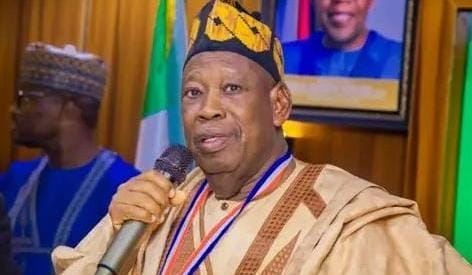
President Bola Ahmed Tinubu is scheduled to depart Abuja today, Sunday, October 12, for Rome, Italy, to participate in the Aqaba Process Heads of State and Government Level Meeting. According to a statement by Bayo Onanuga, Special Adviser to the President on Information and Strategy, the high-level gathering, which commences on October 14, will focus on the worsening security situation across West Africa. The forum will bring together Heads of State, senior intelligence and defence officials from African nations, as well as representatives of intergovernmental and non-governmental organisations, to deliberate on regional security concerns. Read Also: Even Out of Office, Ganduje Remains the Soul of APC — Party Loyalist Launched in 2015 by King Abdullah II of Jordan and co-chaired by the Jordanian and Italian governments, the Aqaba Process serves as a counter-terrorism platform addressing complex security challenges facing the West African region. “The meeting recognises the complex security challenges confronting West Africa, including the expansion of terrorist networks, the growing crime-terror nexus, and the increasing overlap between land-based terrorism in the Sahel and maritime piracy in the Gulf of Guinea,” the statement noted. It added that participants would exchange assessments of the current security landscape in West Africa, foster collaboration among regional and international partners, and develop strategies to combat terrorism both on land and at sea. The meeting will also explore ways to coordinate global efforts to counter online radicalisation and disrupt digital networks that promote terrorist propaganda and recruitment. Onanuga further disclosed that President Tinubu will hold bilateral meetings with other world leaders on the sidelines of the summit to explore new avenues for enhancing regional security cooperation. “In addition to attending the plenary sessions of the Aqaba meeting, President Tinubu will hold bilateral talks with other leaders to explore ways of addressing the rising security challenges across the subregion,” Onanuga stated. The President will be accompanied by the Minister of State for Foreign Affairs, Ambassador Bianca Odumegwu-Ojukwu; Minister of Defence, Mohammed Badaru Abubakar; National Security Adviser, Nuhu Ribadu; Director-General of the National Intelligence Agency (NIA), Ambassador Mohammed Mohammed; and other senior government officials.

Kaduna, Weekend Digest with The Historica Nigeria

A Quiet War on Our Soil: How Aid, Chemicals, and Banditry Are Strangling Northern Nigeria’s Ginger Heartland

Once upon a time, the reddish-brown soils of Southern Kaduna stretching through Kachia, Jaba, Kagarko, Jere, Kwoi, Kagoro, Kafanchan, and extending into parts of Nasarawa and Plateau States, were symbols of pride and prosperity. In these lands, ginger was more than a crop; it was a culture, an inheritance, and a lifeline that defined entire communities. For decades, Nigeria ranked among the world’s top producers of ginger, with farmers from this region supplying industries from Lagos to London. The spice’s rich aroma and high oil content made it a global export brand and a source of economic pride. Today, that legacy stands on the brink of extinction. What began as an effort to “improve” local production has turned into a quiet war fought not with bullets, but with seeds, chemicals, and dependency disguised as aid. When “Aid” Becomes a Curse In the late 2010s, international development agencies, including USAID, launched a “ginger quality enhancement” programme across Kaduna State. The initiative promised higher yields through the distribution of hybrid seeds and foreign agrochemicals designed to boost export quality. At first, optimism filled the air. Farmers embraced the programme with hope for a better future. But within a few planting seasons, disaster struck. Related: Fixing the Forgotten Crisis: Solutions to Nigeria’s Herders-Farmers Conflict By 2023, a devastating fungal outbreak, Proxipyricularia zingiberis had wiped out more than 90 percent of the harvest across the ginger-producing belts. From Kachia to Jaba, farmlands that once flourished turned into barren fields. Leaves turned yellow, rhizomes rotted underground, and the region’s agricultural pride vanished almost overnight. Read Also: Beyond the Headlines: The Untold Truth behind Nigeria’s Herders-Farmers Clashes “I planted the seeds they gave us,” recalls Ibrahim Musa, a lifelong farmer from Kagarko. “The next year, everything died. They said it would help us and now we have nothing.” A bag of ginger that once sold for ₦50,000 now costs between ₦700,000 and ₦800,000 if it can even be found. Local ginger, once Nigeria’s golden spice, has been replaced in the market by bland imports from Asia. What was meant to be assistance has become a curse. Economic Sabotage in Slow Motion The collapse of ginger production has unleashed far-reaching economic consequences. Ginger was not just a cash crop; it was a livelihood that supported tens of thousands of households and powered an informal export chain worth billions of naira. Today, entire communities have been thrown into hardship. Farmers have abandoned their fields, youths have migrated to cities, and families are trapped in cycles of debt. Some have turned to maize, beans, or millet that is less profitable but safer crops. Government officials now speak of “crop rotation,” “organic regeneration,” and “disease surveillance.” But many wonder where that urgency was when the crisis began. Why was there no investigation into the imported seeds and chemicals? Why did no one take responsibility for the collapse of an entire agricultural ecosystem? What was supposed to be development assistance now appears to have crippled one of Nigeria’s most valuable export commodities. Aid or Dependency? The Kaduna ginger tragedy exposes a deeper problem, the blind faith in foreign “aid” models that erode local resilience. When Nigerian farmers cannot plant without imported seeds, when our soils depend on foreign fertilizers, and when local varieties are replaced by hybrids that destroy biodiversity, then our sovereignty is under threat. Not all aid is altruistic. Sometimes, it is dependency disguised as development, a subtle form of control that keeps nations perpetually reliant on external “assistance.” The North’s Struggle: Soil, Seed, and Survival Across northern Nigeria, the collapse of ginger is part of a wider tragedy. Banditry and kidnappings have driven farmers off their lands. Herders can no longer move cattle freely. Rural markets have grown silent. Food insecurity deepens as violence, environmental degradation, and misguided aid policies combine to weaken local resilience. From Kachia to Kafanchan, once-bustling farmlands now lie in silence, overrun by weeds. Every hectare lost whether to disease, chemicals, or insecurity which is a blow to Nigeria’s agricultural backbone and to its food security. “This is not coincidence,” said a local agricultural analyst Harande Isa in Zonkwa. “Destroy the soil, scatter the herds, close the roads then a proud people become dependent. That’s how control begins.” A History Worth Defending Ginger farming has deep roots in northern Nigeria’s history. During the colonial era, the British recognized the exceptional quality of Kaduna’s ginger and integrated it into export routes through the railway network to Lagos. By the 1980s and 1990s, the Kachia-Jaba axis had become the heartbeat of West Africa’s ginger trade, producing some of the world’s most potent varieties. The industry financed education, built homes, and sustained families for generations. Must Read: Food Waivers Threaten Northern Agriculture, Says Wali Today, that golden heritage faces extinction under the weight of poor policies, weak regulation, and foreign dependency. The Lesson The ginger crisis is not just about a crop but about control, sovereignty, and survival. Food security is not only the ability to eat but the freedom to grow what sustains a nation. If Nigeria cannot protect its farmers, its soil, and its markets, then no amount of imported aid will save it. For the North, what our state Governors need to focus on is protecting the soil is as vital as defending the borders. The real war is not fought only with guns and bombs, but with seeds, policies, and silence. Because the truth is simple, the war is already here. And it is being fought in our farmlands, in our markets, and in our hunger.

Kano, Profile

Umar Idris Shuaibu: The Journalist Redefining Culture, Ethics, and Public Service in Nigeria

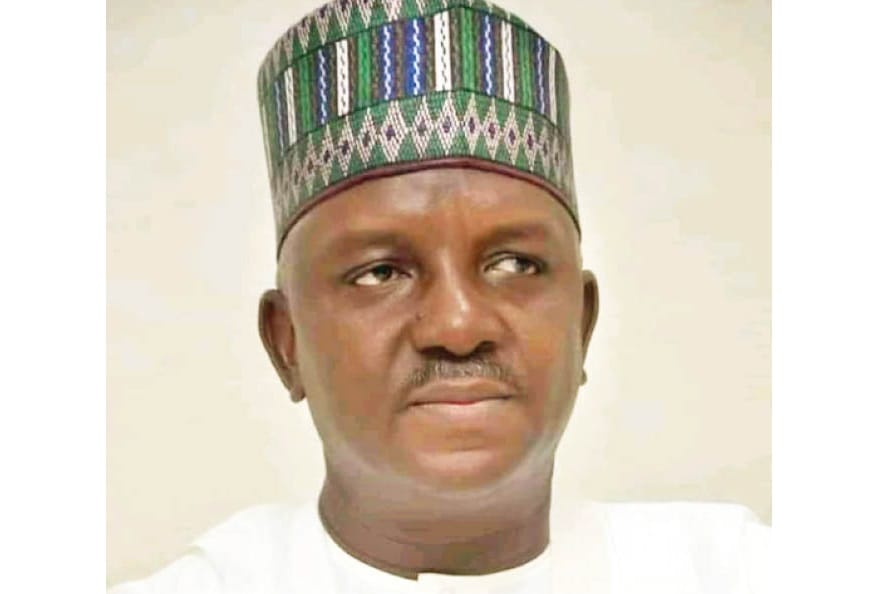
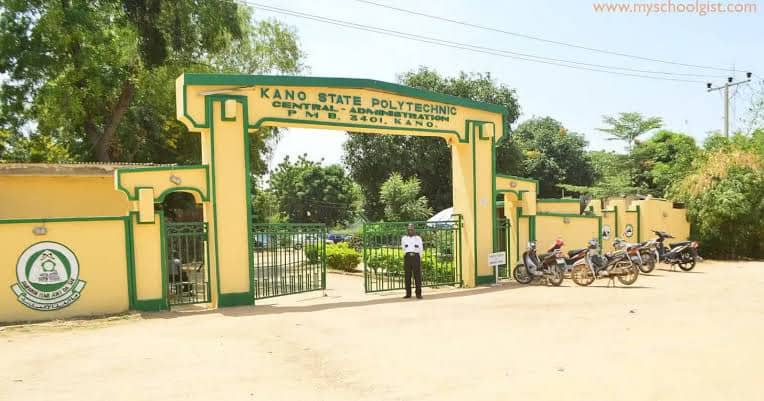
Umar Idris Shuaibu is a Nigerian journalist, editor, and public administrator widely recognized for his commitment to ethics and cultural values in journalism. He is the Founder, CEO, and Editor of The Historica Nigeria, an online newspaper platform dedicated to history, culture, and contemporary issues across Northern Nigeria and beyond. Early Career in Journalism Shuaibu began his journalism journey with Freedom Radio, Kano, before joining Daily News 24, where he authored several insightful feature stories, including: “Consumer Rights Day: How Experts Strategize to Tackle Plastic Pollution in Kano” “Traders Strike Suspension: A Look at the Prices of Onions in the North, South” “Why Premarital Tests, Counselling Is Making News in Kano” “Demand-Push Inflation: Outrage as Cement Price Hits N5,500 in Kano” He later joined Premier Radio before transitioning into public service. His works have appeared in leading national media outlets such as The Punch, Naija News, Legit.ng, and Peoples Pen 24, where he is often quoted for his political analysis and commentary particularly on the political legacy of Dr. Abdullahi Umar Ganduje, the immediate past National Chairman of the All Progressives Congress (APC) and current Chairperson of the Board of the Federal Airports Authority of Nigeria (FAAN). Read Also: Fixing the Forgotten Crisis: Solutions to Nigeria’s Herders-Farmers Conflict One of his notable features, “North Will Stand By Tinubu in 2027 – Ganduje’s Aide,” published by Arewa PUNCH, captured his insights on the North’s political alignment and APC’s future in the region. Public Service and Digital Innovation Until October 2025, Umar Idris Shuaibu served at Kano State Investment and Properties Limited (KSIP), where he combined administrative expertise with communication skills. He founded and managed KSIP’s first official website, a landmark innovation that enhanced transparency and improved public access to information on the company’s activities. He officially resigned from KSIP on October 27, 2025, citing the increasing politicization of the civil service and the erosion of merit-based career progression. He described the situation as a threat to the professionalism and integrity of Nigeria’s public institutions. Despite leaving public office, Shuaibu remains a strong advocate for administrative reform, transparency, and good governance. Publishing and Media Advocacy Through The Historica Nigeria, Shuaibu promotes journalism rooted in objectivity, cultural awareness, and responsible storytelling. The platform features a wide range of editorial content, including history, culture, politics, and local and international news. He has written extensively on the Fulani people in his weekend feature series, “Fulani: Story of a People,” which delves into their heritage, economy, and the complex roots of the herders–farmers conflict in Nigeria. Education and Professional Development Umar Idris Shuaibu began his education at Gidan Makama and finished in Adda’awah Primary, to Government Junior Secondary School Hotoro, and Science College, Dawakin Kudu, Kano, where he built a strong foundation in the sciences. He later obtained a Diploma in Mass Communication, an Advanced Diploma in Public Administration, a Higher National Diploma (HND) in Public Administration, and a Postgraduate Diploma (PGD) in Public Administration and Human Resource Management from Kano State Polytechnic. His academic and professional growth reflects a deep commitment to building effective institutions through media transparency, ethical reporting, and disciplined administration. Recognition and Professional Involvement He was honoured with the Proudly Northerners Award by Daily News 24 in recognition of his journalistic contribution to Northern Nigeria’s development discourse. Philosophy Umar Idris Shuaibu believes journalism must uphold truth, fairness, and integrity while preserving Nigeria’s cultural heritage. His ultimate goal is to establish The Historica Nigeria as both a platform of credible journalism and a legacy for future generations of reporters devoted to ethical storytelling and national development.

Scroll to Top