The Historica Nigeria

Author name: Umar Idris Shuaibu

Education, National, News

Prof. Uduma Uduma Named New Vice Chancellor of NOUN

The National Open University of Nigeria (NOUN) has appointed Professor Uduma Uduma as its new Vice Chancellor. The announcement was made by the Chairman of NOUN’s Governing Council, Mallam Isa Yuguda, during a press briefing held on Friday in Abuja. According to Yuguda, Professor Uduma will succeed the current Vice Chancellor, Professor Olufemi Peters, whose tenure is set to end in February 2026. Read Also: FG Introduces AI, Robotics, and Journalism into New Secondary School Curriculum He described the appointment as part of the institution’s continuous efforts to sustain academic excellence, innovation, and effective leadership in open and distance learning across Nigeria. Professor Uduma’s appointment is expected to usher in a new phase of growth for the university, which has, over the years, expanded access to higher education for thousands of Nigerians through its distance learning model.

Agriculture, Economy, National, News

Food Waivers Threaten Northern Agriculture, Says Wali

Veteran labour leader and development advocate, Comrade Mustapha Nuhu Wali, mni, has warned that the Federal Government’s decision to grant ₦97 billion worth of duty waivers on imported food could have devastating effects on Northern Nigeria’s agricultural economy. In a statement issued on Friday in Kano, Wali described the policy as a “short-term political fix” that undermines decades of resilience, self-reliance, and investment in the region’s agricultural sector. He said while the initiative may temporarily reduce food prices in urban centres like Lagos and Abuja, it has already triggered economic hardship among farmers in the North, particularly in states such as Kano, Sokoto, Zaria, Borno, and Benue. Read Also: Wali Hosts Annual Maulud, Calls for Unity, Prayers and Emulation of Prophet’s Virtues “Farmers already struggling with insecurity, high costs of fertilizer and fuel, now face unprofitable markets as cheap imports flood the nation,” he said. Wali compared the policy to Nigeria’s past economic missteps, including the 1986 Structural Adjustment Programme and the rice import era of the 2000s, arguing that both weakened local capacity and increased dependency on imports. He expressed concern that many Northern states had failed to invest their increased federal allocations from fuel subsidy removal in revitalising agriculture. “Dams and irrigation systems such as Tiga, Bagauda, and Danbatta in Kano have deteriorated, while similar facilities in Sokoto, Kebbi, and Borno remain in disrepair,” he lamented. According to Wali, only Niger State has announced a meaningful agricultural revitalisation programme. He also noted that without continuity, gains from the Buhari-era Anchor Borrowers’ Programme and rice initiatives are fast eroding. Beyond crops, Wali highlighted the neglect of livestock management and grazing reserves, saying it has worsened communal clashes in states such as Benue, Jos, and Kogi. While commending the creation of a Federal Ministry of Livestock Development, he said the effort would remain symbolic without collaboration and investment from Northern governors. He warned of the social consequences of agricultural decline, including youth migration, unemployment, and rising insecurity. “Many young Northerners have become trapped in menial and undignified jobs in southern cities, while Almajiri children and youth gangs continue to pose a growing threat to social stability,” he stated. Wali urged the Arewa Consultative Forum (ACF) and other regional institutions to revive their historical roles by promoting regional accountability and mobilising collective action for economic revival. “The North must reclaim its legacy through irrigation renewal, quality education, youth empowerment, and improved security,” he stressed. He called on the Federal Government to reconsider the food import waiver and instead channel efforts into empowering local farmers, expanding irrigation networks, and supporting agro-industrial value chains. “Without this shift, Nigeria risks turning its most fertile region into an economic wasteland and the North’s greatest asset into its deepest vulnerability,” Wali concluded.

Katsina, News

NGO promotes inclusive peacebuilding in Katsina via stakeholders’ training

The Gender Awareness Trust (GAT), with support from Strengthening Peace and Resilience in Nigeria (SPRING) project, has organised a 3-day training for stakeholders on inclusive peace-building in Katsina. The GAT Programme Manager, Mrs Sophie Akut, during the training in Katsina on Wednesday, said the exercise is also in collaboration with Tetra Tech International Development. The initiative funded by the Foreign, Commonwealth and Development Office (FCDO), has been implemented by GAT in Katsina and Kaduna States since June this year. Read Also: Stakeholders push for inclusive education in Katsina According to her, the Building Inclusive Peace Project (BIP Project), implemented in Katsina and Kaduna States, is designed to strengthen community-based peace-building structures. She added that the project aimed to also promote social and gender-inclusive approaches, and drive effective implementation of Women Peace and Security (WPS) frameworks. “Our overall project goal is to foster inclusive and sustainable peace in both states, by strengthening community resilience, enhancing gender-responsive conflict prevention, and promoting coordinated action among key stakeholders for security, peace and justice. “To strengthen community-led conflict prevention mechanisms to enhance local capacity for peace-building, is also one of our specific objectives. “Others include promoting women’s participation, leadership and gender-inclusive strategies in peace building and conflict prevention,” she said. Akut stated that others are to drive the effective implementation of WPS policies by mobilising key stakeholders, including government, traditional leaders, and civil society. The programmes manager listed other goals as, “to enhance coordination, partnerships, and accountability among security agencies, policymakers, and community actors for more efficient and impactful WPS interventions. “To establish robust project management and Monitoring and Evaluation (M&E) frameworks that ensures timely delivery, continuous learning, and adaptive management of project activities. Akut explained that the 10-month project also adopted community-centered participation, gender transformative policy institutional alignment and multi-stakeholder collaboration approaches. She revealed that the training also targeted to strengthen knowledge and skills on gender, inclusive peace-building, conflict prevention, and early warning. According to her, it also aimes to enhance capacity for advocacy and stakeholder engagement in promoting peace-building. (NAN)

National, News

Tinubu Extends Presidential Pardon to Macaulay, Vatsa, Farouk Lawan, Others

President Bola Ahmed Tinubu has approved the pardon of late Herbert Macaulay, late Major General Mamman Vatsa, and Kano politician Farouk Lawan. A statement released on Thursday by presidential spokesman Bayo Onanuga confirmed that President Tinubu also extended clemency to 82 inmates across the country. Vatsa, who was executed in 1986 after being convicted of treason, received a posthumous pardon from the president. He was among 17 individuals granted presidential clemency following the endorsement of the National Council of State, which convened in Abuja on Thursday. Read Also: Council of State Approves Prof. Joash Amupitan as New INEC Chairman The statement read: “President Tinubu also granted a posthumous pardon to Herbert Macaulay, a Nigerian nationalist and co-founder, along with Dr. Nnamdi Azikiwe, of the National Council of Nigeria and the Cameroons (NCNC). Macaulay was the party’s first president, which played a pivotal role in Nigeria’s struggle for independence. However, in 1913, Macaulay was believed unjustly convicted by the British colonialists and banned from public office. Macaulay died in 1946, but the stigma of being an ex-convict was not exorcised from his records until now.” The statement further revealed that Tinubu pardoned four former convicts, including former House of Representatives member, Farouk Lawan; Mrs. Anastasia Daniel Nwaobia; Barrister Hussaini Umar; and Ayinla Saadu Alanamu. They were pardoned to enable them to reintegrate into society, having demonstrated sufficient remorse. Also granted clemency were Nweke Francis Chibueze, serving a life sentence for cocaine, and Dr. Nwogu Peters, who had served 12 out of his 17-year sentence for fraud. The President also posthumously pardoned the “Ogoni Nine”: Ken Saro-Wiwa, Saturday Dobee, Nordu Eawo, Daniel Gbooko, Paul Levera, Felix Nuate, Baribor Bera, Barinem Kiobel, and John Kpuine. Additionally, Tinubu awarded national honours to the “Ogoni Four”—Chief Albert Badey, Chief Edward Kobani, Chief Samuel Orage, and Theophilus Orage. In exercising his constitutional prerogative of mercy, President Tinubu granted clemency to 82 inmates and reduced the prison terms of 65 others. He also commuted the death sentences of seven inmates to life imprisonment. According to the statement, the President acted on the recommendations of the Presidential Advisory Committee on the Prerogative of Mercy (PACPM), chaired by the Attorney General and Minister of Justice, Prince Lateef Fagbemi. Other members of the committee include Chief Akinlolu Olujinmi (CON), Prof. Alkasum Abba, Prof. (Mrs.) Nike Y. Sidikat Ijaiya, Justice Augustine B. Utsaha, and Dr. Onwusoro Maduka, a former Permanent Secretary who serves as Secretary. Institutional representatives are drawn from the Nigeria Police Force, Nigerian Correctional Service, National Human Rights Commission, Nigerian Supreme Council for Islamic Affairs (NSCIA), and the Christian Association of Nigeria (CAN). The committee presented its final report to the Council of State in Abuja, as required by the constitution. The report revealed that 175 inmates were interviewed, and 62 applications were received on behalf of 119 inmates, making a total of 294 considered cases. Out of these, 82 inmates were recommended for clemency, two for pardon, 65 for term reduction, and seven death row inmates for commutation to life imprisonment. Additionally, 15 ex-convicts were recommended for presidential pardon—11 of them posthumously, including the Ogoni Nine. The Ogoni Four were recommended for posthumous national honours. The committee said it based its recommendations on factors such as old age (60 years and above), terminal illness, youth (16 years and below), long-term imprisonment with good conduct (10 years or more), and completion of at least three years in custody. It added that inmates who had acquired vocational skills, shown remorse, or demonstrated exemplary behaviour while in custody were prioritised. The committee also included Nigerians deported from foreign prisons who had shown reformation and rehabilitation.

Agriculture, Education, Kano, News

ABCOAD Provost, Professor Wailare, Flags Off TVET Programme on Youth Empowerment

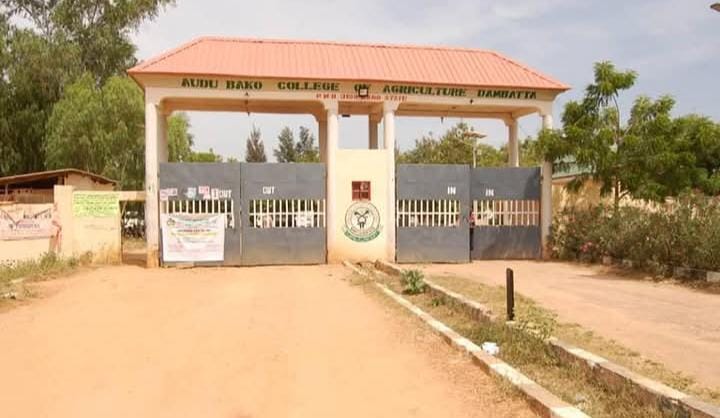
The Federal Ministry of Education and the National Board for Technical Education (NBTE), in collaboration with the TVET Centre Administration of Audu Bako College of Agriculture, Dambatta (ABCOAD), Kano State, have officially launched the Technical and Vocational Education and Training (TVET) Student Orientation Programme at the college. The event, themed “Empowering Youth Through Skills for Sustainable Livelihoods,” was declared open by the Provost of the College, Professor M. A. Wailare, who reaffirmed the institution’s commitment to equipping young Nigerians with practical skills for national development. In his remarks, Professor Wailare said, “Our focus as an academic institution is not only to produce graduates with certificates, but to empower young people with the necessary technical and vocational skills that will make them self-reliant and productive members of society.” Read Also: ABCOAD Secures NBTE Accreditation for 11 ND, HND Programmes He emphasized that the college would continue to collaborate with the Federal Ministry of Education and NBTE to ensure that its training aligns with the country’s evolving socio-economic needs. “The future of Nigeria depends on our ability to turn knowledge into skills and skills into productivity. This TVET programme is a step in that direction, and we are proud to be part of this national effort,” Professor Wailare added. Speaking at the event, the Deputy Provost of the College, Dr. Hassan Ibrahim, commended the Provost and the partners for their vision and leadership in implementing the programme. He described the initiative as a milestone in empowering the next generation of skilled Nigerians. “This orientation marks the beginning of a journey for our students — a journey towards self-discovery, innovation, and sustainability. Technical and vocational education is not an alternative to higher education; it is an essential part of national development,” Dr. Ibrahim stated. He urged the students to embrace the opportunities offered through the programme, saying, “I encourage all participants to take this training seriously. The skills you acquire here will not only secure your future but also contribute to building a stronger and more self-reliant Nigeria.” The orientation programme attracted staff, students, and representatives from the education and vocational training sectors. It marks another milestone in ABCOAD’s mission to strengthen skill-based education and promote sustainable livelihoods for Nigerian youth.

Abuja, National, News

Council of State Approves Prof. Joash Amupitan as New INEC Chairman

The National Council of State has approved the nomination of Professor Joash Ojo Amupitan (SAN) from Kogi State, North-Central Nigeria, as the new Chairman of the Independent National Electoral Commission (INEC). President Bola Ahmed Tinubu presented Amupitan’s name during the Council meeting held at the Presidential Villa, Abuja, on Thursday, following the exit of Professor Mahmood Yakubu, who served as INEC Chairman from 2015 until October 2025. President Tinubu described Professor Amupitan as “a man of integrity and professionalism,” noting that he is the first individual from Kogi State — within the North-Central geopolitical zone — to be nominated for the position. The President further emphasized that Amupitan is non-partisan and possesses the competence and credibility required to strengthen Nigeria’s electoral process. Read Also: Tinubu Presides Over Council of State Meeting at Presidential Villa Council members unanimously endorsed the nomination, with Kogi State Governor, Ahmed Usman Ododo, commending the choice, saying, “Professor Amupitan is a man of integrity whose credentials speak for themselves.” In line with constitutional requirements, President Tinubu will now forward Amupitan’s nomination to the Senate for screening and confirmation. Born on April 25, 1967, Professor Amupitan hails from Ayetoro Gbede in Ijumu Local Government Area of Kogi State. He is a Professor of Law at the University of Jos, Plateau State, where he also serves as Deputy Vice-Chancellor (Administration). A renowned scholar and Senior Advocate of Nigeria since 2014, Amupitan specializes in Company Law, Law of Evidence, Corporate Governance, and Privatisation Law. He earned his LLB and LLM from the University of Jos in 1987 and 1993, respectively, and obtained his PhD in Law from the same institution in 2007. He began his academic career in 1989 after completing his National Youth Service at the Bauchi State Publishing Corporation. Over the years, he has served as Dean of the Faculty of Law (2008–2014), Head of Public Law (2006–2008), and Chairman of the Committee of Deans and Directors (2012–2014). Outside academia, Amupitan has contributed significantly to both public and private sectors. He is the current Pro-Chancellor and Chairman of the Governing Council of Joseph Ayo Babalola University, Osun State, and serves on the boards of Integrated Dairies Limited, the Nigerian Institute of Advanced Legal Studies, and the Council of Legal Education. He has authored several notable legal texts, including Corporate Governance: Models and Principles (2008), Documentary Evidence in Nigeria (2008), Evidence Law: Theory and Practice in Nigeria (2013), and Principles of Company Law (2013). Professor Amupitan is married and blessed with four children. Signed: Bayo Onanuga Special Adviser to the President (Information and Strategy)

National, News

Tinubu Presides Over Council of State Meeting at Presidential Villa

President Bola Ahmed Tinubu is currently presiding over a meeting of the Council of State at the Council Chambers of the Presidential Villa, Abuja. The high-level gathering brings together past and present leaders to deliberate on key national issues, including security challenges and the possible appointment of a new Chairman for the Independent National Electoral Commission (INEC). According to Daily Trust, former Presidents Ibrahim Babangida and Abdulsalami Abubakar, as well as Anambra State Governor Charles Soludo, joined the session virtually. However, some notable former leaders — including General Yakubu Gowon (rtd), Chief Olusegun Obasanjo, and Dr. Goodluck Jonathan — were not sighted at the venue as the meeting moved into a closed-door session. Read Also: Ganduje’s Model of Governance: Building Progress Beyond Politics This marks the second Council of State meeting chaired by President Tinubu, following a similar session held in August 2024. Other key government officials in attendance include Secretary to the Government of the Federation (SGF) George Akume; National Security Adviser (NSA) Mallam Nuhu Ribadu; Attorney General of the Federation and Minister of Justice, Lateef Fagbemi; Chief of Staff to the President; and other senior officials. Also present at the meeting were several state governors, including those of Kwara, Rivers, Enugu, Kano, Kebbi, Kogi, Borno, Ogun, Sokoto, Edo, Kaduna, and Abia States. The Council of State — an advisory body established under the 1999 Constitution — serves to counsel the President on matters of national importance, including policy formulation, appointments, and national security.

Kano, News

Guarantee Radio Kano Appoints Abubakar Balarabe Kofar Naisa as New General Manager

Guarantee Radio Kano has announced the appointment of Abubakar Balarabe Kofar Naisa as the new General Manager of the station, effective October 8, 2025. Kofar Naisa, a seasoned broadcaster and media professional, brings years of experience in broadcasting, media management, and community engagement to the role. His appointment signals a renewed commitment by the station to strengthen its leadership and continue providing high-quality programming that informs, educates, and entertains audiences across Kano State and beyond. Kano Govt Begins Plans for Mass Wedding of 2,000 Couples Upon assuming office on Wednesday, Kofar Naisa expressed gratitude for the confidence reposed in him by the station’s management. He pledged to work collaboratively with staff to uphold Guarantee Radio’s vision of excellence, professionalism, and dedicated public service. He said, “Guarantee Radio has built a strong reputation for credible broadcasting and community impact. I am committed to consolidating these achievements and driving the station toward even greater success.” Guarantee Radio 94.7 FM reaffirmed its commitment to maintaining the highest standards of broadcasting and expressed optimism that Kofar Naisa’s leadership would usher in a new era of innovation and growth for the station.

Kano, News

Kano Govt Begins Plans for Mass Wedding of 2,000 Couples

The Kano State Government has directed the Hisba Board to commence preparations for another round of mass weddings involving no fewer than 2,000 couples across the state. The Deputy Commander-General of the Hisba Board, Sheikh Mujahid Aminudeen, disclosed this in Kano on Thursday, noting that arrangements were already underway in compliance with directives from Governor Abba Kabir Yusuf. “We are planning to conduct a mass wedding for another batch of 2,000 couples as directed by the state government under the leadership of Governor Abba Kabir Yusuf,” Aminudeen said. Read Also: Kano Govt Repositions Bureau of Statistics, Appoints New DG Although he did not specify the date for the ceremony, the official explained that the process would follow several stages, beginning with registration and medical screening. “All prospective couples must register before participating. The medical screening — which includes HIV/AIDS, Hepatitis, genotype, and drug tests — is compulsory, and anyone who fails to complete it will be disqualified,” he stated. Governor Yusuf’s administration reintroduced the mass wedding initiative earlier this year as part of efforts to assist indigent couples, widows, divorcees, and unmarried women who cannot afford the high costs of marriage. According to the Hisba Board, the programme also aims to promote morality, strengthen family values, and reduce social vices such as prostitution and drug abuse among youth and widows in the state.

Business, National, News

Why Cooking Gas Price Soared to ₦2,000 Per Kilogram — Marketers Explain

Nigerians have expressed deep frustration over the sudden surge in the price of cooking gas, which now sells for as high as ₦2,000 per kilogram in some parts of the country. The Nigerian Association of Liquefied Petroleum Gas Marketers (NALPGAM) has attributed the hike to temporary supply disruptions and market exploitation by some operators. Speaking on Channels Television, NALPGAM President, Mr. Oladapo Olatunbosun, clarified that there had been no official increase in the price of Liquefied Petroleum Gas (LPG), blaming the situation on “opportunistic marketers taking advantage of supply gaps” caused by a recent strike by the Petroleum and Natural Gas Senior Staff Association of Nigeria (PENGASSAN), which disrupted operations at the Dangote Refinery. Read Also: FCCPC Raises Alarm Over Chemically Ripened Fruits, Adulterated Foods “I sympathise with Nigerians because we never intended a situation like this,” Olatunbosun said. “Prices have not officially gone up, but some marketers are exploiting the shortage to make quick profits.” Before the increase, LPG sold for between ₦1,200 and ₦1,300 per kilogram, but it now ranges from ₦1,700 to ₦2,000 — and in some areas, up to ₦3,000 — according to market reports. Olatunbosun described the surge as “artificial and temporary,” assuring that supply would soon stabilise. He explained that the problem began when the Dangote Refinery — which had significantly improved domestic supply — suspended truck loading for maintenance. “Before the strike, Dangote sent out about 50 trucks daily, serving the South-West and parts of the North. When maintenance began, loading slowed, and marketers turned to Apapa depots. The strike then halted vessel discharges and inspections, leading to shortages,” he said. Although the strike has been called off and distribution has resumed, the NALPGAM president said it would take time to clear the backlog, particularly in the South-West, which accounts for the largest share of the country’s gas consumption. He further noted that Nigeria’s LPG demand has increased from 1.2 million metric tonnes three years ago to nearly two million tonnes, causing supply strain whenever disruptions occur. Olatunbosun advised consumers to buy gas only from registered and licensed plants to avoid inflated prices by third-party sellers, stressing that the recommended retail price should not exceed ₦1,300 per kilogram at certified outlets. He assured that NALPGAM is working closely with relevant authorities to stabilise supply and restore normal pricing nationwide.

Scroll to Top