
Humanitarian
Zero-Dose Children: BOOST Project, Gezawa Stakeholders Move to Close Immunisation Gaps

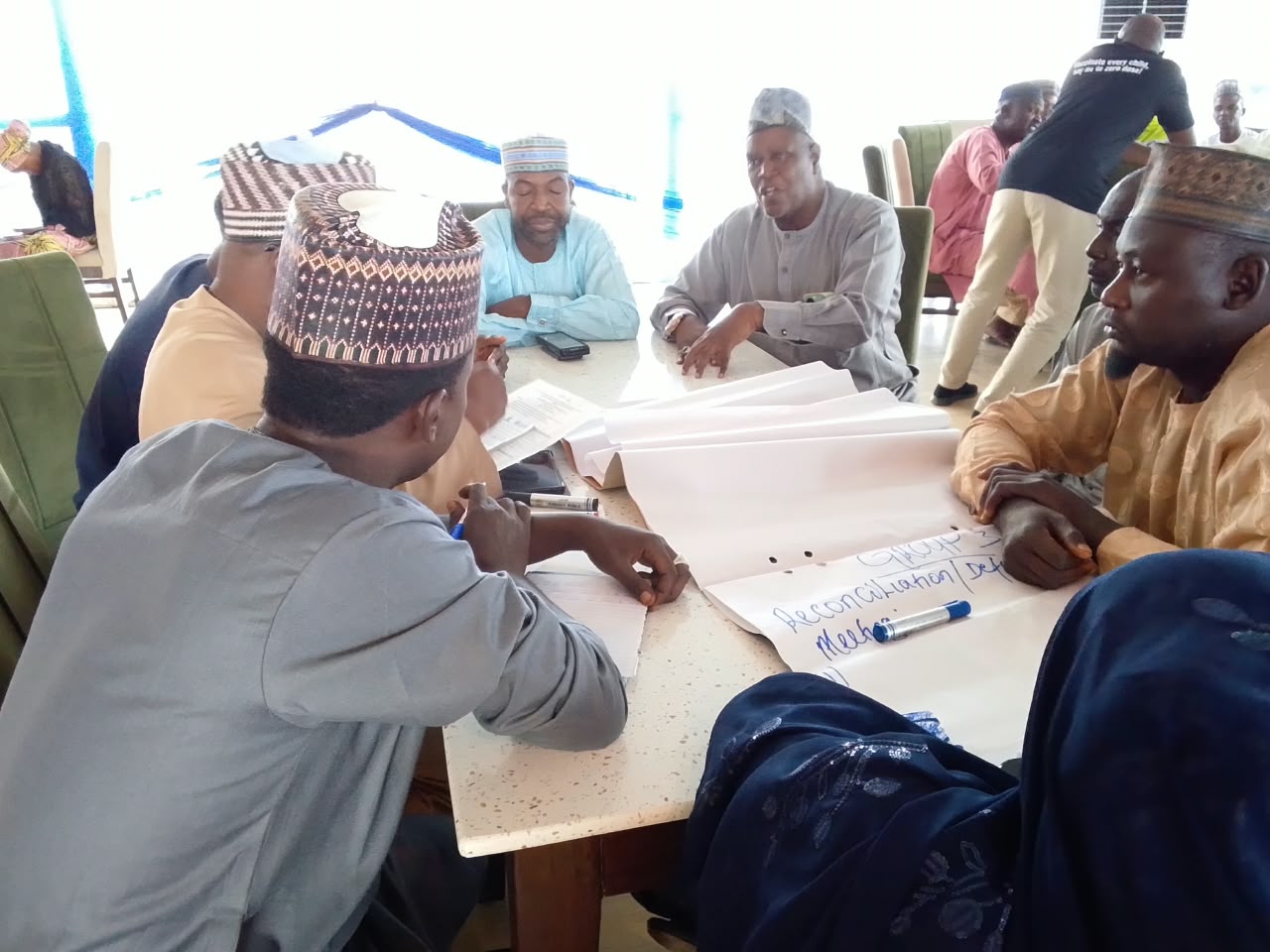
The Better Opportunities for Optimal Services and Targeted Immunisation for Zero-Dose and Under-Immunised Children (BOOST) Project, implemented by Save the Children International with funding support from GSK, has called for stronger efforts to address gaps in routine immunisation and improve children’s access to vaccines in Gezawa Local Government Area of Kano State.
The call was made during a two-day feedback meeting, where health officials and other stakeholders reviewed the project’s progress, identified implementation challenges and discussed measures to improve immunisation services.
The BOOST Project operates in Gezawa and Ungoggo local government areas to reduce the number of zero-dose and under-immunised children, giving more children the opportunity to grow up healthy and protected.
Speaking at the meeting, Project Manager Malam Abdullahi Magama said the engagement was designed to assess activities on the ground, identify challenges and agree on practical steps to improve routine immunisation services.
Read Also:
KANOPOLY: How a medically incapacitated Rector heads a Polytechnic with over 45 PhD holders
BOOST, KN-CoP Partner Nurses to Tackle Zero-Dose, Under-Immunisation in Kano
Kano raises concern over delayed release of approved funds as 2026 nears end
He expressed satisfaction with participants’ willingness to discuss the challenges openly, stressing that honest feedback was essential to achieving better results.
Dr. Nafi’u Muhammad Haruna, the project’s Child Health and Immunisation Officer in Kano, said available statistics presented at state and national levels indicated progress in routine immunisation across the state.
He explained that the meeting also provided an opportunity for stakeholders to assess the project’s impact and identify areas requiring improvement.
Haruna urged parents to prioritise their children’s immunisation rather than wait for incentives before taking them for vaccination.
He identified misconceptions and limited awareness of the benefits of immunisation as major barriers in some rural communities, including Gezawa.
He also raised concerns about cases in which some husbands reportedly prevent their wives from taking children for vaccination, calling on fathers and community leaders to encourage families to embrace immunisation.
Stakeholders seek wider coverage
The Chairman of the Kano Community of Practice on Immunisation (KN-CoP), Salisu Yusuf, called for sustained efforts to protect the gains recorded through immunisation interventions.
He said feedback meetings were essential for reviewing achievements, identifying unresolved challenges and determining which successful interventions could be expanded.
Yusuf stressed that communities should not lose the benefits of such programmes when development partners eventually conclude their interventions.
He called for the expansion of successful approaches to other parts of Kano, noting that 15 local government areas in the state had been identified as facing zero-dose challenges.
He also urged development partners and health organisations to coordinate their activities to avoid duplication and ensure that interventions reach more underserved communities.
Gezawa identifies gaps in immunisation records
The Primary Health Care Coordinator in Gezawa, Ali Uba, said the meeting had exposed discrepancies in programme records that required attention.
He cited figures presented during the review showing 34 RISS entries against 70 mentorship records, describing the difference as a gap that needed to be reconciled.
Uba said he had planned a meeting with the local government health team to review the records and implement corrective measures.
He added that accurate documentation was essential for monitoring progress, identifying weaknesses and ensuring that reported activities reflected what had actually been achieved.
The coordinator urged health workers to carry out their responsibilities honestly and diligently, stressing the importance of accountability in delivering effective immunisation services.
The feedback meeting forms part of efforts to strengthen routine immunisation in Gezawa, with stakeholders emphasising better data management, community awareness and sustained collaboration between health authorities and development partners.
With 15 local government areas in Kano reportedly facing zero-dose challenges, stakeholders said sustaining existing interventions and extending effective approaches to underserved communities would be important in ensuring that more children receive essential vaccines.
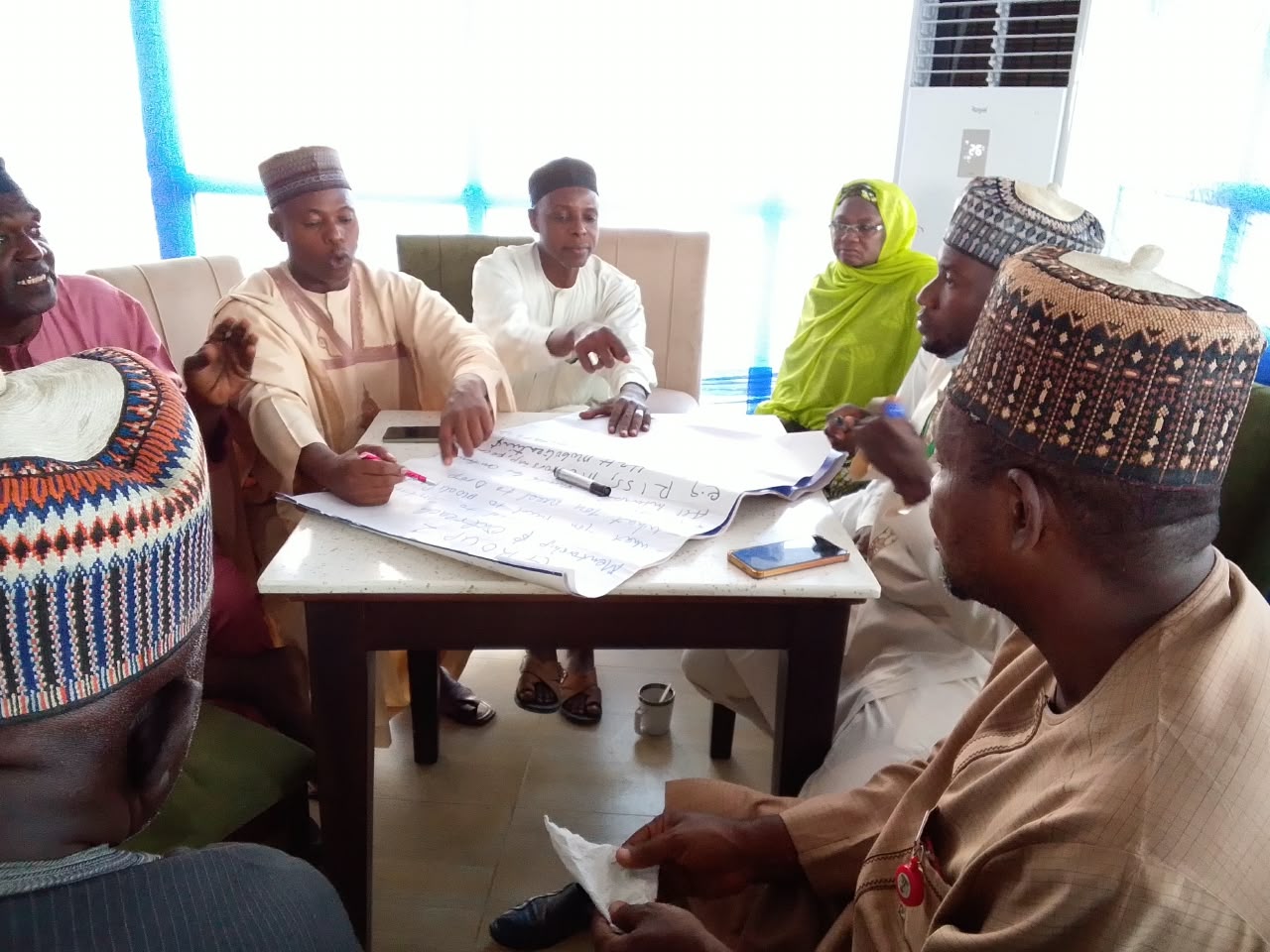
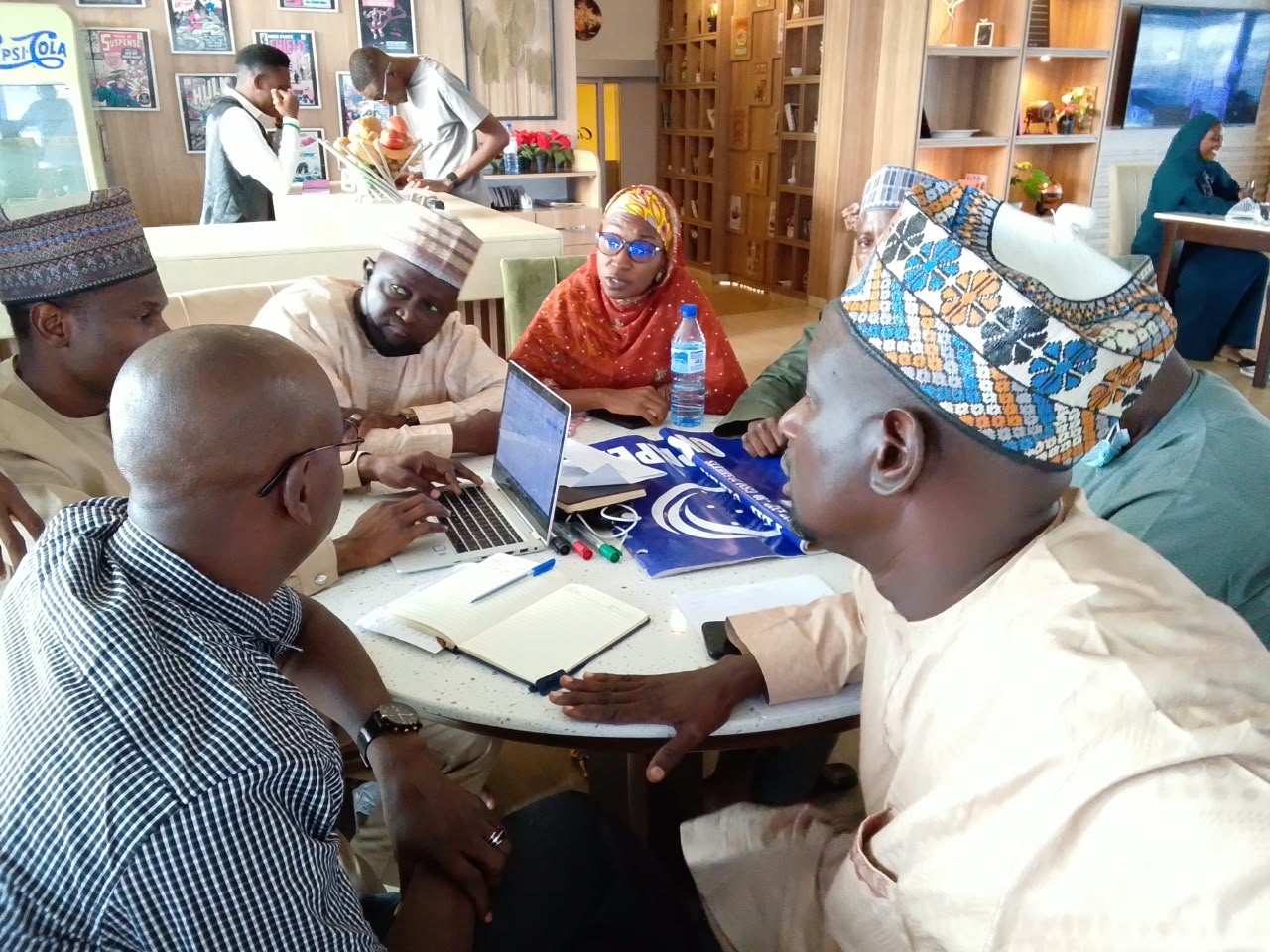
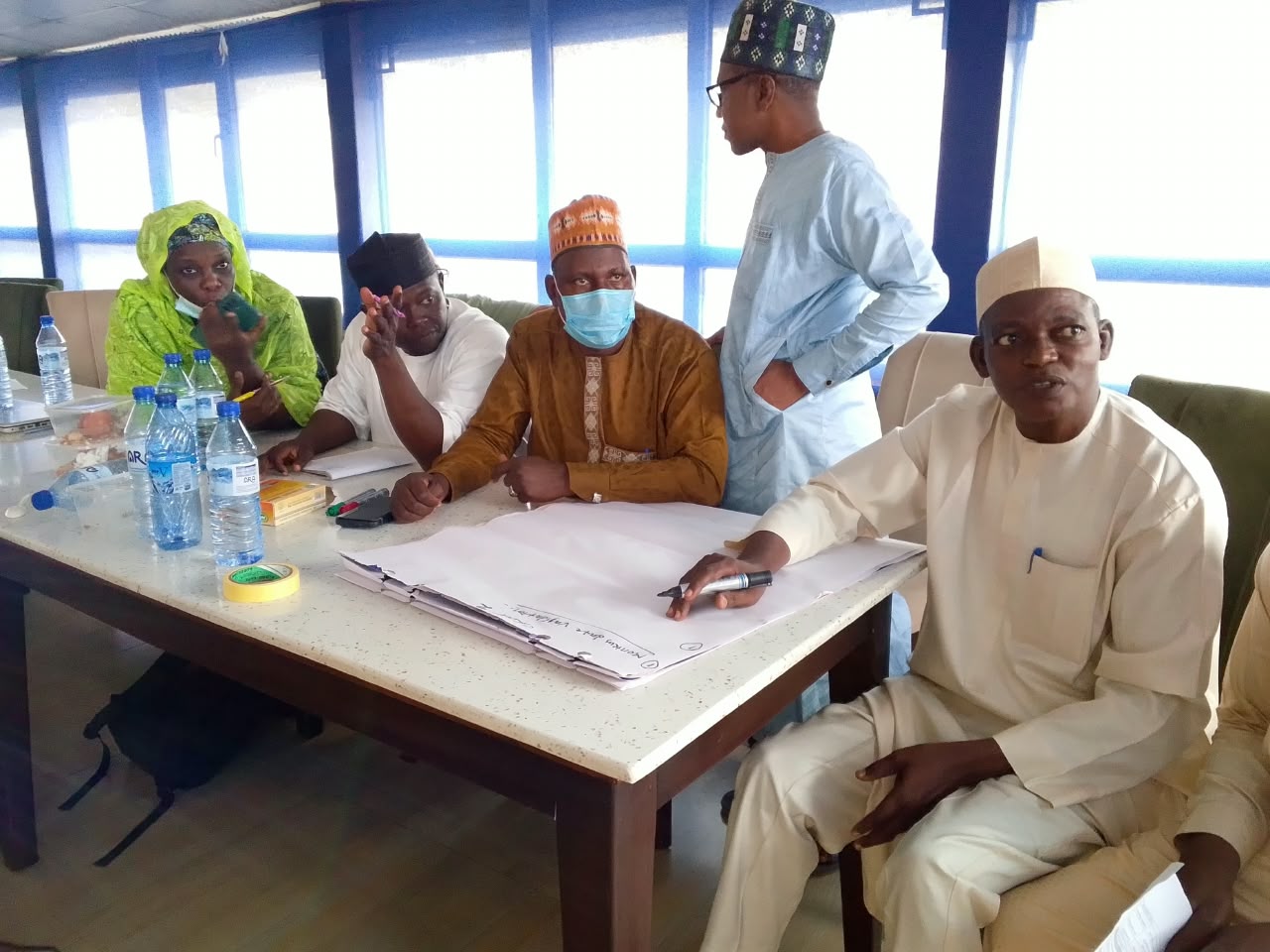
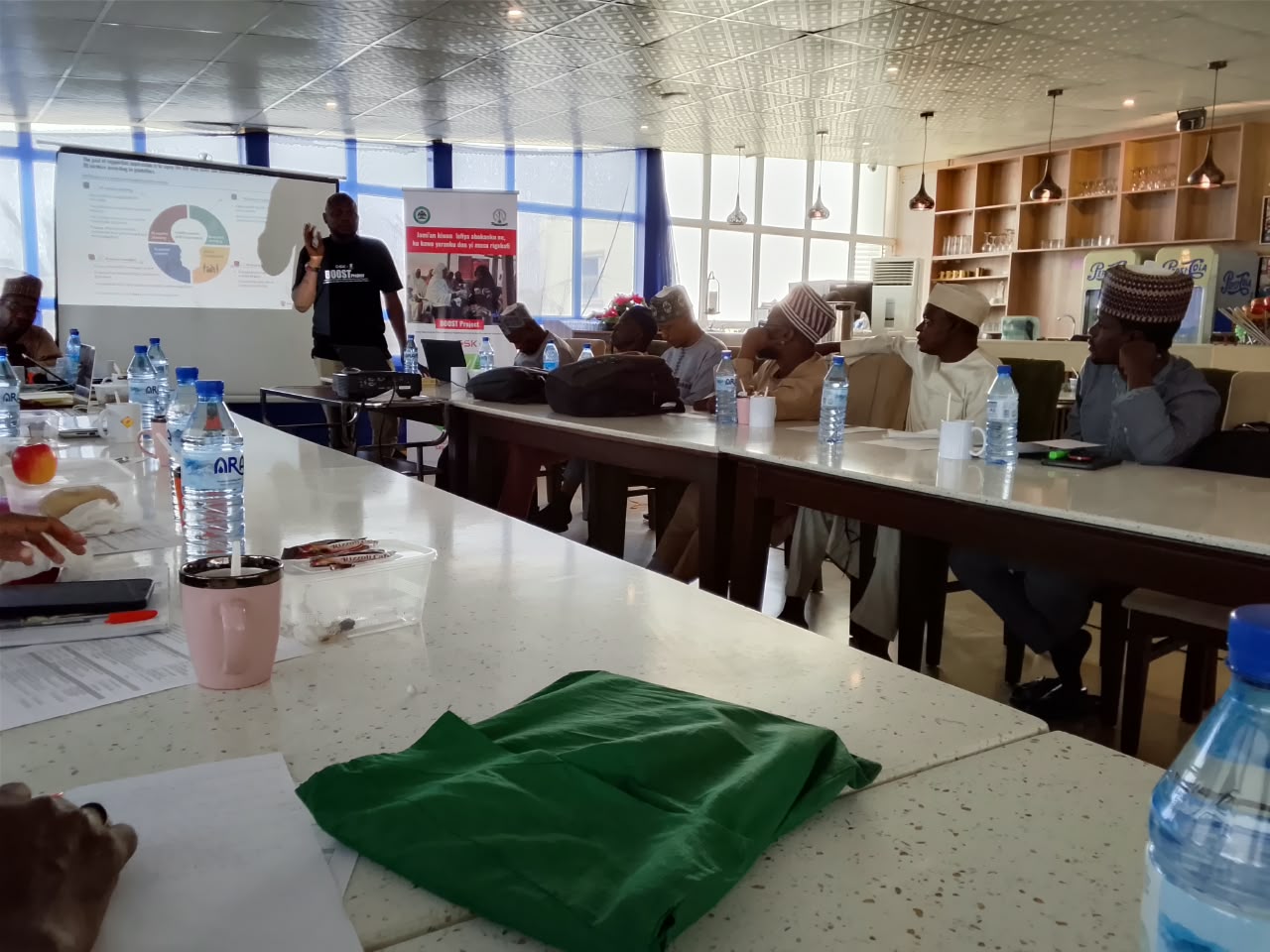
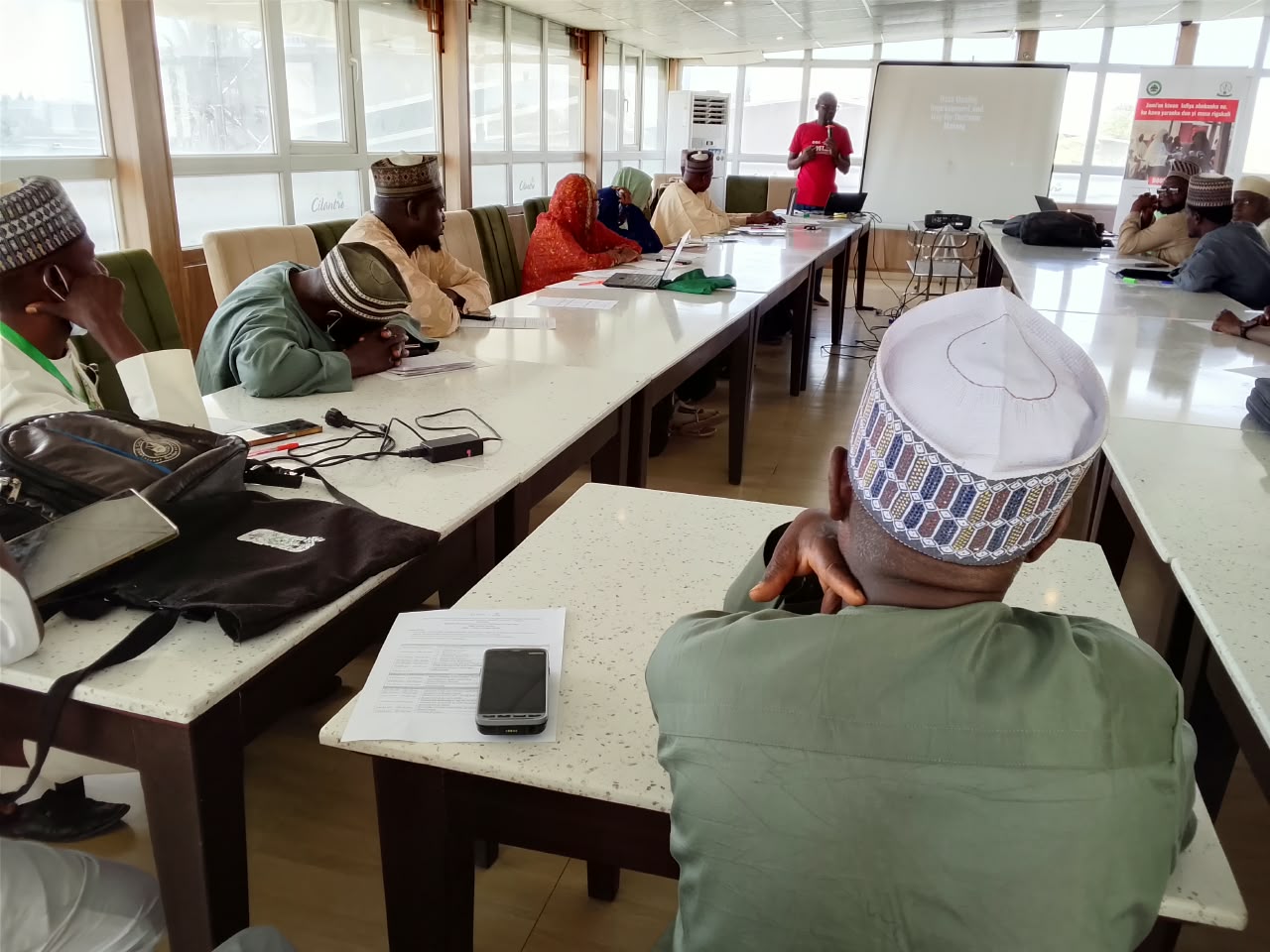
Stakeholders of the BOOST Project during a feedback meeting reviewing immunisation progress and identifying challenges.

Zero-Dose Children: BOOST Project, Gezawa Stakeholders Move to Close Immunisation Gaps

Kano Assembly Passes Bill to Establish State Police

FG offers workers N70,000 monthly transport allowance amid rising living costs

KANOPOLY: How a medically incapacitated Rector heads a Polytechnic with over 45 PhD holders

Mass Education: Kano expands learning centres to over 300, introduces new skills
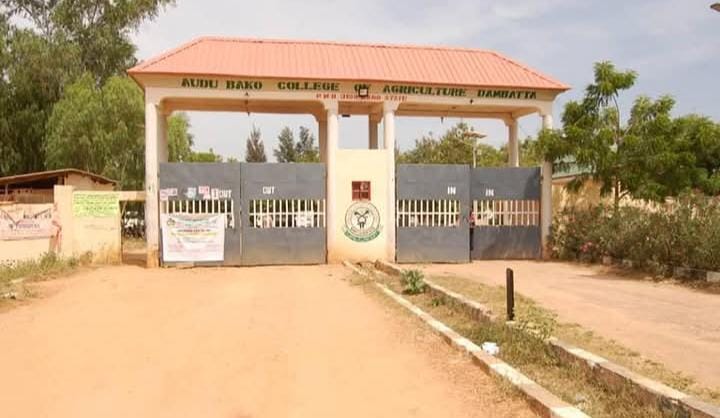
ABCOAD Unveils Journal, Bids Farewell to Provost

Nigerian Army Begins DSSC 29/2026 Recruitment, Outlines Eligibility Criteria
2027: NDC Releases Full List of Consensus Candidates in Kano

Gaya Polytechnic Opens Recruitment, Advertises 46 Academic, Non-Academic Positions

Gaya Polytechnic to Begin with Four Courses as Committee Eyes Year-End Take-Off
-
Feature21 hours ago
KANOPOLY: How a medically incapacitated Rector heads a Polytechnic with over 45 PhD holders
-

 Feature3 days ago
Kano Poly MFB: A bank closed, an investigation launched, but where are the answers?
-
 Kano5 days ago
2027: Kano Governor Names Former Education Commissioner Kiru Campaign Spokesperson II