
National
FG offers workers N70,000 monthly transport allowance amid rising living costs

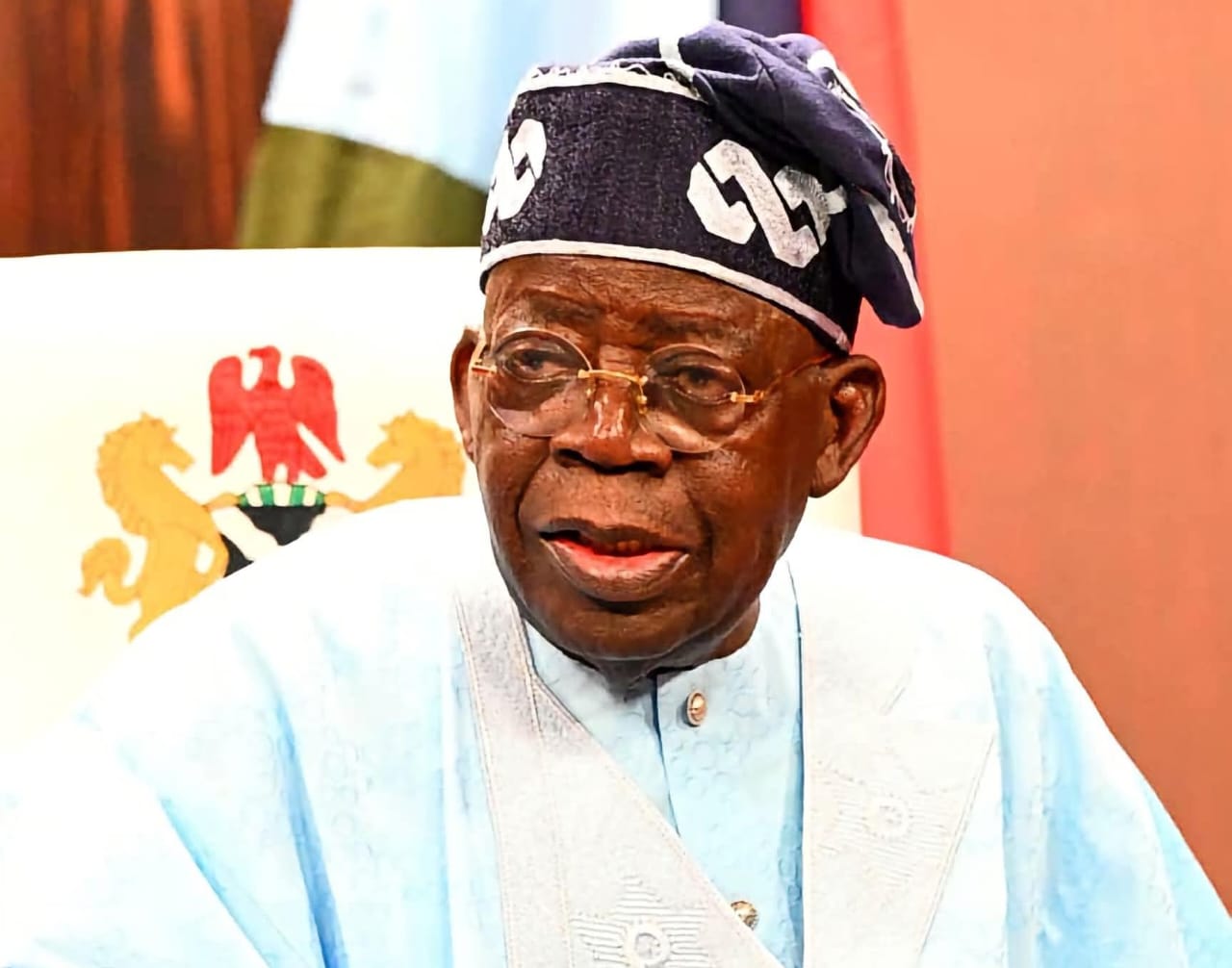
The Federal Government has approved a monthly transport allowance of N70,000 for public service workers across all levels for six months, beginning in November 2026, as part of measures to cushion the impact of rising living costs.
The approval was contained in a memorandum of understanding (MoU) issued after a conciliation meeting between government representatives and leaders of the Nigeria Labour Congress (NLC) in Abuja on Tuesday.
The agreement was signed by Tanimu Yakubu, Director-General of the Budget Office of the Federation; Joe Ajaero, NLC president; Garba Abdul, Permanent Secretary of the Service Welfare Office in the Office of the Head of the Civil Service of the Federation; and Muhammad Dingyadi, Minister of Labour and Employment.
The meeting followed weeks of pressure from organised labour over rising living costs, workers’ welfare and the implementation of outstanding agreements between the government and labour unions.
Read Also:
Atiku to Tinubu: Protect Nigerians, not just your billboards
Kano Poly MFB: A bank closed, an investigation launched, but where are the answers?
Kano APC loses former NPA MD Aminu Dabo
Under the agreement, the government also approved the payment of outstanding peculiar allowance arrears dating back to May 1, 2026. The arrears are to be paid in three equal monthly instalments beginning in November.
However, the parties did not reach an agreement on the effective date for implementing the national minimum wage. Instead, they agreed to establish a committee to negotiate the matter, with discussions expected to begin immediately.
The MoU also addressed outstanding allowances, remuneration for health workers, tax relief measures and hazard allowances for agricultural officers.
According to the document, the NLC leadership expressed concern over the Federal Government’s handling of the issues under discussion.
In response, the government said it respected the congress’s right to advocate improved working conditions for Nigerian workers and was making efforts to address their concerns through structured interventions.
However, the agreement did not specify the exact date each month on which the N70,000 transport allowance would be paid or provide details of the administrative arrangements for its disbursement.
Labour’s Ultimatum and Outstanding Demands
The agreement followed sustained agitation by organised labour over the rising cost of living, partly attributed to high petrol prices.
On Thursday, the NLC extended its ultimatum to the Federal Government until Tuesday, October 27, 2026, demanding action on workers’ welfare and other outstanding issues.
In a statement, Benson Upah, the union’s acting general secretary, said the extension followed a meeting between government representatives and labour leaders that ended without a resolution.
He explained that the meeting was adjourned at the request of the Minister of Labour to allow the government to assemble relevant ministers and heads of departments and agencies for further discussions.
Among the union’s demands were a reduction in petrol prices to 2024 levels, renegotiation of the national minimum wage and implementation of agreed tax relief measures.
The NLC also called for the implementation of the terms of settlement reached with the Joint Health Sector Unions and Assembly of Healthcare Professionals (JOHESU), as well as the resolution of outstanding demands presented by the Joint Public Sector Negotiating Council (JPSNC).
According to Upah, the unresolved JPSNC issues included peculiar allowances, wage awards and hazard allowances.
The union maintained that it remained committed to dialogue but would not accept indefinite delays in addressing workers’ demands.

FG offers workers N70,000 monthly transport allowance amid rising living costs
KANOPOLY: How a medically incapacitated Rector heads a Polytechnic with over 45 PhD holders

Mass Education: Kano expands learning centres to over 300, introduces new skills

Kano Civil Service: Govt moves to address manpower gaps through recruitment
2027: Ganduje and APC heavyweights prepare for a defining political contest
ABCOAD Unveils Journal, Bids Farewell to Provost

Nigerian Army Begins DSSC 29/2026 Recruitment, Outlines Eligibility Criteria
2027: NDC Releases Full List of Consensus Candidates in Kano

Gaya Polytechnic Opens Recruitment, Advertises 46 Academic, Non-Academic Positions

Gaya Polytechnic to Begin with Four Courses as Committee Eyes Year-End Take-Off
-
 Kano7 days ago
Kano Governor Nominates Retired Air Commodore, Professor, Four Others as Commissioners
-
 Feature3 days ago
Kano Poly MFB: A bank closed, an investigation launched, but where are the answers?
-
Feature11 hours ago
KANOPOLY: How a medically incapacitated Rector heads a Polytechnic with over 45 PhD holders