Kano
Kano’s Strategic Turn: Federal Partnership Begins to Yield Tangible Gains

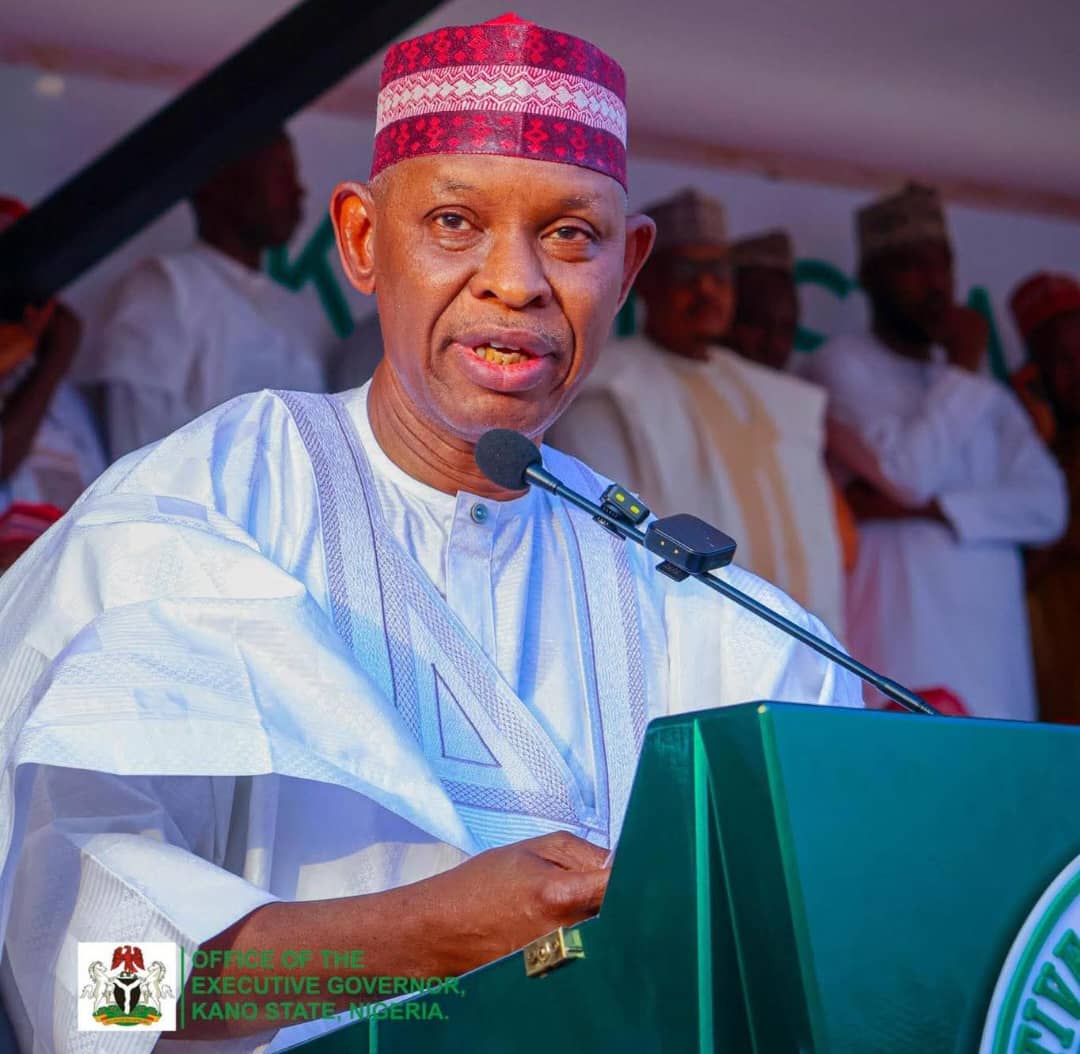
By Ibrahim Abdullahi Waiya
When Governor Abba Kabir Yusuf made the bold decision to align Kano State with the Federal Government under President Bola Ahmed Tinubu, reactions were swift and divided. Critics questioned the political implications, while others framed it as a departure from past loyalties. Yet, beneath the noise lay a central objective: prioritising the welfare and economic advancement of the people of Kano State.
In less than a year, Kano has transitioned from a politically constrained position to one of strategic relevance within Nigeria’s federal structure. The state is now witnessing increased federal presence, investments, and institutional goodwill—developments that were previously limited under a less cooperative framework.
A major indicator of this shift is the forthcoming launch of the Energise Commercialisation Now (ECoN) initiative, a federal programme spearheaded by the Ministry of Innovation, Science and Technology. Scheduled to hold in Kano from April 23 to 25, 2026, the choice of Kano as the host city underscores its renewed status as a commercial and industrial hub in Northern Nigeria.
The initiative aims to identify viable innovations, connect them with investors, and scale them into productive enterprises capable of creating jobs and stimulating economic growth. For a state with a rich entrepreneurial culture and a large youth population, the programme presents significant opportunities for transformation.
Read Also:
APC Stakeholders Back Engr. Bichi for Kano Deputy Governor Slot
APC Stakeholders Back Rurum for Kano Deputy Governor Slot
The expected presence of the First Lady of Nigeria, Senator Oluremi Tinubu, further highlights the importance attached to Kano in the current national development agenda. Her participation signals strong federal endorsement and reinforces Kano’s emerging role in Nigeria’s economic repositioning.
For ordinary citizens, the implications are practical and far-reaching. Entrepreneurs, artisans, and young innovators across communities—from Fagge to Tarauni, Nasarawa to Ungogo—now have access to platforms that can translate ideas into viable businesses. Academic institutions, long limited to theoretical output, are also being integrated into a system that promotes commercial application of research.
This approach aligns with the governor’s Kano First Agenda, which places citizens’ welfare at the core of governance. The administration has consistently maintained that decisions are guided by public interest rather than political considerations, positioning governance as a tool for development rather than control.
The outcomes of this strategy are increasingly measurable. The state’s 2026 budget, valued at ₦1.477 trillion, allocates 68 percent to capital projects, reflecting a strong infrastructure focus. Social investment programmes have seen over ₦334 million disbursed to women across all 44 local government areas, while youth empowerment initiatives have attracted over ₦800 million in funding.
In the education sector, Kano’s performance in the 2025 NECO examinations marked a significant milestone, while the health sector has benefited from an allocation of ₦212.2 billion, supporting expanded healthcare access and new initiatives such as the Abba Care Scheme. Infrastructure development, with over ₦346.2 billion allocated, spans roads, housing, solar lighting, and market upgrades statewide.
These developments reflect a governance model that emphasises measurable impact, transparency, and long-term planning. They also demonstrate how strategic political decisions can translate into tangible economic and social benefits when aligned with clear developmental goals.
As Kano prepares to host national attention with the ECoN initiative, the broader narrative is becoming evident: the state’s engagement with the Federal Government is not merely political—it is economic, strategic, and people-focused.
At its core, the administration’s approach underscores a simple but defining principle: governance must deliver real value to the people. For Kano, that value is beginning to take shape in the form of opportunities, investments, and renewed economic vitality.

Kano Poly MFB: A bank closed, an investigation launched, but where are the answers?

Tinubu’s Kaduna Campaign Eve: Dan’agundi leads thousands of supporters to governor Uba Sani in Massive show of solidarity

Gwarzo’s exclusion: NDC races against time as INEC deadline nears

2027: Mariya Bunkure takes key women affairs role in Kano APC campaign
ABCOAD Unveils Journal, Bids Farewell to Provost

Nigerian Army Begins DSSC 29/2026 Recruitment, Outlines Eligibility Criteria
2027: NDC Releases Full List of Consensus Candidates in Kano

Gaya Polytechnic Opens Recruitment, Advertises 46 Academic, Non-Academic Positions