Kano
First Lady in Kano: What Senator Oluremi Tinubu’s Visit Tells Us About Abuja’s Commitment to Kano’s Industrial Future

By Saminu Umar, Ph.D
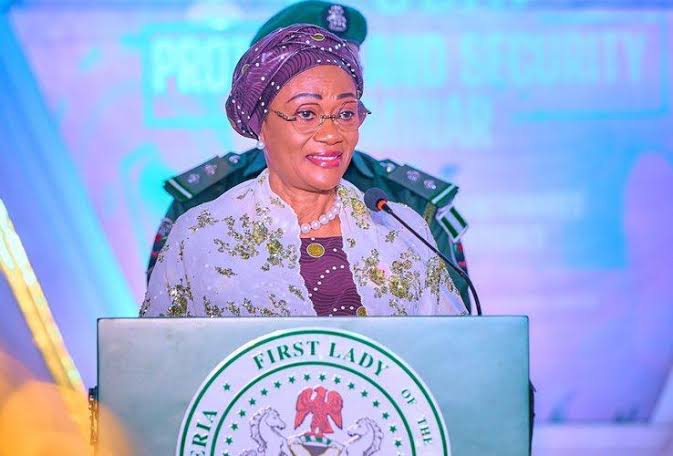
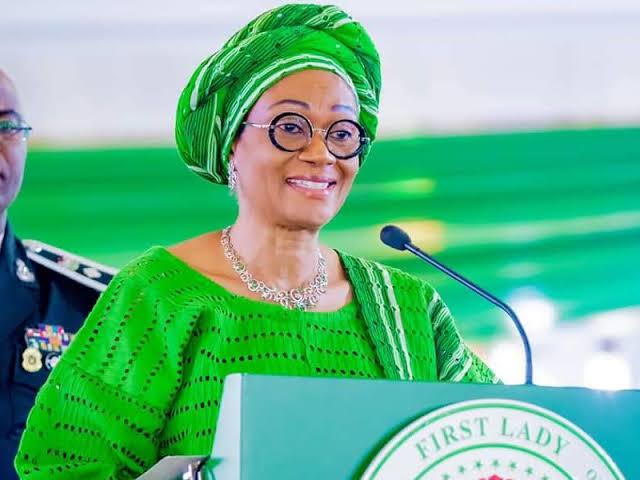
In the entire history of Kano State, few moments have carried the weight of symbolic and substantive significance that April 23, 2026 promises to deliver. On that day, Her Excellency Senator Oluremi Tinubu will stand in Nigeria’s most commercially historic city—not as a visitor passing through, but as the personal representative of a presidency that has made a deliberate and far-reaching commitment to Kano’s industrial future.
For a state that hosts one of West Africa’s busiest commercial ecosystems—spanning leather, textiles, agriculture, and trade—the timing of this commitment could not be more critical.
It is important to establish from the outset that Senator Tinubu is not a conventional First Lady. Unlike the largely ceremonial roles historically associated with the office, she brings a wealth of legislative experience, having served as Senator representing Lagos Central. Her background in governance, policy, and social development positions her as an active participant rather than a passive observer in national programmes.
This distinction became evident when the Honourable Minister of Innovation, Science and Technology, Kingsley Tochukwu Udeh, formally engaged her to champion the Energise Commercialisation Now (ECoN) initiative. Her acceptance was not symbolic—it was strategic. She is not merely attending the Kano event; she is leading it.
To understand the significance of this visit, one must first understand Kano itself.
Read Also:
Kano’s Strategic Turn: Federal Partnership Begins to Yield Tangible Gains
CITAD Distributes School Materials to Nomadic Pupils in Kano, Urges Increased Govt Intervention
APC Stakeholders Back Engr. Bichi for Kano Deputy Governor Slot
With a population exceeding 20 million, Kano remains Nigeria’s most populous state and a historic commercial hub. Kurmi Market, one of West Africa’s oldest trading centres, once served as a terminal for trans-Saharan trade routes. The ancient Kofar Mata Dye Pits continue to symbolize the city’s enduring leather industry, while its agricultural base stretches across 44 local government areas.
Yet despite these advantages, Kano has long underperformed relative to its potential—largely due to political isolation from the federal centre.
That trajectory is now changing.
Governor Abba Kabir Yusuf’s decision to align with the Federal Government under President Bola Ahmed Tinubu has repositioned Kano as a strategic partner in national development. The launch of the ECoN initiative in Kano is one of the clearest indicators of this shift.
The programme, structured over three days, moves from policy engagement to innovation discovery and finally to investment mobilisation. For Kano, the implications are profound.
Innovators from institutions such as Bayero University Kano and other academic and entrepreneurial hubs will gain unprecedented access to investors, development finance institutions, and global partners. For many, it represents their first real opportunity to transition ideas into scalable enterprises.
Beyond innovation, the initiative holds promise for revitalising Kano’s industrial clusters, including Sharada, Bompai, and Challawa—areas long constrained by infrastructure and financing challenges.
Crucially, Kano is not approaching this opportunity unprepared.
The state’s ₦1.477 trillion 2026 budget—the largest in its history—allocates significant resources to education, infrastructure, and healthcare. Investments in security, agriculture, and climate initiatives further demonstrate a deliberate effort to build a conducive environment for economic growth.
These are not abstract policies; they are measurable commitments that position Kano to fully leverage federal partnerships.
The First Lady’s visit, therefore, is more than ceremonial. It is a signal—clear and unmistakable—that Kano is now firmly within Abuja’s development priorities.
It also sends a broader message across Nigeria: that constructive engagement with the federal centre yields tangible dividends.
For stakeholders across the North West and beyond, the lesson is evident—alignment, preparedness, and strategic governance are key to unlocking federal opportunities.
History does not always announce itself loudly. Sometimes, it arrives quietly—through a three-day programme in a city long poised for resurgence.
When Senator Oluremi Tinubu steps into Kano on April 23, she will not merely be launching an initiative. She will be opening a new chapter in the state’s industrial journey—one defined by renewed hope, strategic partnership, and the promise of shared prosperity.

Kano Poly MFB: A bank closed, an investigation launched, but where are the answers?

Tinubu’s Kaduna Campaign Eve: Dan’agundi leads thousands of supporters to governor Uba Sani in Massive show of solidarity

Gwarzo’s exclusion: NDC races against time as INEC deadline nears

2027: Mariya Bunkure takes key women affairs role in Kano APC campaign
ABCOAD Unveils Journal, Bids Farewell to Provost
Nigerian Army Begins DSSC 29/2026 Recruitment, Outlines Eligibility Criteria
2027: NDC Releases Full List of Consensus Candidates in Kano

Gaya Polytechnic Opens Recruitment, Advertises 46 Academic, Non-Academic Positions