Kano
Beyond Politics: How the Kano State Government is Turning Federal Partnership into Tangible Economic Gains for Ordinary Citizens

By Saminu Umar, Ph.D, Senior Lecturer, Department of Information and Media Studies, Bayero University, Kano
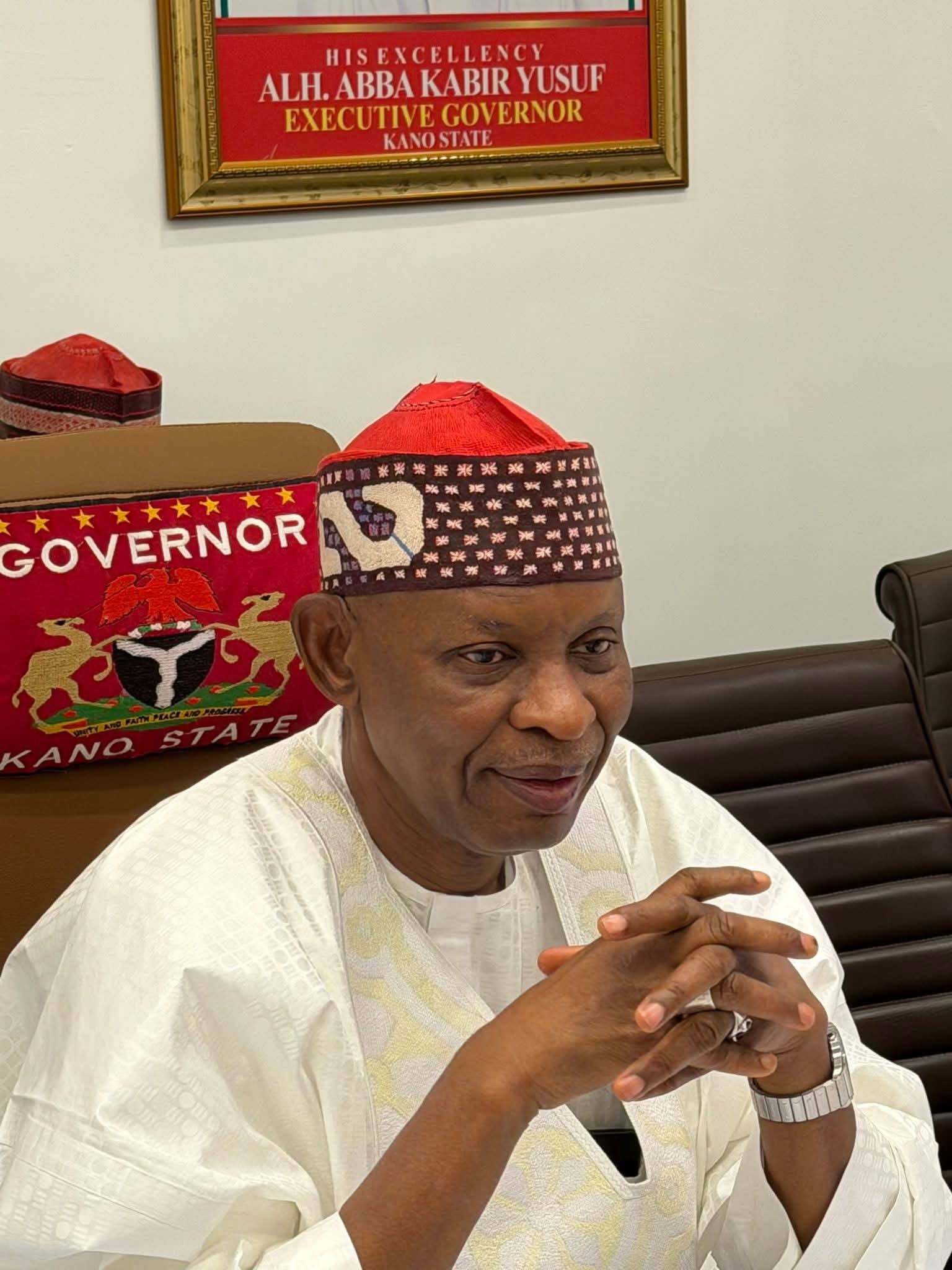
When Governor Abba Kabir Yusuf made the bold decision to align Kano State with the Federal Government under President Bola Ahmed Tinubu, reactions were swift and deeply divided. Critics described it as political betrayal, while others framed it as opportunism. Yet, beneath the noise lay a singular motivation: advancing the welfare of ordinary Kano citizens—from market traders in Kurmi to small business owners in Farm Centre, widowed mothers in Dawakin Tofa, and unemployed graduates in Gwale.
In less than a year, Kano has transitioned from perceived political isolation to a state strategically positioned within Nigeria’s development framework. Federal presence and investment have increased significantly, reflecting a shift from politically constrained governance to a more collaborative approach driven by public interest. For a state of Kano’s historical, commercial, and demographic importance, this repositioning signals a return to relevance at the national level.
A defining example of this renewed partnership is the forthcoming Energise Commercialisation Now (ECoN) initiative, spearheaded by the Federal Ministry of Innovation, Science and Technology under the leadership of Kingsley Tochukwu Udeh. Scheduled for April 23–25, 2026, the programme will be launched in Kano, underscoring the state’s significance as Northern Nigeria’s commercial hub.
The initiative aims to transform viable innovations into scalable enterprises by linking innovators with investors and manufacturers. For Kano—home to a thriving informal economy, a dense network of SMEs, and a youthful population—this represents a rare opportunity to convert ideas into jobs and sustainable wealth.
Read Also:
APC Stakeholders Back Engr. Bichi for Kano Deputy Governor Slot
KASSOSA, DMCSA Distribute N1.5m Drugs to Science Schools in Kano, Jigawa
CITAD Distributes School Materials to Nomadic Pupils in Kano, Urges Increased Govt Intervention
Adding further weight to the event is the expected presence of Oluremi Tinubu, whose attendance signals strong presidential backing. In Nigeria’s political context, such high-level engagement reflects deliberate federal recognition of Kano’s strategic importance.
Beyond symbolism, the initiative offers practical benefits. Entrepreneurs, artisans, and graduates across Kano’s local governments stand to gain access to funding, mentorship, and markets. Institutions of higher learning can commercialise research outputs, while local industries—from textiles in Kofar Mata to leatherworks in Yan Kaba—can integrate into broader industrial value chains.
This development aligns with Governor Yusuf’s Kano First Agenda, which prioritises people-centred governance over political considerations. The administration maintains that every policy decision is guided by accountability to the citizens rather than allegiance to political structures.
The outcomes of this approach are increasingly measurable. The 2026 budget, valued at ₦1.477 trillion with 68 percent allocated to capital projects, reflects a strong development focus. Social interventions have seen over ₦334 million disbursed to 6,680 women across all 44 local government areas, while youth empowerment programmes exceeding ₦800 million have supported more than 5,300 beneficiaries. In education, Kano’s top ranking in the 2025 NECO results signals progress in human capital development. The health sector has received ₦212.2 billion, alongside expanded healthcare initiatives, while ₦346.2 billion has been allocated to infrastructure, including roads, housing, and market upgrades.
As Kano prepares to host the First Lady and national stakeholders, the implications are clear. The state’s alignment with the Federal Government is beginning to translate into visible socio-economic gains. For many residents, the shift is less about politics and more about opportunity—access to jobs, improved services, and a pathway toward sustainable development.
Ultimately, the evolving partnership underscores a central message: governance, when driven by strategic collaboration and focused on citizens’ welfare, can move beyond political rhetoric to deliver tangible results.

Tinubu’s Kaduna Campaign Eve: Dan’agundi leads thousands of supporters to governor Uba Sani in Massive show of solidarity

Gwarzo’s exclusion: NDC races against time as INEC deadline nears

2027: Mariya Bunkure takes key women affairs role in Kano APC campaign

2027: Kano Governor Names Former Education Commissioner Kiru Campaign Spokesperson II

Sa’adatu Rimi College of Education Hosts NCCE Training as Experts Push Practical Agricultural Education
ABCOAD Unveils Journal, Bids Farewell to Provost

Nigerian Army Begins DSSC 29/2026 Recruitment, Outlines Eligibility Criteria
2027: NDC Releases Full List of Consensus Candidates in Kano

Gaya Polytechnic Opens Recruitment, Advertises 46 Academic, Non-Academic Positions