The Historica Nigeria

Jigawa

Jigawa, News

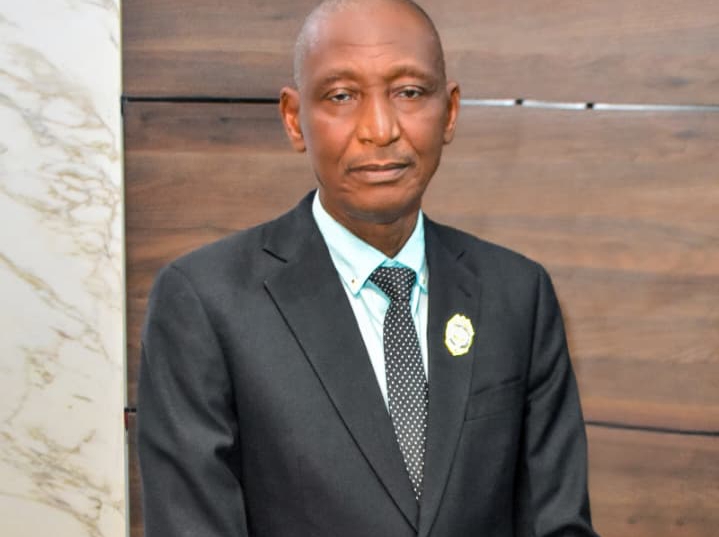
ICAN Dutse District Society Elects New Executive Committee

By Nura Garba, Dutse The Institute of Chartered Accountants of Nigeria (ICAN), Dutse District Society, has elected a new executive committee to lead the affairs of the district and advance the objectives of the accounting profession in Jigawa State. The newly elected executives are led by Umar Idris Abdullahi, who emerged as Chairman of the District Society. Other members of the executive committee include Dr. Nasir Sabo Idris as Vice Chairman, Musbahu Inuwa Adam as General Secretary, Fatima Gana Mustapha as Treasurer, Muhammad Mahe Usman as Financial Secretary, Dr. Umar Shehu as Technical Secretary, Bashir Musa Idris as Membership Secretary, Surajo Muhammad Abdulwahab as Social/Publicity Secretary, Abdullahi Garba Abubakar as Assistant General Secretary, and Fatima Buba Aliyu as Representative of the Society of Women Accountants of Nigeria (SWAN). The election was conducted by the Electoral Committee (ElecCom) under the chairmanship of Alhaji Garba Muhammad Dutse, a former District Chairman of the society. Speaking after the exercise, Alhaji Garba Muhammad Dutse expressed satisfaction with the peaceful conduct of the election, describing the process as free, fair, transparent, and credible. Read Also: Associate Professor Amina Ganduje’s Quiet March into Nigeria’s Intellectual Elite He commended members of the society for their maturity, cooperation, and commitment to the democratic process, which contributed to the successful outcome of the election. He also congratulated the newly elected executives and urged them to work collectively toward advancing the goals and aspirations of the district society. Alhaji Garba Muhammad Dutse further expressed appreciation to the Governor of Jigawa State, Malam Umar Namadi, a member of ICAN, for his continued support and encouragement to the ICAN Dutse District Society. He noted that the governor’s contributions and commitment to professional development have significantly enhanced the activities and growth of the district society. In his remarks, the newly elected Chairman, Umar Idris Abdullahi, thanked members for the confidence reposed in him and the new executive team. He pledged to provide purposeful leadership, promote professional excellence, strengthen member engagement, and build on the achievements of previous administrations. Members of the society expressed confidence in the new leadership and optimism that the executive committee would continue to uphold the ideals of ICAN while fostering professional growth and development among accountants in Jigawa State and beyond.

Jigawa, News, Politics

Former Police Chief Gumel Eyes House of Reps Seat in Jigawa

A retired Deputy Inspector-General of Police, Muhammad Husaini Gumel, has declared his intention to contest for the House of Representatives seat representing Gumel, Maigatari, Gagarawa and Sule Tankarkar Federal Constituency of Jigawa State under the platform of the All Progressives Congress. Gumel made the declaration in Gumel while addressing journalists, stating that his decision followed persistent calls from constituents urging him to bring his experience to the legislative arm of government. He attributed his ambition to the “encouragement and visible achievements” of President Bola Ahmed Tinubu and Jigawa State Governor, Umar Namadi, noting that their strides in infrastructure, social services, and human development inspired his move into politics. According to him, the performance of both leaders justifies their re-election bids, as he called on Nigerians to support the APC for continuity and sustained development. Read Also: Photos: KASPA Leads Kano Delegation on Learning Visit to Jigawa Social Protection Programmes Kano Hosts Presidential Media Tour, Unveils Federal and State Projects Kano Govt to Commission Dan Agundi Flyover, Underpass in May The former police chief described his entry into the race as a significant step toward addressing challenges in security, governance, and sustainable development within the constituency. Gumel, who previously served as Commissioner of Police in Kano State, recalled introducing the Problem-Oriented Policing (POP) model, which he said contributed to restoring peace and tackling youth-related crimes. Outlining his legislative priorities, he pledged to focus on youth development, healthcare, education, women empowerment, and support for persons with special needs, alongside infrastructure and human capital development. He also promised to leverage his national and international networks to attract federal projects in key sectors such as roads, agriculture, education, and healthcare, while expanding empowerment opportunities for youths and women. “My years in security have taught me that lasting peace is built on opportunity, dignity, and inclusion,” he said.

Humanitarian, Jigawa, Kano, News

Social Protection Training Highlights Need for Data, Policy Review in Kano

Stakeholders in Kano’s social protection sector have called for improved data systems, policy review, and stronger government funding to enhance the delivery of programmes aimed at addressing child poverty and human development challenges. The call was made during a three-day capacity-building training on child poverty data generation, policy design, and implementation held in Dutse, Jigawa State. The exercise was organised by the Kano State Social Protection Agency (KASPA ) with support from the UNICEF Kano Field Office. Presenting a paper on Kano State Social Protection Policy, Dalhatu Danladi, a Director from the Ministry of Livestock, outlined key policy objectives, strategies, and implementation frameworks. He stressed the need for officials across relevant agencies to understand the roadmap for executing social protection programmes effectively. “This will be the only way to achieve the desired results. Having a clear understanding of the fundamentals is paramount,” Danladi said. Read Also: Kano, Katsina, Jigawa Record High Child Poverty Rates — UNICEF Cash Transfer Hits 609,000 in Kano as Yusuf Commends Programme Kano Leads North-West Social Protection Drive With Joint Action Plan He added that the state’s social protection policy document requires periodic review to reflect current realities, noting that outdated provisions should be removed while emerging needs to be incorporated. Danladi also emphasised the importance of deploying limited financial resources based on accurate and reliable data, describing it as essential for effective programme implementation. In her remarks, a Social Protection Specialist with UNICEF Kano Field Office, Fatimah Musa, urged officials of KASPA to adhere strictly to established frameworks designed to guide the agency’s operations. She highlighted the need for a functional monitoring system, including a digital dashboard and a Management Information System, to track interventions, identify gaps, and improve service delivery. “KASPA needs a dashboard to monitor social protection interventions, assess progress, and identify gaps. A functional MIS will greatly enhance performance,” she said. Musa further advised social protection agencies to reduce overdependence on donor funding and engage government authorities to secure adequate financing for their programmes. She also called on ministries, departments, and agencies to prioritise budget advocacy to ensure sufficient allocation of resources for implementing policies aimed at improving the welfare of vulnerable populations.

Feature, Jigawa, Kano, National

Emulating Grassroots Empowerment: Lessons from Professor Hafsat Ganduje’s Model

By Umar Idris Shuaibu In Nigeria’s evolving socio-political landscape, conversations around women’s empowerment have become increasingly prominent. Yet, beyond policy declarations and public rhetoric, the real question remains: how do we translate these conversations into measurable impact at the grassroots? From my observation and experience within the political space, one model that stands out is that championed by Hafsat Abdullahi Umar Ganduje during her tenure as First Lady of Kano State. Her approach offers practical lessons on how empowerment initiatives can move from symbolic gestures to transformative interventions. What distinguished her initiatives was not merely their visibility but their structure and sustainability. Rather than focusing on one-off distributions, her programmes were built around capacity development—skills acquisition, support for small-scale enterprises, and community-driven engagement. These were not just interventions; they were pathways to self-reliance. Thousands of women, particularly at the grassroots level, benefitted from these programmes. Many transitioned from economic vulnerability to stability, establishing small businesses and contributing meaningfully to their households and communities. This is the essence of empowerment—not temporary relief, but lasting independence. Read Also: Kano Lawmakers Set Date to Screen Murtala Garo as Deputy Governor Why Kano APC Backs Ganduje, Declares Him ‘Undisputed Leader’ of the Party What to Know About Kano’s Deputy Governor Nominee, Murtala Sule Garo It is important to emphasise that Nigeria is not lacking in capable women. Across governance, business, and civil society, there are influential women with the capacity to drive change. However, the challenge lies in aligning efforts toward models that have already demonstrated success. Too often, empowerment programmes are reduced to short-term activities that generate publicity but fail to produce enduring outcomes. Sustainable empowerment requires structure, monitoring, and continuity. These were key strengths of the Ganduje model—initiatives designed not just to start, but to endure and deliver measurable results over time. The socio-economic realities in many parts of Nigeria, particularly in the northern region, demand deliberate and well-coordinated interventions. Limited access to economic opportunities has continued to affect women disproportionately. Addressing this requires more than good intentions; it requires proven strategies. By scaling grassroots empowerment models like the one pioneered by Professor Hafsat Ganduje, there is a real opportunity to tackle poverty, reduce unemployment, and drive inclusive economic growth. When women are equipped with skills, supported with resources, and guided through structured programmes, the ripple effects extend beyond individuals to families, communities, and the nation at large. There is also a need for collaboration. Women leaders—whether in politics, entrepreneurship, or professional fields—must begin to share knowledge, align strategies, and build on existing frameworks. Transformation becomes more achievable when efforts are coordinated rather than fragmented. Equally important is the role of experienced individuals who understand grassroots realities. Their involvement can help shape programmes that are not only impactful but also responsive to the needs of the people they are designed to serve. This is not about reinventing the wheel. It is about recognising what works and expanding its reach. The template exists. What is required now is the will to adopt, adapt, and scale it. As Nigeria continues to pursue inclusive development, empowering women at the grassroots must remain a central priority. And if we are to achieve meaningful progress, we must look beyond words and embrace models that have already proven their worth.

Education, Jigawa, News

Eid-el-Fitr: FCA Kirikasamma Provost Praises Gov. Namadi’s Vision, Integrity

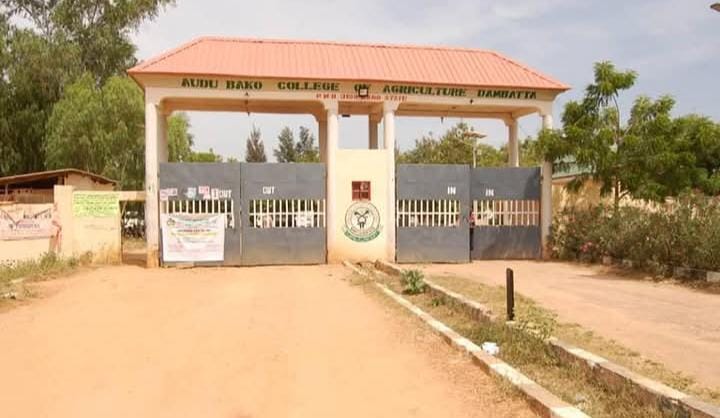
The Provost of the Federal College of Agriculture, Kirikasamma, Jigawa State, Muhammad Yusha’u Gwaram, has congratulated Governor Umar Namadi on the occasion of Eid-el-Fitr, describing him as a role model and mentor whose leadership continues to inspire many. In a statement issued to mark the 1447AH Eid-el-Fitr celebration, Gwaram said the governor’s life reflects wisdom, vision, and exemplary leadership, noting that his integrity, intelligence, and steadfastness have guided his service to the people. The Provost, speaking on behalf of the governing board, management, and staff of the institution, stated that Governor Namadi embodies values such as truth, sincerity, humility, and integrity, which have contributed to shaping leadership not only in Jigawa State but across the Northeast and beyond. He urged the people of Jigawa State to continue supporting the administration of Governor Namadi, noting that the governor remains committed to improving the lives of citizens through purposeful governance. Read Also: Eid-el-Fitr: The Historica Nigeria Reaffirms Commitment to Ethical Journalism, Unity Eid-el-Fitr: Hon. Muhammad Sanusi S. Kiru, FCIA, Felicitates Muslim Ummah, Urges Unity and Sustained Values Governor Namadi Commends Dr. Gwaram’s Appointment, Reaffirms Commitment to Kirikasamma College Takeoff “Your mentorship has guided us through challenges and inspired us to strive for excellence. Your humility remains a hallmark of true leadership, while your intellectual capacity has consistently informed sound policies and strengthened public service,” he said. Gwaram further described the governor as a promise keeper dedicated to the welfare of the people, adding that his approach to governance is rooted in selfless service and clear priorities. According to him, the governor’s track record demonstrates unwavering commitment to unity, development, and service, earning him the admiration of the people of Jigawa State and Nigerians at large. He prayed for continued good health, wisdom, peace of mind, and abundant blessings for the governor as he continues to serve the state and the nation.

Feature, Jigawa

Mallam Umar Namadi Danmodi economic agenda and 12 reasons why you need to invest in Jigawa state – Adamu Ahmad Ibrahim

By Adamu Ahmad Ibrahim His Excellency Mallam Umar Namadi Danmodi, The Executive Governor of Jigawa State, a chartered accountant with a track record of excellence in financial management, looking back at his contribution during his time at Dangote Group and Jigawa state commissioner of finance as well. His passion for economic growth drives his commitment to ensure Jigawa state stand tall above its economic challenges, while providing new opportunities for economic development. Mallam’s 12 points agenda includes: improving educational system, exploring state natural resources, increasing the states IGR and mainly focused on agricultural development which is the state’s economic power house. These 4 agenda’s are directly aiming for economic growth. Read Also: Arewa Health Promotion Initiative Enrolls 300 Children Back to School, Distributes Learning Materials in Kano To ensure the sustainable impact of his agenda mallam carry out the following projects: ● Led a delegation from Jigawa state to Argentina for a partnership with Alfalfa industry ● Empowered the Jigawa Invest agency with resources needed to provide enabling environment for investors ● Sponsored a set of young people to China to learn about smart agriculture ● Empowered local farmers with modern farming techniques and equipment ● Launched Phase1, 2 & recently Phase 3 of the dry season farming agricultural loan for civil servants ● Jigawa state Economic Summit, among other’s I couldn’t mentioned. Mallam is aiming to unleash the Jigawa state Agricultural power house for economic development in the state. I called on investors to analyse his commitment and effort in making sure Jigawa state become an economic city where the Nation can benefits from its natural resources and improve the economic situation of the state and Nigeria at large. Am able to identify some key points that every investor will need to consider when investing in Jigawa state, I believe investors will find out the state potential to provide a higher value and level of return on investment (ROI) A dozen reasons why you need to invest in Jigawa state. 1. Agro-Processing Opportunities: With over 2 million uncultivated land, Jigawa state remain the leading producer of sesame and largest producer of hibiscus in Nigeria, it has the ability of becoming a significant rice production hub aiming to be top in Nigeria. 2. Policy Support: The current administration under his Excellency Mal. Danmodi, has provided the state with an economic growth policy by empowering the state investment agency @jigawainvest. with full support in commitment to industrialization and economic growth, while maintaining the public private partnership (PPP) with focus on partnerships. 3. Low Crime Rate: A secure and Peaceful environment which provides enabling environment for doing business and less losses due to crisis and crimes. 4. Cross border trade: The state geographical location, gives it an additional advantage for it has bordered with 4 states within Nigeria; Yobe, Bauchi, Katsina & Kano. The state also has a direct access to international markets through Niger Republic with Maigatari Free Trade Zone already adding value to the National economic growth. 5. Strategic Location: Proximity to Kano, the largest commercial hub in Northern Nigeria, as Kano state is at it’s peak level of commercial activities, it needs a cover from a neighbouring state, just like Ogun state is keeping up with Lagos, I believe Jigawa state can provide that back up for Kano. 6. Stable Governance: The current administration under the able leadership of his Excellency, Mal. Umar Namadi Danmodi has provided a Conducive, safe, and secure environment to maintain our top record in ease of doing business. 7. Rapid Industrial Growth: Growing industrial base, Jigawa is not full, not all occupied. The states nature of business will be encouraging for investors, to start fresh and have ability to establish a new customer base. 8. Large Livestock Market: Home to Maigatari, The Maigatari Free Trade Zone is one of the largest livestock markets in West Africa, as the state is one of the major center for animal husbandry. 9. Irrigation Potential: Abundant river resources supporting year-round farming, this makes the state to be a top wheat producer in Nigeria. 10. Cash Crops Variety: A cash flow is what makes an investment a lucrative one, Jigawa state is suitable for sesame, groundnut, and moringa crops which are feasible example of cash crops. 11. Investment Incentives: The  Invest Jigawa agency simplifies setup processes and enable ease of doing business which has increased the state GDP to be estimated at N3.2 trillion economy (2025). 12. Young Population: Capacity Workforce is the backbone of every manufacturing and production industry. With over 70% of the state population under 30 years of age, it has the ability to provide any investor with the needed Workforce to achieve his organisational goal. With the above mentioned reasons, I believe Jigawa state remain a state of focus when we are talking about investment & economic growth. Jigawa state is tagged a new world for a reason, it welcomes any investor willing to invest with a hypothetical high return on investment (ROI). Adamu Ahmad Ibrahim ibrahimadamu5991@gmail.com 08089403454

Feature, Jigawa, Politics

Jigawa Politics: Speculation Mounts Over Badaru’s Alleged ADC Moves

Despite publicly denying plans to leave the ruling All Progressives Congress (APC) for the African Democratic Congress (ADC), recent political engagements by former Minister of Defence, Muhammed Badaru, have intensified speculation in Jigawa State over a possible defection. The rumour mill was initially stirred by the activities of his supporters within the state. However, it gained traction following a series of high-profile meetings between Badaru and prominent opposition figures. Within a week, the former minister reportedly met twice with Mustapha Lamido, the 2023 PDP governorship candidate and son of former Jigawa governor, Sule Lamido. Mustapha Lamido is widely rumoured to be considering a move to the ADC. Badaru is also said to have held discussions with Ubale Shitu, a former senator and ADC chieftain, as well as with Sule Lamido himself, a notable development given their long-standing political rivalry. A History of Political Tension Relations between Badaru and Lamido have been strained since 2017, when Lamido was prosecuted under the Badaru administration on charges including defamation, criminal intimidation, and disturbance of public peace. The charges were filed under Sections 113, 114, 392, and 397 of the Penal Code. Lamido was remanded in Kiyawa Prison between 2 and 4 May 2017 after a magistrate deferred rulings on his bail application. He was subsequently freed and later cleared of the charges. Against this backdrop, Badaru’s recent meetings with Lamido and other opposition leaders have triggered debate about possible realignments ahead of the 2027 elections. Badaru’s Denial In January, Badaru dismissed reports suggesting he was consulting to join the ADC. “My attention has been drawn to a baseless and speculative report circulating on social media suggesting that I am in consultations to join the African Democratic Congress (ADC),” he said in a statement. “I wish to state categorically that this report is entirely false, unfounded, and a product of political mischief. As one of the founding leaders of the APC, my commitment to the party remains absolute.” Read Also: Kano Assembly Begins Impeachment Process Against Deputy Governor Gwarzo President Tinubu Renews Audi’s Tenure as NSCDC Boss Governor Namadi Commends Dr. Gwaram’s Appointment, Reaffirms Commitment to Kirikasamma College Takeoff He urged party members and the public to disregard what he described as fabrications. When contacted about the apparent contradictions between his public stance and recent engagements, his spokesperson, Mati Ali, said he was unaware of the meetings with opposition leaders. However, an associate, Kafin-Hausa, confirmed on Sawaba Radio that Badaru hosted several opposition figures at his residence and visited Lamido. He described the engagements as Ramadan visits made in the spirit of reconciliation and political peace, referring to Lamido as a “father.” Absence from APC Congress Raises Eyebrows Speculation intensified following Badaru’s absence from recent APC congresses, particularly the state congress where Ahmad Garba was elected state chairman alongside 35 other executive members. The congress was attended by Governor Umar Namadi, national party representatives, and other prominent stakeholders. In his inaugural address, Garba warned against “dual loyalty,” stating that no individual could successfully play politics in isolation. Though he did not mention names, observers interpreted the remarks as a veiled reference to Badaru’s cross-party engagements. No Open Rift with Governor Namadi Despite tensions among supporters, relations between Badaru and Governor Namadi appear cordial. Badaru had publicly endorsed Namadi as his successor and has praised his performance in office. Namadi, for his part, has dismissed claims of internal division within the APC, urging party members to remain focused on governance and resist attempts to create instability. “We have a mandate, and nothing should derail us from the mission given to us by the people,” the governor said in response to rumours of a rift. Underlying Party Frictions Political friction within the Jigawa APC dates back to May 2022, when Namadi emerged as the party’s governorship candidate. Some party elites reportedly underestimated him, viewing him more as a technocrat than a political heavyweight. Since assuming office in May 2023, Namadi has prioritised administrative reforms, civil service restructuring, and transparency measures. While these initiatives have drawn praise from policy analysts, they have also unsettled party loyalists who expected traditional patronage appointments. Dissatisfaction among some supporters has manifested through media criticism and coordinated social media campaigns, with certain minor appointees resigning in protest over alleged marginalisation. Implications for 2027 Political analysts argue that while speculation persists, a major rupture within the APC remains unlikely. Muhammad Haruna, a political commentator in the state, noted that Jigawa’s political culture is relatively stable compared to other Northern states, allowing leaders to maintain influence over the electorate. “While anything is possible in politics, one must ask on what basis Badaru would leave the APC or confront Governor Namadi and President Bola Tinubu,” he said. He suggested that grievances among some of Badaru’s supporters particularly over perceived exclusion from appointments may be fuelling the speculation. For now, neither Badaru nor Namadi has taken any overt step signalling an imminent political divorce. Yet, as the 2027 election cycle approaches, observers say the evolving dynamics in Jigawa’s political landscape bear watching.

Jigawa, Kano, News

Retreat: BUK Professor Advocates Ethical, Inclusive Digital Journalism

A Professor of Mass Communication at Bayero University Kano (BUK), Nura Ibrahim, has urged online journalists to prioritise responsible engagement and respect for privacy in the discharge of their professional duties. Prof. Ibrahim made the call while presenting a paper at a two-day retreat organised for members of the Kano Online Media Chapel of the Nigeria Union of Journalists (NUJ), held in Dutse, the Jigawa State capital. The retreat, sponsored by the Kano State Government through the Ministry of Information and Internal Affairs, brought together online journalists to strengthen their professional capacity under the theme, “Strengthening Digital Journalism Through Ethical Practice and Responsible Online Engagement.” Speaking during his presentation, the professor from the Department of Information and Media Studies, Faculty of Communication, Bayero University Kano, stressed the need for balance in reportage and cautioned journalists against the use of inflammatory language. Read Also: 300-Year-Old Kano Farming Settlement Faces Extinction Over Sand Mining Kano Govt Strengthens Digital Journalism Through Ethics-Focused Media Retreat Banks, Fintechs to Begin 7.5% VAT Deduction on Electronic Service Charges Monday He also urged practitioners to promote inclusivity, uphold cultural and religious sensitivity, avoid incitement, and ensure proper verification of facts before publication. According to him, correcting errors promptly and updating content where necessary are essential to maintaining public trust. Prof. Ibrahim further encouraged online journalists to actively combat misinformation by explaining issues accurately, providing credible sources, and avoiding the spread of rumours. He also advised the adoption of language optimisation tools alongside responsible search engine optimisation (SEO) practices to enhance credibility and reach without compromising ethical standards.

Jigawa, News

Kano Govt Strengthens Digital Journalism Through Ethics-Focused Media Retreat

The Kano State Government has reaffirmed its commitment to promoting ethical, responsible and professional digital journalism, describing the media as a critical pillar of democratic governance. The Commissioner for Information and Internal Affairs, Comrade Ibrahim Abdullahi Waiya, stated this on Wednesday while declaring open a two-day retreat for members of the Kano Online Media Chapel of the Nigeria Union of Journalists (NUJ) in Dutse, Jigawa State. The retreat, organised by the Kano Online Media Chapel with the support of the Kano State Government, is themed “Strengthening Digital Journalism Through Ethical Practice and Responsive Online Engagement.” Waiya said the training, the first of its kind for online newspaper publishers in Kano State, underscored the administration of Governor Abba Kabir Yusuf’s recognition of journalism as a vital component of democratic practice. He commended Governor Yusuf for approving and sponsoring the retreat, noting that the gesture reflected the government’s commitment to manpower development across sectors, including the media. Read Also: 300-Year-Old Kano Farming Settlement Faces Extinction Over Sand Mining Kano Power Struggle Heats Up as Yusuf Reappears Without Kwankwaso Allies Kano Online Media Chapel Hosts AI-Focused Capacity Workshop for Digital Journalists The commissioner urged online media practitioners to uphold ethical standards, professionalism, accuracy and integrity in news gathering and dissemination, stressing that online journalism must be clearly distinguished from unregulated social media activity. “Online journalists are not the same as social media users. Digital journalism must be guided by legal and ethical decorum, not sensationalism or the rush for quick breaking news,” Waiya said. He noted that the rapid growth of digital platforms, coupled with emerging technologies such as artificial intelligence, has made continuous self-development and professionalism imperative for journalists seeking credibility at local, national and global levels. Waiya also acknowledged the role of the Kano State Council of the NUJ in supporting the establishment and growth of the Online Media Chapel, attributing the successes recorded so far to cooperation and unity within the union. He further disclosed that the Ministry of Information and Internal Affairs is advocating for the establishment of a state Freedom of Information law in line with the federal Freedom of Information Act, as part of efforts to strengthen transparency and press freedom in the state. In his remarks, the Acting Permanent Secretary, Ministry of Information and Internal Affairs, Kano State, Malam Usman Bello, said the government approved the retreat outside Kano State in recognition of the growing importance of online journalism. He explained that similar engagements had previously been organised for the Correspondents’ Chapel, adding that the retreat was aimed at equipping online journalists with the skills required to adapt to new trends in the profession and practice in line with modern global best practices. Bello noted that the impact of online media transcends state boundaries, stressing that capacity-building programmes of this nature would help shape journalism practice not only in Kano State but across the country. Also speaking, the Chairman of the Kano Online Media Chapel thanked the Kano State Government and the Ministry of Information and Internal Affairs for their support, describing the retreat as timely and impactful. He urged members of the chapel to continue operating within the laid-down ethical guidelines of the journalism profession and in line with the social and legal provisions of Kano State. The retreat drew participants from various online media organisations operating across Kano State. The retreat was attended by editors and publishers of various online newspapers operating in Kano State.

Jigawa, Kano, News

Security Crisis Linked to Erosion of Traditional Values – Prof. Naniya

A Professor of History at Bayero University, Kano, Tijjani Naniya, has attributed Nigeria’s lingering security challenges to the neglect of the core values of traditional administration. Naniya made the assertion on Sunday during the second anniversary celebration of the Kano Patriotic Front, popularly known as Rundunar Kishin Kano, held at the Kano Chamber of Commerce Trade Fair Complex. According to him, the modern political system has sidelined traditional rulers, with political leaders no longer recognising them as partners in the administration of public affairs. He argued that the exclusion of traditional institutions from governance has weakened grassroots administration and community-based security mechanisms, thereby worsening insecurity across the country. Speaking at the event, the Chairman of the occasion and Chairman of the Northern Reform Organization, Alhaji Gidado Mukhtar, urged Kano residents to reflect on how the state’s long-standing values have been eroded. Mukhtar recalled that under the former Native Authority system, Kano recorded significant achievements in governance and service delivery. He said the Native Authority owned and managed public institutions such as native courts, police, printing press, schools, agricultural and grazing reserves, abattoirs, industrial zones, hospitals, cattle vaccination centres, water treatment plants, and forest resources, all under the supervision of the Kano Emirate system. Read Also: Tinubu’s Forest Guards Initiative Takes Off as 7,000 Personnel Graduate Lere: A Historic Fulani Settlement and Cultural Crossroads in Kaduna End of an Era: Prominent Nigerians and Global Icons We Lost in 2025 He attributed the success of the Native Authority system to trust, justice, accountability, and contentment among leaders at the time, noting that traditional rulers now largely serve ceremonial roles, as many of their responsibilities have been transferred to constitutional governments. Mukhtar called on the public to re-examine past governance structures in order to identify where mistakes were made and how recurring problems can be addressed. Also speaking, a private security expert, Dr. Yahuza Getso, said Nigeria’s security challenges have not been given the attention they deserve. He advocated strengthening local and community policing to curb drug abuse and trafficking, stressing the need for residents to monitor activities within their communities and report suspicious movements to security agencies. Getso noted that security is a collective responsibility and urged citizens to know their neighbours and remain vigilant. He cited examples from some Asian countries where community-driven development and local security structures have proven effective in addressing crime. He also raised concerns over security threats in some Kano markets, including Kurmi Market, and certain motor parks, while commending the Kano State Government for taking steps to address the situation. In his presentation, Dr. Sulaiman Isyaku Muhammad of the Department of Criminology and Security Studies, Federal University Dutse, called for a return to traditional security systems as a viable strategy for addressing Nigeria’s persistent security challenges. He explained that indigenous security structures, which were rooted in community participation and local intelligence, played a significant role in maintaining peace in the past. According to him, adapting these traditional mechanisms to complement modern security frameworks would strengthen crime prevention and enhance grassroots security across the country. In his address, Major General Ibrahim Sani (rtd.) said the Kano Patriotic Front was established to restore Kano’s historic role as a major economic, commercial, and cultural hub in sub-Saharan Africa, recalling the state’s past prominence as a key trade centre in Africa. He explained that the association focuses on interventions in security, water and sanitation, education, healthcare, tree planting, and digitisation. He noted that the group has made progress in curbing Daba activities in parts of Kano metropolis through youth empowerment and skills acquisition programmes. Sani added that the association has also supported agricultural activities, water projects, women empowerment, and environmental sustainability, while urging residents to preserve the legacy of late General Murtala Mohammed and embrace digitisation for relevance in the modern era. Meanwhile, Khalifa Aminu, a beneficiary of the Kano Patriotic Front, said the Chairman of the association played a crucial role in nurturing his innovation skills. With the encouragement and mentorship of the retired military officer, he was able to develop sensor-based space glass and other technological solutions, describing the support as vital to his personal growth and creative development. He further urged wealthy individuals and government officials to emulate this gesture by supporting the younger generation, noting that such initiatives would help address community challenges and empower youths to become self-reliant.

Scroll to Top