The Historica Nigeria

Feature

Feature, Kano, Profile

Sunusi Kofar Na’isa Retires After 35 Years of Shaping Nigerian Journalism

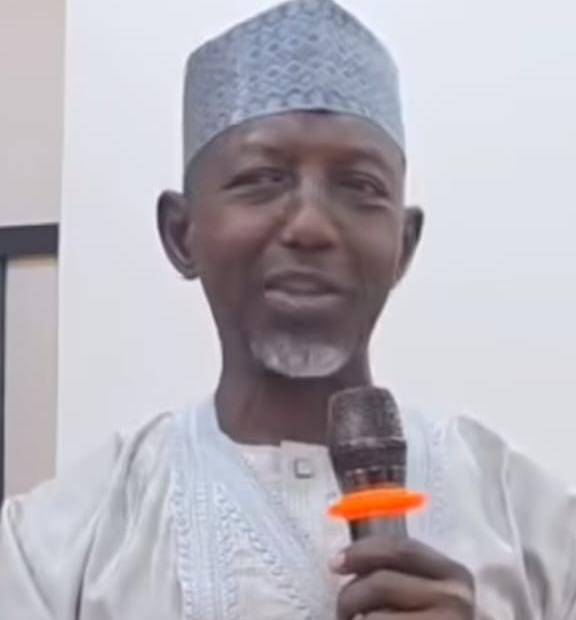
By Abdulrazak Tanko On Saturday, we celebrate the remarkable career of Ambassador Sunusi Abdullahi Kofar Na’isa, a towering figure in Nigerian journalism who has devoted 35 years of his life to shaping narratives, informing the public, and championing the truth. His retirement marks the end of an era, but his influence will forever echo through the stories he told and the knowledge he imparted. From the bustling newsrooms of Kano to the broader Nigerian media landscape, Ambassador Abdullahi has been a steadfast guardian of ethical journalism. His work reflected integrity, passion, and an unwavering dedication to the pursuit of truth, earning him respect not only within the state but across the country. His impact stretched far beyond our immediate borders, his insights resonated in international discussions, and his commitment to press freedom inspired many. His pen was mighty, his words carried weight, and his leadership fostered a generation of journalists who will carry forward his legacy. As he bids farewell to public service, we honor his dedication to journalistic excellence, his unwavering commitment to informing and educating, and his role as a beacon of professionalism in the media. The pages of history will remember his contributions, and the hearts of many will cherish his wisdom. Ambassador Sunusi Kofar Na’isa, thank you for your service. May your next chapter be as fulfilling and impactful as the legacy you leave behind. Abdulrazal Tanko Fagge write from Kano, Nigeria

Agriculture, Feature, Kaduna, Kano, National

Beyond the Headlines: The Untold Truth behind Nigeria’s Herders-Farmers Clashes

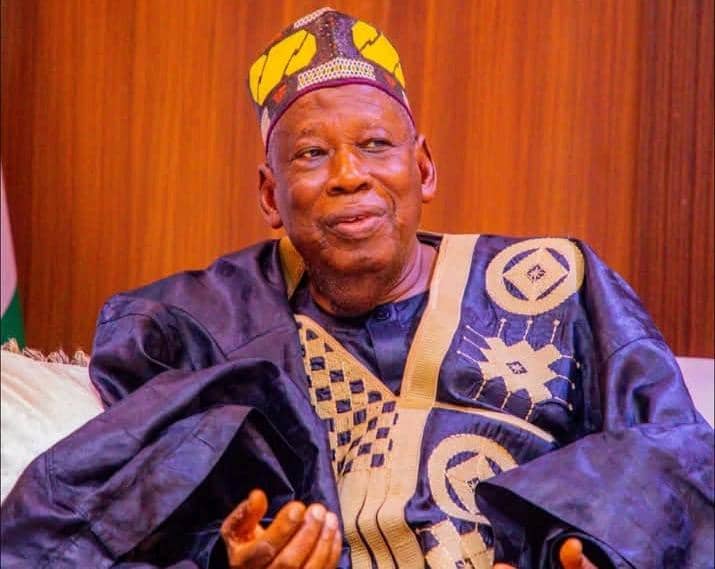
Umar Idris Shuaibu, Kano In the open plains and forests of Nigeria, a silent war has been simmering for years not of politics or power, but of land, survival, and silence. The herders-farmers conflict has too often been reduced to a tribal fault line, a religious divide, or criminal chaos. But these simplifications betray the truth. At the heart of this crisis lies a broken promise one owed to the Fulani pastoralists and to the farmers whose lives depend on the soil. And no one is innocent: not the state, not the media, and certainly not the traditional leaders entrusted to guard the peace.   Forgotten Grazing Reserves, Abandoned Routes Years ago, Nigeria had a system imperfect but working. Grazing reserves and cattle routes were mapped and maintained. Fulani herders moved with their livestock, guided by seasonal knowledge and mutual understanding with farming communities. Read Also: Mu’az Magaji: “26 Years of Democracy in Nigeria, A Journey Worth Reflecting On” Then came neglect. The cattle routes began to vanish overtaken by real estate, agriculture, and urban expansion. Traditional leaders, once responsible for protecting these routes and reserves, looked away. Some traded silence for political favor, others lacked the will or means to act. The fallout was predictable disorder and dispute.   Climate, Conflict, and the Collapse of Order Desertification and population growth pushed herders further south. With no designated routes, they entered farmlands. Farmers, facing the destruction of their crops, fought back. Without state mediation or proactive governance, friction turned into fire. This isn’t just about cows and corn. It’s a humanitarian crisis displacing families, destroying livelihoods, and feeding deep ethnic mistrust.   The Misjudged Fulani Narrative The Fulani are often vilified in mainstream storytelling accused broadly and unjustly. Yes, violent incidents have occurred. But many forget the herders who lose cattle to rustling, the youths gunned down in disputes, or the elders beaten far from home. The media has failed here. Stories are told with bias. The farmer’s plight is humanized; the herder’s loss is minimized. But both bleed, and both deserve justice. A Rare Example of Political Will It’s not all silence. Some leaders have tried. In 2015, Dr. Abdullahi Umar Ganduje, former Governor of Kano State and himself a Fulani, took bold steps. Recognizing the root of the crisis, he launched a program to modernize livestock development. He sent 60 Fulani youths to Turkey for training in artificial insemination techniques, aiming to reduce nomadic grazing by improving local productivity. Unfortunately, the initiative was poorly managed by the Ministry of Agriculture and Natural Resources. But Ganduje didn’t stop there. He established a settlement in Dansoshiya Forest, where he built 25 housing units for Fulani herders. The settlement was thoughtfully designed and included essential amenities such as schools for children, a clean water supply for both human and livestock use, veterinary services to support animal health, and provisions for sustainable cultivation of grass and herbs to ensure year-round feeding. To enhance safety and stability, a police and security outpost was also incorporated, serving as a hub for peacebuilding and conflict resolution within the community. This wasn’t just infrastructure, it was a vision of coexistence. A way to bring herders into stable communities while preserving their livelihood and reducing conflict. In addition, Kano State under Dr. Ganduje conducted a Fulani headcount, the first of its kind identifying both resident and nomadic populations. This data formed the basis of a landmark report submitted to the Federal Government, which contributed directly to the establishment of the Federal Ministry of Livestock Development in Abuja. That effort was guided by a committee chaired by Prof. Attahiru Jega, former INEC chairman, with members drawn from Fulani associations, academia, tribal communities, journalists, and civil society which form a model of inclusive policymaking.   Nigeria’s Worst-kept Secret This is a national crisis and Nigeria is the worst-hit country in Africa when it comes to herders-farmers conflict. What began as an ecological challenge has evolved into a political, economic, and humanitarian disaster. And still, few are telling the full story.   A Call for Historical Justice If peace is to return, the truth must be told. Not just the truth of who struck first, but of who neglected first. To address the root causes of the herders-farmers crisis and build lasting peace, we must take decisive and coordinated actions. First, there is a need to reestablish and protect grazing reserves, ensuring they are properly demarcated and maintained. Alongside this, we must legally secure the traditional cattle routes and invest in modernizing pastoralism to reduce dependence on seasonal migration. It is also essential to hold both political and traditional leaders accountable for past neglect and future responsibilities. Furthermore, the media must undergo a reform to ensure ethical, fair, and balanced coverage, particularly in stories involving pastoral communities. Lastly, Nigeria must encourage and replicate bold, grassroots solutions like the Dansoshiya settlement project, which offer practical models for peaceful coexistence and economic development. This story must be more than a headline. It must be a turning point. The herders-farmers conflict is not just a tale of clashes over land, it is a mirror of our national failure to protect the vulnerable, to preserve inherited systems, and to tell stories with fairness. For too long, the Fulani narrative has been told by others often unfairly, often incompletely. But history does not forgive silence. It remembers those who spoke when it mattered. If we are to build a peaceful, united Nigeria, we must first acknowledge the truths buried under decades of neglect, failed leadership, and distorted headlines. We must amplify the voices that have long been drowned, and tell stories complete stories that reflect the full picture. This is not just journalism. It is justice. It is not just reporting. It is remembrance. And it is not just history. It is a path forward. Umar Idris Shuaibu is a digital journalist based in Kano. He can be reached via email at shuaibuumaridris@gmail.com.  

Abuja, Feature, Kano, National, Politics

APC’s Rising Star: The Woman Ganduje Trusted with the Future

Within the rich tapestry of Nigeria’s public service, few stories reflect consistency, discipline, and rising influence like that of Dr. Mariya Mahmoud Bunkure, the current Minister of State for the Federal Capital Territory (FCT). Her journey from a Commissioner in Kano State to a key figure in Nigeria’s federal cabinet is not just a tale of political ascension, it’s a testament to purposeful service, strategic alignment, and a passion for grassroots development. Born in the historic town of Bunkure in Kano State, Dr. Mariya Mahmoud’s early life was steeped in education, community service, and the values of discipline and humility. Trained as a medical doctor, she brought her professional insights into governance when she was appointed Commissioner for Higher Education in Kano State under the administration of Dr. Abdullahi Umar Ganduje. During her tenure as Commissioner, Dr. Mariya stood out for her calm resolve and administrative foresight. At a time when Kano’s higher education sector was faced with funding challenges, infrastructural gaps, and the need for curricular reform, she championed policies that improved institutional governance and promoted access, especially for female students. Her ability to blend professionalism with political acumen quickly earned her the respect of colleagues and constituents alike. Read Also: Dr. Ganduje Undertakes Hajj Amid Rising Political Influence It was this performance and loyalty that placed her firmly in the trust circle of Dr. Ganduje, then Governor of Kano State and now the National Chairman of the All Progressives Congress (APC). As Ganduje’s national influence widened, so did the prospects of those he mentored. Dr. Mariya’s elevation to the national stage as Minister of State for the FCT under the administration of President Bola Ahmed Tinubu can be traced to a political trajectory rooted in merit, trust, and northern regional representation. At the FCT Ministry, Dr. Mariya now holds a significant portfolio overseeing policy implementation, urban development, and service delivery in Nigeria’s capital. Her approach has been inclusive and participatory, often engaging with stakeholders from traditional institutions, civil society, and the private sector. Whether addressing sanitation in satellite towns, reviewing land allocation procedures, or supervising school health programs, she carries her medical and administrative experience into every detail. Observers note her calm but firm style, which contrasts with the bustling and sometimes chaotic political landscape of Abuja. She is often described as the “silent engine” behind some of the Ministry’s grassroots-focused reforms, particularly those relating to women empowerment and youth engagement in the FCT’s area councils. In the wider context of Nigerian politics, Dr. Mariya Mahmoud’s story also highlights the growing relevance of Kano State as a breeding ground for national leadership. Under Ganduje’s leadership, several Kano-born technocrats and politicians have moved into key federal roles, a sign of the former governor’s long-term strategy to plant loyal, competent allies across the federal structure. Yet, despite her growing influence, Dr. Mariya remains relatively media-shy, choosing to let her work speak for her. Her aides describe her as diligent, prayerful, and deeply committed to public service. “She sees politics not just as a platform for power, but as an opportunity to heal communities, improve lives, and leave a legacy,” one staff member noted. As Nigeria navigates complex national challenges from urban planning to education and healthcare reform, the presence of focused leaders like Dr. Mariya Mahmoud Bunkure provides a glimmer of hope. For young girls in Kano and beyond, her story is a living proof that with education, integrity, and dedication, the journey from Bunkure to Abuja is not just possible, but attainable. Dr. Mariya Mahmoud Bunkure’s rise from the heart of Kano State to the corridors of power in Abuja is a remarkable example of determination, service, and strategic leadership. Her journey underscores the importance of competence over rhetoric, and dedication to public service above personal gain. As the Minister of State for the FCT, she remains an embodiment of the values instilled in her during her years in Kano values that continue to guide her work as she addresses the needs of the capital’s diverse communities. With her vision and quiet resolve, Dr. Mariya is poised to leave an indelible mark on Nigeria’s urban development and public policy, offering a model of leadership for future generations.

Abuja, Feature, Kano, Politics, Profile

Barau Jibrin’s Two Years as Deputy Senate President: A Chronicle of Impact

In Nigeria’s complex political landscape, where ambition is often loud and calculated, Senator Barau I. Jibrin, Deputy President of the Nigerian Senate, has charted a different course, one marked by quiet influence, policy depth, and grassroots transformation. From his native Kano North Senatorial District to the floor of the National Assembly in Abuja, Barau has built a legacy grounded in strategic legislative work and visible constituency development. He is widely seen as a political stabilizer and a technocrat-legislator who understands both the art of politics and the science of governance. Born on January 1, 1959, in Kano City, Barau’s early life was shaped by a disciplined upbringing and a strong emphasis on education. He obtained degrees in Accounting and Business Administration, followed by postgraduate qualifications in Financial Management, Pricing, and Management. Read Also: June 12: Tinubu Cancels Democracy Day Broadcast His early career spanned public service and business, including roles in the Kano State Ministry of Finance and Nigeria’s oil sector. This blend of technocratic training and administrative experience define his performance in the legislature. Barau’s national political journey began in 1999, when he was elected to the House of Representatives, where he chaired the House Committee on Appropriations. After years in both state and national engagements, he was elected as Senator for Kano North in 2015, and has since won re-election due to his consistent delivery and leadership. Now in his third term, Barau has chaired critical Senate Committees, including Appropriations, Tertiary Institutions and TETFUND, and currently serves as Deputy Senate President, a position he assumed in June 2023 through bipartisan consensus, testimony to his reputation as a unifier and strategist. Visible Impact in Kano North While Barau’s influence is national, his developmental footprint in Kano North is tangible and wide-reaching. He is often praised not only as a lawmaker but as a builder of institutions and opportunities. One of his most celebrated achievements is the upgrade of the Federal Polytechnic Kabo into the Federal University of Science and Technology Kabo, a transformative development that has elevated Kano North as an emerging hub for scientific and technical education. The initiative is expected to create thousands of direct and indirect jobs, boost local businesses, and foster innovation across Northern Nigeria. In addition Barau spearheaded the construction and rehabilitation of major roads across Rogo, Danbatta, and Gwarzo local government areas, connecting rural communities to markets and services. He has provided thousands of scholarships to indigent students across the district, particularly those pursuing science, technology, engineering, and mathematics (STEM). Courtesy of his representation multiple solar-powered boreholes and electrification projects have been installed in remote villages under his constituency outreach programs. He launched youth empowerment programs in tailoring, ICT, agro-processing, and welding, and distributing startup kits to help young entrepreneurs. Barau also facilitated the upgrading and equipping of health centres across the senatorial district, particularly during the post-COVID recovery period. His developmental focus, especially on education, infrastructure, and youth employment, has earned him the admiration of both traditional rulers and local leaders across Kano North. Influence in the Senate As Deputy Senate President, Barau plays a critical role in shaping Nigeria’s legislative direction. He is not known for dramatics or partisanship, but for negotiating peace, pushing bills quietly, and ensuring the Senate remains a functioning institution. In 2024, he helped midwife the passage of the Technical and Vocational Education Reform Bill, aimed at repositioning polytechnics and technical schools to better equip Nigerian youth for the job market. On national issues, from fiscal federalism to petroleum regulation and national security, Barau is seen as a voice of reason, often tasked with brokering deals and calming tensions behind closed doors. “He’s the one who talks when others have finished shouting,” said one legislative aide. “And when he speaks, things start to move.” 2027 Journey As the 2027 general elections approach, political analysts continue to speculate about Barau’s next move. While some suggest he may aim for a ministerial appointment or executive office, others believe he could play a kingmaker role in shaping northern and national political alliances. Yet, Barau himself has remained grounded. At a recent event in Kano, he remarked, “Leadership, to me, is not a title. It is the ability to deliver, to listen, and to solve problems. That is what I will continue to do.” Senator Barau Jibrin’s story is one of diligence, strategy, and quiet revolution. In an era where theatrics often eclipse substance, he has offered a different vision, a servant-leader who builds, not boasts. From transforming Kano North’s educational landscape to guiding legislative reforms in Abuja, Barau represents a rare kind of leadership rooted in results, not noise. And as Nigeria looks for reliable hands to guide its future, the gentle man from Kano North may well be one of the country’s most valuable assets.

Feature, Kano, Profile

Profile of Umar Idris Shuaibu, Editor ‘The Historica Nigeria’

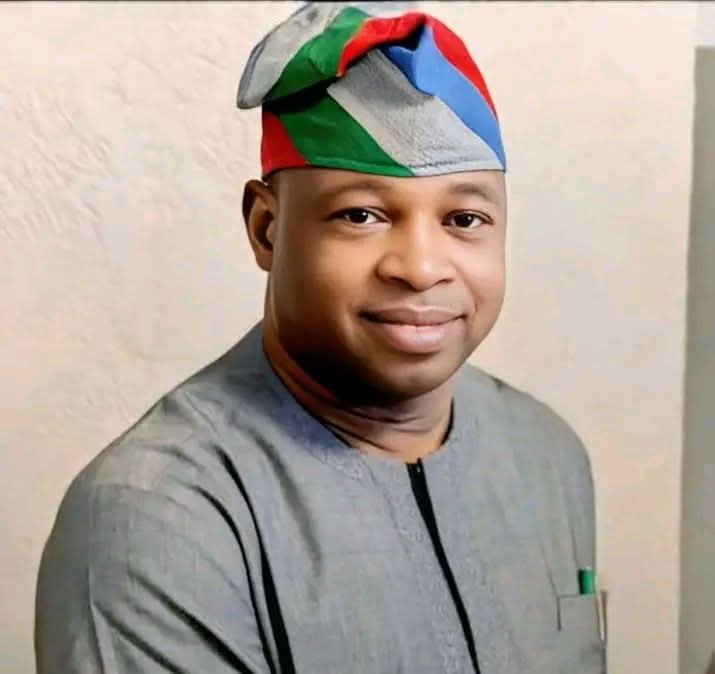
Umar Idris Shuaibu who is the Editor of an Online Newspaper The Historica Nigeria hails from Kano State, Northwest geopolitical zone of Nigeria, from the family of Malam Idris Shuaibu and Hajara Shuaibu. His maternal grandfather was a renowned Islamic Scholar who worked with the Nigerian Prison Service (now Correctional Service). He attended Gidan Makama Primary School and finished in Adda’awah in Hotoro, Tarauni Local Government. Umar moved to Government Secondary School Hotoro for his Junior education, after passing the Science and Technical Schools Board Examination in 2009, he then moved to the famous Science College Dawakin Kudu in Kano State. After completing Science School, Umar Idris Shuaibu obtained his Diploma in Mass Communication from Kano State Polytechnic, Advance Diploma in Public Administration, and a Higher National Diploma from the same school. As a digital Journalist, he has experience in electronic and Online media. Umar was also a News Reporter, Presenter, and Sub Editor with Freedom Radio, the first indigenous private FM station in Kano, where he served for four years. Umar was also the pioneer Reporter of Daily News 24, an Online Newspaper based in Kano from 2020 to 2022. He was also a News producer with Premier Radio in the year 2022, which also engaged in the Service of Kano State Investment and Properties in the same year to 2025. As a staff in the financial institution, Umar brings many developments in the National Union of Banks, Insurance and Financial Institution Employees (NUBIFIE) KSIP Chapter. During his main Journalism career, his area of interest includes Agriculture, Environment, and human angle stories. The young Umar is the Publisher ‘The Historica Nigeria’, an Online Newspaper, that focuses on topical issues, and historical events, among others. He is happily married to Hauwa Abdullahi Shuaibu, and the marriage was blessed with a Baby girl, named Hajara (Nawwara). Photos:    

Scroll to Top