The Historica Nigeria

Feature

Feature, Kano, Politics

How Kano People Missed Dr. Ganduje – By Umar Idris Shuaibu

President Bola Ahmed Tinubu’s recent condolence visit to the Dantata family in Kano stirred a mix of emotions among residents not just for its solemn purpose, but also due to the absence of a familiar political figure, Dr. Abdullahi Umar Ganduje, the immediate past National Chairman of the All Progressives Congress (APC) and former Governor of Kano State. Although his absence was officially attributed to a pre-scheduled engagement in London, Ganduje’s nonappearance rekindled deep reflections on his leadership era, particularly among Kano residents who now draw comparisons between his administration and the current New Nigeria People’s Party (NNPP)-led government. Related: When Dr. Ganduje Opened the APC Doors to Nigeria’s Top Politicians Across the neighborhoods of Kano metropolis and the ten local government areas that constitute the state capital zone, many residents expressed a growing sense of concern for Ganduje’s time in office. Some described it as a period of visible development, responsive governance, and hands-on leadership. Even his former critics now appear to acknowledge his contributions this time, with tones of reconsideration and, in some cases, in a significant nod to his enduring legacy. The NNPP government, on its part, claims to have fulfilled 85 percent of its campaign promises, a figure many Kano citizens believe does not align with their daily realities. Despite publicized achievements, numerous development sectors remain stagnant or underperforming compared to Ganduje’s administration. Read Also: Governor Abba Yusuf Says 85% of Campaign Promises Delivered Basic infrastructure projects initiated or completed under Ganduje such as road expansions, healthcare upgrades, agricultural schemes, and educational reforms have either slowed down or been neglected. Notably, the Dansoshiya Livestock and Milk Production initiative, envisioned to transform Kano’s pastoral economy, has not enjoyed the same continuity or prioritization under the current leadership. The flagship free education policy of the NNPP government, though widely promoted, faces significant implementation challenges. Parents still report paying unofficial fees, while many schools struggle with overcrowding and insufficient facilities. Malam Shamsuddeen Musa, a resident of Kano Municipal, noted that while Ganduje’s tenure had its flaws, it delivered tangible development. “Whether you liked his politics or not, you could not deny that things were moving forward,” he remarked. From 2015 to 2023, Ganduje prioritized infrastructure, human capital development, and the modernization of Kano as a megacity. His tenure saw improvements in markets that impacted business and boosted the state’s economic outlook. Initiatives like the Kantin Kwari Market modernization, GSM Market development, and low-cost housing schemes in places like Gurjiya stood out as people-focused projects. His support for federal infrastructure such as the Kano–Kaduna rail project, rehabilitation of key hospitals, establishment of the Kano Cancer Treatment Centre, Zoo Road Pediatric Hospital, and major investments in education are frequently cited as lasting legacies. His restructuring of the traditional emirate system though politically controversial, was widely recognized as a bold administrative move that extended development to newly elevated emirates like Rano, Gaya, Karaye, and Bichi. Many citizens now voice frustration that the momentum built under Ganduje has not been sustained. Projects such as the Kano Economic City and dam modernization efforts are either dormant or advancing at a sluggish pace. Sani Bala, a retired civil servant, summed up the growing sentiment and said “Ganduje may have had his critics, but at least you could see his footprints across Kano. What we have today is more talk than work.” Despite stepping down as APC National Chairman, Dr. Ganduje continues to command political respect. His long-standing alliance with President Tinubu, rooted in trust and shared political goals, remains intact. During the President’s recent Kano visit, the absence of such a close political ally did not go unnoticed and quickly became a talking point across the state. As the NNPP-led government continues to chart its course, many in Kano look back on the Ganduje years with fresh appreciation. Whether this is driven by unmet expectations or sincere recognition of his developmental achievements, one thing is certain, Dr. Abdullahi Umar Ganduje remains a powerful reference point in discussions around Kano’s political and governance trajectory. For many, his absence in moments like these only deepens the realization that his leadership may have been undervalued in real time. Beyond his 8-year tenure as Governor of Kano, Ganduje’s nearly two-year term as APC National Chairman also stands out. It was marked by strategic political consolidation, party stability, and widespread defections into the APC. He is credited with winning the loyalty of numerous seasoned politicians across party lines including governors, senators, and lawmakers. This influence stems not only from his academic credentials and civil service experience but also from over two decades of active political leadership. In a significant nod to that legacy, encomiums continue to pour in across Kano and beyond. Ganduje’s absence from governance may now be physical, but his presence is still very much felt, a testament to the enduring impact of his leadership. Umar Idris Shuaibu writes from Kano.

Feature, Kano

Dr. Usman’s Book Presentation Sparks National Reflection: Who Truly Owns Nigeria, the People or the Politicians?

Former Minister of Finance and one of Nigeria’s most respected economic minds, Dr. Shamsuddeen Usman, on Saturday presented his latest book *Public Policy and Agent Interest: Perspectives from the Emerging World* to the people of Kano, in a powerful homecoming ceremony hosted at Bayero University Kano (BUK). Though the book was formally launched in Abuja months earlier, Dr. Usman chose Kano—his birthplace and the foundation of his public service journey—for its first public presentation in Northern Nigeria. The event gathered dignitaries including Academics, traditional leaders, students, and development professionals. Read Also: London Engagement Prevented Ganduje from Receiving Tinubu in Kano – Former Aide “This is more than a presentation,” he said in his keynote. “It is my way of returning home—not just with memories, but with ideas that can serve our people.” From Global Insight to Local Urgency Dr. Usman, who began his journey in Kano’s Garangamawa quarters and rose to global influence through positions at the World Bank, the IMF, and Nigeria’s top economic posts, offered a brutally honest diagnosis of Nigeria’s stagnation: a failure of governance rooted in a betrayal of public trust. He explained the concept of the principal-agent problem—where those entrusted to serve (agents) begin to serve themselves instead, leaving the true owners of the nation (the principals—the people) disillusioned and abandoned. “This book is about the broken promise between government and citizens. What we call in Hausa, rashin rikon amana.” Personal Reflections, National Realities Drawing from his experience as Finance Minister, Dr. Usman recalled efforts to establish the Nigerian Sovereign Wealth Fund—an initiative aimed at securing the country’s oil wealth for future generations—but which faced fierce opposition from those driven by short-term political calculations. “That fight wasn’t just about economics. It was about values—about choosing between national interest and personal interest.” This tension between policy and politics, public duty and private gain, he argued, is the central theme of the book and a major factor in Nigeria’s persistent development failures. The Local Cost of National Failure Dr. Usman reminded the audience that this is not an abstract theory but a lived reality—especially in places like Kano. He highlighted the alarming number of out-of-school children, the decay of urban infrastructure, and the collapse of trust in public institutions, especially among young people. “When our youths see a system that rewards connections over competence, they don’t just lose faith—they lose direction.” He described this as the greatest cost of the agency problem: not just bad roads or failed schools, but a generation that begins to believe mediocrity and corruption are the norm. A New Development Bargain: The People Must Rise Rather than dwell on the failures, Dr. Usman emphasized solutions. The book, co-authored with renowned contributors including Dr. Yemi Kale and Emir Muhammadu Sanusi II, outlines a four-point development bargain aimed at restoring balance between the people and those in power: 1. Demand transparency – Citizens must insist on public access to data and government spending. 2. Challenge vested interests – Society must defend honest leaders and confront those who exploit the system. 3. Rebuild the social contract – Citizens must perform civic duties and demand quality services in return. 4. Engage actively – Everyone must act, speak, or at least reject injustice with their hearts. He invoked a prophetic Hadith as a moral compass: “If you see evil, change it with your hand. If not, speak out. If not, reject it in your heart—that is the weakest of faith.” A Foundation for the Future The event also marked the public announcement of the Shamsuddeen Usman Foundation, established by his children and focused on education, health, and information technology. “We cannot just criticize the past—we must build the future. That is why this Foundation exists: to give our children the tools to lead.” *More Than a Book, a Call to Action* Dr. Usman closed by stressing that Public Policy and Agent Interest is not an academic exercise—it is a civic manual for ordinary Nigerians to understand their power, reclaim their role, and demand better governance. “This book is for you. It is a guide to demand the accountability and dignity every Nigerian deserves. Let us work together to mend this broken promise.” As the applause resounded through the halls of BUK, the message was unmistakable: Nigeria’s destiny will not be shaped by its agents, but by the renewed resolve of its true owners—the people.

Feature, Kano

A Legacy of Transformation: The Remarkable Leadership of Associate Professor Sunusi Ahmad Yakubu as Provost of KCEPS

‎As Associate Professor Sunusi Ahmad Yakubu prepares to conclude his tenure as the Provost of Kano State College of Education and Preliminary Studies (KCEPS), his remarkable journey stands as a shining example of leadership, vision, and tireless service to education in Kano State and beyond. Since assuming the mantle of leadership in 2017, Prof. Yakubu has steered the college through a new era of growth, reform, and recognition, turning KCEPS into a beacon of excellence. ‎ ‎LAYING THE FOUNDATION: BUILDING ON THE LEGACY OF LEGENDS ‎ ‎Upon his appointment by the former Executive Governor of Kano State, Dr. Abdullahi Umar Ganduje, Prof. Sunusi Ahmad Yakubu was challenged to articulate his vision for the college. He responded with a strong commitment to consolidation—building upon the solid foundation laid by his predecessors, including revered names such as Malam Sa’eedu Gwarzo, Prof. Ibrahim Umar, Late Malam Abubakar Imam, Malam Abdulhamid Hassan, Malam Tijjani Ibrahim, AT Abdullahi, Sa’eedu Zakari of Garun Babba, Dr. Kabir (former Head of Service), and Prof. Sani Lawan Malumfashi, whom he succeeded. ‎ ‎Guided by the vision to consolidate and expand, Prof. Yakubu initiated a robust process to reform the structure and academic framework of the institution. One of his most notable achievements was the transformation of the College’s name and legal framework from CAS to KCEPS. This institutional rebranding paved the way for the issuance of authentic and recognized NCE certificates, a milestone that had been long overdue. ‎ ‎HISTORIC ACADEMIC AND INFRASTRUCTURAL ADVANCEMENTS ‎ ‎A key focus of Prof. Yakubu’s leadership has been addressing long-standing gaps in the college’s academic and administrative systems. For the first time in its history since its founding in 1972, major legal, academic, and infrastructural reforms were actualized. These included the introduction of a dual deputy provost structure—Deputy Provost for NCE and Deputy Provost for CEC—to ensure efficient governance and specialization. ‎ ‎Through his leadership, KCEPS attracted massive support from TETFund, resulting in the construction of new, modern buildings and facilities. These interventions broke a long-standing stagnation that saw the college fall behind despite having produced distinguished alumni such as former Kano State Governor Sen. Kabiru Ibrahim Gaya, former Speaker of the House of Representatives Rt. Hon. Ghali Umar Na’abba, former Jigawa Governor Ali Sa’adu Birnin Kudu, and the Former DSS Director General Magaji Bichi, among others. ‎ ‎HUMAN CAPITAL DEVELOPMENT: INVESTING IN STAFF AND STUDENTS ‎ ‎Prof. Yakubu’s leadership was not only about infrastructure—it was deeply rooted in human development. He prioritized the advancement of lecturers and academic staff, facilitating overseas and local training opportunities. Today, many lecturers have earned advanced degrees, with over 50 benefiting from scholarships and study grants. ‎ ‎Lecturers pursuing master’s degrees now receive between ₦1.2 million to ₦1.5 million, while those studying for PhDs receive as much as ₦4.5 million—an unprecedented development in the college’s history. Additionally, over 50 lecturers have participated in local and international conferences, including training programs at ASCON in Lagos, helping to enhance their academic and administrative capacity. ‎ ‎The Train the Trainer program has sent staff abroad, including to the United States, to acquire global best practices in education. ‎ ‎DIGITAL REVOLUTION AND COMMUNITY EXPANSION ‎ ‎Under his watch, KCEPS embraced technological advancement with the introduction of e-learning facilities that allow students to access academic materials and lectures online. Furthermore, he spearheaded the creation of an Annex Campus, expanding the college’s outreach and presence within the state. ‎ ‎Understanding the challenges rural students face, Prof. Yakubu secured Amana College in Kunchi Now (Ghari College of Education) as a study center, where over 100 students where then enrolled in NCE Programs. Furthermore The college then operates hostels that accommodate more than 360 students, creating an inclusive and accessible learning environment. ‎ ‎EMPOWERING YOUTHS AND SUPPORTING THE COMMUNITY ‎ ‎Recognizing the changing dynamics of youth interest and the increasing cost of living, Prof. Yakubu initiated vocational training programs, including weekend tailoring classes for students without formal education. These programs aim to empower youth with practical skills to support themselves economically. Discussions are underway with the Kano State Government and local authorities to scale up these initiatives. ‎ ‎Importantly, his administration also ushered in the Association of Students Union—a structure that has strengthened student representation and engagement across the college. ‎ ‎A CHAMPION OF SOCIAL JUSTICE ‎ ‎True to his roots in activism and social development, Prof. Sunusi Ahmad Yakubu has been a strong ally of student leaders and comrades. He has provided scholarships to many orphaned youths and financially disadvantaged students, enabling them to achieve their dreams of formal education. His door has remained open to those in need, reflecting his belief in education as a right, not a privilege. ‎ ‎A LEADER DEPARTING WITH HONOR ‎ ‎As his tenure comes to an end, Associate Professor Sunusi Ahmad Yakubu leaves behind a legacy of transformation, compassion, and service. He didn’t just lead KCEPS—he elevated it. Through vision, integrity, and a commitment to justice, he has written a bold chapter in the history of education in Kano State. ‎ ‎The second part of this compelling conversation with the outgoing Provost is on the way—stay tuned. ‎ ‎Indeed, heroes don’t only lead; they inspire generations. ‎ ‎By: Comerade Bashir A Bashir

Feature, National

Progress Over Propaganda: How Dr. Gwaram is Redefining Leadership at FCAPT

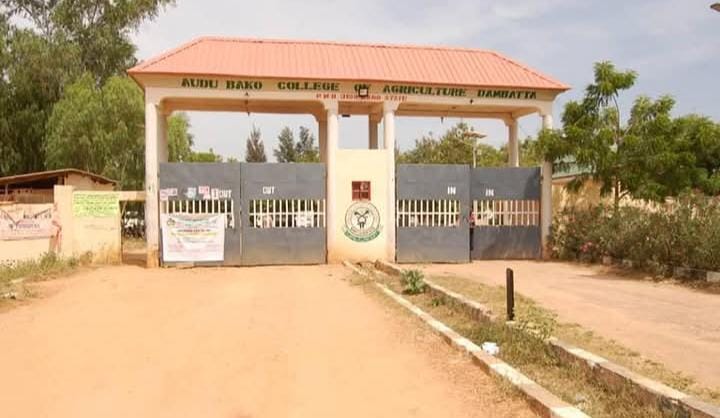
In an era where digital misinformation often overshadows genuine development, it is unfortunate but not surprising, that those unsettled by real progress resort to baseless propaganda. Such is the case with the recent unfounded allegations targeting the leadership of Dr. Muhammad Yusha’u Gwaram, Provost of the Federal College of Agricultural Produce Technology (FCAPT), Kano. Since assuming office in 2020, Dr. Gwaram has steered the college through a period of remarkable transformation academically, structurally, and administratively. The spurious claims circulating online ranging from unauthorized property auctions to nepotism and extortion are not only false but clearly engineered by those threatened by his success. Most of these accusations have been peddled by unverified platforms posing as credible news outlets, engaging in what can best be described as digital sabotage. Contrary to the false narratives, Dr. Gwaram’s tenure has delivered measurable progress. From 2020 to 2025, the college attained full accreditations for all existing programmes while introducing several new ones at both the National Diploma (ND) and Higher National Diploma (HND) levels. These include Crop Production Technology, Nutrition and Dietetics, Software and Web Development, and Cooperative Economics, among other programmes aligned with national needs and the evolving dynamics of Nigeria’s agricultural sector. Related: Provost Gwaram Unveils FCAPT Progress, Seeks Urgent Completion of Bunkure Campus Infrastructure development has also seen unprecedented advancement. Decaying classrooms, laboratories, and hostels have been rehabilitated or completely overhauled. FCAPT now enjoys uninterrupted 24-hour water supply, powered by solar energy, and essential buildings such as the provost’s office, college library, and clinic now operate on clean energy solutions. The recent procurement and installation of a 33KVA transformer entirely financed through the college’s internally generated revenue demonstrates both accountability and efficient financial management. In line with the Agricultural Research Council of Nigeria (ARCN) Act, the College successfully established a commercial arm that produces and packages agricultural goods under the FCAPT brand. Products such as FCAPT Tomato Paste and FCAPT Quick Meal have already received NAFDAC approval, underscoring the college’s commitment to practical innovation and enterprise. Community outreach has also remained a core pillar of the institution’s mandate. Over 1,400 women and youth from across Nigeria’s six geopolitical zones have received training in food processing, post-harvest technology, and agribusiness skills, equipping them with tools to become economically self-reliant. Furthermore, FCAPT has deepened its engagement with development partners such as GIZ, UNESCO, NBTE, Indorama, and Self-Help Africa. These collaborations have enabled student participation in national and international agricultural exhibitions and helped showcase FCAPT’s growing portfolio of research and innovation. Read Also: PTDF Shortlists 5,747 for 2025 Overseas Scholarship Interviews Perhaps one of the most underappreciated achievements under Dr. Gwaram’s leadership is the prioritization of staff development and welfare. Within five years, the college has produced 13 PhD holders and 33 MSc graduates among its academic staff, significantly boosting research capacity and institutional credibility. Promotions are granted as due, and staff continue to benefit from welfare packages and training opportunities. What is unfolding today is not the failure of leadership but rather, the pushback from detractors unsettled by visible progress. The false accusations being amplified in certain corners of the internet are nothing more than deliberate attempts to smear the legacy of a leader who has elevated FCAPT into a national model of excellence in agricultural education. Dr. Muhammad Yusha’u Gwaram’s leadership is anchored in vision, transparency, and inclusive service. His administration has brought FCAPT into national relevance, supporting President Bola Ahmed Tinubu’s Renewed Hope Agenda, especially in the areas of food security, youth empowerment, and agricultural innovation. Rather than be distracted by unsubstantiated claims, the public should focus on the real and tangible results that continue to shape the lives of students, staff, and surrounding communities. Umar Idris Shuaibu is a digital journalist and writes from Kano.

Abuja, Feature, Kano, National

How Ganduje Turned APC into a Winning Machine, by Umar Idris Shuaibu

The resignation of Dr. Abdullahi Umar Ganduje as National Chairman of the All Progressives Congress (APC) on June 27, 2025, came as a surprise to many. What made it more striking was the fact that Ganduje stepped down at a time when the APC was gaining unprecedented momentum, consolidating strength, expanding its base, and winning key political battles across the country. Ganduje’s impact on the APC goes beyond internal reconciliation or party restructuring. He turned a once troubled platform into a strategic, results-driven machine ready for dominance in the 2027 general elections. When Ganduje assumed office as APC Chairman on August 3, 2023, the party was riddled with internal divisions and post-election cracks, especially following the fiercely contested 2023 general elections that brought in President Bola Ahmed Tinubu. In many states, APC structures were weak, disjointed, or even defunct. Related: Ganduje Bows Out with Legacy of Political Impact, Party Growth, and National Reach Ganduje brought a different energy. With the poise of a seasoned administrator and the grit of a political tactician, he immediately began repairing fractures across party lines. He led reconciliation efforts nationwide, calming aggrieved factions and uniting leaders under a renewed sense of purpose. In record time, the APC transformed from disarray to discipline. One of the most remarkable aspects of Ganduje’s tenure was the wave of high-profile defections that bolstered the APC’s ranks. Two sitting governors, Sheriff Oborevwori of Delta and Umo Eno of Akwa Ibom crossed over to the ruling party along with their deputies and cabinet members, a move that significantly weakened the opposition. Perhaps the most symbolic political coup under his leadership was the defection of Ifeanyi Okowa, former Delta State Governor and PDP’s 2023 vice-presidential candidate. Okowa came with his full political structure, signaling that Ganduje’s leadership wasn’t just attractive, but convincing. Several other political heavyweights followed suit, including former Deputy Senate President Ovie Omo-Agege, Senator Ned Nwoko, and Chiedu Ebie, Chairman of the NDDC Governing Board. These weren’t mere defections; they were strategic wins. Read Also: Things to Know About Dr. Asiya Ganduje, Director of Community and Rural Development NWDC Back in his home state of Kano, Ganduje managed to sway several key figures from the ruling NNPP to the APC. These included Senator Abdurrahman Kawu Sumaila, former House Speaker Kabiru Alhassan Rurum, former SSG Dr. Baffa Bichi, and federal lawmakers from Rano/Bunkure/Kibiya and Karaye/Rogo constituencies. His grassroots engagement reshaped the APC’s structure in the North. In Kebbi State, Ganduje’s influence was again on full display when three serving PDP senators Adamu Aliero, Yahaya Abdullahi, and Garba Maidoki defected to the APC under his guidance. As party leader, Ganduje helped the APC secure victories in several key off-cycle elections. The party clinched governorship wins in Kogi, Imo, Bayelsa, Edo, and Ondo states where the opposition had long held sway. Edo State witnessed a political earthquake with mass defections from the PDP to the APC, including Speaker Blessing Agbebaku and several state lawmakers and senior party officials such as Roland Asoro, Nosa Nosayaba, and Gabriel Oloruntoba. His ability to attract not only individuals but entire political structures was further demonstrated by the defection of figures like Prof. Rufai Alkali, former NNPP chairman; Senator Suleiman Hunkuyi; Prof. Ben Angwe; Senator Ifeanyi Ubah from YPP; and Senator Uche Ekwunife. Beyond politics, Ganduje left a policy legacy. Under his chairmanship, the APC launched The Progressive Institute (TPI), a think tank and policy hub designed to support good governance, political education, and youth inclusion. For the first time, a political party in Nigeria institutionalized its ideological training arm. According to Ganduje, the purpose of TPI was “to enhance the policy capacity of the party and provide guidance to APC-led governments.” The initiative also focused on nurturing a new generation of leaders aligned with the party’s progressive ideology. Ganduje’s leadership has not only stabilized the APC but set it on a clear path to victory in 2027. By rebuilding internal cohesion, orchestrating strategic defections, and strengthening grassroots presence, he turned the APC into an electoral powerhouse. His resignation may mark the end of an era, but his legacy is firmly rooted in the political architecture of the APC. History will remember Dr. Abdullahi Umar Ganduje as the strategist who transformed a party in turmoil into a winning machine, one battle, one state, and one strategy at a time. Umar Idris Shuaibu is a Ganduje stalwart and writes from Kano. shuaibuumaridris@gmail.com

Feature, Kano, Politics

Political Setback: Kwankwasiyya Movement Faces Stormy Waters in Kano

The Kwankwasiyya movement, once a dominant political force in Kano State, is navigating a turbulent political climate that threatens its stability and future relevance ahead of the 2027 general elections. With the original founders of the New Nigeria People’s Party (NNPP) reclaiming full control, the Kwankwasiyya group appears stranded without a strong political platform. Analysts say this development could severely undermine the movement’s capacity to contest future elections effectively. Related: Ganduje Lauded by Former Kano Cabinet for Party-Building Efforts Controversial policy decisions have further compounded the administration’s woes. Among these are the demolition of the historic Filin Idi Mosque, destruction of residential properties, and persistent allegations of financial mismanagement. These actions have reportedly strained relationships with the business community and eroded public trust. Tensions with security agencies have also escalated, with critics attributing the situation to a lack of administrative experience and governance skills within the leadership. The dissolution of five emirate councils, a deeply controversial decision, has only widened the disconnect between the government and many Kano residents. Since inception into the administration, observers note an absence of completed capital projects exceeding N1 billion. Abandoned projects litter the state, signaling what critics describe as a failure of governance and project execution. Read Also: Photos: Ganduje Inaugurated as Chairman of FAAN Board Further complicating matters, the administration’s strained relations with federal agencies and public criticism of the federal government could limit future support and funding. Political insiders claim that the governor has made repeated visits to Abuja allegedly up to a dozen in one week in a bid to lobby the presidency and APC stakeholders for permission to defect to the ruling party. Yet, this rumored defection plan is reportedly facing pushback from within the APC, largely due to past hostilities and the potential clash with the Kwankwasiyya godfather’s alleged presidential ambitions. The movement’s strained ties with other major political platforms like the PDP only worsen its isolation. Signs of Internal Discord and Defections The internal structure of the Kwankwasiyya movement is also reportedly under stress. Multiple sources say political appointees, including commissioners and heads of agencies, are being sidelined, deprived of funding and access to the governor. Meanwhile, disillusionment is growing among youths previously mobilized by the movement across all 44 local government areas, many of whom now feel neglected. There are also complaints of uneven distribution of development projects, with rural communities reportedly left out in favor of select urban areas. The resulting frustration is fueling a wave of defections, especially among Kwankwasiyya youth members. Prominent APC stakeholders in Kano are said to be receiving these defectors daily, signaling a decline in the movement’s grassroots support. In contrast, very few APC members have defected to the Kwankwasiyya camp, highlighting what many view as a deepening crisis within the movement’s ranks. As internal discord mounts and external pressures intensify, the Kwankwasiyya movement finds itself increasingly isolated, fighting to stay relevant in a rapidly shifting political landscape. Currently the Kwankwasiyya movement risks losing its once-formidable political influence. The coming months will be decisive, not only for the survival of the movement but also for its ability to reposition itself meaningfully within Kano’s evolving political terrain ahead of 2027. Sanusi Sa’id Kiru is a Director at the Progressive Institute (TPI), Abuja, and a former Commissioner of Education in Kano State.

Feature, National, Politics

Ganduje rebuilt APC from crisis to dominance

The resignation of the immediate past chairman of the All-Progressives Congress (APC), Dr Abdullahi Umar Ganduje came to many Nigerians as a surprise, considering the heavy spadework he put to reposition and consolidate the party ahead of the 2027 election. The abruptness of the resignation sent some shock waves. This was coming at a time when the party was gathering momentum especially in some hard-to-reach areas like Southeast and South-South. Ganduje strengthened up the crookedness; increased the party’s acceptability; and assembled political powerhouses in each of the states of the federation to warrant the party’s victory in the 2027 elections. Arguably, no past leader of the APC was as innovative, visionary and result oriented as Abdullahi Umar Ganduje. His legacy as the APC chairman speaks loud and with greater clarity, Related: Ganduje Bows Out with Legacy of Political Impact, Party Growth, and National Reach A former governor of Kano State, Dr Abdullahi Umar Ganduje bravely accepted the mantle of leadership of the APC on August 3rd, 2023, when the political party was neck-deep in crisis. It was almost at the verge of ideological fracture, courtesy of some misguided handling of the party. The 2023 elections, which produced President Bola Ahmed Tinubu, had created several fissures and cracks within the party structure and at state levels. Many esteemed party members were going at the jugular of each other; in some states the party was being starved out of ego. As a seasoned bureaucrat and a political bulldozer, Ganduje rolled up his sleeves and began to work. He led a reconciliation committee and embarked on a tour to many states of the federation. He assiduously stitched almost all the political cleavages within the party. The result is the formidable APC we see today. Even Ganduje’s detractors in the presidency are secretly proud of Gnaduje’s gains as the APC national chairman. Ganduje’s scorecard… The stability the party experiences attracted high-profile defections; notably among them are two sitting governors of Delta and Akwa Ibom states, Sheriff Oborevwori and Umo Eno respectively. Satisfied with Ganduje leadership, the duo joined the party alongside their deputies and their entire cabinets. These defections, among others, strengthened the APC and weakened the opposition’s political grasp. To weigh how effective Ganduje’s leadership was, one has to cite the defection of Atiku’s running mate in the 2023 presidential election and a former governor of Delta state, Ifeanyi Okowa, who joined the party alongside his political structure. Read Also: Ganduje Lauded by Former Kano Cabinet for Party-Building Efforts Other prominent political figures who joined the party include Senator Ovie Omo-Agege, former Deputy Senate President; Senator Ned Nwoko (Delta North) and Chiedu Ebie, Chairman of NDDC Governing Board. Kano In Kano, Ganduje nearly stripped the ruling NNPP naked. He brought Senator representing Kano South, Abdurrahman Kawu Sumaila; a former Speaker of the Kano State House of Assembly, a serving federal lawmaker, Kabiru Alhassan Rurum (Rano/Bunkure/Kibiya), and a former Secretary to the State Government, Dr. Baffa Bichi; the members representing Rano/Bunkure/Kibiya and Karaye/Rogo Federal Constituencies, Kabiru Usman and Abdullahi Sani Rogo respectively and Zubairu Hamza Massu, former commissioners Diggol and Abbas Sani Abbas. Kebbi In May 2025, three PDP senators from Kebbi state: Senator Adamu Aliero (Kebbi Central); Senator Yahaya Abdullahi (Kebbi North); and Senator Garba Maidoki (Kebbi South) defected to the APC and were received by Ganduje: As a political bellwether of repute, Ganduje led the APC to victory in the Edo and Kogi governorship elections. The party also recorded landslide victories in off-cycle elections in Imo, Kogi, Bayelsa, Edo, and Ondo States. The result is that the APC is ensuring electoral dominance and grassroots outreach across the six geopolitical zones of the federation. In Edo, the sacking of the opposition camp by Abdullahi Ganduje continues. In May 2025, Edo State legislators and executives including Blessing Agbebaku, Speaker of Edo State House of Assembly; Sunny Ifada (Esan Central); Yekini Idaiye (Akoko Edo I) as well as several other councillors and party leaders like former Deputy Speaker Roland Asoro, ex–Majority Leader Nosa Nosayaba, and former PDP State Secretary Gabriel Oloruntoba jumped to the APC from the PDP. It was under Ganduje political figures like Prof. Rufai Alkali, former NNPP National Chairman; Sen. Suleiman Hunkuyi, NNPP’s ex–National Organising Sec; Prof. Ben Angwe, ex–NNPP Legal Adviser; Sen. Ifeanyi Ubah (Anambra South) from YPP; and Sen. Uche Ekwunife joined the APC. The Progressive Institute (TPI)… It was under the leadership of Abdullahi Umar Gnaduje the party launched The Progressive Institute (TPI) TPI meant to serve as the official Policy Think Tank of the party to facilitate good governance and to initiate youths into political philosophy. In another regard, as Ganduje said the essence of the institute “is to enhance the policy capacity of the party, especially to enable it to provide policy advice and suggestions for the consideration of governments elected on its platform.” That was the first time a political party in Nigeria found it imperative to establish an institution aimed at addressing the issue of youth inclusion in politics. Ganduje’s resignation on June 27 calls for sober reflection. Of course, his style of leadership attracted a broad array of significant opposition figures across multiple states to the APC, consolidating the party ahead of the 2027 elections. Indeed, there was a seriously innovative and sincere party leader, who gave all he had for the APC to become the party it is today. History will remember Baba Ganduje as a political strategist who fertilized political fields in Nigeria for political democracy to thrive. Aminu Dahiru serves as the visual communication aide to Dr Abdullahi Umar Ganduje, CON

Feature, Kano

Waiya’s Transformative Impact on Kano’s Public Image

Since taking over as the Commissioner for Information in Kano State, Ibrahim Waiya has been on a mission to redefine the way the government interacts with the public. With a background as an activist, Waiya brings a unique perspective to the role. Replacing Baba Halilu Dantiye, Waiya has wasted no time in implementing his vision for a more open and responsive government. His approach has been met with enthusiasm from both government officials and the general public. Read Also: Waiya Urges LG Information Officers to Uphold Professionalism in Public Service One of Waiya’s key strategies has been to foster good working relationships with the media and other stakeholders. He believes that building trust and credibility is essential for effective governance. Under Waiya’s leadership, the Ministry of Information has become more proactive in engaging with the public. The commissioner has made himself available to the press, providing timely and accurate information on government policies and initiatives. Waiya’s experience as an activist has given him a deep understanding of the importance of public relations. He has leveraged this expertise to generate positive publicity for the state, highlighting its achievements and potential. The results of Waiya’s efforts are already becoming apparent. The government’s image has begun to shift, with many Nigerians now viewing Kano State as a hub of progress and innovation. Waiya’s approach is not limited to just spin doctoring; he is committed to ensuring that government policies and programs are people-centered. He believes that effective communication is key to building trust and support for government initiatives. By engaging directly with the public, Waiya has been able to gauge their concerns and feedback. This information is being used to inform policy decisions, making government more responsive to the needs of the people. One of the key challenges facing Waiya is managing the government’s online presence. He has taken steps to revamp the ministry’s social media platforms, ensuring that they are used effectively to engage with the public. Waiya’s team has also been working to improve the government’s crisis communication strategy. By being proactive and transparent, they aim to minimize the impact of any potential crises on the government’s reputation. The commissioner has also been working closely with other government agencies to ensure that their messages are consistent and effective. This coordination has helped to project a unified image of the government. Under Waiya’s leadership, the Ministry of Information has become a hub of creativity and innovation. The commissioner encourages his team to think outside the box and come up with new ideas for engaging with the public. Waiya’s vision for the ministry extends beyond just government publicity. He believes that the ministry should also play a role in promoting Kano State’s rich cultural heritage and tourism potential. To achieve this, Waiya has been working with local artists, musicians, and other creatives to showcase the state’s unique identity. This initiative has helped to promote a sense of pride and ownership among the people. The dividends of Waiya’s approach are already being felt. The government’s approval ratings have improved, and there is a growing sense of optimism about the state’s future. Waiya’s commitment to transparency and accountability has also helped to build trust between the government and the people. Citizens are now more confident in the government’s ability to deliver on its promises. As a seasoned activist, Waiya is well aware of the power of social media. He has used this knowledge to engage with the public and promote government initiatives. The commissioner’s team has also been working to improve the government’s offline engagement with the public. Town hall meetings and other public forums have been organized to provide citizens with a platform to air their views. Waiya’s leadership style is characterized by his willingness to listen and adapt. He is open to feedback and willing to make changes when necessary. As Kano State looks to the future, it is clear that Ibrahim Waiya’s appointment as Commissioner for Information has been a game-changer. His unique approach and commitment to public relations have set a new standard for government communication in the state. With Waiya at the helm, the prospects for greater Kano look brighter than ever. Umar Liti, is a concerned Kano citizen, and can be reached at umarliti@yahoo.com

Feature

Between the Haves and Have-Nots: A Reflection on Humility and Social Dynamics

In a society increasingly shaped by wealth, status, and class identity, the relationship between the privileged and the underprivileged continues to offer profound lessons in humility, gratitude, and self-awareness. Across communities, many individuals who once lived in poverty have been elevated to affluence by the divine will of Allah. Yet, a growing concern is how some among them forget their humble origins. Once poor themselves, they now treat the less fortunate with disdain, oblivious to the fact that their current comfort is not of their own making, but a test and favor from their Creator. Similarly, there are those who were born into wealth and luxury and mistake their background for personal brilliance. For such individuals, success is often wrongly attributed to their intellect or social status. This has led to a deepening social divide, with many looking down on those they perceive as beneath them. Yet, there is a noble category of individuals who stand out. These are people who despite rising from modest beginnings to achieve great wealth continue to embody humility. They never forget where they came from and remain grounded in gratitude, constantly acknowledging the Favors of Allah. Read Also: Ganduje Bows Out with Legacy of Political Impact, Party Growth, and National Reach Also worthy of praise are those born into privilege yet choose to walk the path of humility. They embrace simplicity, associate freely with the poor, and avoid arrogance. Their presence around the underprivileged is not one of superiority but of shared humanity. The lesson here is timeless, never allow your social status to create a gap between you and others. Those who belittle others because of wealth, lineage, or race often find themselves humbled by the changing tides of fortune. Life has a way of turning tables, today’s giver could be tomorrow’s receiver. Historical and religious examples abound. Scholars recount that despite his immense kingdom and prophetic status, Prophet Sulaiman (AS) was known for sitting with the poor daily, a reflection of his humility. In stark contrast stands Fir’aun (Pharaoh), who belittled the Israelites only to end his life acknowledging their truth: “I believe that none has the right to be worshipped but He (Allah), in whom the Children of Israel believe.” (Qur’an 10:90) This cycle continues throughout history, with numerous accounts of the mighty returning to seek help from the very people they once scorned. The lesson is clear: arrogance leads to downfall, while humility invites elevation and blessings. Whether rich or poor, peace of mind is the true measure of success. A wealthy person burdened by arrogance may live in internal crisis, just as a poor person filled with envy may lack joy. But when humility prevails, both can find contentment. In conclusion, every privilege is a test. Wealth, power, and position must be acknowledged as blessings not trophies. And when life’s inevitable shifts occur, as they always do, only the humble will remain dignified. Let us therefore remember, today you may be in command, but tomorrow, you may be commanded. In all things, be humble.

Abuja, Feature, Kano, National

Ganduje Bows Out with Legacy of Political Impact, Party Growth, and National Reach

Dr. Abdullahi Umar Ganduje’s journey through the highest ranks of political leadership from Governor of Kano State to National Chairman of the All Progressives Congress (APC) has left an indelible imprint on Nigeria’s political landscape. As he voluntarily steps down from his position as APC Chairman, citing health considerations, reflections on his tenure reveal a legacy defined by influence, strategic consolidation, and unwavering loyalty. Appointed on August 3, 2023, Ganduje assumed leadership of the APC at a critical juncture. The party was in need of internal cohesion, grassroots consolidation, and a clear strategy heading into future elections. His tenure delivered just that ushering in visible political gains and stabilizing the ruling party across multiple fronts. Under his stewardship, the APC experienced robust expansion. High-profile defections significantly shifted the political balance. Notably, two sitting governors, Sheriff Oborevwori of Delta and Umo Eno of Akwa Ibom joined the APC, alongside their deputies, cabinet members, and key state legislators. The defection of former vice-presidential candidate and PDP stalwart Ifeanyi Okowa added to the party’s rising strength in both the National Assembly and at the grassroots. Related: APC’s Rising Star: The Woman Ganduje Trusted with the Future In Kano, Ganduje’s political influence remained formidable. He attracted key figures back into the APC fold, including former Speaker of the Kano State House of Assembly and current federal lawmaker Kabiru Alhassan Rurum (Rano/Bunkure/Kibiya), Senator representing Kano South Abdurrahman Kawu Sumaila, and the former Secretary to the State Government, Dr. Baffa Bichi. These moves further demonstrated his enduring grip on Kano’s political terrain. On the national front, Ganduje’s leadership was marked by strategic crisis management and far-reaching reforms. His diplomatic handling of internal crises especially in Ondo and Kogi States was instrumental in preserving party unity. His vision included modernizing the party structure through the introduction of electronic membership registration and laying the foundation for the APC Political Institute, The Progressive Institute (TPI). Read Also: Dr. Ganduje Undertakes Hajj Amid Rising Political Influence TPI recently convened a youth conference addressing the lingering issue of youth unemployment and exploring strategies to groom the next generation of party and national leaders. His commitment to party education and ideological grounding was a hallmark of his reform agenda. Importantly, Ganduje’s national strategy extended beyond numbers. He broadened APC’s reach through regional diplomacy and diaspora engagement. He paid official visits to ruling parties in neighbouring countries such as Ghana to foster political solidarity. During a visit to France a few months ago, he initiated structures aimed at strengthening the APC’s presence among Nigerians in the diaspora. This initiative was part of a long-term vision to align the global Nigerian community with the party’s agenda and mobilize international support. However, his emergence as APC Chairman was not without controversy. The North Central bloc where the position was originally zoned voiced its reservations. Despite this, Ganduje secured a vote of confidence and succeeded in unifying the party around his leadership. His ability to navigate those tensions underscored his political dexterity. Throughout his tenure, Ganduje demonstrated unwavering loyalty to President Bola Tinubu and the APC’s broader vision. He did not hesitate to defend the party’s image, even in contentious situations such as his public call for the removal of Senator Ali Ndume as Senate Chief Whip over perceived disloyalty. It was a bold affirmation of party discipline and allegiance to the presidency. Though he has now relinquished the role of APC chairman, Ganduje continues to serve the country as Chairman of the Federal Airports Authority of Nigeria (FAAN). While this role is more administrative than political, it maintains his presence within federal circles and signals his continued relevance in national affairs. As he steps into a new chapter, Ganduje leaves behind a record marked by coalition-building, electoral expansion, and structural reform. While ongoing legal proceedings, especially in Kano, may pose challenges to his legacy, his contributions to party politics and national development remain significant. Whether this moment signals a quiet retreat or a tactical pose, one thing is clear, Dr. Abdullahi Umar Ganduje’s legacy as a grassroots mobilizer, loyal party builder, and political tactician has already earned him a place in Nigeria’s contemporary political history. Umar Idris Shuaibu is a digital journalist and can be reached via shuaibuumaridris@gmail.com.

Scroll to Top