Feature
19 Years After, Sheikh Ja’afar Mahmud Adam’s Teachings Remain Alive

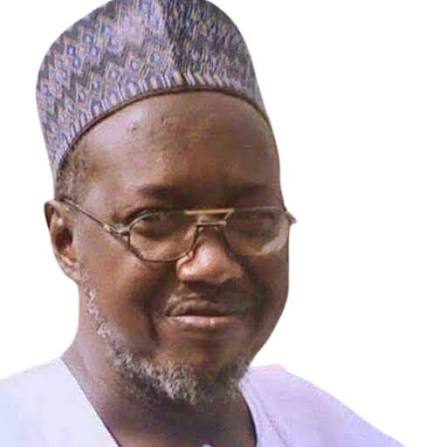
Nearly two decades after his passing, the legacy of Ja’afar Mahmud Adam continues to resonate across northern Nigeria, where he remains one of the most influential Islamic scholars of his time.
Born on February 12, 1960, in Daura, Sheikh Ja’afar’s early life was shaped by a strong commitment to Islamic learning. His educational journey took him from Kano to the prestigious Islamic University of Madinah, where he graduated in 1993, laying the foundation for a career that would leave a lasting imprint on religious scholarship.
As a prominent figure within the Jama’at Izalat al Bid’a Wa Iqamat as Sunna (Izala), he became widely known for advocating a return to the teachings and traditions of Prophet Muhammad (SAW). His sermons, often direct and uncompromising, earned him both admiration and criticism, but firmly established him as a voice of reform.
Read Also:
Rimi’s Education Legacy Linked to Late Abdulhamid Hassan’s Reforms
Kidnapped Nigerians Now Left to Die in Captivity as Poverty Deepens – Islamic Cleric
2025 in Memoriam: Nigerians and Global Icons Who Left a Lasting Legacy
One of the defining aspects of his influence was his annual Ramadan Tafsir in Maiduguri, where thousands gathered to listen to his interpretation of the Qur’an. Through these sessions and his teachings, he inspired a generation of followers committed to understanding Islam through scholarship and discipline.
Beyond preaching, Sheikh Ja’afar contributed to Islamic education through initiatives such as the establishment of the Usman Bin Affan Centre, reflecting his dedication to nurturing knowledge and guiding communities.
His life, however, was tragically cut short on April 13, 2007, when he was assassinated while leading the Subh prayer in Kano. The circumstances surrounding his death remain a subject of debate, with various accounts attributing it to extremist elements or other interests.
Yet, beyond the tragedy of his death, Sheikh Ja’afar Mahmud Adam is remembered for his steadfastness, courage, and commitment to truth as he understood it. His teachings continue to circulate widely, and his influence endures in mosques, learning circles, and among scholars across the region.
In memory, he stands not only as a preacher, but as a symbol of conviction and intellectual engagement in the pursuit of faith.

Insecurity: Gunmen kill Islamic cleric, visitor in Dutsin-Ma

Every Kano State Lawmaker Should Support Governor Abba Kabir Yusuf, Regardless of Party Affiliation – Dr. Baffa Babba Dan’agundi

Nigeria records no cases after patient’s evacuation to Switzerland – WHO

Kano Assembly Clears Six Commissioner Nominees for Executive Council

Kogi Police investigate as two officers die in fatal shooting at Ajaokuta
ABCOAD Unveils Journal, Bids Farewell to Provost

Nigerian Army Begins DSSC 29/2026 Recruitment, Outlines Eligibility Criteria

2027: NDC Releases Full List of Consensus Candidates in Kano

Gaya Polytechnic Opens Recruitment, Advertises 46 Academic, Non-Academic Positions