
Feature
All you need to know about Kiru local government area

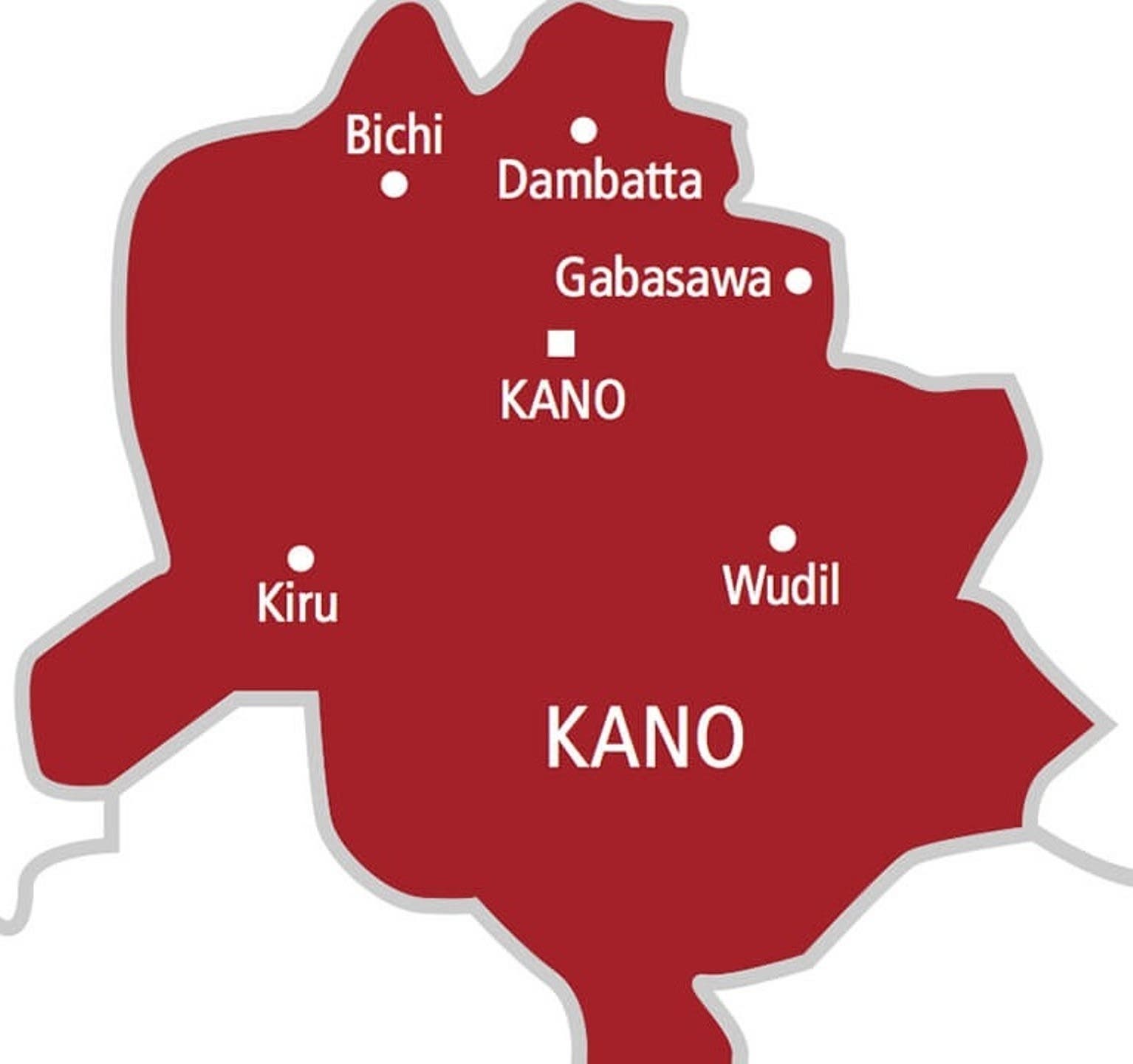
In the heart of Kano State lies Kiru Local Government Area, a region whose economic strength is quietly anchored in agriculture, livestock development, and a thriving culture of trade that continues to sustain livelihoods across Northern Nigeria.
When ‘The Historica Nigeria‘ paid a visit to the area, the reality on ground reflected a community deeply connected to production and exchange, where farming and commerce are not just occupations but a way of life.
Across its vast land, farmers cultivate essential crops such as maize, millet, sorghum, rice, and groundnuts, reinforcing Kiru’s role as a key contributor to food supply within the state. Livestock rearing also remains a dominant economic activity, supported by structured efforts to organise pastoral life.
In settlements such as Dansoshiya/Kamanda, Ruga communities established by a past Kano administration have continued to provide a framework for Fulani herders to manage cattle within a more coordinated environment. These settlements reflect an effort to resuscitate pastoral livelihoods while fostering coexistence with farming communities.
Read Also:
Lere: A Historic Fulani Settlement and Cultural Crossroads in Kaduna
Birnin Kudu: An Ancient Settlement With a Modern National Footprint
Why Tarauni Remains a Pillar of Kano’s Metropolitan Development
However, beyond the farms and grazing fields, one landmark stands out as a defining pillar of Kiru’s economy. At Kwanar Dangora close to Kafin Maiyaki, a historic periodic market continues to shape the commercial identity of the area.
During the visit by ‘The Historica Nigeria‘ on market day Friday, the market presented a vivid picture of economic activity in motion. Recognised as one of the oldest periodic markets in Kano State, ‘Kwanar Dangora‘ has built a reputation as a major centre for the exchange of agricultural commodities, livestock, and essential goods that meet the daily needs of people.
Traders at the market are not limited to Kano alone. Many travel from neighbouring parts of Kaduna State, reinforcing its status as a regional hub that connects rural producers with a wider network of buyers and merchants.
On market days, the atmosphere reflects a dynamic blend of tradition and commerce. Grains are traded in large volumes, livestock changes hands, and a wide range of goods circulate among buyers and sellers. The scale of activity underscores the market’s enduring relevance in a rapidly evolving economic landscape.
The impact of Kwanar Dangora market extends beyond trade. It serves as a significant source of internally generated revenue for the state while providing employment opportunities for a large number of people, including farmers, herders, traders, transporters, and youths from both rural and urban centres.
The accessibility of Kiru further strengthens this economic chain. Road networks such as the Kiru, Karaye, Gwarzo Road and the Zaria Road enable the steady movement of goods and people, linking the area to other parts of the state and beyond.
With a climate that supports year round agricultural activities and a population engaged in productive enterprise, Kiru continues to demonstrate the enduring value of rural economies in national development.
What emerges from Kiru is a compelling narrative of resilience and productivity. From its farmlands and Fulani settlements to the historic Kwanar Dangora market, the local government area stands as a testament to how rural communities can drive economic growth through consistency, structure, and enterprise.
As development conversations continue across the country, Kiru offers a clear example that sustainable progress is often rooted in communities where production meets opportunity, and where markets such as Kwanar Dangora continue to serve as the beating heart of economic life.

Kano Hosts NCCE Training as Experts Push Practical Agricultural Education

Atiku to Tinubu: Protect Nigerians, not just your billboards

Drug Abuse: Kano Government Boosts NDLEA’s Operations with Equipment

PDP defunct: Ganduje revisits Nigeria’s political history

Waya to Lead International Corporate Engagement in Kano Campaign Council
ABCOAD Unveils Journal, Bids Farewell to Provost

Nigerian Army Begins DSSC 29/2026 Recruitment, Outlines Eligibility Criteria

2027: NDC Releases Full List of Consensus Candidates in Kano

Gaya Polytechnic Opens Recruitment, Advertises 46 Academic, Non-Academic Positions