The Historica Nigeria

News

Jigawa, Kano, News

Retreat: BUK Professor Advocates Ethical, Inclusive Digital Journalism

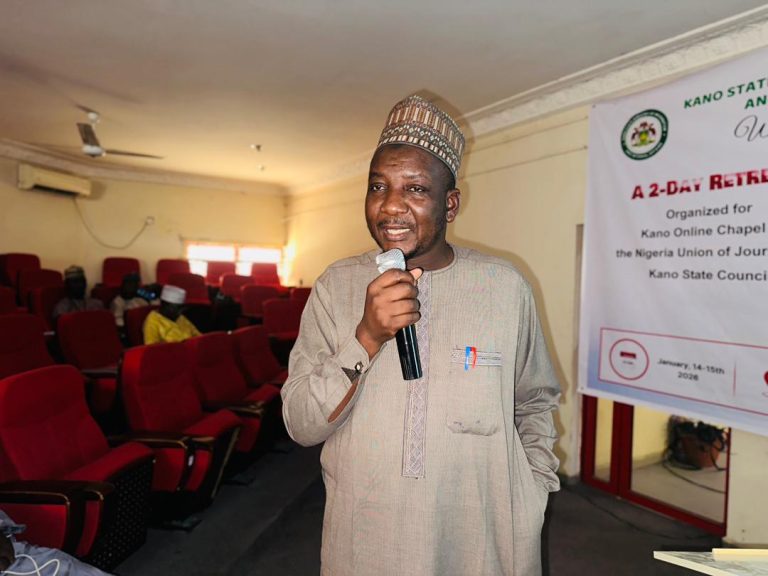
A Professor of Mass Communication at Bayero University Kano (BUK), Nura Ibrahim, has urged online journalists to prioritise responsible engagement and respect for privacy in the discharge of their professional duties. Prof. Ibrahim made the call while presenting a paper at a two-day retreat organised for members of the Kano Online Media Chapel of the Nigeria Union of Journalists (NUJ), held in Dutse, the Jigawa State capital. The retreat, sponsored by the Kano State Government through the Ministry of Information and Internal Affairs, brought together online journalists to strengthen their professional capacity under the theme, “Strengthening Digital Journalism Through Ethical Practice and Responsible Online Engagement.” Speaking during his presentation, the professor from the Department of Information and Media Studies, Faculty of Communication, Bayero University Kano, stressed the need for balance in reportage and cautioned journalists against the use of inflammatory language. Read Also: 300-Year-Old Kano Farming Settlement Faces Extinction Over Sand Mining Kano Govt Strengthens Digital Journalism Through Ethics-Focused Media Retreat Banks, Fintechs to Begin 7.5% VAT Deduction on Electronic Service Charges Monday He also urged practitioners to promote inclusivity, uphold cultural and religious sensitivity, avoid incitement, and ensure proper verification of facts before publication. According to him, correcting errors promptly and updating content where necessary are essential to maintaining public trust. Prof. Ibrahim further encouraged online journalists to actively combat misinformation by explaining issues accurately, providing credible sources, and avoiding the spread of rumours. He also advised the adoption of language optimisation tools alongside responsible search engine optimisation (SEO) practices to enhance credibility and reach without compromising ethical standards.

National, News

Religious Undertones in Govts $9m Image Laundering Scandal, Says ADC

The African Democratic Congress (ADC) has condemned the Federal Government’s approval of a $9m contract for lobbying services in the US, calling it “scandalous” and “a reflection of misplaced priorities”. The party says the move shows the government’s focus on polishing its image abroad rather than addressing Nigeria’s worsening insecurity and economic hardship. “The Tinubu administration is more concerned with its international image than the plight of Nigerians,” ADC’s National Publicity Secretary, Malam Bolaji Abdullahi, said. Read Also: Dr. Ganduje’s Political School and the Rise of Dr. Mariya Mahmoud Bunkure at 48 Banks, Fintechs to Begin 7.5% VAT Deduction on Electronic Service Charges Monday FG Unveils New ASUU Deal, Promises Better Pay, Stability The ADC argues the money could be better spent on protecting lives and easing citizen suffering, especially with thousands killed by insecurity and millions struggling to afford basics. The party also criticizes the government’s attempt to frame the lobbying effort around “Christian protection”, warning it could worsen sectarian tensions.

Economy, National, News

Banks, Fintechs to Begin 7.5% VAT Deduction on Electronic Service Charges Monday

The Federal Government has directed commercial banks, microfinance institutions and fintech platforms to commence the collection and remittance of a 7.5 per cent Value Added Tax (VAT) on selected electronic banking service charges with effect from Monday, January 19, 2026. The directive applies strictly to service fees charged on electronic transactions and not to the actual amount transferred by customers. The Nigerian Revenue Service (NRS), formerly the Federal Inland Revenue Service, said the move is aimed at standardising tax collection within Nigeria’s rapidly expanding digital economy and ensuring uniform compliance across the financial services sector. ‘The Historica Nigeria‘ reports that under the directive, financial institutions are required to deduct VAT solely from the transaction service fee. For instance, a transfer charge of ₦100 will now attract an additional ₦7.50 as VAT. Read Also: Inflation to Fall Below 10% as Nigeria’s Economy Rebounds — Tinubu Confirming the development in a notice to customers, fintech firm Moniepoint said it would begin implementing the directive from the stipulated date. The company explained that the VAT would be remitted to the Nigerian Revenue Service in line with government regulations. Moniepoint disclosed that the tax would apply to specific banking services, including electronic transfer charges, USSD transaction fees, mobile banking services and card issuance fees. According to details of the directive, VAT will be charged on mobile money transfers, USSD sessions and card-related fees, while interest earned on savings and deposit accounts remains exempt. The NRS further directed financial institutions to ensure transparency by clearly itemising VAT charges on transaction receipts and account statements to enable customers easily track deductions. The enforcement of VAT on electronic banking service charges follows the implementation of the new Tax Act, under which banks recently reinstated the ₦50 stamp duty formerly known as the Electronic Money Transfer Levy on electronic transfers of ₦10,000 and above. Although VAT on banking services is not entirely new, the NRS said the renewed enforcement is intended to ensure that both fintech platforms and traditional banks comply with the same remittance framework, thereby closing existing revenue gaps. As the January 19 commencement date approaches, customers are expected to receive similar notifications from other banks and fintech platforms detailing how the VAT deductions will apply to eligible electronic banking services.

Kano, News

Fire Outbreak Destroys 17 Tricycles, Two Fuel Tankers at Kano Filling Stations

No fewer than 17 tricycles and two petrol tankers were destroyed in two separate fire outbreaks at filling stations in Kano State on Tuesday. The Public Relations Officer of the Kano State Fire Service, Saminu Abdullahi, confirmed the incidents in a statement issued on Wednesday. Abdullahi said the first fire occurred at AA Ayagi Filling Station, Kanye village, along Gwarzo Road in Kabo Local Government Area, at about 8:45 p.m. According to him, the Fire Service control room received a distress call at about 20:45 hours from one of its personnel, Muhammad Wada Abdulsalam, reporting a fire outbreak at the station. Read Also: 300-Year-Old Kano Farming Settlement Faces Extinction Over Sand Mining Firefighters from the Rijiyar Zaki division were immediately deployed to the scene, where they met a petrol tanker conveying Premium Motor Spirit (PMS) already engulfed in flames while offloading fuel. He explained that the tanker, with registration number XPB 999 FA and owned by AA Ayagi Company, had discharged fuel from two compartments into an underground tank, while three other compartments containing about 5,000 litres of petroleum products were being offloaded when the fire broke out. The inferno completely destroyed the tanker truck, Abdullahi said. He added that the second incident occurred at Al-Wahida Nigeria Limited Filling Station, Rimin Kebe Karshen Kwalta, in Nassarawa Local Government Area. The affected tanker, owned by BA Bello Company and bearing registration number KHX 29 XA, was said to be conveying about 45,000 litres of petroleum products when the fire started during the offloading process. Abdullahi said the blaze destroyed the tanker head, part of the tanker body, and 17 tricycles (Adaidaita Sahu) parked nearby. He noted that firefighters were able to contain the fire, preventing it from spreading further, while a portion of the petroleum products and parts of the tanker body were salvaged. The Fire Service spokesperson also disclosed that another fire incident occurred at Kundila Quarters near SALSA College, where one room, a toilet and a corridor in a residential building were destroyed. Meanwhile, the Director of the Kano State Fire Service, Sani Anas, advised members of the public, particularly filling station operators and fuel tanker drivers, to strictly observe safety measures during fuel handling and offloading to prevent avoidable disasters.

Education, National, News

FG Unveils New ASUU Deal, Promises Better Pay, Stability

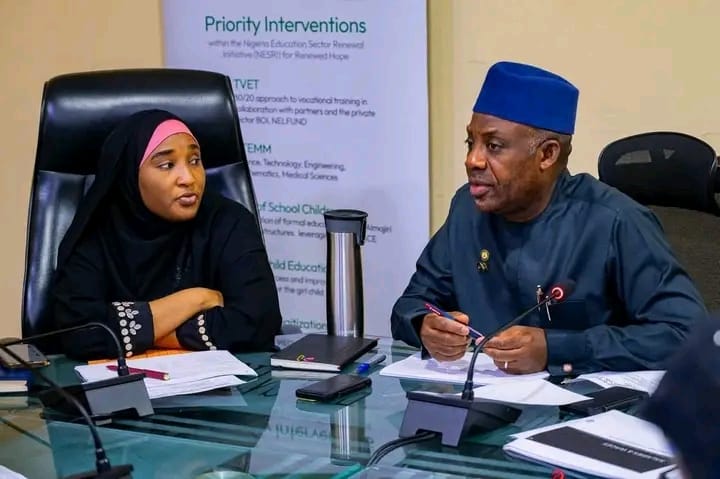
The Federal Government has finalized a comprehensive agreement with the Academic Staff Union of Universities (ASUU), promising improved remuneration and stability in tertiary institutions. The Minister of Education, Dr. Tunji Alausa, presented the agreement in Abuja, framing it as the culmination of President Bola Tinubu’s direct intervention. Read Also: Nigeria Signs $9m Deal With U.S Lobbyists Over Christian Persecution Allegations Tinubu Says Nigeria to Generate Up to $3bn Yearly From Carbon Market Kano Govt Strengthens Digital Journalism Through Ethics-Focused Media Retreat Key provisions include a significant review of remuneration for academic staff, a Consolidated Academic Tools Allowance, and a Professorial Credit Allowance for senior academics. The agreement addresses conditions of service, university funding, autonomy, and academic freedom, and takes effect from January 1, 2026.

National, News

Nigeria Signs $9m Deal With U.S Lobbyists Over Christian Persecution Allegations

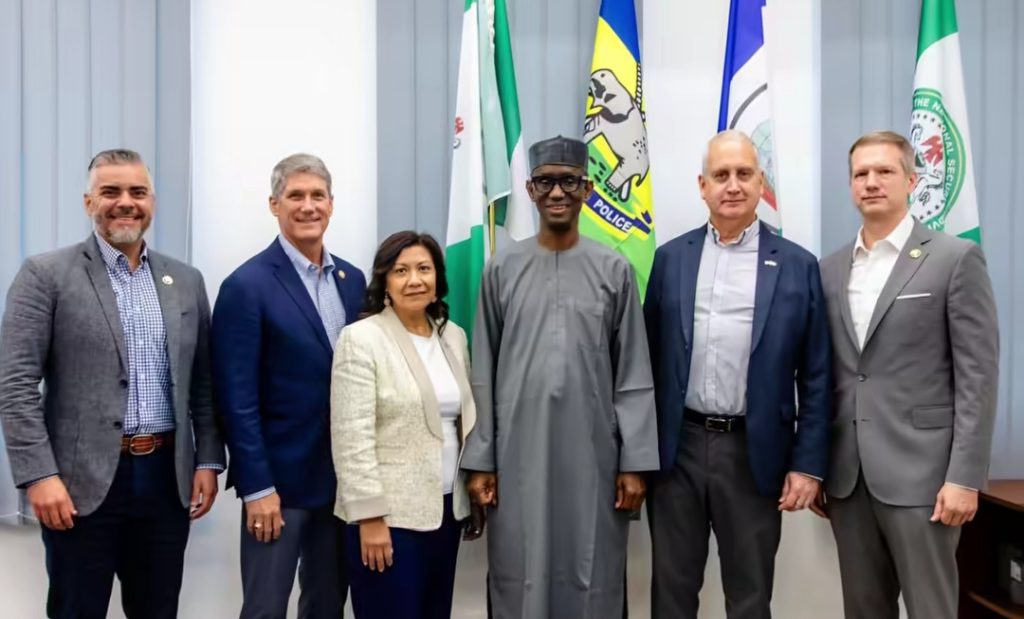
The Federal Government of Nigeria has entered into a $9 million contract with a Washington-based lobbying firm, DCI Group, to counter claims of Christian persecution and influence the United States government’s perception of Nigeria’s efforts to protect Christian communities. Documents filed with the United States Department of Justice and first reported by TheCable show that the agreement was facilitated by Kaduna-based law firm, Aster Legal, on behalf of the Office of the National Security Adviser (NSA), Nuhu Ribadu. Under the contract, DCI Group is mandated to assist the Nigerian government in “communicating its actions to protect Nigerian Christian communities and maintaining U.S. support in countering West African jihadist groups and other destabilising elements.” The agreement stipulates a monthly fee of $750,000, amounting to $9 million over a 12-month period. It commenced with an initial six-month term set to expire on June 30, 2026, with an automatic renewal clause for an additional six months. Read Also: Tinubu Says Nigeria to Generate Up to $3bn Yearly From Carbon Market Kano Govt Strengthens Digital Journalism Through Ethics-Focused Media Retreat US Delivers Military Supplies to Nigeria to Support Security Operations Records indicate that Nigeria made an upfront payment of $4.5 million on December 12, 2025, covering the first half of the contract, while the balance is expected to be paid upon completion of the initial term. The contract also provides that either party may terminate the agreement “for any reason without penalty” by giving a 60-day written notice. The lobbying move follows growing diplomatic tensions between Abuja and Washington over allegations of religious persecution in Nigeria. In October 2025, U.S. President Donald Trump redesignated Nigeria as a “country of particular concern,” citing violence against Christians. Nigerian authorities have consistently rejected the designation, arguing that insecurity in the country stems from terrorism, banditry, and communal conflicts rather than religious targeting. Tensions further escalated in November when President Trump suggested the possibility of direct U.S. intervention, including potential military action, to protect Christian communities. The situation intensified on Christmas Day when the U.S. military carried out airstrikes on terrorist targets in Bauni Forest, Sokoto State, signalling increased U.S. involvement in Nigeria’s counterterrorism operations. In response, the Federal Government reiterated its commitment to engaging the United States through diplomatic and legal channels to address what it described as misconceptions surrounding the safety of Christian communities in Nigeria.

Jigawa, News

Kano Govt Strengthens Digital Journalism Through Ethics-Focused Media Retreat

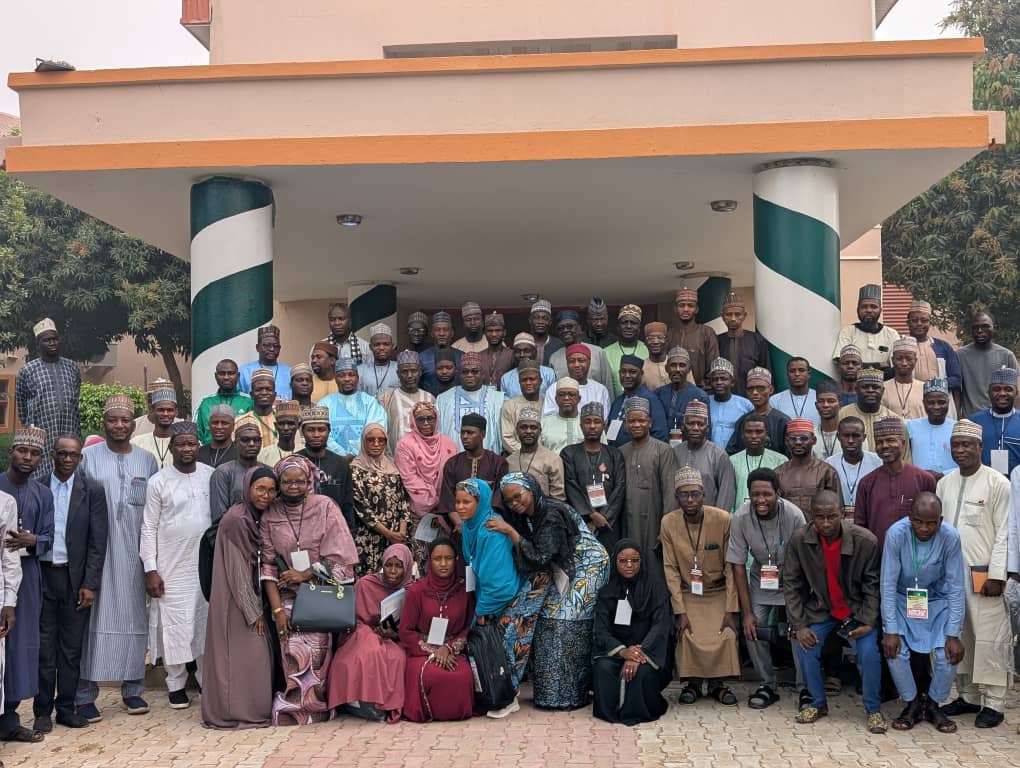
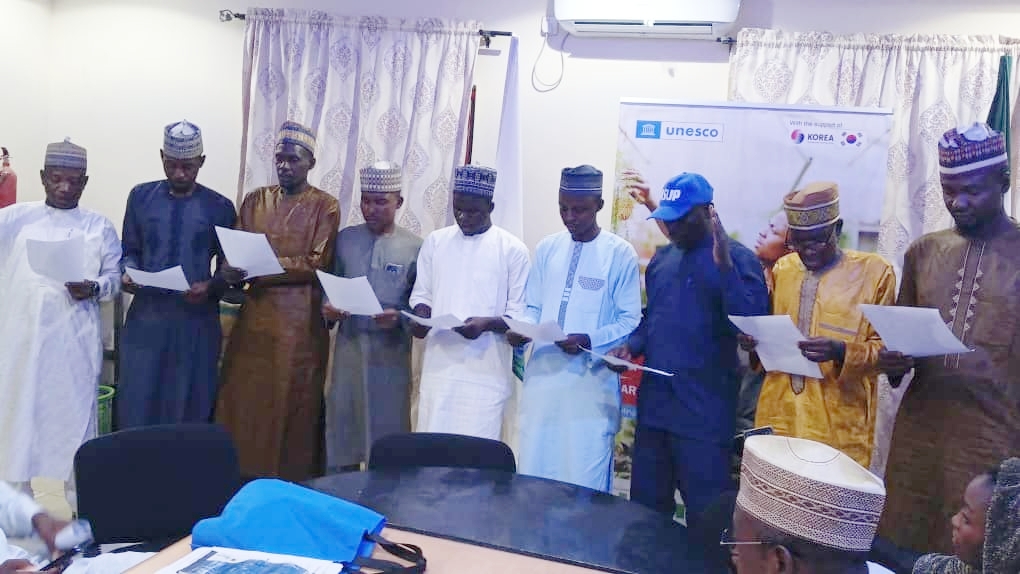
The Kano State Government has reaffirmed its commitment to promoting ethical, responsible and professional digital journalism, describing the media as a critical pillar of democratic governance. The Commissioner for Information and Internal Affairs, Comrade Ibrahim Abdullahi Waiya, stated this on Wednesday while declaring open a two-day retreat for members of the Kano Online Media Chapel of the Nigeria Union of Journalists (NUJ) in Dutse, Jigawa State. The retreat, organised by the Kano Online Media Chapel with the support of the Kano State Government, is themed “Strengthening Digital Journalism Through Ethical Practice and Responsive Online Engagement.” Waiya said the training, the first of its kind for online newspaper publishers in Kano State, underscored the administration of Governor Abba Kabir Yusuf’s recognition of journalism as a vital component of democratic practice. He commended Governor Yusuf for approving and sponsoring the retreat, noting that the gesture reflected the government’s commitment to manpower development across sectors, including the media. Read Also: 300-Year-Old Kano Farming Settlement Faces Extinction Over Sand Mining Kano Power Struggle Heats Up as Yusuf Reappears Without Kwankwaso Allies Kano Online Media Chapel Hosts AI-Focused Capacity Workshop for Digital Journalists The commissioner urged online media practitioners to uphold ethical standards, professionalism, accuracy and integrity in news gathering and dissemination, stressing that online journalism must be clearly distinguished from unregulated social media activity. “Online journalists are not the same as social media users. Digital journalism must be guided by legal and ethical decorum, not sensationalism or the rush for quick breaking news,” Waiya said. He noted that the rapid growth of digital platforms, coupled with emerging technologies such as artificial intelligence, has made continuous self-development and professionalism imperative for journalists seeking credibility at local, national and global levels. Waiya also acknowledged the role of the Kano State Council of the NUJ in supporting the establishment and growth of the Online Media Chapel, attributing the successes recorded so far to cooperation and unity within the union. He further disclosed that the Ministry of Information and Internal Affairs is advocating for the establishment of a state Freedom of Information law in line with the federal Freedom of Information Act, as part of efforts to strengthen transparency and press freedom in the state. In his remarks, the Acting Permanent Secretary, Ministry of Information and Internal Affairs, Kano State, Malam Usman Bello, said the government approved the retreat outside Kano State in recognition of the growing importance of online journalism. He explained that similar engagements had previously been organised for the Correspondents’ Chapel, adding that the retreat was aimed at equipping online journalists with the skills required to adapt to new trends in the profession and practice in line with modern global best practices. Bello noted that the impact of online media transcends state boundaries, stressing that capacity-building programmes of this nature would help shape journalism practice not only in Kano State but across the country. Also speaking, the Chairman of the Kano Online Media Chapel thanked the Kano State Government and the Ministry of Information and Internal Affairs for their support, describing the retreat as timely and impactful. He urged members of the chapel to continue operating within the laid-down ethical guidelines of the journalism profession and in line with the social and legal provisions of Kano State. The retreat drew participants from various online media organisations operating across Kano State. The retreat was attended by editors and publishers of various online newspapers operating in Kano State.

Abuja, Kano, News, Politics

Ganduje Rallies Kano APC Members for Strategic E-Registration Push

By Umar Idris Shuaibu The Kano State chapter of the All Progressives Congress (APC) has called for massive mobilisation of members to strengthen the ongoing e-registration exercise, describing it as a strategic move to secure victory in the next general elections. The call was made on Tuesday at the end of a marathon stakeholders’ meeting held in Kano. Speaking at the meeting, the immediate past National Chairman of the APC and Chairperson of the Board of the Federal Airports Authority of Nigeria (FAAN), Dr. Abdullahi Umar Ganduje, stressed that the e-registration exercise is critical to building a comprehensive, credible and verifiable membership database capable of enhancing the party’s electoral performance nationwide. Following briefings by the Kano APC Chairman, Abdullahi Abbas, and the state e-registration coordinator, Shafi’u Darma, the meeting resolved that all party members must ensure they are registered and actively encourage others to do so, especially given the party’s strong grassroots presence across the state. Read Also: Abba Yusuf’s Calculated Defection Leaves Old Loyalists Politically Exposed Kano Power Struggle Heats Up as Yusuf Reappears Without Kwankwaso Allies Group Backs Adamu Abdu Fanda for Kano Deputy Governorship, Cites Experience, Competence Stakeholders noted that accurate and comprehensive registration would further consolidate the APC’s political structure, expand voter outreach and maximise its chances in forthcoming elections, building on over one and a half decades of loyalty and organisational influence in Kano. Members were also urged to remain united and rally behind President Bola Ahmed Tinubu’s Renewed Hope Agenda. The meeting, chaired by Ganduje, was attended by several APC leaders, including the Deputy Senate President, Senator Barau Jibrin; Senator Abdulrahman Kawu Sumaila (Kano South); Hon. Kabir Abubakar Bichi; Hon. Alhassan Ado Doguwa; Prince Abdullahi Abbas; Dr. Nasiru Yusuf Gawuna; and Hon. Murtala Sule Garo, the party’s gubernatorial and deputy gubernatorial candidates in the 2023 elections. Others in attendance included Ministers of State Yusuf Abdullahi Ata (Housing Development) and Dr. Mariya Mahmud Bunkure (Federal Capital Territory); former Deputy Governor and former Minister of Housing Development, Alhaji Abdullahi Tijjani Muhammad Gwarzo; party elder, Alhaji Nasiru Aliko Koki; Managing Director of the Hadejia Jama’are River Basin Development Authority, Engr. Rabi’u Sulaiman Bichi; Director-General of the National Productivity Centre, Hon. Baffa Babban Dan’Agundi; Arch. Aminu Dabo; Bashir Maisango, deputy state secretary; Abdullahi Mahmud Gaya; Hon. Ma’aruf Maiwake; Hon. Nasiru Aminu Bala Ja’oji; and Comrade Muhammad Garba.

Agriculture, Economy, National, News

FG Promotes Market-Driven Agriculture Under $500m AGROW Initiative

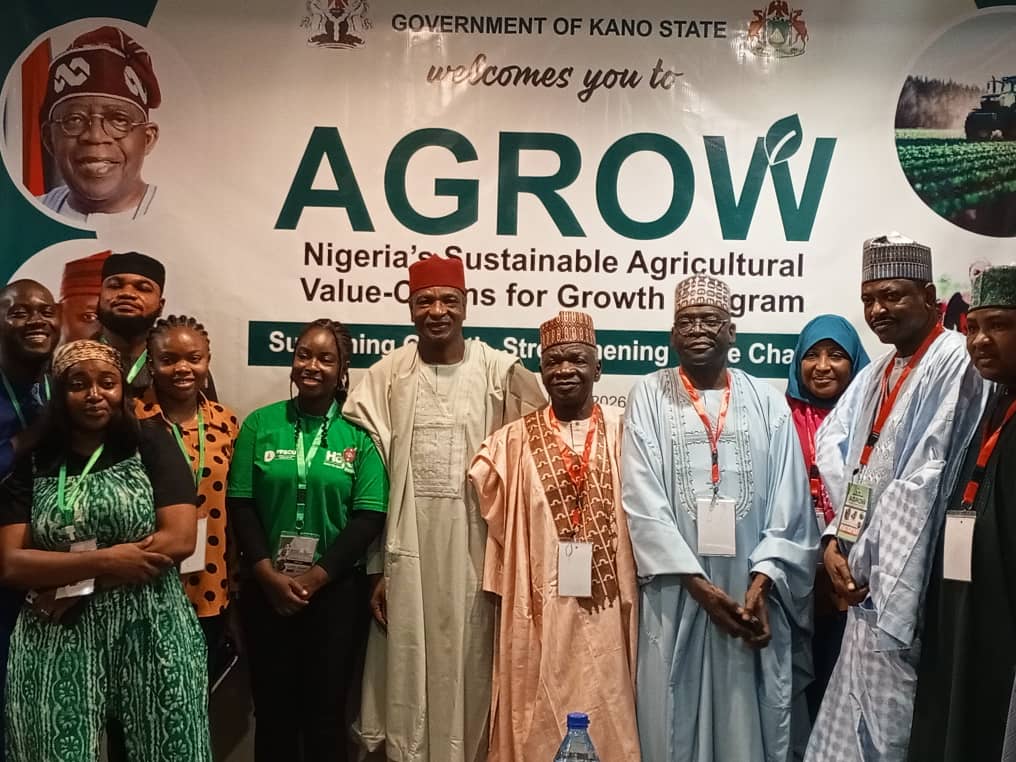
The Federal Government has reiterated its commitment to ensuring that farmers are actively involved in policy decisions aimed at boosting agricultural productivity and strengthening national food security. The Manager, Research, Data and Impact Assessment at the Presidential Food Systems Coordinating Unit (PFSCU), Mr. Eniola Akindele, stated this during the Nigeria Sustainable Agricultural Value Chains for Growth Programme (AGROW) Agroecological Zonal Workshop held in Kano. Akindele said the current administration is prioritising farmer-driven, market-oriented and results-based agricultural interventions, stressing that policies must respond to realities on the ground rather than follow a top-down approach. According to him, AGROW focuses on strategic value chains including rice, wheat, tomato, sesame and sorghum, which are critical to Nigeria’s food security and economic development. He explained that AGROW is a $500 million homegrown initiative led by Nigeria, co-created across the three tiers of government, and shaped in partnership with the private sector and development partners, with technical support from the World Bank. Read Also: Tinubu Says Nigeria to Generate Up to $3bn Yearly From Carbon Market 300-Year-Old Kano Farming Settlement Faces Extinction Over Sand Mining Govt Girls’ School Maga Reopens After Bandit Attack Akindele noted that past agricultural programmes were hindered by fragmented public spending, blanket input subsidies, government-driven implementation models, opaque land administration systems and multiple informal trade levies. He said the AGROW framework introduces a new approach centred on state-level agricultural support, financial incentives tied to market outcomes and targeted public investment. Other pillars include institutionalised private sector engagement, transparent and secure land administration, as well as efficient and predictable interstate agricultural trade. The PFSCU official added that the programme is built on three major components: strengthening private sector linkages with smallholder farmers, modernising on-farm production systems, and effective project coordination, monitoring and evaluation. He further outlined eligibility requirements for states seeking to participate in AGROW, including sustainable land-based investment processes, digital farmer registries, increased transparency in fees and levies for interstate trade, reduced reliance on input subsidies and stronger support for agricultural cooperatives. In his remarks, the Permanent Secretary, Kano State Ministry of Agriculture and Natural Resources, Alhaji Bashir Sunusi, said the workshop aligns with the Kano State Government’s agenda to improve agricultural productivity and strengthen food systems. He disclosed that the state government has recruited 1,038 agricultural extension workers, provided farming equipment such as tractors and power tillers, and established three mechanisation centres in Gaya, Dambatta and Kadawa. Participants at the workshop were drawn from Sudan Savannah agroecological states of Kano, Katsina, Bauchi, Gombe, Kebbi, Sokoto and Zamfara.

International, National, News

Tinubu Says Nigeria to Generate Up to $3bn Yearly From Carbon Market

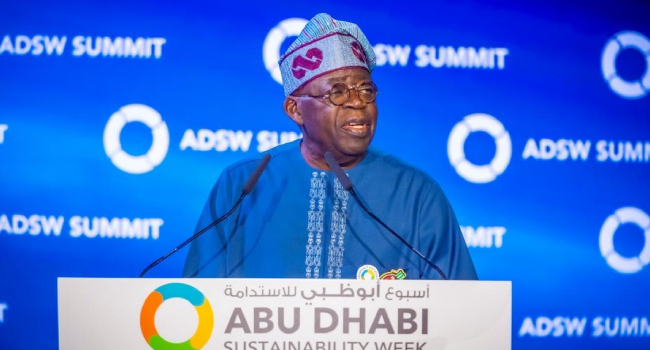
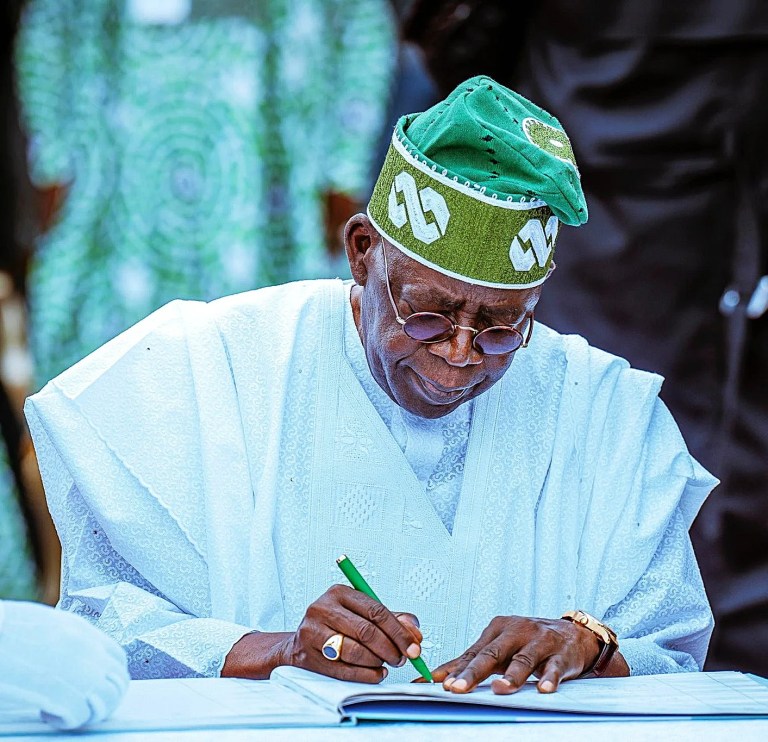
President Bola Ahmed Tinubu has disclosed that Nigeria is mobilising climate finance through a newly activated carbon market framework expected to unlock between $2.5 billion and $3 billion annually over the next decade. Tinubu made this known on Tuesday while speaking at the 2026 edition of the Abu Dhabi Sustainability Week, themed “The Nexus of Next: All Systems Go,” where he told global leaders that Nigeria had taken decisive regulatory steps to strengthen its climate governance architecture. According to the President, these steps include the adoption of the National Carbon Market Activation Policy and the launch of the National Carbon Registry to enhance emissions reporting, transparency and verification. “Nigeria feels at the heart of development opportunity. In this spirit, Nigeria has launched a climate and green industrialisation investment to unlock between $20 billion and $30 billion annually in climate finance,” Tinubu said. He also cited the 2023 Electricity Act, noting that it provides for decentralised and inclusive energy access to rural communities, off-grid health facilities, educational institutions, markets and other underserved areas across the country. Read Also: US Delivers Military Supplies to Nigeria to Support Security Operations Inflation to Fall Below 10% as Nigeria’s Economy Rebounds — Tinubu Islamic Month of Rajab Holds Spiritual Significance but No Exclusive Worship, Says Kano Cleric Tinubu said the Federal Government was modernising Nigeria’s energy architecture to deploy sustainable power nationwide, stressing the urgency of advancing green technologies to improve efficiency, modernise infrastructure and accelerate access to clean energy. “Nigeria recognises the urgent need to deploy and advance technologies to improve green efficiency, modernise infrastructure, and accelerate the delivery of sustainable energy to underserved areas,” he added. The President announced several financing initiatives, including a climate investment platform targeting $500 million for climate-resilient infrastructure, a national climate platform aimed at supporting $2 billion in capital investment, and a $50 billion sub-regional green bond, which he said was oversubscribed by 97.7 per cent. He further highlighted the World Bank’s involvement, revealing that the institution is implementing a $750 million programme to expand clean electricity access to over 17.5 million Nigerians. Tinubu said Nigeria’s Energy Transition Plan integrates climate mitigation, industrial growth and social development into a single framework, with a target of achieving net-zero emissions by 2060 while delivering universal energy access. He called for stronger partnerships with developed nations in technology transfer, innovation and knowledge exchange, noting that the adoption of artificial intelligence to optimise efficiency was no longer a futuristic concept. Nigeria approved the National Carbon Market Framework in October 2025. The framework provides guidelines for carbon credit registration, issuance and verification, and is designed to incentivise emissions reduction projects in forestry, renewable energy, clean cooking and agriculture. In November 2025, the Federal Government operationalised the Climate Change Fund and restored the National Council on Climate Change to the federal budget. Nigeria also submitted its updated climate commitments to the United Nations in September 2025.

Scroll to Top