The Historica Nigeria

National

Feature, National, Politics

Peter Obi, IPOB and the questions that still demand answers

By Munir Ibrahim Publisher Politically, words matter. The statements made by public figures, particularly those seeking the highest office in the land, often outlive the political moment in which they were made. Years after Nigeria’s 2023 presidential election, one statement attributed to Peter Obi continues to generate debate and raise important questions about national security, political responsibility and leadership. In October 2022, Peter Obi was widely reported as saying that members of the Indigenous People of Biafra (IPOB) were “not terrorists,” adding that he lived among them and encountered them regularly in Onitsha. According to reports, Obi argued that many of those associated with the movement were ordinary people and should not be automatically classified as terrorists. At first glance, the statement may appear to be an attempt to distinguish between ordinary supporters of a political cause and those who may be involved in violent activities. However, the statement also raises significant questions that deserve serious public scrutiny. The first question is whether personal experience should be used as the basis for evaluating organizations that have become subjects of national security concern. Peter Obi’s argument appeared to rely heavily on his personal interactions with individuals he identified as IPOB members. Yet national security assessments are typically based on intelligence reports, investigations, court decisions and the analysis of security agencies rather than personal encounters. Read Also: Ganduje breaks silence on Kwankwaso remarks, recalls 1998 Kano primaries ‘IPOB members are not terrorists’ — Peter Obi’s past remarks trend online Ganduje, Kuku and the transformation of Nigeria’s airports If a political leader claims that a group is not involved in terrorism because he personally knows some of its members, where should the line be drawn? Can personal familiarity be sufficient grounds to challenge official security classifications? These questions become even more important in a country facing multiple security threats. Secondly, Obi’s statement raises the issue of consistency. If personal experience is enough to dismiss allegations against one group, would the same standard apply to every organization accused of violence in other parts of Nigeria? Public policy requires standards that are consistent and universally applicable, regardless of region, ethnicity or political affiliation. Furthermore, the statement invites a broader discussion about the distinction between peaceful agitation and violent conduct. Across the world, political movements often contain a mixture of peaceful supporters and more radical elements. The challenge for responsible leadership is to clearly separate legitimate political expression from any actions that threaten lives, public order or national unity. Years after making the statement, many Nigerians may legitimately ask whether Peter Obi still maintains the same position. If his views have evolved in light of subsequent developments, has he clearly communicated those changes to the public? If his position remains unchanged, what specific evidence supports it today? These are not questions of political hostility. They are questions of accountability. Democracy requires citizens to critically examine the statements of all political actors, regardless of party affiliation or personal popularity. Supporters of Peter Obi may argue that he was defending innocent citizens from broad generalizations and advocating for a more nuanced understanding of the situation in the South-East. Critics, on the other hand, may contend that public figures must exercise caution when discussing groups that have been linked to security controversies. The purpose of revisiting this debate is not to demonize any individual or community. Rather, it is to encourage honest reflection on the responsibilities of leadership in a complex and diverse nation like Nigeria. As Nigeria continues to search for solutions to its security challenges, the country deserves clarity from its leaders. The question is not merely what Peter Obi said in 2022. The more important question is whether the reasoning behind that statement remains convincing today and whether it reflects the level of judgment Nigerians expect from those who seek to lead the nation. By Munir Ibrahim Publisher muneeribrahim2020@gmail.com

National, News, Politics

‘IPOB members are not terrorists’ — Peter Obi’s past remarks trend online

By Umar Idris Shuaibu, Kano A video of the presidential candidate of the Nigeria Democratic Congress (NDC), Mr. Peter Obi, opposing the proscription of the Indigenous People of Biafra (IPOB) has resurfaced online and is generating fresh discussions on social media. The video clip, taken from an appearance on Channels Television’s Politics Today programme on October 1, 2017, shows Obi questioning the Federal Government’s decision to designate IPOB as a terrorist organisation. At the time, Obi, who was a member of the Peoples Democratic Party (PDP) and a former governor of Anambra State, argued that IPOB members did not fit the description of terrorists. “The only thing I disagree with is naming IPOB terrorists. They are not terrorists. Those who took the decision may have information that I don’t have,” Obi said during the interview. Read Also: Ganduje breaks silence on Kwankwaso remarks, recalls 1998 Kano primaries CAN Declares June 14 ‘Black Sunday’ to Honour Victims of Terror Attacks NDC chairman attacked, Obi-Kwankwaso posters set ablaze in Kano He further stated that, based on his personal experiences in Anambra State, he had not observed IPOB members engaging in activities that posed a threat to public safety. “I live in Onitsha, and I can tell you they are not terrorists. They are people I pass on the road every day,” he said. According to Obi, gatherings organized by IPOB members in the state had not resulted in threats, molestation, or violence against residents. The comments were made shortly after the Federal Government proscribed IPOB in 2017 and designated the separatist movement as a terrorist organisation. IPOB is a group advocating for the creation of an independent Biafran state from parts of Nigeria’s South-East and South-South regions. The organisation has repeatedly been accused by authorities of involvement in violent attacks and insecurity in parts of the South-East, allegations the group has often denied. The resurfaced interview comes amid renewed political attention on Obi following his emergence as the presidential candidate of the NDC ahead of the 2027 general election. The viral clip has reignited public debate over the government’s decision to proscribe IPOB and the broader conversation surrounding security, separatist agitations, and political responses to such movements. Also referenced in the renewed discussion are comments previously made by Nobel Laureate, Professor Wole Soyinka, who questioned the selective application of proscription measures against various groups operating within the country. As reactions continue online, Obi’s 2017 remarks remain part of the wider national conversation on security, civil liberties, and the management of separatist movements in Nigeria.

Abuja, National, News

INEC launches probe over unauthorized access to voter registration database

The Independent National Electoral Commission (INEC) has commenced an investigation into the alleged unauthorized access and disclosure of information from its Continuous Voter Registration (CVR) database. The commission’s reaction followed widespread reports and discussions on social media regarding the publication of voter registration information linked to Nollywood actor and politician, Emeka Ike, who recently contested in the Nigerian Democratic Congress (NDC) House of Representatives primary election for the AMAC/Bwari Federal Constituency in the Federal Capital Territory (FCT). The controversy emerged after the media aide to the FCT Minister, Mr. Lere Olayinka, shared information indicating that Ike had transferred his voter registration from Imo State to the FCT on May 15, 2026. The post reportedly contained screenshots displaying details such as the actor’s application number, registration centre, Voter Identification Number (VIN), profile photograph, name, and date of application. Read Also: Associate Professor Amina Ganduje’s Quiet March into Nigeria’s Intellectual Elite FG abolishes mandatory three-month pre-retirement leave for civil servants NEMA warns 178 Kano communities of flood risk, lists 28 vulnerable LGAs Reacting to the development, Emeka Ike described the disclosure as disturbing and indicative of political misconduct, stating during an interview on Channels Television’s The Morning Brief that he was considering legal action over the incident. In a statement issued by the National Commissioner and Chairman of the Information and Voter Education Committee (IVEC), Mohammed Kudu Haruna, INEC said it was treating the matter with utmost seriousness and had immediately initiated a comprehensive investigation. The commission explained that authorized registration officers involved in the ongoing nationwide CVR exercise were granted controlled access to specific aspects of the registration system to enable them process new registrations, transfers, and updates of voter records. According to INEC, such access is strictly limited to official duties and is withdrawn once the exercise is concluded. The commission disclosed that preliminary findings from its audit trail had enabled investigators to identify the specific user account through which the information was accessed. It added that relevant personnel had been questioned, while all departments connected to the incident were cooperating with the ongoing investigation. INEC further stated that it was reviewing the technical, administrative, and operational circumstances surrounding the incident to determine individual responsibility and identify any breach of internal access-control procedures. The electoral body emphasized that its preliminary findings do not indicate any external breach of its database, hacking incident, or unauthorized access to its information technology infrastructure. Rather, it said the information was accessed using valid credentials assigned to personnel participating in the CVR exercise, but those credentials were subsequently disclosed without authorization. According to the commission, the incident relates only to the retrieval of a specific voter record and does not suggest any compromise of the broader voter registration database or the personal information of more than 90 million registered voters. INEC reaffirmed its commitment to protecting the security, confidentiality, and integrity of voter information, assuring Nigerians that appropriate action would be taken against anyone found culpable. The commission also revealed that the Department of State Services (DSS) has independently commenced an investigation into the matter. INEC reiterated that safeguarding voter data remains a top priority and pledged to maintain transparency throughout the investigation process.

National, News, Religious

CAN Declares June 14 ‘Black Sunday’ to Honour Victims of Terror Attacks

The Christian Association of Nigeria (CAN) has declared Sunday, June 14, 2026, as “Black Sunday” in honour of victims of terrorism and violent attacks across the country. The association also announced a three-day national prayer programme scheduled to hold from June 12 to June 14 as part of efforts to seek divine intervention over the country’s worsening security challenges. CAN President, Archbishop Daniel Okoh, disclosed this at the end of the National Church Denominational Leadership Summit 2026. He, however, stressed that prayers alone would not be sufficient to address the growing insecurity facing the nation, calling for concrete and decisive actions from government at all levels. Read Also: FG abolishes mandatory three-month pre-retirement leave for civil servants Ganduje, Kuku and the transformation of Nigeria’s airports NDC chairman attacked, Obi-Kwankwaso posters set ablaze in Kano According to Okoh, there is an urgent need for stronger measures to tackle terrorism, banditry, kidnapping, and other forms of violent crimes threatening lives and livelihoods across Nigeria. The CAN President urged the Federal Government to declare a state of emergency on insecurity, saying the situation requires extraordinary measures to restore peace and public confidence. He also renewed calls for the establishment of state police and the decentralisation of the country’s security architecture to enable faster and more effective responses to security threats. Okoh further demanded the unconditional release of all kidnapped victims currently being held by criminal groups and called for justice to be served for victims and affected communities. The Christian leader expressed concern over the continued loss of lives and destruction of property in various parts of the country, urging security agencies to intensify efforts toward protecting citizens. He reiterated CAN’s commitment to supporting initiatives that promote peace, national unity, and security, while encouraging Christians across the country to participate in the planned prayer sessions and Black Sunday observance. The association maintained that addressing insecurity requires both spiritual commitment and practical policy actions aimed at safeguarding lives and strengthening national stability.

National, News

FG abolishes mandatory three-month pre-retirement leave for civil servants

The Federal Government has directed all Ministries, Departments and Agencies (MDAs) to immediately discontinue the practice of placing civil servants on a mandatory three-month pre-retirement leave, declaring that such a provision does not exist in the Public Service Rules. The directive was contained in a circular issued by the Head of the Civil Service of the Federation, Mrs. Didi Walson-Jack, and addressed to ministers, permanent secretaries, service chiefs, heads of agencies, and other senior public sector administrators. In the circular titled “Correct Interpretation of Public Service Rule 120243 on Pre-Retirement Activities,” the Head of Service said several MDAs had misinterpreted the retirement notice period as an automatic leave period, resulting in the premature withdrawal of officers from active service. According to her, Public Service Rule 120243 only requires officers due for retirement to provide three months’ notice before their retirement date, attend a one-month pre-retirement workshop or seminar, and utilise the remaining period to reconcile service records and complete pension documentation. Read Also: Associate Professor Amina Ganduje’s Quiet March into Nigeria’s Intellectual Elite Tinubu Commends Navy’s 70 Years of Service, Commissions Three New Vessels Ganduje, Kuku and the transformation of Nigeria’s airports “The so-called mandatory three-month pre-retirement leave has no basis in the Public Service Rules,” Walson-Jack stated. She explained that the rule establishes three separate obligations: the issuance of a retirement notice, participation in a pre-retirement seminar during the first month, and the completion of retirement-related administrative processes during the remaining two months. “A retiring officer must give three months’ notice before their effective date of retirement. This is a notice requirement, not a leave entitlement,” the circular stated. The Head of Service further clarified that officers approaching retirement remain public servants throughout the notice period and are expected to continue discharging their official responsibilities except when attending approved retirement workshops or when otherwise authorised to be absent under existing leave regulations. “PSR 120243 does not exempt retiring officers from official duties during the notice period, except where they are attending an approved pre-retirement workshop or seminar, or are otherwise authorised to be absent under extant leave rules,” the circular added. Consequently, all MDAs have been directed to stop compelling retiring officers to vacate their offices before their official retirement dates. Under the new directive, ministries and agencies are required to ensure that retiring officers continue performing their duties, participate in approved pre-retirement programmes, and complete all pension and service record reconciliations before exiting the service. The circular also instructed permanent secretaries, directors-general, executive secretaries, chairpersons of statutory agencies, and chief executives of government organisations to bring the directive to the attention of all staff and ensure strict compliance. The clarification is expected to affect thousands of federal civil servants approaching retirement annually. For decades, many MDAs treated the three-month notice period as a form of extended leave, often directing officers to stop reporting for duty immediately after submitting retirement notices. In practice, many workers spent the period away from work while awaiting the completion of retirement processes. The Federal Government said the latest directive is aimed at standardising the implementation of the Public Service Rules across government institutions and preventing the loss of valuable manpower arising from the early disengagement of experienced officers. The government also believes the measure will improve service delivery by ensuring that retiring officers continue contributing their expertise until their official retirement dates while simultaneously completing documentation required for pension processing. Nigeria’s federal civil service retirement framework is governed by the Public Service Rules and the Pension Reform Act, under which civil servants retire upon attaining 60 years of age or after 35 years in service, whichever comes first. Over the years, delays in pension processing and inconsistencies in personnel records have remained major challenges for retiring public servants, prompting efforts to encourage early documentation and verification of retirement records. The latest circular seeks to end the longstanding ambiguity surrounding the interpretation of the rule by affirming that the three-month period is primarily a notice and administrative preparation window rather than an automatic leave period.

National, News

Tinubu Commends Navy’s 70 Years of Service, Commissions Three New Vessels

By Umar Idris Shuaibu President Bola Ahmed Tinubu has commended the Nigerian Navy for its seven decades of dedication to safeguarding the nation’s maritime domain and protecting Nigeria’s economic interests. The President spoke on Monday at the 2026 International Fleet Review held at the Eko Atlantic Waterfront in Lagos as part of activities marking the Nigerian Navy’s 70th anniversary. During the event, President Tinubu commissioned three naval vessels, the NNS Oloibiri, NNS Mambila, and NNS Gurara as part of efforts to strengthen the operational capacity of the Service. The President praised the Navy for its achievements in combating piracy, crude oil theft, illegal fishing, maritime smuggling, and other transnational crimes within the Gulf of Guinea. Read Also: Ganduje, Kuku and the transformation of Nigeria’s airports Lt. A.M. Yerima: Young Navy Officer Rising to National Attention Nigerian Navy Launches High-Tech Agricultural Initiative to Boost Food Security According to him, the Service’s sustained operations against crude oil theft and maritime criminality have contributed significantly to increased oil production, improved national revenue, and enhanced investor confidence in Nigeria’s maritime sector. “Beyond the maritime domain, I also commend the Nigerian Navy for its contributions to counterterrorism and counterinsurgency operations across the country. The courage and professionalism demonstrated by the Special Boat Service in executing complex missions are truly commendable,” Tinubu said. He expressed confidence that the recent deployment of Nigerian Navy Marines into operational theatres would further strengthen national security efforts. The President described the Navy as an indispensable pillar of both national and regional security, noting that Nigeria’s maritime resources remain a critical component of the country’s economy and a major source of foreign exchange earnings. Tinubu also commended the Navy’s successful integration of surveillance systems, rapid response mechanisms, and enforcement operations, which he said had helped eradicate piracy in Nigerian waters and drastically reduced crude oil theft and related maritime crimes. He noted that the theme of the anniversary, “Seven Decades of Operational Excellence,” reflected the Navy’s achievements over the years and expressed optimism that the Service would continue to protect Nigeria’s maritime environment and support the nation’s blue economy. The President further acknowledged the Navy’s collaboration with other security agencies, regional partners, and international allies in enhancing maritime security within the Gulf of Guinea. He reaffirmed his administration’s commitment to strengthening the Navy through sustained investments in modern platforms, advanced technology, personnel welfare, training, and capacity development. President Tinubu congratulated the Chief of Naval Staff, Vice Admiral Idi Abbas, officers, ratings, veterans, and families of naval personnel on the milestone anniversary and urged them to remain committed to duty and national service. In his remarks, Vice Admiral Abbas attributed the Navy’s recent successes to strategic investments, policy support, and leadership provided by the Federal Government. He said the acquisition of modern platforms, improved surveillance capabilities, and enhanced inter-agency collaboration had significantly strengthened Nigeria’s maritime security architecture. The naval chief reiterated the commitment of officers and ratings to defending Nigeria’s territorial waters and combating piracy, crude oil theft, illegal fishing, sea robbery, and other maritime crimes. He also assured Nigerians that the Service would continue to leverage technology, innovation, and strategic partnerships to sustain the gains recorded in maritime security operations. The event attracted top government officials, military leaders, foreign naval delegations, and other dignitaries from across Africa and beyond who gathered to celebrate the Nigerian Navy’s 70 years of service to the nation.

Feature, National

Ganduje, Kuku and the transformation of Nigeria’s airports

By Umar Idris Shuaibu, Kano Nigeria’s aviation sector has long grappled with infrastructure deficits, operational inefficiencies, security concerns, and the challenge of meeting global standards in an increasingly competitive industry. For years, stakeholders called for reforms capable of repositioning the nation’s airports as modern gateways that support economic growth, tourism, investment, and national development. Since the appointment of Mrs. Olubunmi Kuku as Managing Director of the Federal Airports Authority of Nigeria (FAAN) in late 2023, the agency has embarked on an ambitious transformation agenda aimed at addressing longstanding institutional and operational challenges. Working under the strategic oversight of the Board chaired by the immediate past National Chairman of the All Progressives Congress (APC), Dr. Abdullahi Umar Ganduje, FAAN has witnessed a period marked by infrastructure renewal, operational reforms, digital transformation, human capital development, and a renewed focus on passenger experience. Read Also: Associate Professor Amina Ganduje’s Quiet March into Nigeria’s Intellectual Elite Unlike Many, Ganduje Left No Major Project Behind Ganduje breaks silence on Kwankwaso remarks, recalls 1998 Kano primaries Together, the board and management have pursued reforms designed to strengthen the Authority’s capacity to meet the demands of a rapidly evolving aviation industry. Strategic leadership and institutional direction At the centre of FAAN’s reform journey is a governance structure that combines policy oversight with operational execution. As Chairman of the Board, Dr. Ganduje has provided strategic direction and institutional guidance, helping to align FAAN’s activities with national aviation objectives, regulatory requirements, and long-term development goals. This oversight role has helped create an enabling environment for management to implement reforms while maintaining accountability, continuity, and compliance with industry standards. On the operational front, Mrs. Kuku has driven the execution of key initiatives aimed at modernising airport infrastructure, improving service delivery, and enhancing operational efficiency across the country. Renewing critical infrastructure One of the most visible aspects of FAAN’s transformation has been the rehabilitation and expansion of airport infrastructure. At the Murtala Muhammed International Airport (MMIA), Lagos, major works have included the rehabilitation of Runway 18R/36L and Taxiway B, expansion of terminal facilities, and improvements designed to enhance passenger movement and operational safety. The ongoing MMIA rehabilitation and expansion project represents one of the most significant investments in airport infrastructure in recent years, incorporating modern terminal systems, upgraded operational facilities, and enhanced airside infrastructure. Beyond Lagos, infrastructure upgrades have extended to airports across the country. New airfield lighting systems have been installed in Enugu and Ilorin, terminal expansion projects have progressed in Minna, while improvements in power supply and climate-control systems have been undertaken at airports in Kano, Katsina, and Jos. These interventions reflect a shift from temporary repairs to long-term infrastructure renewal aimed at improving operational resilience and service reliability. Investing in human capital Recognising that infrastructure alone cannot drive transformation, FAAN has also prioritised workforce development. Over the past two years, thousands of employees have undergone specialised training in aviation security, airport operations, engineering, firefighting, and safety management. Professional development programmes, including participation in the Airport Management Professional Accreditation Programme (AMPAP) and ICAO-certified training initiatives, have strengthened staff capacity and aligned workforce competencies with international best practices. Partnerships with institutions such as the Nigerian College of Aviation Technology (NCAT) and international training organisations have further enhanced personnel development, helping to improve operational readiness and regulatory compliance. Strengthening safety and security Safety and security remain at the heart of modern airport management. FAAN has expanded the deployment of advanced security technologies, including modern screening systems, surveillance infrastructure, and improved communication networks to enhance situational awareness and emergency response capabilities. The recertification of major international airports, including Malam Aminu Kano International Airport and Port Harcourt International Airport, reflects progress in meeting global aviation safety requirements and demonstrates the Authority’s commitment to maintaining internationally recognised standards. Driving financial and digital reforms Financial sustainability has also featured prominently in the Authority’s reform agenda. Measures aimed at improving revenue management, enhancing transparency, and strengthening accountability have been supported by digital transformation initiatives and improved financial monitoring systems. The adoption of modern enterprise resource planning solutions has enabled more efficient financial oversight, real-time reporting, and improved operational decision-making. These reforms have strengthened institutional governance while supporting efforts to improve service delivery across FAAN’s airport network. Enhancing passenger experience A modern airport is measured not only by its infrastructure but also by the quality of experience it offers travellers. To this end, FAAN has undertaken initiatives aimed at improving passenger comfort and accessibility. These include upgraded lounges, enhanced facilities for families, improved support services for passengers with special needs, and more responsive customer engagement mechanisms. The objective has been to place passengers at the centre of airport operations while creating a more welcoming and efficient travel environment. Advancing sustainable aviation One of the Authority’s most notable innovations has been its commitment to environmentally sustainable operations. At the Nnamdi Azikiwe International Airport, Abuja, FAAN introduced electric-powered transit services through strategic partnerships focused on green mobility solutions. Commissioned by Dr. Ganduje alongside Mrs. Kuku, the initiative deployed electric buses and vehicles to facilitate passenger and staff movement while reducing carbon emissions. The project forms part of a broader sustainability agenda that includes energy-efficient lighting systems, renewable energy applications, and improved environmental management practices across airport facilities. These efforts align with global trends promoting greener and more sustainable aviation operations. Expanding global engagement FAAN’s growing engagement with local and international stakeholders has further strengthened its position within the aviation industry. Collaborations with government agencies, industry bodies, investors, and development partners have enhanced opportunities for investment, knowledge exchange, and sectoral growth. The hosting of major aviation conferences and increased participation in international aviation platforms have helped position Nigeria as an active contributor to discussions shaping the future of air transportation on the African continent. Mrs. Kuku’s role within continental aviation institutions has also contributed to expanding Nigeria’s visibility and influence within the global aviation community. Building a stronger future for Nigerian aviation The ongoing transformation of FAAN demonstrates the importance of effective collaboration between strategic leadership and operational management.

Feature, Kano, National

Unlike many, Ganduje left no major project behind

By Umar Idris Shuaibu In a political environment where abandoned projects have become recurring symbols of policy inconsistency, leadership transitions, and wasted public resources, the administration of Dr. Abdullahi Umar Ganduje stands out for a different reason, that is its consistent commitment to completing projects and ensuring continuity in governance. Across Nigeria, successive administrations are often confronted with uncompleted roads, abandoned hospitals, unfinished schools, and stalled infrastructure projects left behind by predecessors. In many cases, such projects suffer neglect not due to lack of relevance, but as a result of political rivalry and changing priorities. Dr. Ganduje, however, adopted a different governance philosophy anchored on continuity, completion, and public value. During his eight-year tenure as Governor of Kano State, he pursued a deliberate policy of ensuring that ongoing projects, whether inherited or initiated under his administration, were brought to completion. This approach was guided by the principle that public projects are funded by taxpayers and should not be abandoned due to political differences. Read Also: Associate Professor Amina Ganduje’s Quiet March into Nigeria’s Intellectual Elite Under his leadership, Kano State witnessed major developments in road construction, urban renewal, healthcare, education, rural infrastructure, and public utilities. Several key road networks, bridges, and interchanges within Kano metropolis were completed and expanded to meet the demands of a rapidly growing urban population. Beyond infrastructure, his administration recorded notable investments in education. These included the strengthening of girl-child education initiatives, expansion of scholarship programmes, rehabilitation of schools, and improvements in learning facilities across the state. In the health sector, diagnostic centres were upgraded, healthcare facilities were expanded, and access to medical services was improved across all 44 local government areas. A defining feature of the Ganduje administration was its emphasis on implementation discipline. Projects were not only conceived but tracked through structured monitoring frameworks, budget alignment processes, and periodic performance reviews. This strengthened accountability and reinforced public confidence in governance delivery. By the end of his tenure in 2023, Kano State had significantly reduced the number of abandoned projects, providing a more stable foundation for subsequent administrations to build upon. However, Ganduje’s approach to governance extended beyond his years as governor. As National Chairman of the All Progressives Congress (APC), he applied similar organisational principles to party leadership. During his tenure, the APC experienced notable expansion in political influence, attracting serving and former governors, senators, members of the House of Representatives, and other prominent political actors from across the country. This period coincided with a strengthening of the party’s national structure and increased political realignments that reshaped Nigeria’s opposition landscape. The APC’s growing base during that time reinforced its position as a dominant political platform ahead of subsequent electoral cycles. His leadership also contributed to internal party coordination and institutional consolidation, strengthening the APC’s organisational framework at both national and state levels. The structures developed during his leadership period continue to serve as a foundation for the current party leadership under Professor Nentawe Goshwe Yilwatda, who has sustained efforts to deepen organisation and strengthen party cohesion. Across both governance and party administration, Ganduje consistently demonstrated a leadership philosophy anchored on execution, institutional strengthening, and continuity of initiatives. His legacy is defined not merely by projects initiated or offices held, but by a sustained commitment to seeing plans through to completion, strengthening institutions, and building systems capable of outliving individual tenures. In an era where incomplete projects remain a common feature of public administration, the Ganduje experience offers a contrasting model that emphasizes continuity over disruption and delivery over mere declaration.

National, News, Politics

Peter Obi picks Kwankwaso as running mate for 2027 presidential race

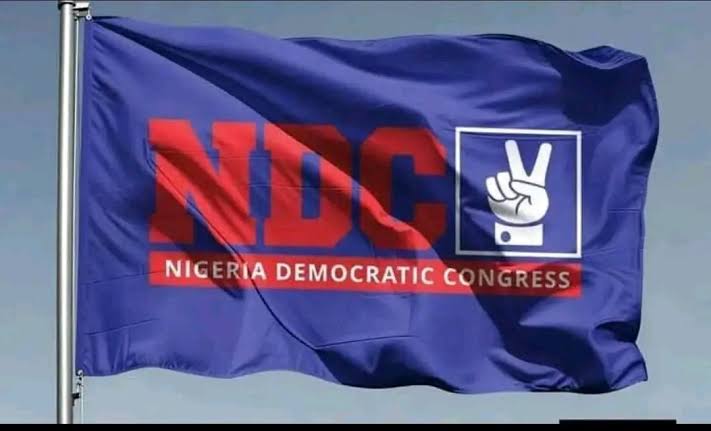
The presidential candidate of the Nigeria Democratic Congress (NDC), Mr. Peter Obi, has nominated former Kano State Governor, Senator Rabi’u Musa Kwankwaso, as his running mate for the 2027 presidential election. Obi announced the nomination shortly after he was formally affirmed as the party’s presidential candidate during a special convention held in Abuja on Saturday. The former Anambra State governor emerged as the sole aspirant for the NDC presidential ticket during the party’s primary election conducted on May 29, 2026. His candidacy was subsequently ratified by delegates at the special convention convened to affirm the party’s standard-bearer for the 2027 general election. Read Also: Associate Professor Amina Ganduje’s Quiet March into Nigeria’s Intellectual Elite NDC: Kwankwaso Settles for Aminu Abdussalam in Kano, Gawuna Gets Kano Central Ticket Ganduje breaks silence on Kwankwaso remarks, recalls 1998 Kano primaries The motion for Obi’s affirmation was moved by Senator Victor Umeh, who represents Anambra Central Senatorial District, and seconded by former Deputy President of the Senate, Senator Ovie Omo-Agege. Following the affirmation, the party’s National Leader and former Governor of Bayelsa State, Senator Seriake Dickson, alongside the National Chairman of the NDC, Senator Cleopas Moses Zuwoghe, presented the party’s flag to Obi. In his acceptance speech, Obi expressed appreciation to party members and delegates for the confidence reposed in him and pledged to provide purposeful leadership if elected. He also announced Senator Rabi’u Musa Kwankwaso as his running mate, describing the former Kano governor as an experienced politician with a strong track record in public service. The development marks a major political alliance ahead of the 2027 general election, as the NDC seeks to position itself as a formidable contender in the race for Nigeria’s highest office.

National, News

Tinubu says states no longer struggle to pay salaries as governors float N100,000 minimum wage proposal

President Bola Ahmed Tinubu has expressed satisfaction with the improving financial position of state governments, stating that many states are no longer dependent on federal interventions to meet salary obligations. The President made the remarks on Friday while hosting members of the Nigeria Governors’ Forum (NGF), led by Vice President Kashim Shettima, during a Sallah homage at his Lagos residence. Reflecting on his journey to the presidency, Tinubu described the period leading to the 2023 election as one of the most challenging moments of his political career, marked by intense political and legal battles. “At the time, I faced the challenge of trying to become the President of the Federal Republic of Nigeria. It was very challenging and tough for those who stood with me. Some kept faith, and instead of dodging the bullets, I took them,” the President said. Read Also: Ganduje breaks silence on Kwankwaso remarks, recalls 1998 Kano primaries NDC: Kwankwaso Settles for Aminu Abdussalam in Kano, Gawuna Gets Kano Central Ticket Associate Professor Amina Ganduje’s Quiet March into Nigeria’s Intellectual Elite Tinubu acknowledged the support of governors and party members who remained loyal despite uncertainties surrounding the policies his administration would eventually implement. According to him, Nigeria has successfully moved away from the threat of economic collapse and is beginning to witness the gains of key economic reforms introduced by his administration. “Instead of bankruptcy, Nigeria has survived. The economy has recovered and is growing. Agriculture is improving, food supply is increasing, and infrastructure projects are progressing across the country,” he stated. The President commended governors for helping to sustain public confidence and patience during the implementation of reforms, which he described as difficult but necessary. He noted that macroeconomic indicators have improved significantly, while abandoned infrastructure projects are being revived and the housing sector is witnessing renewed growth. “I am glad that out of the governors who previously relied on federal interventions, states are no longer struggling to pay salaries. No more,” Tinubu added. Speaking on behalf of the governors, the Chairman of the Nigeria Governors’ Forum and Governor of Kwara State, AbdulRahman AbdulRazaq, said the removal of fuel subsidy and other fiscal reforms had strengthened the financial capacity of states. He noted that many state governments have been able to clear salary and pension arrears, reduce debt burdens, and execute critical infrastructure and social investment programmes. “I think the nation was shocked by the audacity of Mr President to implement that policy, but today the country has benefited immensely from it,” AbdulRazaq said. The Kwara governor further suggested that the national minimum wage could eventually rise to N100,000 as state finances continue to improve. Also speaking, Chairman of the Progressive Governors’ Forum and Governor of Imo State, Hope Uzodinma, commended Tinubu’s leadership, describing his economic reforms as bold measures that helped stabilise the country. “You have virtually recovered Nigeria from the brink of collapse to a state of stability and survival,” Uzodinma said, adding that governors had assessed the President’s performance and awarded him a “100 per cent” score. Kano State Deputy Governor, Alhaji Murtala Sule Garo, represented Governor Alhaji Abba Kabir Yusuf at the meeting.

Scroll to Top