The Historica Nigeria

Kano

Kano, News

Governor Yusuf Confirms Bilkisu Maimota as Kano Head of Service

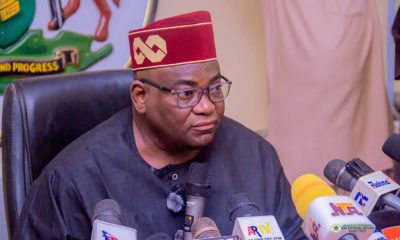
Kano State Governor, Abba Kabir Yusuf, has confirmed Hajiya Bilkisu Shehu Maimota as the substantive Head of the Kano State Civil Service, marking a significant step in the administration’s ongoing public service reforms. The confirmation was disclosed in a statement issued by the Governor’s Chief Press Secretary, Mustapha Muhammad, following a high-profile event for the unveiling of the sixth tranche of payments aimed at settling long-standing gratuities and death benefits owed to pensioners and families of deceased civil servants. Maimota’s elevation to the position signals her rise to one of the most influential administrative roles in the state and is seen as a strategic move to stabilise the bureaucracy and strengthen institutional efficiency. Read Also: Kano in Tight Corner as Deputy Governor Nomination Sparks Divisions She had assumed the role in an acting capacity barely a month ago after the removal of Alhaji Abdullahi Musa. Her confirmation, observers say, reflects the administration’s confidence in her leadership and capacity to drive reforms within the civil service. Governor Yusuf, while announcing the appointment, tasked the new Head of Service with leveraging her experience to revamp the system, stressing the need to consolidate ongoing reforms and deliver a more responsive, efficient, and accountable public service. He also congratulated Maimota on her appointment, expressing optimism that her tenure would bring measurable improvements across ministries, departments, and agencies, especially at a time when expectations from both the workforce and the public remain high.

Kano, News, Politics

Inuwa Waya Advocates Support for Governor Yusuf, Urges Leaders to Invest in Youth Development

Umar Idris Shuaibu, Kano A prominent legal practitioner and former senior official of the Nigerian National Petroleum Corporation (NNPC), Inuwa Waya, has endorsed the defection of Kano State Governor, Abba Kabir Yusuf, to the All Progressives Congress (APC), while calling for greater youth inclusion and responsible political engagement. Waya made the remarks during an interaction with online journalists under the auspices of the Online Media Chapel in Kano, where he also announced his withdrawal from the 2027 governorship race. He explained that his decision to step down was informed by the emergence of aspirants with similar vision, as well as his assessment of the current administration’s performance, noting that many of his campaign ideas in 2023 are being implemented by the Yusuf-led government. Describing the governor as a “valuable political asset,” Waya said the defection to the APC was a strategic move that would enhance governance, improve federal collaboration, and accelerate development in Kano State. According to him, the crisis within the New Nigeria Peoples Party (NNPP), characterised by factional disputes and protracted litigations, made it politically risky for the governor to remain. He added that aligning with the ruling party at the centre provides the necessary stability and synergy for effective governance. Read Also: Kano in Tight Corner as Deputy Governor Nomination Sparks Divisions “Governor Yusuf’s decision is a product of political calculation. It frees him from distractions and allows him to concentrate on delivering dividends of democracy to the people,” Waya said. He further noted that the move has helped to calm political tensions in Kano, reducing rivalry and creating a more stable environment for governance. Waya highlighted several achievements of the current administration, including reforms in land administration, infrastructure development, urban renewal, and efforts to address water scarcity through international partnerships. He also cited improvements in education, healthcare services, civil service efficiency, and local government administration as indicators of progress. He commended the government’s steps to sanitise the land system, curb fraudulent practices, and prosecute offenders, describing land reforms as critical to societal stability and economic growth. On youth development, Waya issued a strong warning against the exploitation of young people for political thuggery, urging politicians to instead invest in their education, employment, and overall development. He stressed that youth must reposition themselves as drivers of positive change rather than instruments of disruption. “Politics should be about service and development, not a means to amass wealth without impact. Young people must rise, participate responsibly, and shape the future of this country,” he said. Drawing a global comparison, Waya referenced the political rise of Julius Malema in South Africa, noting that youth-driven political movements can transform governance when properly guided. He concluded by urging Kano residents to support Governor Yusuf’s administration, stating that the government has shown commitment to restoring the state’s lost glory and deserves collective backing to achieve its vision. Waya reiterated that building a functional political system requires patience, discipline, and a shared commitment to people-centred development.

Feature, Kano, Politics

Power play in Kano: is Murtala Garo the missing link In Yusuf’s political equation?

Umar Idris Shuaibu, Kano In the ever-evolving theatre of Kano politics, where alliances are constantly tested and recalibrated, the re-emergence of Murtala Sule Garo in strategic conversations is stirring fresh debate across the state’s political landscape. Though not currently occupying a frontline executive role, his enduring influence within grassroots structures and institutional networks continues to position him as a figure of consequence, whose name is now being quietly projected in some quarters as a possible Deputy Governor under the administration of Abba Kabir Yusuf. Garo’s political journey reflects a steady climb built not on sudden prominence but on sustained engagement at the grassroots level. His tenure as Chairman of Kabo Local Government Area marked a defining period in his public service career, where he cultivated a reputation for accessibility and responsiveness. In a political environment where many leaders struggle to maintain direct connection with their constituencies, Garo’s approach resonated strongly among rural communities, laying a foundation that continues to underpin his relevance. His subsequent appointment as Commissioner for Local Government and Chieftaincy Affairs during the administration of Dr. Abdullahi Umar Ganduje further expanded his political reach and administrative experience. Operating at the delicate intersection of governance and traditional authority, he was tasked with overseeing local councils while maintaining cohesion with Kano’s deeply rooted traditional institutions. The role demanded tact and political intelligence, qualities that observers say enabled him to navigate complex relationships and consolidate a network that cuts across districts and political tendencies. In Kano’s political environment, relevance is rarely accidental; it is sustained through a careful balance of loyalty, visibility, and strategic restraint. Garo appears to have mastered this equilibrium. Despite shifts in political alignments and the often intense rivalry that defines the state’s politics, he has maintained a measured presence, avoiding unnecessary controversies while preserving his influence among key stakeholders. This has made him a figure that different interests may find acceptable, a valuable attribute in any consideration of executive partnership. Read Also: Kano Political Shift: Ganduje Hails Reps’ Defection to APC The growing speculation surrounding his possible elevation is not without strategic logic. For Governor Abba Kabir Yusuf, any move to recalibrate the structure of governance would carry implications beyond administrative convenience. It would signal intent whether towards consolidating political support, broadening inclusivity, or stabilizing relationships across divides. In that context, Garo’s grassroots penetration, administrative background, and familiarity with both political and traditional institutions present a compelling profile. Yet, such a potential move would also attract scrutiny. Kano’s political space is layered with competing interests, and any decision of this magnitude would inevitably raise questions around alignment, loyalty, and the broader balance of power. It could reshape existing dynamics, revive dormant political networks, and alter calculations ahead of future contests, particularly in a state where political structures remain highly influential at both urban and rural levels. For now, the conversation remains speculative, but in Kano, speculation often serves as a precursor to reality. The recurring mention of Murtala Sule Garo in discussions of the deputy governorship reflects more than passing rumour; it underscores a sustained political presence built over time through grassroots connection and administrative experience. As the administration of Abba Kabir Yusuf continues to navigate the complexities of governance and political expectation, decisions around leadership structure will remain closely watched.

Feature, Kano, Politics

Breaking Barriers: Samira Dilli’s Vision for Transformational Leadership

By Adamu Ahmad Khaleepa It’s not common in our society to see a woman aspiring for a political office, because of the deep-rooted societal attitudes which often relegate women to the home, viewing leadership as a male domain. Born in Brigade Tudun Wada Bus stop, area of Nassarawa Local Government, Kano state Nigeria, coming from a vast family background, she believes in inclusive and participatory leadership with a practical vision, measurable and people centered blueprint, designed not just to win an election, but to build a constituency that works for everyone. She understands the decline in general welfare and community progress as some of the draw back for the people of Nassarawa Local Government. Women in Nigerian politics face significant underrepresentation, with participation rates hovering around 6.7% in elective and appointive positions, far below the global average. Despite holding nearly half the population and notable strides in corporate leadership, women constitute only about 4% of the National Assembly. Looking at this challenges Hon. Samira Dilli holds on to her internal motive which drive her to aspire for a political office, working day and night to achieve a desired goal through passion and discipline. Read Also: Salihu Sagir Takai and the Politics of Succession in Kano As a woman at early fourtees, she believes in shared responsibility with young people, she believes that young people have the ability and capacity to decide what’s best for them, which is why Hon. Samira Dilli pledged to appoint aides from each of the eleven wards areas who will identify critical community needs, provide adequate and direct feedback to her, to ensure even distribution of development and promote accountability and fairness. Her leadership will not be based on empty speeches but on verifiable results anchored on three pillars, as described in her blueprint. Honorable Samira Dilli already conducted a basic need assessment withing the 11 wards of Nassarawa Local Government, to determine areas of urgent attention. The data compiled during the assessment, was analyzed and measures to be taken were written down as part of her planned activities in her 2027 campaign blueprint, these include construction of roads to boost trade, agriculture and the movement of goods and services, electricity as the backbone of business expansion, industrialization and digital advancement and provision of potable, affordable health care as the foundation of public health, agriculture, and productivity in community development. Hon. Samira Garba Dilli, is a Strategic professional with Bsc. International Relations and Diplomacy, MSc in peace studies and conflict resolution. She is a member Chartered Institute of Management & Leadership, member Association of Financial Analyst of Nigeria, Member Nigerian Institute of Management (Chartered) as well as professional public speaker from Institute of Public Speaking. Honorable Samira Garba Dilli is a seasoned politician, an ambitious advocate with a strong political foundation and a passion for public service. Experienced in local, state and national campaigns, committed to community improvement and utilizing research to drive progressive policy-making. She served as member Trade and Economic Committee, Presidential campaign council for Asiwaju Bola Ahmed Tinubu/Shettima Renewed Hope 2023 election campaign, where she contributed in shaping more dynamic economy, melding the best of the extant sectors with what is new on the economic horizon. As she truly represents competence, capacity, sincerity and compassion for the good people of Nasarawa constituency and Nigeria at large. As discussed with her, she explained that “besides all the experience, she has a clear focus of what she wants to bring to the table for people of Nassarawa constituency, in her own words ‘I Samira Dilli, have identified rising poverty and hardship, lack of economic opportunities, youth unemployment & underemployment, as some of the challenges facing Nassarawa Local Government constituency, and I’m ready to put feasible measures in place to mitigate such challenges’. With the support of Nassarawa Local Government constituents, we believe that Hon. Samira Garba Dilli will bring a sustainable solution to our social challenges. Adamu Ahmad Ibrahim, Executive Director, Arewa Health Promotion Initiative. 08089403454 ibrahimadamu5991@gmail.com

Kano, News, Politics

Ex-Kano South Senator Gaya Dumps APC for ADC

The African Democratic Congress (ADC) has announced the defection of former Senator representing Kano South, Kabiru Ibrahim Gaya, from the All Progressives Congress (APC). The announcement, made via the party’s official Facebook page, described Gaya as a seasoned politician with significant influence in Nigeria’s legislative landscape. Gaya, who first entered the Senate in 2007, represented Kano South Senatorial District for multiple terms. During his early years in the National Assembly, he served on key committees, including Gas, Local and Foreign Debts, States and Local Government, Upstream Petroleum Resources, and Works, placing him at the centre of national policy discussions on infrastructure, petroleum regulation, and fiscal management. A mid-term assessment by ThisDay newspaper had earlier rated him as an active legislator, citing his sponsorship of the Finance Management and Accountability Bill, 2009, aimed at promoting fiscal discipline and transparency, as well as the Millennium Development Agency Bill, 2009, which sought to strengthen Nigeria’s drive toward achieving global development goals. Read Also: Kano in Tight Corner as Deputy Governor Nomination Sparks Divisions He also co-sponsored several motions and contributed actively to plenary debates during his tenure. In 2008, as Chairman of the Senate Committee on Works, Gaya raised concerns over the slow pace of federal road projects and opposed the privatisation of road infrastructure, insisting it should remain under public control. Before joining the APC, Gaya was a prominent member of the All Nigeria Peoples Party (ANPP), where he played key roles in party affairs, including involvement in gubernatorial candidate selection in Kano State ahead of the 2011 elections. He was re-elected to the Senate in 2011 under the ANPP platform and retained his seat in 2015 and 2019, reflecting sustained support from his constituents. Gaya also served as Deputy Minority Whip of the Senate between 2007 and 2011, where he contributed to coordinating minority party positions and legislative strategy.

Feature, Kano, Politics

Kano in Tight Corner as Deputy Governor Nomination Sparks Divisions

The political atmosphere in Kano State has grown increasingly tense as Governor Abba Kabir Yusuf faces mounting pressure over the selection of a new deputy governor, a decision now shaping power alignments ahead of the 2027 general elections. What began as a routine political process has evolved into a high-stakes contest involving competing interests within the All Progressives Congress (APC), with party leaders, regional blocs, and influential stakeholders all seeking to shape the final outcome. The situation intensified following the governor’s recent visit to Abuja, where he met with the immediate past National Chairman of the APC and Chairperson of the Board of the Federal Airports Authority of Nigeria (FAAN), Dr. Abdullahi Umar Ganduje. The meeting, according to insiders, was aimed at consolidating political alliances and aligning strategies ahead of crucial decisions. At the centre of the unfolding contest is the reported endorsement of former Commissioner for Local Government, Murtala Sule Garo, by key power blocs, including figures within the Presidency. However, this move has sparked resistance from influential actors across Kano North and Kano South, who are pushing for a broader selection process rather than a single-candidate imposition. Read Also: CITAD Distributes School Materials to Nomadic Pupils in Kano, Urges Increased Govt Intervention APC Stakeholders Endorse Yusuf Buhari for House of Reps Seat in Katsina Why Gobirawa’s Centuries-Old Agrarian Life is at Risk in Kano Prominent political figures, including Barau Jibrin and Suleiman Abdulrahman Kawu Sumaila, are said to favour a shortlist approach, reflecting concerns over regional balance and inclusivity in power sharing. The debate has also drawn in other stakeholders, with alternative names such as Salisu Sagir Takai, Kabiru Lakwaya, Ahmed Garba Bichi, and Kabiru Rurum being floated across different camps, further complicating the decision-making process. Beyond the political calculations, questions have been raised about Garo’s suitability, with critics pointing to ongoing legal challenges and concerns over his perceived influence base. Some argue that his political strength is overstated, attributing his support largely to his previous position as Commissioner for Local Government under Ganduje, a role that placed him at the centre of grassroots financial structures. According to this view, much of the loyalty he commands may be transactional rather than institutional, raising doubts about his ability to independently mobilise electoral support. The contest has also reignited broader debates about the role of deputy governors in Nigeria’s political system. Many observers describe the office as largely ceremonial, often limited by the authority of the governor, with responsibilities that can be significantly curtailed depending on political dynamics. Analysts argue that while the position is constitutionally important, its practical influence is often shaped by the governor’s discretion, making the choice of occupant as much a political calculation as an administrative one. Amid the competing pressures, Governor Yusuf is said to be weighing multiple options, including previous understandings with key allies within the State Assembly. However, these arrangements are reportedly facing new challenges as external influences and internal party dynamics continue to evolve. There are also indications of growing involvement from the Presidency, with reports suggesting that Bola Ahmed Tinubu has taken interest in the process, further raising the stakes and intensifying pressure on the governor to arrive at a consensus candidate. For many observers, the unfolding scenario highlights the complex interplay between local politics, party structures, and national influence, all converging on a single decision that could shape Kano’s political trajectory. What governors and other political heavyweights must recognise is that the choice of a deputy governor is no longer merely an administrative necessity, but a strategic decision with far-reaching implications for political stability and electoral success. With 2027 on the horizon, Governor Yusuf faces what may be one of the most defining decisions of his political career that could determine not only the balance of power within the state but also his prospects for re-election.

Gombe, Kano, News

Gombe Abba District Honours Kano-Based Professional Maigari With Traditional Title

The Gombe Abba District under the Dukku Emirate Council in Gombe State has conferred a traditional title on a Kano-based professional, Alhaji Farouk Umar Maigari, in recognition of his contributions to community development and public service. The conferment was conveyed in an official letter issued by the Office of the District Head of Gombe Abba, dated March 25, 2026, where he was honoured with the title of ‘Dallatun Gombe Abba’. According to the letter, the title was bestowed in recognition of Maigari’s outstanding character, selfless service, loyalty, and valuable contributions to the development, peace, and progress of the district and society at large. Maigari, a graduate of Sociology from Bayero University, Kano in 2011, also holds two Master’s degrees in Communication and Governance and Development Policy from the same institution. A media and communication consultant with a background in international civil aviation, he has over a decade of experience spanning both industries. Read Also: CITAD Distributes School Materials to Nomadic Pupils in Kano, Urges Increased Govt Intervention APC Stakeholders Endorse Yusuf Buhari for House of Reps Seat in Katsina Kano Leads North-West Social Protection Drive With Joint Action Plan The traditional institution further extended its congratulations and prayed for wisdom, good health, and long life for the new titleholder to continue serving humanity.

Kano, Politics

Ganduje Expected to Deliver Kano for Governor Yusuf

As political activities gradually intensify ahead of the 2027 general elections, conversations around the role of key power brokers in Kano State continue to shape the discourse within the All Progressives Congress (APC). At the centre of these discussions is the immediate past National Chairman of the APC and Chairperson of the Board of the Federal Airports Authority of Nigeria (FAAN), Abdullahi Umar Ganduje, whose influence in Kano politics remains a subject of strong debate among stakeholders. Within party circles, Ganduje is widely regarded as a “political marshal,” known for his ability to build consensus and manage competing interests. His role in stabilising the party has been linked to efforts at fostering unity, particularly by encouraging alignment among aspirants in the interest of cohesion and strategic positioning. Observers note that such interventions have helped to strengthen internal party structures and reduce friction, reinforcing the APC’s standing in Kano State. Read Also: Kano Champions North-West Social Protection Plan Amid Funding Challenges Supporters of the former governor argue that his political experience and leadership capacity continue to serve as a major asset, especially as the party prepares for future electoral contests. They maintain that his deep understanding of Kano’s political terrain and his long-standing grassroots network place him in a strong position to influence outcomes. Ganduje’s tenure as governor is often cited as laying a solid administrative and political foundation that still shapes the party’s dominance across the state. His approach to grassroots mobilisation and network-building is seen as central to sustaining political relevance in Kano’s complex landscape. At the national level, his time as APC National Chairman is credited with repositioning the party during a critical period. Analysts point to increased membership, including the defection of high-profile politicians such as governors and lawmakers, as evidence of efforts to expand the party’s reach and consolidate its influence. His leadership has also been associated with strengthening party structures and promoting internal stability, factors widely considered essential for electoral success in Nigeria’s evolving political environment. Beyond Kano, Ganduje is increasingly viewed as a national political figure, with networks that extend across regions and influence that cuts across multiple layers of governance and party administration. Political observers say his continued relevance reflects a combination of experience, strategic thinking, and the ability to mobilise support at both grassroots and elite levels. As the 2027 elections draw closer, calls for unity and peaceful engagement among political actors have become more pronounced, with emphasis on cohesion as a critical factor for success. With Kano remaining one of Nigeria’s most politically significant states, the role of influential figures such as Ganduje is expected to remain central in shaping the dynamics of the contest in the years ahead.

Feature, Kano

Rimi’s Education Legacy Linked to Late Abdulhamid Hassan’s Reforms

Late Alhaji Abdulhamid Hassan (1940–2021), a distinguished educationist, administrator, and public servant, is being remembered for his pivotal role in shaping the education sector in Kano State, particularly during the administration of former governor Muhammadu Abubakar Rimi. Widely regarded as one of the architects of Kano’s educational reforms in the late 1970s and early 1980s, Abdulhamid Hassan served as Commissioner for Education between 1979 and 1981, where he contributed significantly to policy development and implementation that expanded access to education and improved standards across the state. During his tenure, the late Abdulhamid Hassan championed far-reaching educational reforms that significantly transformed the sector in Kano State. He ensured that every local government had access to primary and post-primary schools, and established zonal education offices to strengthen administration and supervision across the system. He also played a key role in the creation of a mass education agency aimed at expanding literacy and access to education. In addition, he promoted science education by ensuring that schools were equipped with laboratories for Biology, Chemistry, and Physics. His contributions extended to institutional development, including the establishment of Sa’adatu Rimi College, as well as scholarship programmes for less-privileged students to study professional courses such as medicine, helping to bridge critical manpower gaps in the health sector. Before his appointment as commissioner, he built a strong career in the education sector, serving as Vice Principal at Birnin Kudu Government College in present-day Jigawa State and Rumfa College, Kano. He later rose to become Principal of several notable institutions, including Gwale Secondary School, Government College Birnin Kudu, Pivotal Teachers College Kano, Rumfa College, and the School of Preliminary Studies, Kano. His expertise also extended to the Ministry of Education, where he served as Chief Education Officer in both Post-Primary Education and In-Service Training, playing a key role in strengthening teacher development and academic planning. Read Also: CITAD Distributes School Materials to Nomadic Pupils in Kano, Urges Increased Govt Intervention Birnin Kudu: An Ancient Settlement With a Modern National Footprint At 50 Years, Murtala’s Legacy Still Outpaces Many Governments Following his tenure in government, Abdulhamid Hassan transitioned into the corporate sector, joining United Bank for Africa where he served between 1985 and 1995. During this period, he held several strategic positions, including Management Staff, Relief Manager in Jos and Kano, Assistant Area Manager for Kaduna and Kano areas, Relief Area Manager, and Principal Manager (Administration) for the North-Western Region. Throughout his career, he served on several influential boards and committees at both state and national levels. These included the Interim Joint Matriculation Board (IJMB), Kaduna Polytechnic (KADPOLY), the Commission on Review of Higher Education in Nigeria (Longe Commission), the West African Examinations Council (WAEC), and committees on the National Policy on Education and the 1999 Constitution Review. He also held leadership positions as Chairman of Kano State Polytechnic (KSP), the Local Government Staff Pension Board, and the Family Economic Advancement Programme in Kano State. In recognition of his contributions, Abdulhamid Hassan received numerous merit awards from professional bodies and institutions, including the Annual Conference of Principals of Secondary Schools (ANCOPSS), Kano State Ministry of Education, and several community-based organisations. He was also commended by the then Military administration of Kano State for outstanding school performance in 1972 and by the Commissioner for Education for his role in the successful conduct of the first Kano State Common Entrance Examination in 1977. Stakeholders in the education sector have continued to acknowledge his enduring legacy, noting that his contributions laid a solid foundation for the growth and development of education in Kano State. His role during the Rimi administration remains a defining chapter in Kano’s educational history, with many describing him as a visionary leader whose impact continues to resonate across generations. The late educationist passed away on January 26, 2021, after a brief illness, and was laid to rest at Dandolo Cemetery in Kano.

Kano, News, Politics

Governor Yusuf Receives Hero’s Welcome in Kano After APC Engagement

Thousands of residents of Kano State on Saturday trooped out to welcome Governor Abba Kabir Yusuf following his engagements with leaders of the All Progressives Congress (APC) in Abuja. The Historica Nigeria reports that Yusuf was also part of an APC delegation that visited Bauchi State in a move to persuade Governor Bala Mohammed to join the ruling party from the Peoples Democratic Party (PDP). However, Mohammed has yet to formally declare his new political affiliation after his reported fallout with the PDP. The development comes amid shifting political alliances in Kano, following recent engagements involving Yusuf and his estranged political mentor, Rabi’u Musa Kwankwaso, alongside Peter Obi of the African Democratic Congress (ADC). Read Also: Kano Champions North-West Social Protection Plan Amid Funding Challenges Kwankwaso, a leading figure in Kano politics, recently left the New Nigeria Peoples Party (NNPP) and aligned with Obi and other opposition figures under the ADC platform, a move that has deepened political divisions in the state. Yusuf’s return to Kano was marked by a large turnout of supporters who lined major routes from Aminu Kano International Airport through Kofar Mata to the Government House, waving party flags and chanting solidarity songs as his convoy passed. Kano remains one of Nigeria’s most politically strategic states, with a large voter base and a history of influencing national electoral outcomes.

Scroll to Top