The Historica Nigeria

Kaduna

Kaduna, News, Politics

El-Rufai Accuses Kaduna Governor Uba Sani of Sponsoring Political Violence

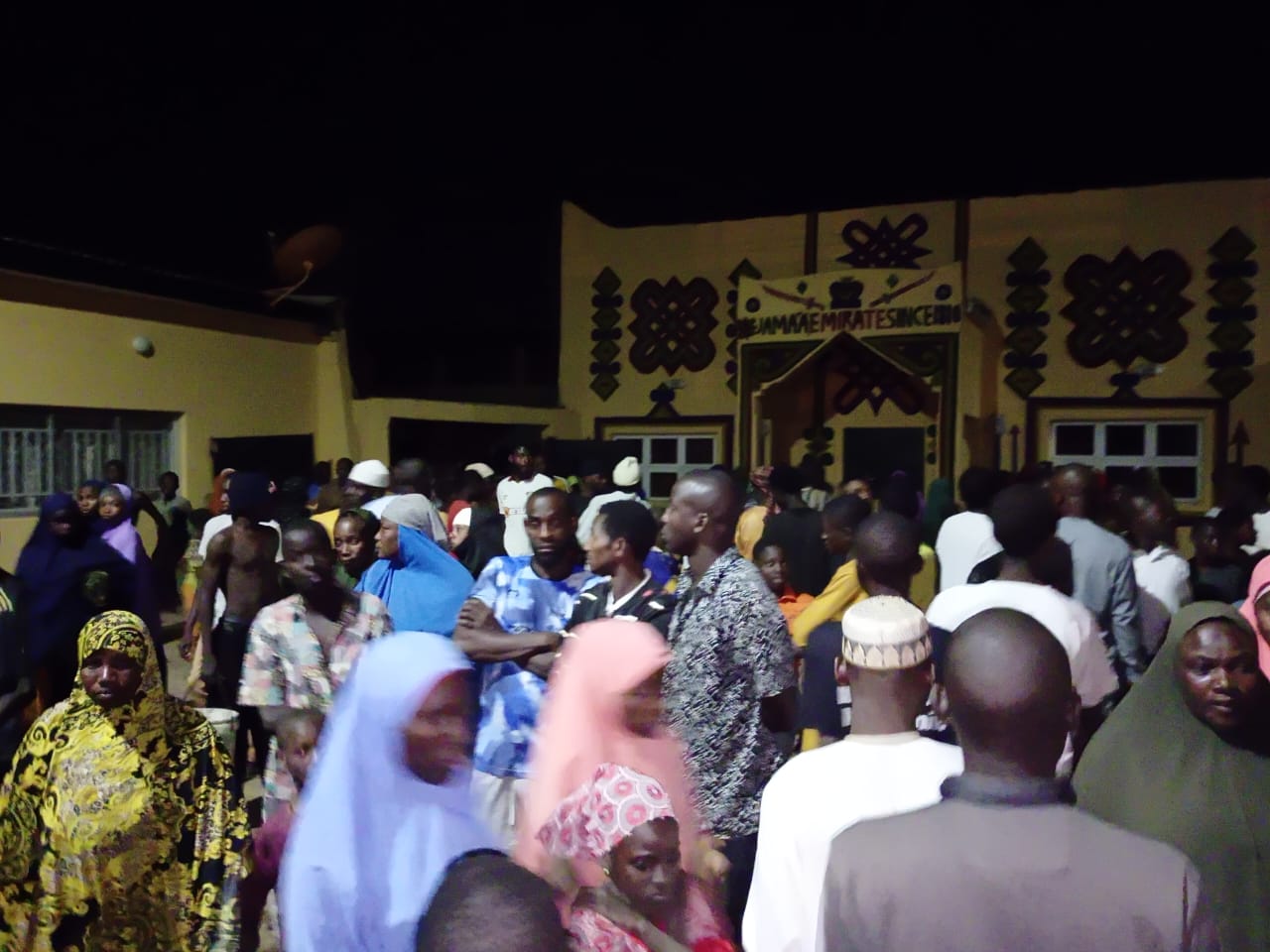
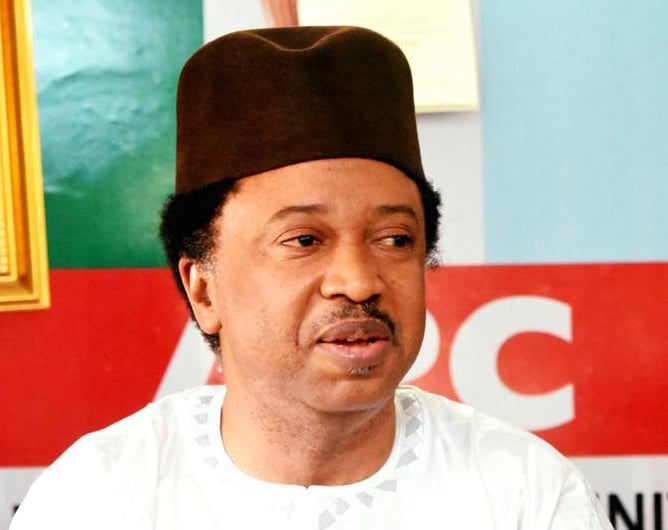
Former governor of Kaduna State, Malam Nasir El-Rufai, has accused his successor, Governor Uba Sani, of sponsoring terrorism and political violence in the state. El-Rufai, who described the governor as his “godson,” alleged that Sani had abandoned the principles of peace he claimed to have inherited from him. Read Also: ICPC, EFCC Probe Kano Governor’s Aide Over Alleged ₦6.5bn Fraud The former governor made the allegation in a video while reacting to an attack on members of the African Democratic Congress (ADC) during a political gathering in Kaduna. The incident occurred on Saturday during the inauguration of a transition committee formed by opposition parties in the state, when suspected thugs invaded the venue. The hoodlums, armed with cutlasses, clubs, and stones, reportedly attacked participants, injuring several people and vandalizing vehicles. Condemning the violence, El-Rufai said: “We don’t stop people from enjoying their freedom, but unfortunately, my godson, Governor Uba Sani, whom I thought had been following my principles of peace, is the one sponsoring this kind of terrorism.”

Abuja, Kaduna, News

NRC Confirms Kaduna-Bound Train Derailment, Activates Emergency Response

The Nigerian Railway Corporation (NRC) has confirmed that one of its Abuja/Kaduna AKTS train services derailed on Tuesday morning. According to a statement released via its official X handle, the incident occurred at about 11:09 a.m. at KM 49, between Kubwa and Asham stations. “The Nigerian Railway Corporation confirms a train derailment involving our Kaduna-bound AKTS service at about 11:09 a.m. at KM 49 between Kubwa station and Asham station,” the statement read. Related: Passenger Train Derails on Kaduna/Abuja Route The corporation said emergency rescue teams, medical personnel, and nearby hospitals had been mobilised, with full security deployed to the scene. Efforts were ongoing to evacuate passengers back to Abuja safely. It also appealed for calm, urging passengers and the general public to remain patient while authorities worked to ensure safety and restore normalcy. Details regarding the cause of the derailment and the number of passengers affected were yet to be disclosed as of press time.

Kaduna, News

Passenger Train Derails on Kaduna/Abuja Route

A passenger train travelling from Kaduna to Abuja derailed on Tuesday morning, causing panic among commuters. The incident, according to Arise Television News, occurred around 11:00 a.m. along the busy Kaduna/Abuja rail corridor. Eyewitnesses reported that some cabins were overturned, forcing passengers to scramble for safety. Read Also: NNPCL Nears Full Crude Production Capacity, Credits Security Agencies’ Collaboration Details of the incident remain sketchy as of press time, and it is not yet clear whether there were casualties. The exact cause of the derailment has also not been established. Authorities have in the past attributed disruptions along the route to vandalism and the activities of scavengers. Officials of the Nigerian Railway Corporation (NRC) and security agencies were yet to issue an official statement on the latest incident at the time of filing this report.

Kaduna, Kano, News

Kano Holds Stakeholders’ Workshop to Review Drug Revolving Fund Pricing Policy

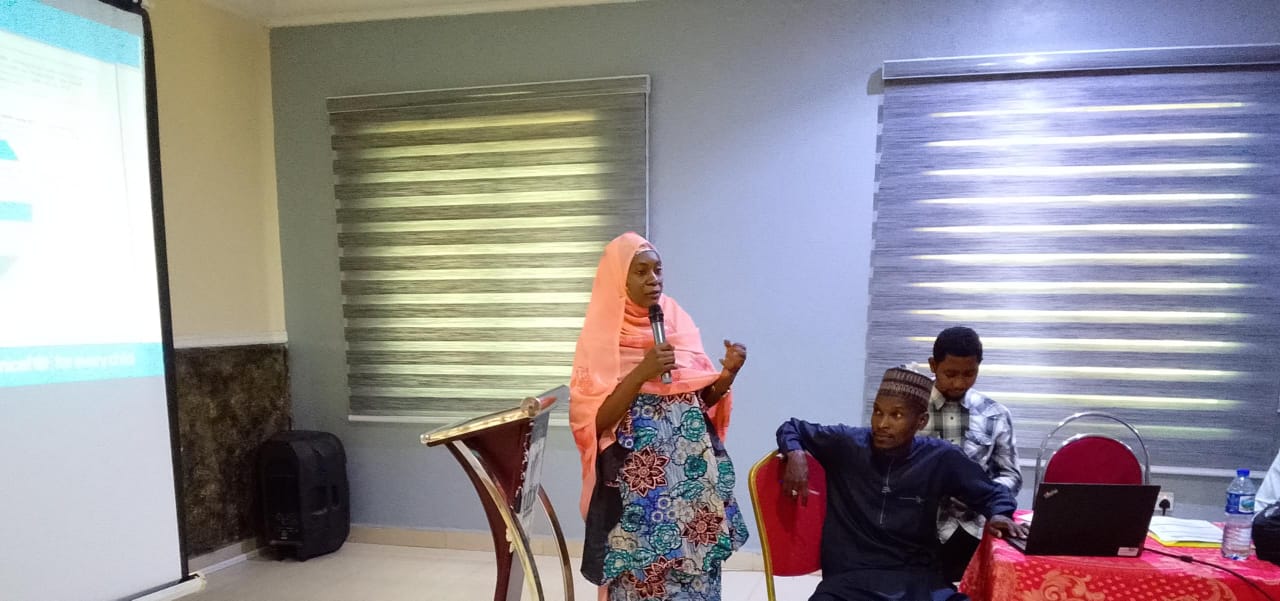
The Kano State Ministry of Health, in collaboration with the UK Government’s Foreign, Commonwealth and Development Office (FCDO) Lafiya Programme, has convened a two-day workshop to review the Drug Revolving Fund (DRF) Pricing Policy. This was conveyed in a statement signed by the Public Relations Officer of the Kano State Drugs and Medical Consumables Supply Agency (DMCSA), Farouk Isa Musa. The workshop, held between August 24 and 25 in Kaduna, brought together government officials, donor partners, health practitioners, pharmacists, supply chain experts and community representatives to examine the current pricing framework and chart a new course for sustainability. Declaring the workshop open, the Permanent Secretary of the Ministry of Health, Pharm. Aminu Bashir, represented by Prof. Salisu Ibrahim Ahmad, Director-General of the State Primary Health Care Management Board, described the DRF as a critical mechanism for ensuring continuous access to affordable, quality medicines. Read Also: OSN Annual Conference Opens with Free Cataract Surgeries in Kano He said the review was necessary to align with economic realities, supply chain challenges and global best practices. “This review workshop is timely. It gives us the opportunity to examine the current pricing policy in depth and collectively chart a path forward,” he said. “Policies must be periodically reviewed and refined to reflect changing realities, economic, logistical, or epidemiological.” In his welcome address, the Director-General of DMCSA, Pharm. Gali Sule, noted that the DRF has remained central to sustaining affordable medicines across state-owned facilities. He said the review would help address gaps in the current system, ensure equity, and strengthen efficiency. He added that the convergence of key stakeholders underscored a shared commitment to transparency and sustainability in the state’s health financing. Similarly, the Director of Pharmaceutical Services at the Ministry of Health and Chairman of SHCSS-C, Pharm. Kamilu Mudi Salisu, explained that the objectives of the workshop included reviewing the current pricing structure, assessing its impact on drug availability and affordability, and exploring global models for sustainable DRFs. “The ultimate aim is to protect access to affordable medicines while maintaining the financial sustainability of the fund,” he said. Delivering a goodwill message, the State Team Lead of the FCDO Lafiya Programme, Alhaji Abdulkadir Salisu Kabara, commended the state government’s initiative. He urged participants to adopt data-driven and evidence-based approaches in making recommendations. “I am optimistic that the outcomes from this workshop will help inform policy reforms and contribute to strengthening the transparency and efficiency of the Drug Revolving Fund in Kano State,” he said.

Kaduna, National, News, Plateau

Son of Late Kano Military Administrator, Colonel Wase, Appointed GOC 1 Division

Major General Abubakar Sadik Muhammad Wase has been appointed the General Officer Commanding (GOC) 1 Division of the Nigerian Army, Kaduna. In a congratulatory post by Plateau Watch, the platform wrote: “Congratulations to one of our own, Major General ASM Wase, on his appointment as General Officer Commanding (GOC) 1 Division, Nigerian Army, Kaduna.” Read Also: Ganduje’s Statesmanship Beyond Kano Borders Major General Wase is the son of the late Colonel Muhammadu Abdullahi Wase (1948–20 June 1996), a Nigerian military administrator who governed Kano State under General Sani Abacha’s regime from December 1993 to June 1996. Colonel Wase tragically died in a plane crash on June 20, 1996, while on his way to Jos from Kano. At the time of his father’s death, Abubakar Sadik Wase was serving as a lieutenant in the Nigerian Army. His elevation to the prestigious position of GOC 1 Division, nearly three decades later, has been described as a mark of dedication, resilience, and a continuation of his family’s legacy of service to Nigeria.  

Abuja, Kaduna, Kano, National, News

Tinubu Has Transformed FCT Within Two Years – Dr. Mariya Bunkure

Minister of State for the Federal Capital Territory (FCT), Dr. Mariya Mahmoud Bunkure, has hailed the administration of President Bola Ahmed Tinubu for what she described as a “massive transformation” of Nigeria’s capital city within just two years. She made the remarks while speaking at a two-day interactive programme on government-citizen engagement organised by the Sir Ahmadu Bello Memorial Foundation in Kaduna. Dr. Mariya, who represented the FCT Administration at the event, reaffirmed the government’s strong support for participatory governance, transparency, and equitable service delivery. Read Also: APC’s Rising Star: The Woman Ganduje Trusted with the Future According to her, President Tinubu’s Renewed Hope Agenda has brought meaningful development to both urban and rural areas of the FCT through infrastructure projects and people-centred policies. “I highlighted some of the numerous projects completed in both rural and urban cities which have significantly improved the social and economic well-being of residents,” she said. “President Bola Ahmed Tinubu has wiped away the tears of Gwagwalada residents by completing the Aguma Palace road to Radio Nigeria down to the New Market.” She disclosed that no fewer than 17 major projects have been completed and commissioned across the territory since the beginning of Tinubu’s administration. Dr. Mariya emphasized that the present administration recognizes that governance can no longer be a one-way process, stressing that citizens must be actively involved in policy formulation, project implementation, and service delivery. “Our mission remains to ensure transparent governance, promote accountability, and maintain open communication channels with Nigerians,” she noted. “The Renewed Hope Agenda is dedicated to improving lives, and we are seeing real impact.” She expressed her gratitude to President Tinubu for his continued support to the FCT, noting that the development achieved within the last two years surpasses progress made in several previous administrations. “Everybody who has seen the FCT within these two years compared to previous years, will acknowledge that His Excellency has done well for the nation’s capital city,” she added. Dr. Mariya concluded by urging stakeholders to support the administration’s efforts in delivering more infrastructure, improving social services, and deepening citizen participation in governance.

Education, Kaduna, National, News

NBTE Denies ASUP Allegations, Defends Digital Accreditation System

The National Board for Technical Education (NBTE) has rejected allegations made by the Academic Staff Union of Polytechnics (ASUP) concerning its newly introduced digital accreditation model, describing them as unfounded and misleading. In a statement issued in Kaduna, NBTE’s Head of Media, Mrs. Fatima Abubakar, clarified that the board initiated the digital accreditation system in 2024 to address persistent issues such as data falsification, security challenges, and logistical barriers in reaching polytechnics located in remote areas. As the principal regulatory agency for technical and vocational education in Nigeria, NBTE is mandated to oversee, regulate, and accredit all programmes offered in technical institutions such as polytechnics, monotechnics, and other allied institutions across the country. Its core responsibility is to ensure quality assurance, curriculum development, and the advancement of skills-based education to meet national development goals. Read Also: FG Launches N10m Support Fund for Tertiary Institution Staff Abubakar noted that the digital accreditation process, powered by artificial intelligence and advanced ICT tools, has significantly improived transparency and reduced long-standing malpractices, notably the notorious “brown envelope” culture often associated with physical visits. She said that over 90 percent of accreditation exercises are now done virtually, with physical evaluations limited to special cases—mainly institutions with outdated infrastructure or lacking internet connectivity. One example cited was a Federal Polytechnic in Taraba State, which, despite being established in 2007, remains unconnected to the national power grid. To handle such exceptions, she said, the NBTE engages third-party vendors through a competitive, transparent procurement process vetted and approved by its Tenders Board. These processes, she added, are advertised publicly and monitored by stakeholders, including the Ministry of Education and ASUP representatives. “It is unfortunate that ASUP would make public accusations without participating in these evaluations,” Abubakar stated. “We urge the union to engage constructively and avoid misrepresenting the board’s work.” She reaffirmed NBTE’s commitment to reforming Nigeria’s Technical and Vocational Education and Training (TVET) sector, stressing that collaboration among stakeholders is critical to producing employable graduates and aligning training with the evolving needs of the economy. Abubakar further appealed to ASUP and other partners to regard the NBTE as an institution working in the national interest, saying the board remains open to feedback but must be shielded from unfounded criticisms that may derail progress. “The current administration recognizes TVET as a strategic tool for youth empowerment and national development, and NBTE remains at the forefront of ensuring that Nigerian polytechnics and technical colleges deliver globally competitive education,” she reiterated.

Humanitarian, Kaduna, News

Over 100 Widows Receive Cash Support from Caleb Danladi Foundation in Kaduna

There was a mixture of tears and celebration in Daddu District of Jaba Local Government Area, Kaduna State, as more than one hundred widows received financial support from the Caleb Danladi Foundation, in what many described as a life-saving intervention. For many of the beneficiaries, the gesture came at a critical time when survival has become a daily struggle due to economic hardship, the rising cost of living, and limited access to support. Speaking on behalf of the widows, Mrs. Cecilia Waziri Kajuru could not hold back her emotions as she thanked the foundation for what she called a timely and divine help. According to her, the support is not just about the money, it is a reminder that someone out there still cares about them Read Also: 17-Brigade offers free medical treatment for 700 people in Katsina Another beneficiary, Mrs. Sarah Luka, a 67-year-old mother of five, said she plans to use the cash to restart her petty trading business which collapsed years ago. For Mrs. Grace Bawa, the support will help her pay her granddaughter’s school fees. In a goodwill message, Rev. Emmanuel Daniel Ndaks, Local Overseer of the ECWA Local Church Council Daddu, described the outreach as a reflection of true Christian love and compassion. He pointed out that Captain Caleb Danladi has become a light to our communities through his humanitarian and selfless act that must be emulated by all. The Village Head of Ungwan Rana Daddu, Mr. Micah Dogo, lauded the foundation for stepping into the gap for the forgotten and marginalized. Speaking on behalf of Captain Caleb Danladi, the donor and founder of the foundation, the Coordinator of the Caleb Danladi Foundation in Jaba Local Government, Mr. David Tuk, said the initiative is part of a broader vision to support widows, orphans, and other vulnerable groups across southern Kaduna and beyond.

Kaduna, National, News

Rigasa Elders Renew Demand for Local Government Creation at Constitution Review Hearing

Leaders from Rigasa Ward in Kaduna State have renewed their call for the creation of Rigasa Local Government, citing the area’s large population, economic potential, and key federal infrastructure as compelling justification. Speaking to journalists during the Northwest Zonal Public Hearing on the Constitutional Review held on Saturday in Kaduna, Honourable Auwal Orbit, Councillor representing Rigasa Ward in Igabi Local Government Area, led the Rigasa Elders Forum in making a strong case for administrative restructuring. “Rigasa is home to an estimated population of over three million residents. It hosts critical federal infrastructure, including the Kaduna–Abuja Train Station, borders the Nigerian Defence Academy (NDA), and lies in close proximity to the Kaduna International Airport, managed by FAAN,” Orbit said. “These are sufficient indicators of strategic relevance, making Rigasa more than qualified for local government status.” Read Also: Kaduna State Hosts NWDC Leadership, Pledges Support for Regional Development He also used the opportunity to advocate for local government autonomy, describing it as a necessary step toward improving governance, service delivery, and grassroots development. “An independent and empowered third tier of government will reduce poverty, generate employment, strengthen local security, and empower our youth and women,” he stated. “It also serves as an essential training ground for Nigeria’s future leaders.” Orbit also called for 20% reservation of elective and appointive positions for women, emphasizing that gender inclusion is vital for achieving balanced and sustainable national development. The public hearing, which took place at the General Hassan Usman Katsina Hall, brought together hundreds of political leaders, civil society organisations (CSOs), traditional rulers, and key stakeholders from across the Northwest to deliberate on constitutional amendments that would better reflect the needs of Nigerians. Describing the exercise as a “moment of national reckoning,” Orbit urged lawmakers and stakeholders to rise above partisan interests and focus on people-centered reforms. “Our Constitution must no longer serve as a tool of convenience for the powerful but rather a true charter of empowerment for the people,” he said. “This hearing goes beyond technical deliberation, it is about defining our identity, our values, and the kind of future we collectively envision.” He expressed hope that the inputs shared would receive due consideration in shaping a more inclusive and responsive Nigeria. Photo News:

Kaduna, News

Kaduna State Hosts NWDC Leadership, Pledges Support for Regional Development

The North-West Development Commission (NWDC) Board, led by its Chairman, Alhaji Lawal Sama’ila Abdullahi, and Managing Director/CEO, Prof. Shehu Abdullahi Ma’aji, has concluded its strategic engagement tour across the North-West with a high-level courtesy visit to Kaduna State Governor, Senator Uba Sani. The visit, which marked the final leg of the Commission’s regional engagement, aimed at strengthening collaboration with state governments to fast-track inclusive development across the zone. During the meeting, the NWDC leadership reiterated its commitment to addressing developmental gaps and fostering sustainable growth in the region. Key priority areas outlined by the Commission include agriculture, education, healthcare, youth empowerment, and infrastructure development. The NWDC assured it would work hand-in-hand with state governments to design and implement targeted interventions that will transform lives. Read Also: Fixing the Forgotten Crisis: Solutions to Nigeria’s Herders-Farmers Conflict Governor Uba Sani warmly welcomed the NWDC team and expressed confidence in the Commission’s vision, structure, and capacity to deliver meaningful results. He commended the leadership for initiating the engagement tour and for prioritizing cooperation with sub-national actors. In further demonstration of Kaduna State’s readiness to support the Commission’s mission, the Governor provided the NWDC with office accommodation and a utility vehicle to facilitate smooth operations within the state. Governor Sani also advised the Commission to ensure thorough needs assessments across communities through direct consultations, town hall meetings, and close coordination with state institutions. This, he noted, would ensure that projects and policies reflect the real priorities of the people. With the Kaduna visit, the NWDC has now successfully completed its inaugural tour of all seven North-West states, setting the stage for the rollout of its strategic action plan to unlock the region’s potential and deliver lasting impact.

Scroll to Top