Humanitarian
UNICEF Raises Alarm Over Child Poverty as States Push Social Protection Reforms

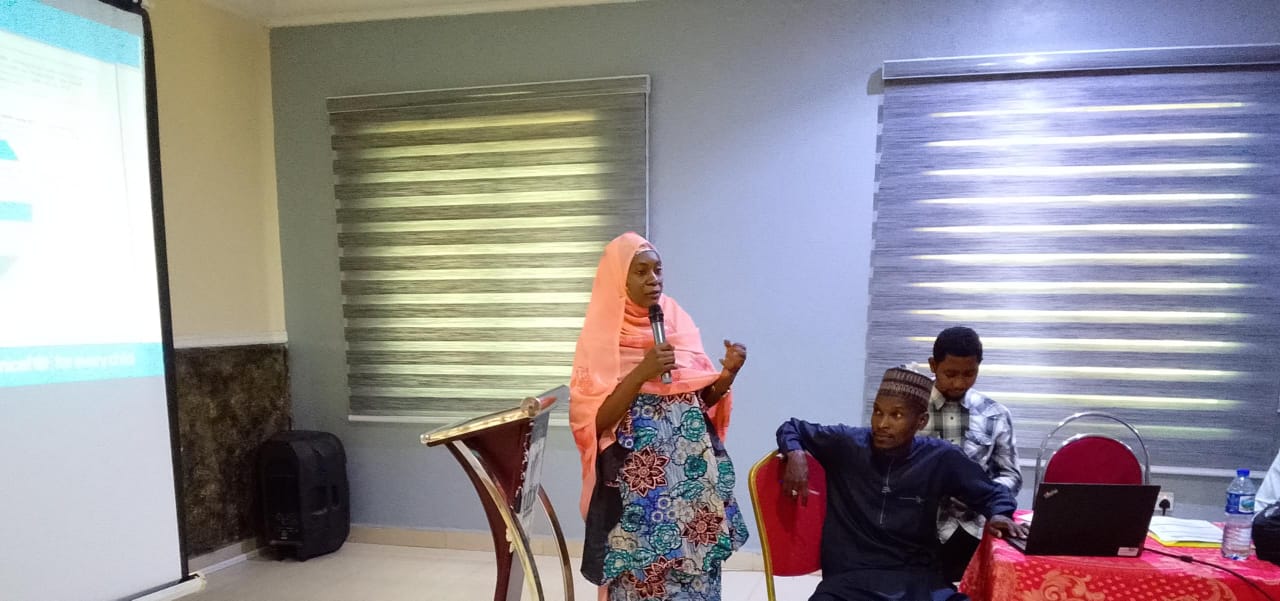
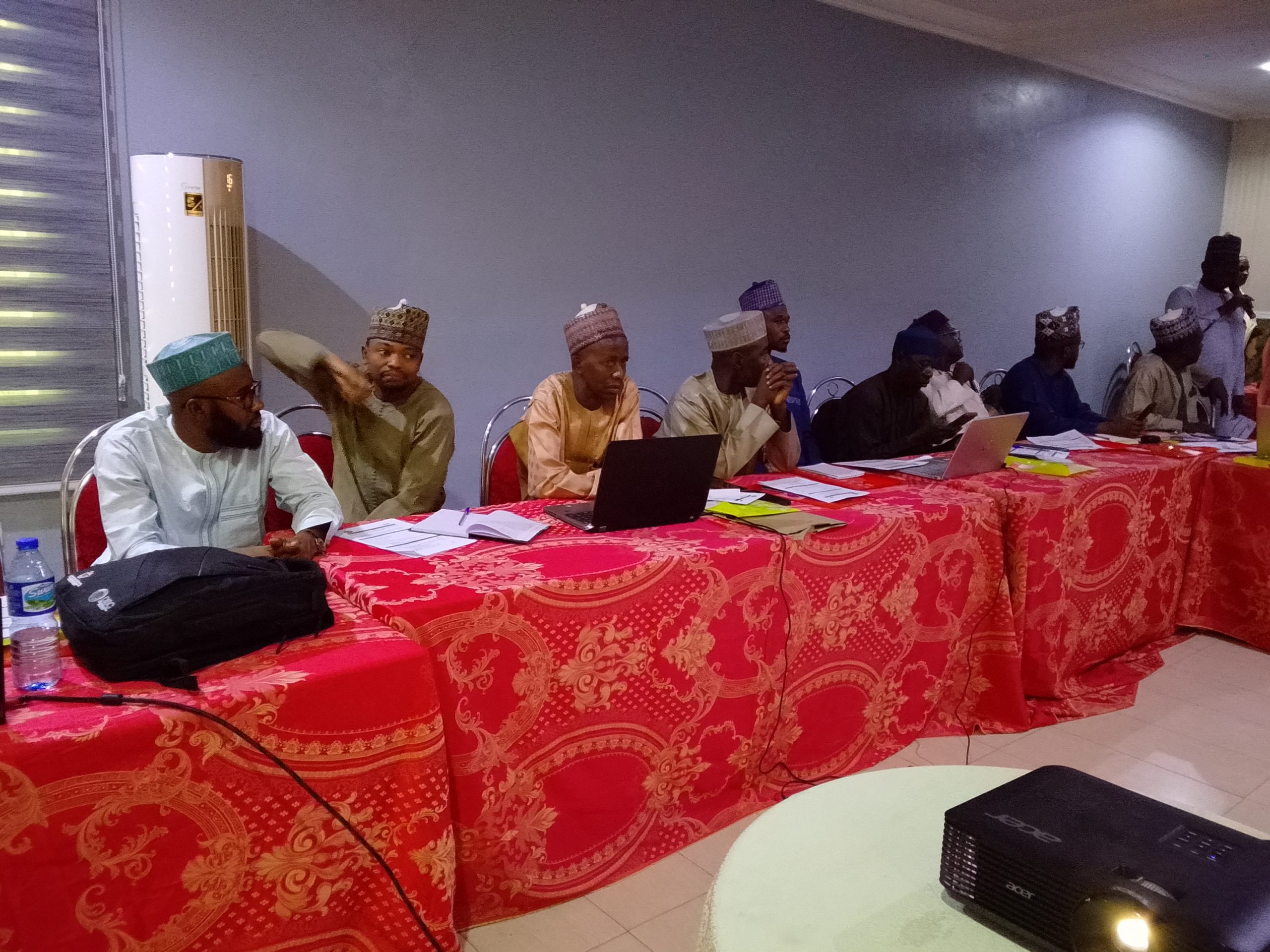
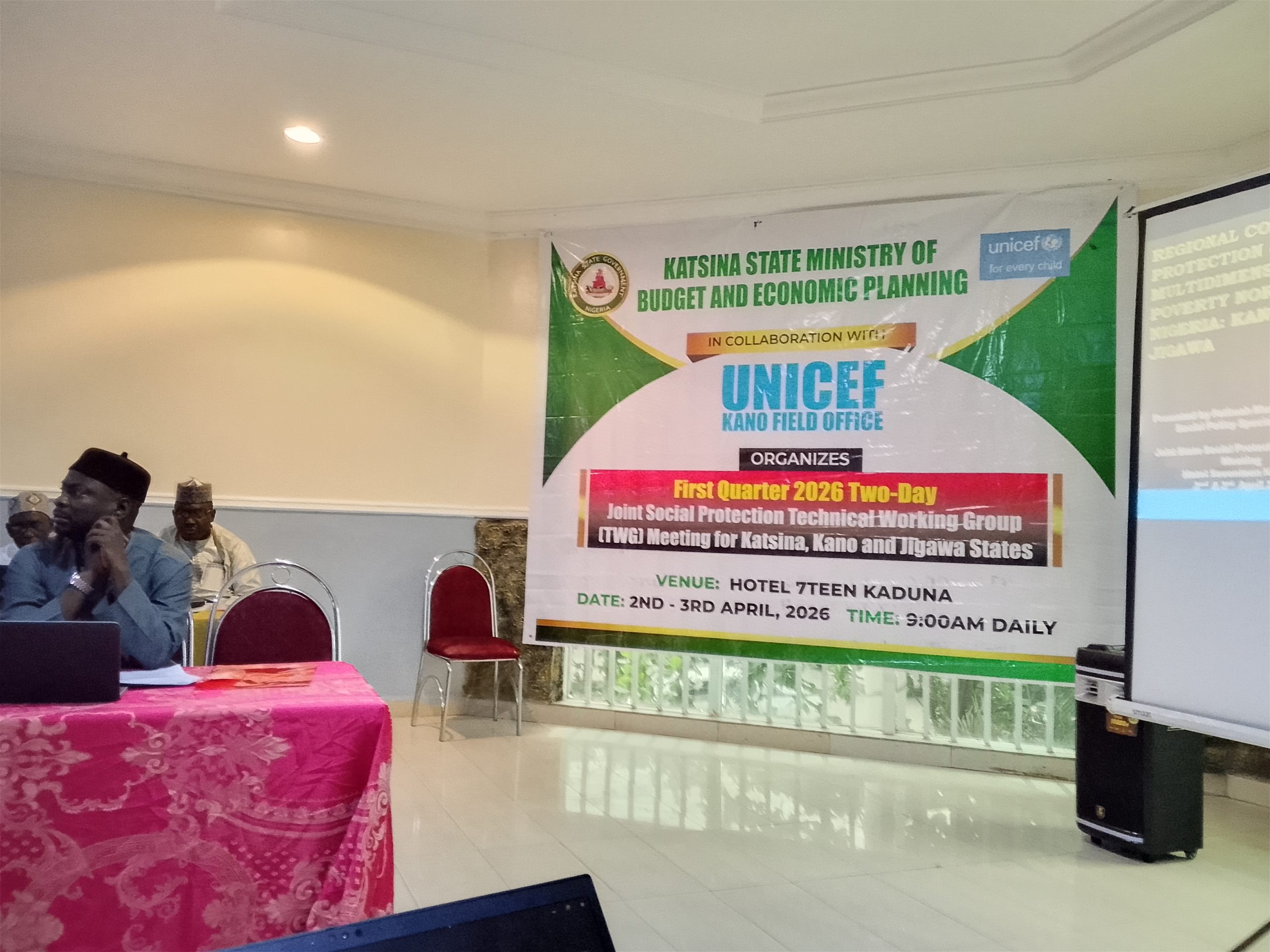
A Social Protection Specialist with United Nations Children’s Fund (UNICEF) Field Office Kano, Fatimah Musa, has emphasised the critical role of social protection in addressing poverty, vulnerability, and social exclusion, particularly among children and other vulnerable groups.Fatimah Musa made this known during a presentation at a two-day Joint Social Protection Technical Working Group (TWG) meeting, for Katsina, Kano, and Jigawa States, with support from the UNICEF Kano Field Office in Kaduna.
She described social protection as a set of policies and programmes designed to prevent and reduce poverty and inequality throughout an individual’s life cycle, with special focus on vulnerable populations.
According to her, social protection ensures stable access to income and essential social services such as healthcare and education, thereby reducing exposure to the risks associated with poverty.
She noted that children living in poverty often suffer severe deprivation, including lack of access to nutrition, clean water, sanitation, healthcare, shelter, education, and protection.
Quoting the United Nations General Assembly, Musa stressed that deprivation is most harmful to children, as it limits their ability to realise their full potential and participate meaningfully in society.
Read Also:
KASPA Implements Free Healthcare Programme for Vulnerable Kano Residents
NSE Kabuga Branch Supports Nasarawa Children’s Home, Plans Career Guidance Initiative
UNIJOS Orders Students to Vacate Hostels Amid Rising Tension in Jos
She further explained that a child is considered monetarily poor if they live in a household lacking sufficient financial resources to meet basic needs, while multidimensional child poverty occurs when a child experiences deprivation in at least three key areas of wellbeing.
Providing data to underscore the severity of the situation, Musa stated that the national monetary child poverty rate currently stands at 47.6 per cent, with Kano at 59.5 per cent, Jigawa at 89.4 per cent, and Katsina at 61.2 per cent.
She added that according to the 2022 Multidimensional Poverty Index, the national rate stands at 67.5 per cent, while Kano records 69.2 per cent, Jigawa 85.6 per cent, and Katsina 75.2 per cent, highlighting the scale of deprivation across the region.
Musa stressed that the figures reflect the urgent need for strengthened social protection systems to safeguard children and vulnerable populations.
In his remarks, the Katsina State Commissioner for Budget and Economic Planning, Malik Anas, reiterated the state government’s commitment to strengthening social protection policies aimed at reducing poverty and protecting vulnerable populations.
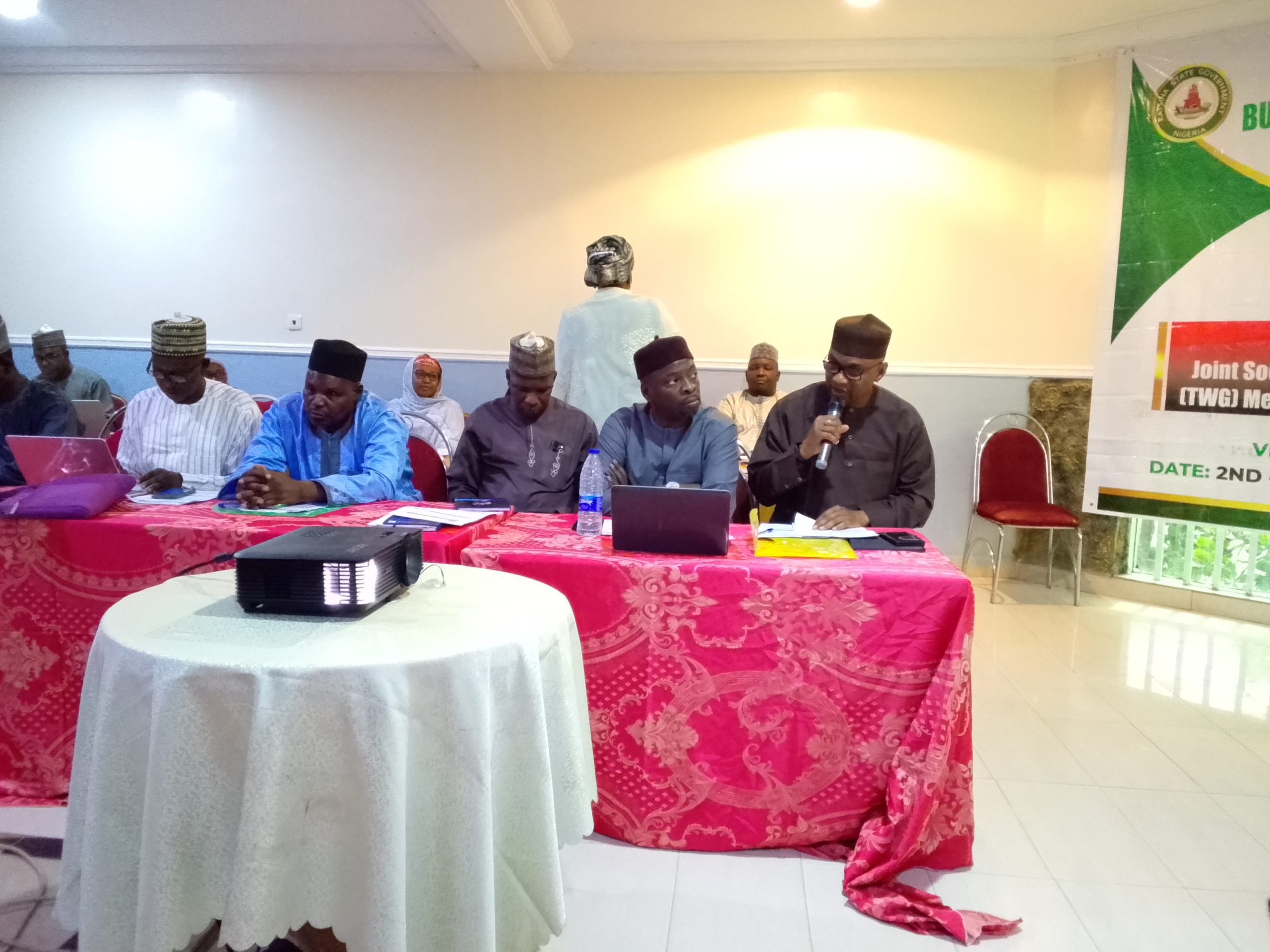
Malik Anas
He said the meeting provided an opportunity for states in the North-West region to deliberate on shared challenges and develop strategies to address poverty and inequality.
The commissioner explained that key components of social protection include social assistance, health insurance, and market development, all of which are essential in addressing the unequal distribution of resources among citizens.
He cited data from the World Bank and the National Bureau of Statistics indicating that poverty remains a significant challenge in Nigeria, particularly in the North-West region, where poverty rates exceed the national average.
According to him, the rising level of poverty underscores the need for comprehensive social protection policies that promote equity, fairness, and improved living standards.
Anas warned that extreme poverty exposes young people to risks such as recruitment into banditry and other criminal activities, while also increasing the vulnerability of children to abuse, gender-based violence, and harmful traditional practices.
“These challenges have made many children vulnerable in places where they should ordinarily feel safe, including homes, schools, and communities,” he said.
He noted that the Katsina State Government, under the leadership of Governor Dikko Umaru Radda, has approved several intervention programmes aimed at reducing poverty and improving the welfare of vulnerable groups.
The commissioner also called on participating states to share implementation strategies and strengthen collaboration to achieve sustainable social protection outcomes.
He reiterated the ministry’s commitment to supporting programmes that promote a just, equitable, and inclusive society where all citizens, particularly children and women, can live and thrive.
Anas urged participants to actively contribute to discussions to ensure the success of the meeting.
Findings by ‘The Historica Nigeria‘ indicate that Kano State Government has already taken a significant step by establishing the Kano Social Protection Agency (KASPA) to drive its social protection agenda. However, members of the Technical Working Group from Jigawa State revealed that the state’s Social Protection Law is still awaiting final processes, while Katsina State is also awaiting the Governor’s assent for the law to become fully domesticated.
The development underscores varying levels of progress among North-West states in institutionalising social protection frameworks, even as stakeholders continue to advocate for stronger policies and coordinated implementation to address poverty and inequality across the region.

Tinubu’s Kaduna Campaign Eve: Dan’agundi leads thousands of supporters to governor Uba Sani in Massive show of solidarity

Gwarzo’s exclusion: NDC races against time as INEC deadline nears

2027: Mariya Bunkure takes key women affairs role in Kano APC campaign

2027: Kano Governor Names Former Education Commissioner Kiru Campaign Spokesperson II

Sa’adatu Rimi College of Education Hosts NCCE Training as Experts Push Practical Agricultural Education
ABCOAD Unveils Journal, Bids Farewell to Provost

Nigerian Army Begins DSSC 29/2026 Recruitment, Outlines Eligibility Criteria
2027: NDC Releases Full List of Consensus Candidates in Kano

Gaya Polytechnic Opens Recruitment, Advertises 46 Academic, Non-Academic Positions