The Historica Nigeria

Bauchi

Bauchi, News

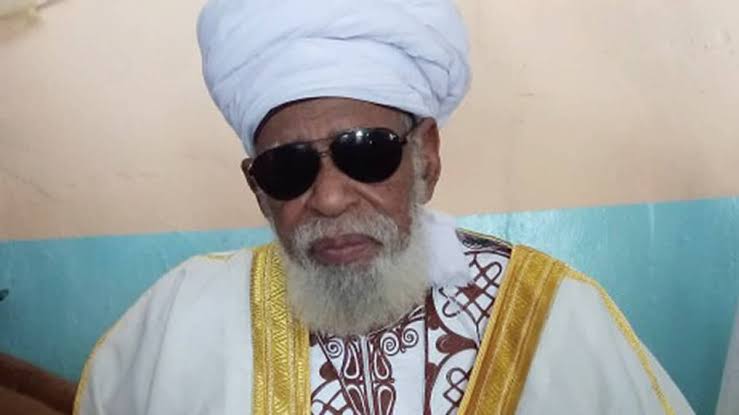
Bauchi Governor Appoints Brother as New Emir

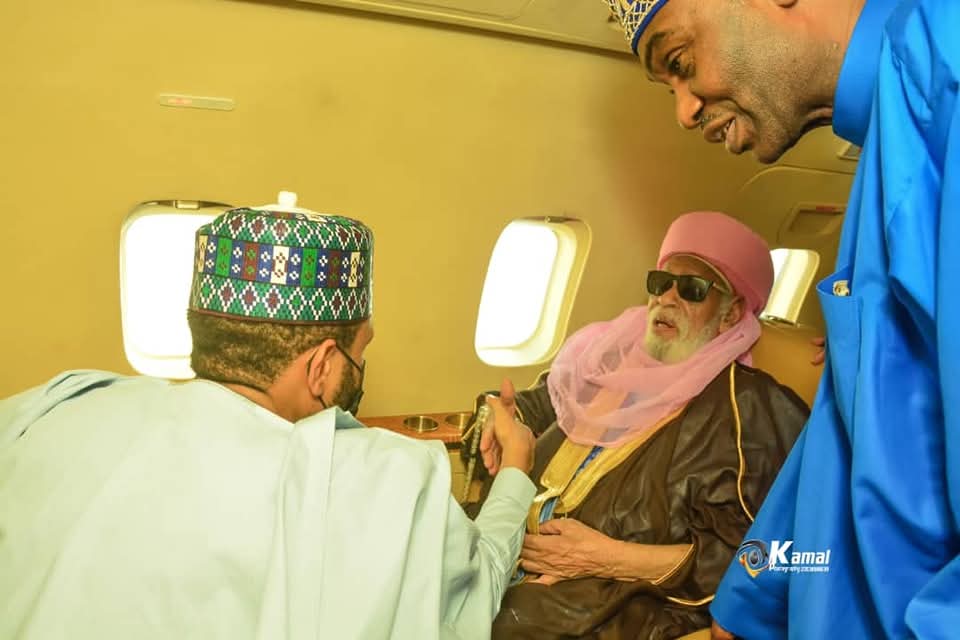
Bauchi State Governor, Bala Mohammed, has appointed Adamu Mohammed as the Emir of Duguri Emirate and Alhaji Jibrin D. Hassan as the Emir of Bununu Emirate. The appointments were announced during a ceremony at the Duguri Emir’s palace in Alkaleri Local Government Area. The Secretary to the State Government, Aminu Hammayo, presented the appointment letters on behalf of the governor, urging the new emirs to support the state’s development initiatives and promote peace and inclusivity. Read Also: Bauchi Governor Signs Law Creating 13 New Emirates, 111 District Heads Adamu Mohammed, the new Emir of Duguri, pledged loyalty to the state government and the Bauchi Emirate Council, while Alhaji Jibrin D. Hassan, the Emir of Bununu, promised to promote peace and unity among his people.

Bauchi, News

Bauchi Governor Signs Law Creating 13 New Emirates, 111 District Heads

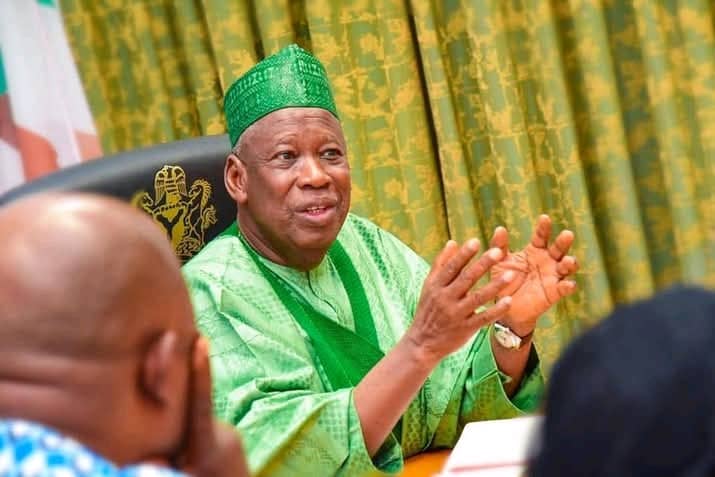
Governor Bala Mohammed of Bauchi State has signed into law the Chieftaincy Appointment and Deposition Law, paving the way for the creation of 13 new emirates and over 111 district heads across the state. The newly enacted law aims to strengthen traditional governance, promote inclusivity, and bring leadership closer to grassroots communities. Governor Mohammed also assented to the repeal of the Sayawa Chiefdom Law and the enactment of the Zaar Chiefdom Law, establishing the Zaar Chiefdom with its headquarters at Mhrim Namchi in Tafawa Balewa Local Government Area. Read Also: Tinubu Nominates Dr. Bernard Doro as Minister From Plateau State In addition, the governor signed the Local Government Pension Contributory Scheme and the 2025 Appropriation Supplementary Act, reaffirming his administration’s commitment to clearing pension backlogs and funding ongoing developmental projects. The newly created emirates include Burra (Burra), Duguri (Yuli), Dambam (Dambam), Bununu (Bununu), Lere (Lere), Darazo (Darazo), Jama’a (Nabardo), Lame (Gumau), Toro (Toro), Ari (Gadar Maiwa), Warji (Katangar Warji), Giade (Giade), and Gamawa (Gamawa), as well as the Sayawa Zaar Chiefdom with headquarters at Mhrim Namchi. Speaking during the signing ceremony at Government House, Bauchi, on Tuesday, Governor Mohammed cautioned against politicising the new law or attempting to undermine its implementation. He directed security agencies to take firm action against anyone found instigating division or disrupting public peace. “Let me use this opportunity to issue a clear and firm warning,” the governor stated. “This administration will not tolerate any attempt to undermine, obstruct, or politicize the implementation of these laws. Anyone found spreading misinformation or inciting division will face the full consequences of the law.” He further warned that government officials or traditional leaders who act contrary to the spirit of the reform or engage in conduct capable of undermining its objectives would face disciplinary action. Mohammed also directed the Attorney-General and Commissioner for Justice, in collaboration with the Secretary to the State Government, to immediately gazette and distribute copies of the new laws for prompt implementation. Earlier, Speaker of the Bauchi State House of Assembly, Abubakar Y. Suleiman, said the new legislation was a product of broad public engagement and consensus among stakeholders, including traditional rulers, civil society groups, and professional bodies. According to him, “This law represents not just administrative expansion but a reaffirmation of our shared responsibility to build a system that serves every community fairly. It will strengthen traditional institutions and enhance service delivery in underserved areas.” Suleiman added that the Assembly ensured fairness, due process, and respect for traditional norms in crafting the provisions for the appointment and deposition of traditional rulers under the new law.

Agriculture, Bauchi

Ministry of Livestock Commissions 2,000-Litre Milk Collection Centre in Bauchi

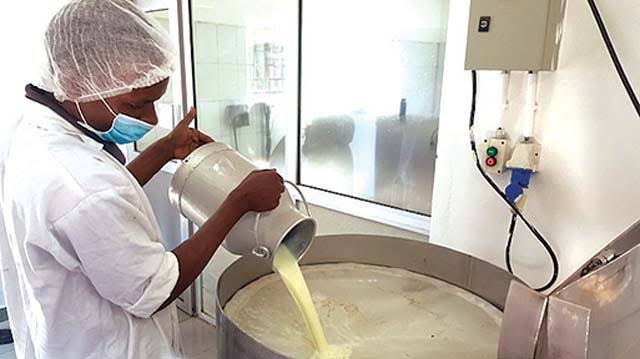
The Federal Ministry of Livestock Development has commissioned a Milk Collection Centre with a 2,000-litre daily capacity at the Sawi Grazing Reserve in Adamami community of Shira Local Government Area, Bauchi State. The facility, rehabilitated and equipped a few years ago by the Federal Ministry of Agriculture and Rural Development under the Livestock Directorate, is now being managed by a private investor, L&Z Integrated Farms. Speaking at the inauguration, Director of Livestock Development in the ministry, Tagwi James, said the choice of the Sawi Grazing Reserve was informed by “the significant milk deposits that could be harnessed daily” from the area. Related: Jigawa, HJRBDA Partner to Tackle Flooding, Boost Irrigation He noted that the rehabilitation formed part of the Federal Government’s renewed drive to meet the nation’s growing demand for dairy products. “The aim is to boost local milk production and reduce Nigeria’s dependency on dairy imports,” James said. James further urged state governments to complement federal efforts by implementing livestock-related policies and programmes. On his part, Managing Director of L&Z Integrated Farms, Muhammad Damakka Abubakar, stressed the need for Nigeria to scale up its dairy processing and production capacity, warning that the country currently spends about $1.5 billion annually on milk importation. “Improving milk aggregation and collection infrastructure is essential to achieving self-sufficiency in dairy production,” Abubakar said. Read Also: Fixing the Forgotten Crisis: Solutions to Nigeria’s Herders-Farmers Conflict Chairman of Shira Local Government Council, Alhaji Babangida Maliya, pledged the council’s support for the centre’s success, assuring stakeholders of security and continuous community engagement. He urged pastoralists to supply milk to the centre while advocating for education among rural dwellers, particularly women and girls. “Pastoralists play a vital role in boosting the country’s economy, but their movement to different settlements hampers their children’s education,” Maliya noted. Similarly, the District Head of Disina, Alhaji Abdullahi Mustapha, hailed the Federal Government for the initiative, saying it would encourage pastoralists to settle in one location, thus enabling their children to attend school. He also commended L&Z Integrated Farms for its role in actualising the project and urged herders to take full advantage of the centre. Chairman of Miyetti Allah, Shira LGA, Umar Muhammad Hassan, described the facility as a welcome development for the Fulani community. “The facility will significantly boost economic growth and livelihoods in the area,” Hassan said, pledging to supply quality milk. He also appealed to the Bauchi State Government to establish a nomadic school in the community to ensure pastoralist children have access to formal education.

Agriculture, Bauchi, Jigawa, Kano, News

Jigawa, HJRBDA Partner to Tackle Flooding, Boost Irrigation

Jigawa State Governor Malam Umar Namadi has pledged stronger collaboration with the Hadejia Jama’are River Basin Development Authority (HJRBDA) to curb seasonal flooding and open up thousands of hectares for irrigation farming. Speaking at the Government House in Dutse on Tuesday during a courtesy visit by HJRBDA’s Managing Director, Engr. Rabi’u Suleiman Bichi, the governor said the Hadejia Valley alone holds vast agricultural potential of 24,000 hectares in total, with only 6,000 developed so far. “With the remaining 18,000 hectares brought into full cultivation, the volume of land going into production will be remarkable. This will transform livelihoods across our communities,” Namadi said. Read Also: FG to Establish Cattle Breeding Centres Across Six Geopolitical Zones He revealed that discussions with President Bola Ahmed Tinubu had already taken place on developing an additional 6,000 hectares through international funding, with a formal request submitted to the Minister of Water Resources. Namadi also outlined a plan to revive 10 abandoned dams, two through the SPIN project, three via ACReSAL, and five directly by the state government. The initiative is expected to add about 4,500 hectares to the state’s irrigated farmland. In addition, he highlighted the success of the Lalashi industrial borehole scheme, which prevented more than 120 households from migrating in search of work. Similar projects, he said, would soon be launched in Gajagarma, Dutse, and four local government areas under Gumel Emirate. On the flood menace, the governor described it as “critical and worrisome,” noting that Jigawa had constructed 120 kilometres of embankments and cleared 70 kilometres of Typha grass to ease water flow. Earlier, Engr. Bichi praised the state government’s support in clearing Typha grass and restoring waterways, which he said had significantly reduced flooding. “The governor’s commitment has been instrumental in restoring our canals and improving water management for the benefit of our farmers,” he said. Bichi disclosed that HJRBDA plans to expand irrigation by 6,500 hectares in Jigawa, with presidential approval already in place for key projects, including the Greater Dutse Water Supply Scheme and repairs to the Hadejia Barrage. He added that farmers currently cultivate 5,440 hectares under the authority’s schemes, producing an estimated 220,000 metric tonnes of crops such as wheat, rice, maize, tomato, and vegetables worth over ₦154.4 billion annually. According to him, the 2025 budget provides more than ₦28 billion for HJRBDA projects in Jigawa, in addition to ₦59 billion already allocated for the Greater Dutse Water Supply, small earth dams, erosion control, and new irrigation initiatives.

Scroll to Top