Abuja
Ganduje bags excellence award, warns Nigerians against turning diversity into liability

By Umar Idris Shuaibu
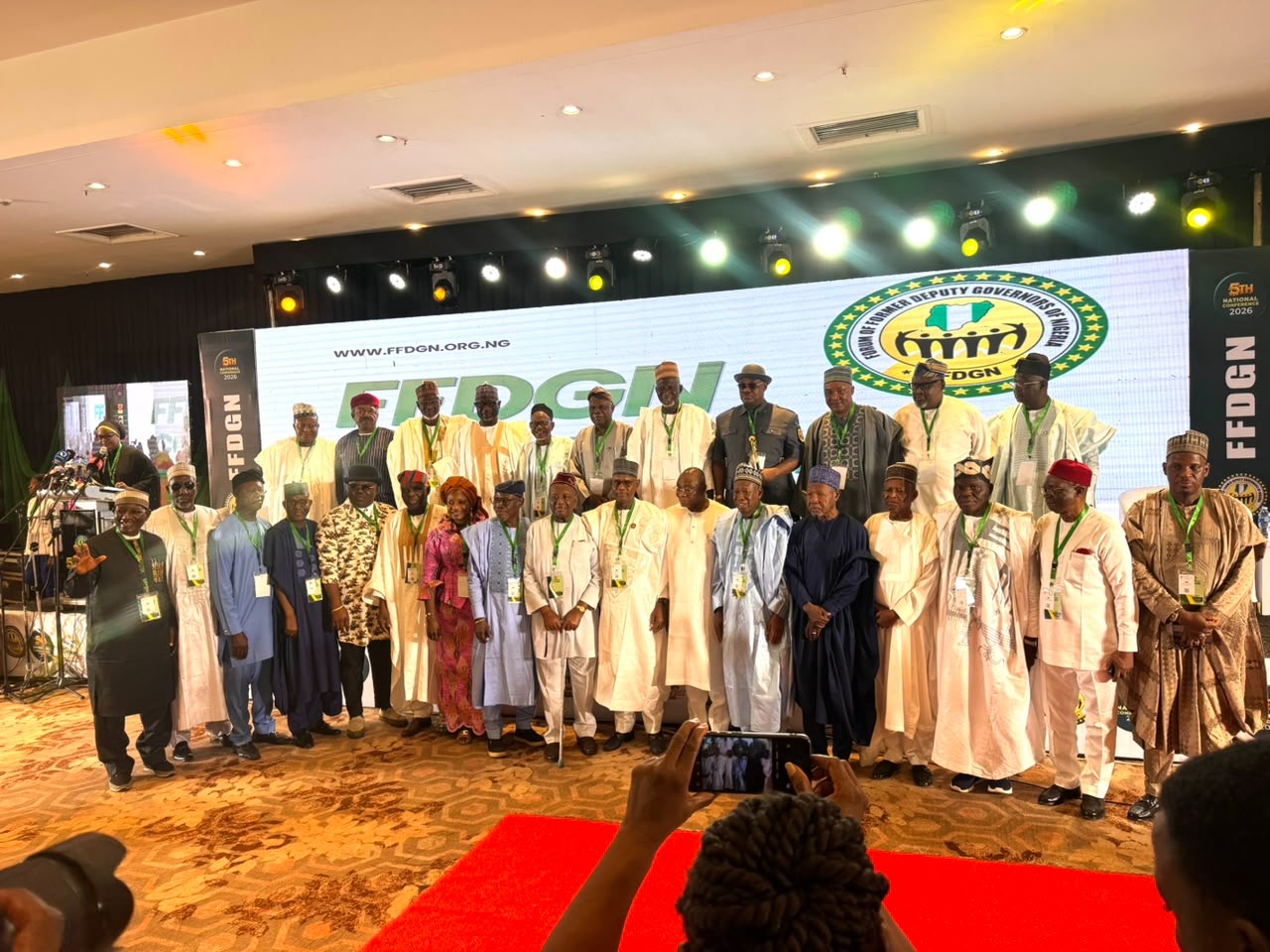
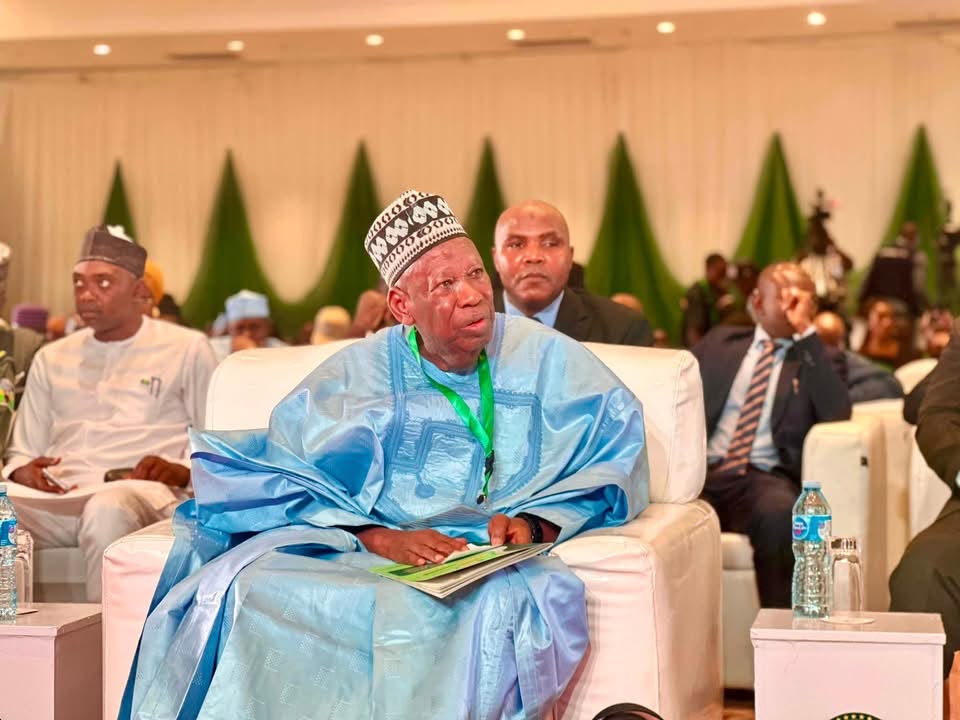
Former Kano State Governor and immediate past National Chairman of the All Progressives Congress (APC), Dr Abdullahi Umar Ganduje, has received an Award of Excellence at the fifth national conference of the Forum of Former Deputy Governors of Nigeria (FFDGN), held in Abuja.
Ganduje received the award on Tuesday, October 20, 2026, at the Abuja Continental Hotel, where he warned that Nigerians were turning the country’s ethnic diversity into a liability instead of harnessing it as a strength for national development.
He said Nigeria’s diversity should unite its people and promote development, but poor management of ethnic differences had continued to undermine national cohesion.
“Do we all believe in Nigeria? Do we truly believe that our diversity is an asset rather than a liability? The way we manage our diversity today is making it appear more like a liability,” he said.
The former governor also commended past leaders for their contributions to national unity, particularly politicians of the First Republic who, he noted, developed a sense of nationalism and used political pressure to secure Nigeria’s independence.
Read Also:
Ganduje calls for commitment to nation-building, democratic sustainability
Photos: Ganduje Hosts Deputy Governors’ Forum, Visits Ex-Minister Gwarzo in Abuja
Ganduje’s aviation vision: Turning global lessons into modern Nigerian airports
However, he regretted that some of the country’s early political leaders later embraced tribalism, with political parties increasingly organised along ethnic lines.
Ganduje urged Nigerians to rise above ethnic divisions, develop genuine faith in the country and transform their diversity into an instrument of national progress.
Reflecting on Nigeria’s history, he observed that the colonial authorities brought different ethnic nationalities together primarily to serve their economic interests rather than to build a united nation.
He maintained that the country’s continued development depended on the ability of its people to manage their differences constructively and strengthen their common national identity.
Governance continuity, strong institutions
Ganduje also identified the lack of continuity between successive administrations as a major obstacle to sustainable development, expressing concern over friction between outgoing and incoming governors, including those belonging to the same political party.
He warned that disagreements between successive administrations often resulted in the abandonment or reversal of projects initiated by previous governments, thereby undermining development.
According to him, continuity in governance promotes consolidation, which ultimately leads to sustainable development.
He called for stronger democratic institutions, urging stakeholders to examine the capacity of the executive, legislature, judiciary, media, non-governmental organisations and political parties to sustain Nigeria’s democracy.
The former governor’s remarks formed part of discussions at the conference, which brought together former public office holders, diplomats, academics, industry leaders, women and youth groups, and professional bodies to examine the challenges of nation-building.
The conference was held under the theme, “Rethinking Nation-Building: Bridging the Leadership-Citizen Disconnect Through Orientation, Attitude, Character, Culture and Tradition for Sustainable Development.”
Okowa advocates trust, accountability
Earlier, former Delta State Governor and co-chairman of the conference, Senator Ifeanyi Okowa, said nation-building could only succeed when leaders and citizens operated within a social contract founded on trust, accountability, inclusion and shared responsibility.
Okowa lamented that many Nigerians felt increasingly disconnected from governance because their expectations, needs and aspirations had not been adequately addressed.
He identified declining public trust, weak citizen participation in policymaking and inadequate public services as major challenges confronting the country.
He also noted that young people, women, persons living with disabilities and disadvantaged communities often felt excluded from governance or inadequately catered for.
He stressed the need for governments and citizens to rebuild mutual trust and establish a governance system that responds more effectively to the needs and aspirations of the population.
Akomas calls for moral re-engineering
In his welcome address, the National Chairman of the Forum of Former Deputy Governors of Nigeria, Dr Chris Alozie Akomas, called on Nigerians to work collectively to rebuild trust, strengthen national unity and address the moral challenges confronting society.
Akomas, a former Deputy Governor of Abia State, described the conference theme as central to Nigeria’s nation-building challenges, noting that the disconnect between leaders and citizens extended across government institutions, communities, families and other aspects of society.
He maintained that national development could not be achieved through government policies and budgetary allocations alone, stressing the importance of character, ethical values and responsible leadership.
“A nation is never rescued by its government alone; it is saved by the conscience of its people,” Akomas said.
He urged Nigerians to begin the process of national renewal in their homes, schools, religious centres and local communities, adding that both leaders and citizens had responsibilities in building a better country.
The FFDGN chairman also called on leaders to embrace accountability, humility and responsible stewardship while encouraging citizens to contribute to national development through positive values and responsible conduct.
He said the Forum was committed to serving as a bridge between political leaders and citizens through moral re-engineering, dialogue and initiatives aimed at strengthening national unity.
Akomas added that the conference was intended to go beyond speeches by encouraging a renewed commitment to national healing, collective responsibility and sustainable development.
FFDGN seeks practical solutions
Also speaking, the Director-General of the Forum, Hon Kenneth Ibe-Kalu, expressed concern over the widening disconnect between political leadership and citizens, calling for renewed efforts to promote civic education, integrity and discipline.
He said the Forum remained committed to serving as a non-partisan strategic partner in advancing good governance, irrespective of political affiliations.
Ibe-Kalu explained that the previous four editions of the conference had focused on resilience in 2022, partnership for sustainable development in 2023, food security in 2024, and productive capacity and innovation in 2025.
He said the 2026 theme was selected to address the growing gap between leaders and citizens, emphasising the need to promote ethical values and tackle indiscipline and other forms of social misconduct.
The Director-General disclosed that the Forum planned to engage internationally recognised institutions to develop practical solutions to Nigeria’s pressing challenges.
Although funding constraints remained a challenge, he said the organisation was determined to pursue its objectives and welcomed partnerships with public and private sector stakeholders.
Jonathan, other dignitaries attend
Among the dignitaries at the conference were former President Goodluck Ebele Jonathan, the Forum’s Grand Patron; Senator Ifeanyi Okowa, who served as co-chairman of the event; and other patrons and supporters of the organisation.
They included former Attorney-General of the Federation, Chief Kanu Agabi; former Akwa Ibom State Governor, Obong Victor Attah; former Ogun State Governor, Chief Segun Osoba; former Senate President, Senator Anyim Pius Anyim; and former Sokoto State Governor, Senator Aliyu Wamakko.
Ganduje, who served two terms as Kano State Governor before becoming APC National Chairman, was among the prominent political figures at the gathering, which focused on national unity, ethical leadership, institutional development and the need to bridge the gap between political leaders and citizens.
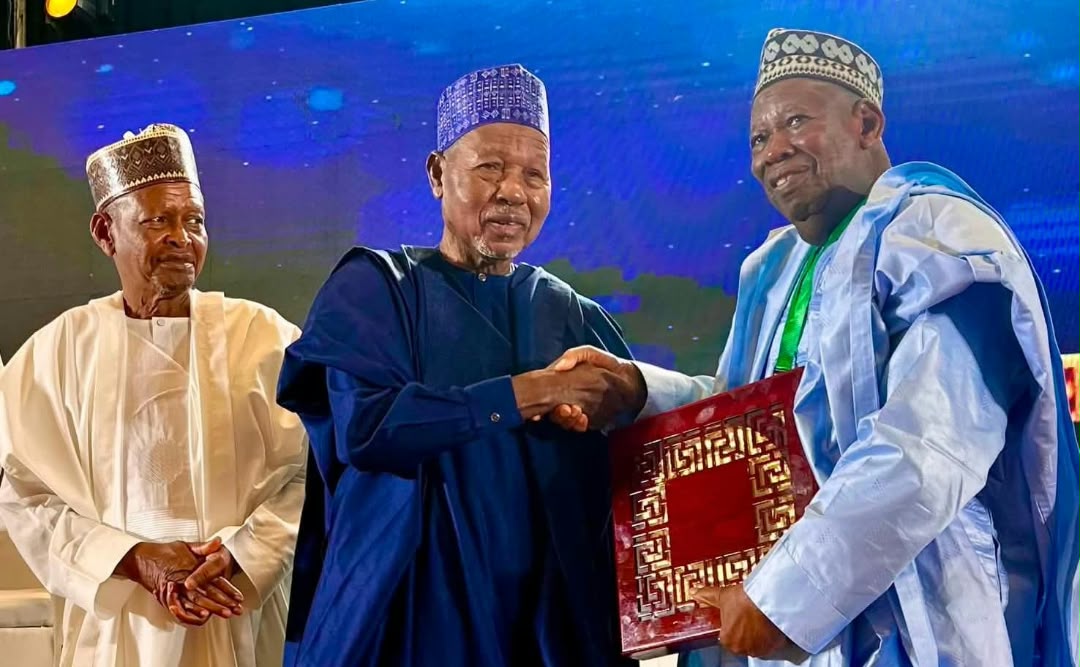
Ganduje while receiving the excellence award alongside fellow colleagues

NUJ seeks justice for Kaduna journalist facing retrial over Facebook post

APC taps Gaya polytechnic committee chairman for academic mobilisation

NBTE proposes polytechnic act amendment to allow BTech degrees

FRSC prohibits political convoy escorts ahead of 2027 elections

Kano Governor Nominates Retired Air Commodore, Professor, Four Others as Commissioners
ABCOAD Unveils Journal, Bids Farewell to Provost

Nigerian Army Begins DSSC 29/2026 Recruitment, Outlines Eligibility Criteria
2027: NDC Releases Full List of Consensus Candidates in Kano

Gaya Polytechnic Opens Recruitment, Advertises 46 Academic, Non-Academic Positions