Lagos
Lagos proposes N200,000 fine, two-year jail term for street begging

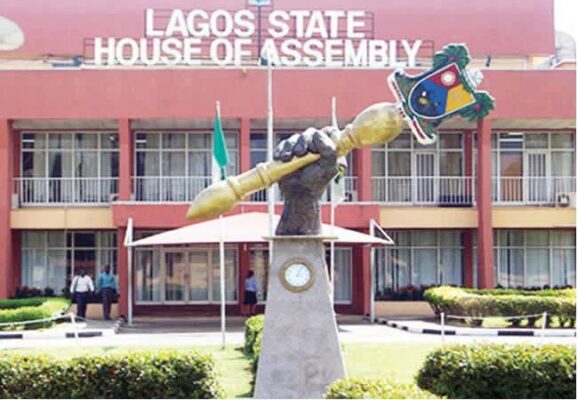
The Lagos State House of Assembly has commenced legislative action on a bill seeking to prohibit street begging and the presence of street urchins in public places across the state.
The proposed legislation, titled the Street Begging and Street Urchins (Prohibition, Prevention and Rehabilitation) Law of Lagos State Bill 2026, provides for penalties ranging from warnings and rehabilitation to fines and imprisonment for repeat offenders.
The draft bill was shared by the Nigerian Bar Association, Lagos Branch, on its official Instagram handle in connection with a public hearing organised by the Lagos State House of Assembly on Tuesday, September 15.
The proposed law seeks to prohibit street begging and remove street urchins from public places, including highways, bridges, markets, motor parks, bus stops and traffic intersections, as part of efforts to promote public order and environmental sanitation.
Under the proposed legislation, engaging in, procuring, aiding or abetting street begging or street urchin activities would constitute an offence.
Read Also:
Kano Governor appoints Hafsat acting PCACC chairperson
Kano PDP reconciles factions, picks Abacha for 2027
Ganduje Links Rising Begging in North to Poor Support for Disabled Persons
The bill also seeks to prohibit loitering, sleeping, residing, assembling or erecting temporary or permanent structures in public or private spaces for the purpose of begging.
It further provides for sanctions against parents, guardians or custodians who permit or use children under their care for street begging, in addition to applicable sanctions under child protection laws.
Proposed three-tier penalties
Section 19 of the draft bill proposes a three-tier penalty structure for offenders.
A first-time offender would be warned and referred to a Rehabilitation and Custodial Centre established under the proposed law.
A second offender would be liable to a fine of up to N200,000, a non-custodial sentence of up to three months, or both.
A serial offender would face a custodial sentence of up to two years.
The proposed legislation designates the Environmental Sanitation Corps Agency as the primary enforcement authority, working alongside the Nigeria Police Force and the Lagos State Neighbourhood Safety Corps.
Authorised officers would be empowered to arrest suspects without a warrant and seize items allegedly used in committing offences under the proposed law.
The bill provides that persons apprehended would undergo profiling and documentation before being handed over to the police or referred for appropriate legal and rehabilitation processes.
It also proposes that the High Court and Magistrate Courts of Lagos State have jurisdiction to try offences under the legislation.
Rehabilitation and welfare
Beyond enforcement, the bill provides for rehabilitation and welfare programmes for persons affected by the proposed law.
It mandates the Ministry of Youth and Social Development to establish and maintain Rehabilitation and Welfare Centres where affected persons could receive temporary accommodation, vocational training, literacy programmes, psychological counselling and life-skills education aimed at facilitating their reintegration into society.
Children apprehended under the proposed law would be handled in accordance with applicable child-rights protection laws and referred to child welfare support services.
The bill also contains provisions aimed at preventing abuse during enforcement.
It requires all enforcement actions to comply with Chapter IV of the 1999 Constitution, as amended, particularly provisions protecting fundamental human rights.
Section 15 of the draft states that any person arrested for violating the proposed law “shall not be subjected to torture, inhuman or degrading treatment, or unlawful detention by the authorised officers.”
The proposed legislation is subject to the legislative process, including consideration and public input, before it can become law.

Kano Online Media Chapel Holds Second Physical Congress, Reaffirms Professional Ethics

“My sons helped pay for my treatment” – Father demands compensation after custody deaths

FG sets up panel over deaths of 37 detainees, suspends 20 NSCDC officers

Gunmen kidnap traditional ruler in Kano community

Kano Social Protection Agency targets better data, coordination through Lagos model
ABCOAD Unveils Journal, Bids Farewell to Provost

Nigerian Army Begins DSSC 29/2026 Recruitment, Outlines Eligibility Criteria
2027: NDC Releases Full List of Consensus Candidates in Kano

Gaya Polytechnic Opens Recruitment, Advertises 46 Academic, Non-Academic Positions